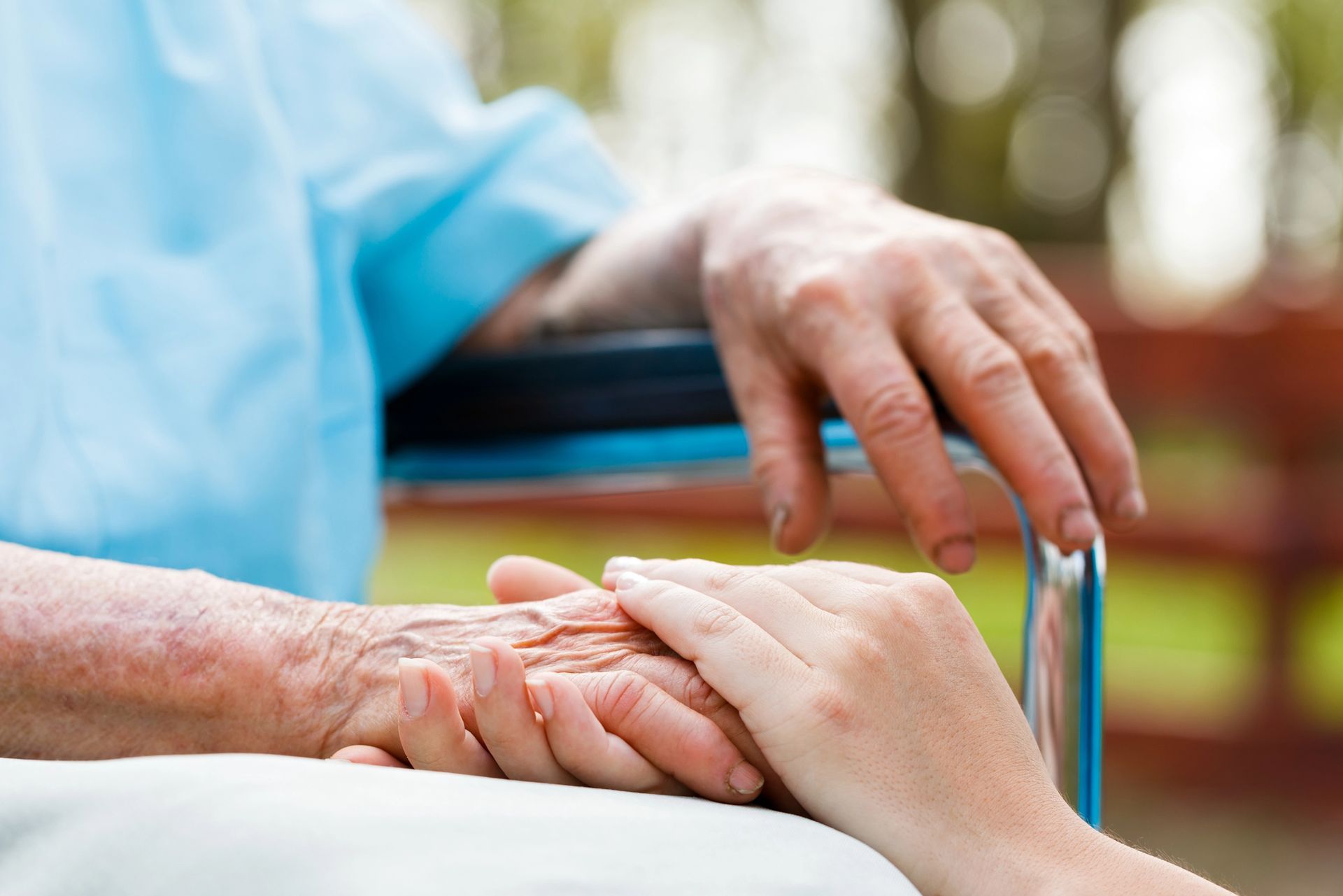

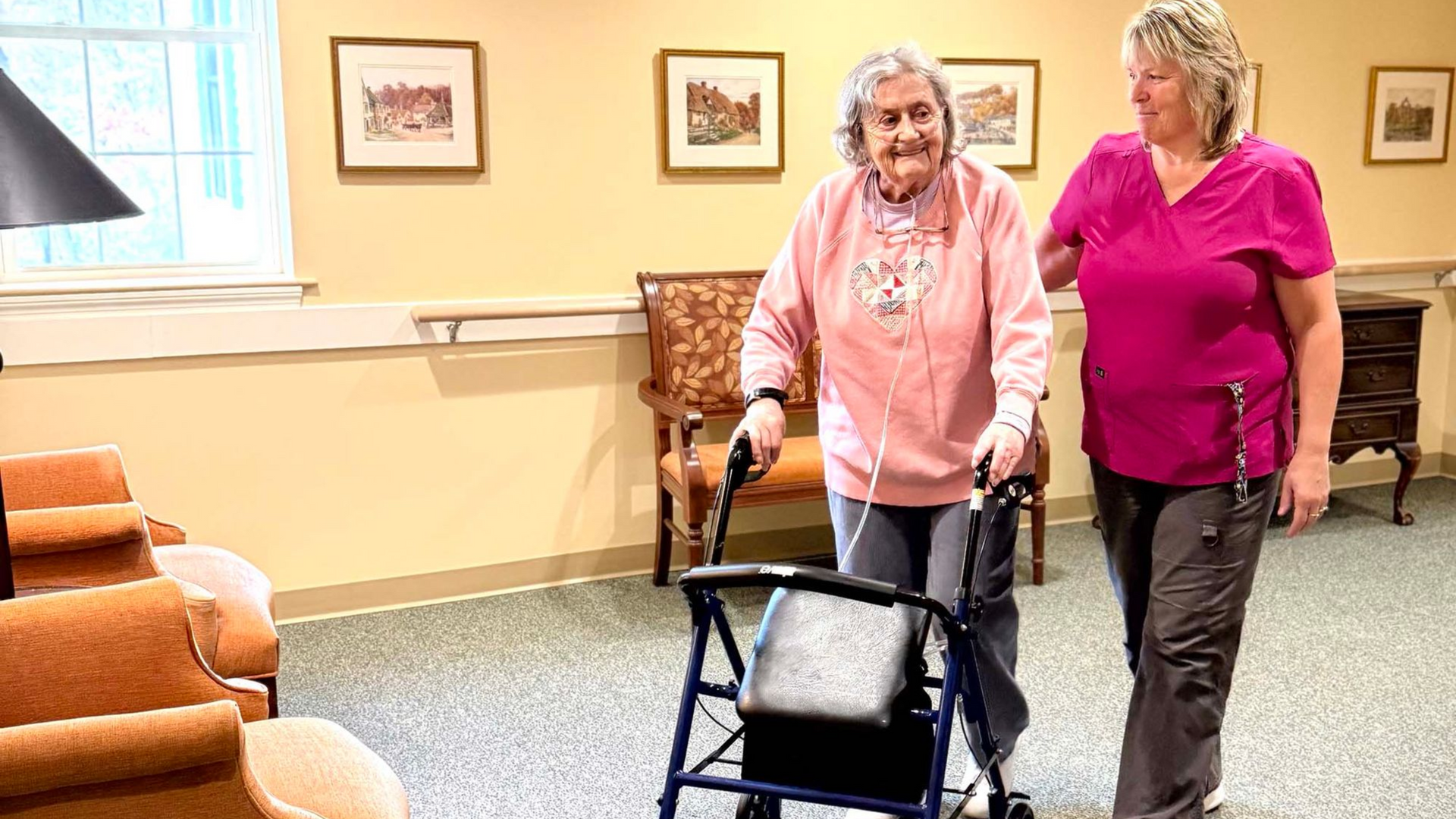
Handing over the responsibility of a loved one's daily well-being is one of the most stressful experiences an adult child will ever face. For months or even years, family members have likely managed every doctor's appointment, medication refill, and mobility challenge entirely on their own. Stepping into a professional environment introduces a completely new dynamic. Families frequently worry about who will be providing daily assistance when they leave the building.
Understanding specific senior care staff roles replaces this anxiety with confidence and clarity. This educational guide helps adult children and caregivers recognize the distinct responsibilities of the professionals working in assisted living and skilled nursing. Knowing exactly who manages medications, assists with hygiene, and leads daily activities provides profound peace of mind when planning for a parent's future.
The Foundation of Daily Support: Resident Assistants (RAs)
Resident Assistants form the backbone of daily life in a supportive community. These compassionate individuals provide non-clinical assistance to help older adults maintain their routines, dignity, and independence. Their primary focus is on the activities of daily living, ensuring individuals are clean, comfortable, and safe throughout the day.
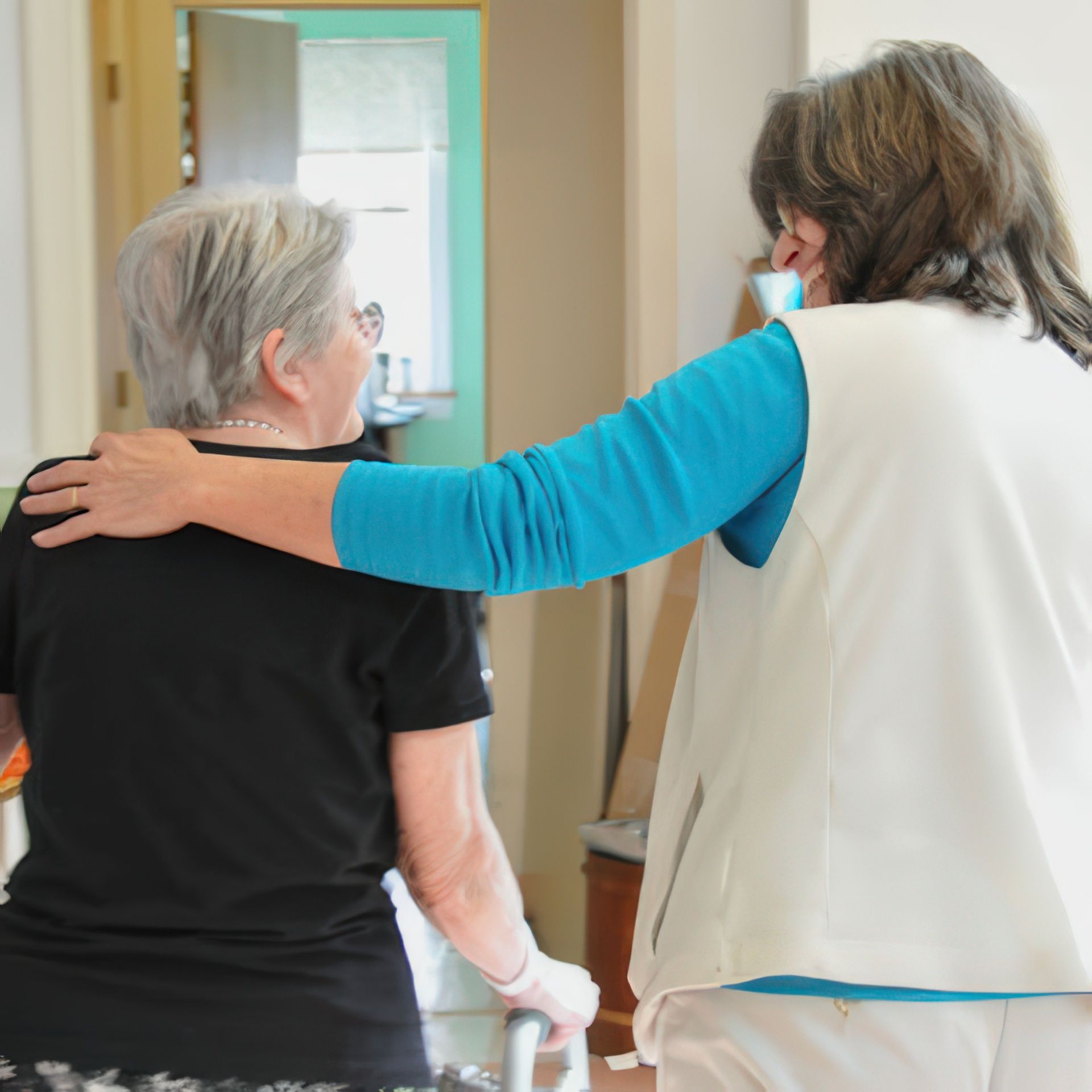
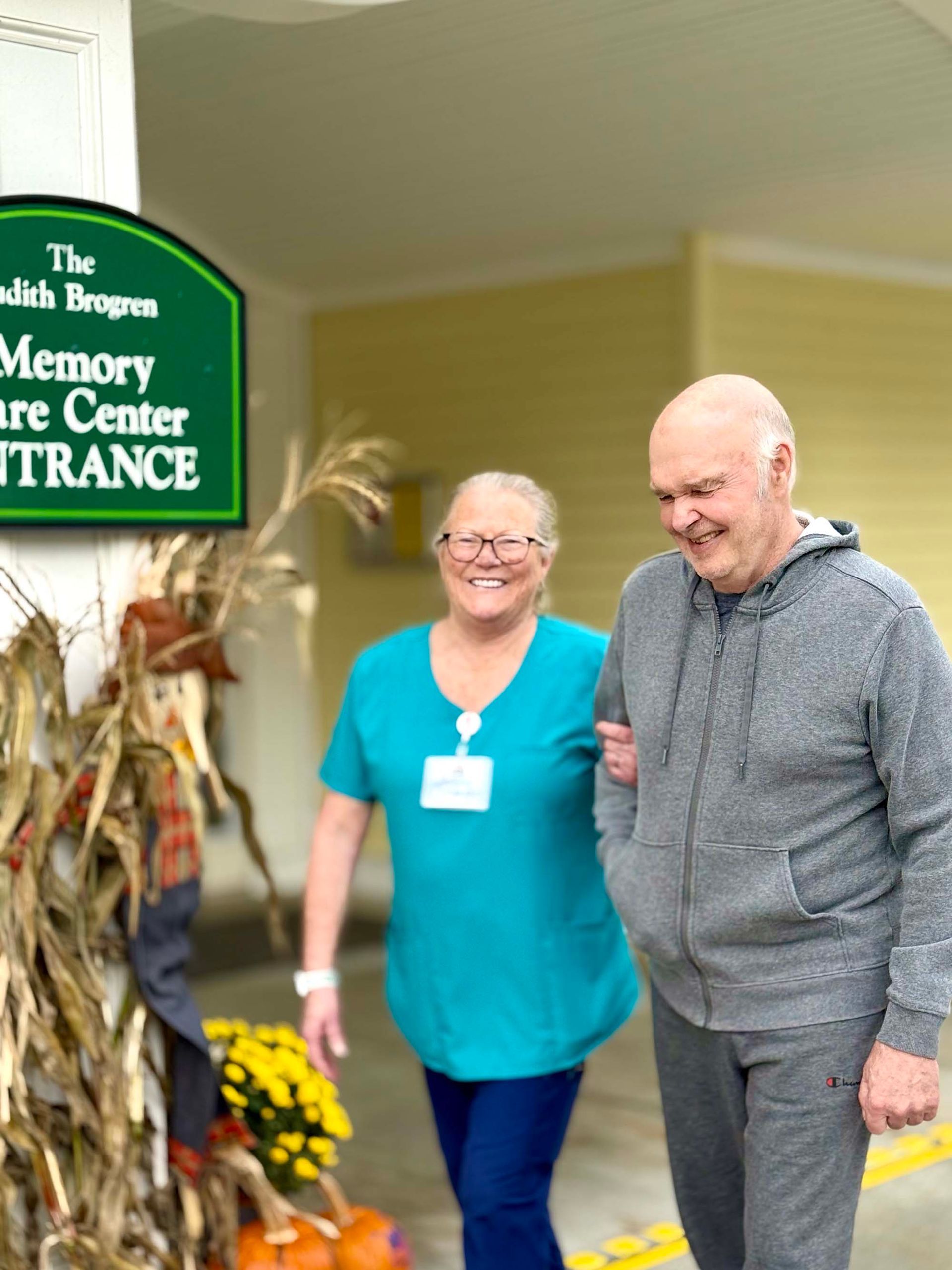
An RA might help a resident select an outfit for the morning, assist with grooming, or provide a steady arm while walking to the dining room. The transition out of a private home can sometimes cause older adults to feel a loss of independence. RAs are trained to mitigate this by encouraging individuals to do as much for themselves as they safely can. This delicate balance of assistance and autonomy preserves personal pride.
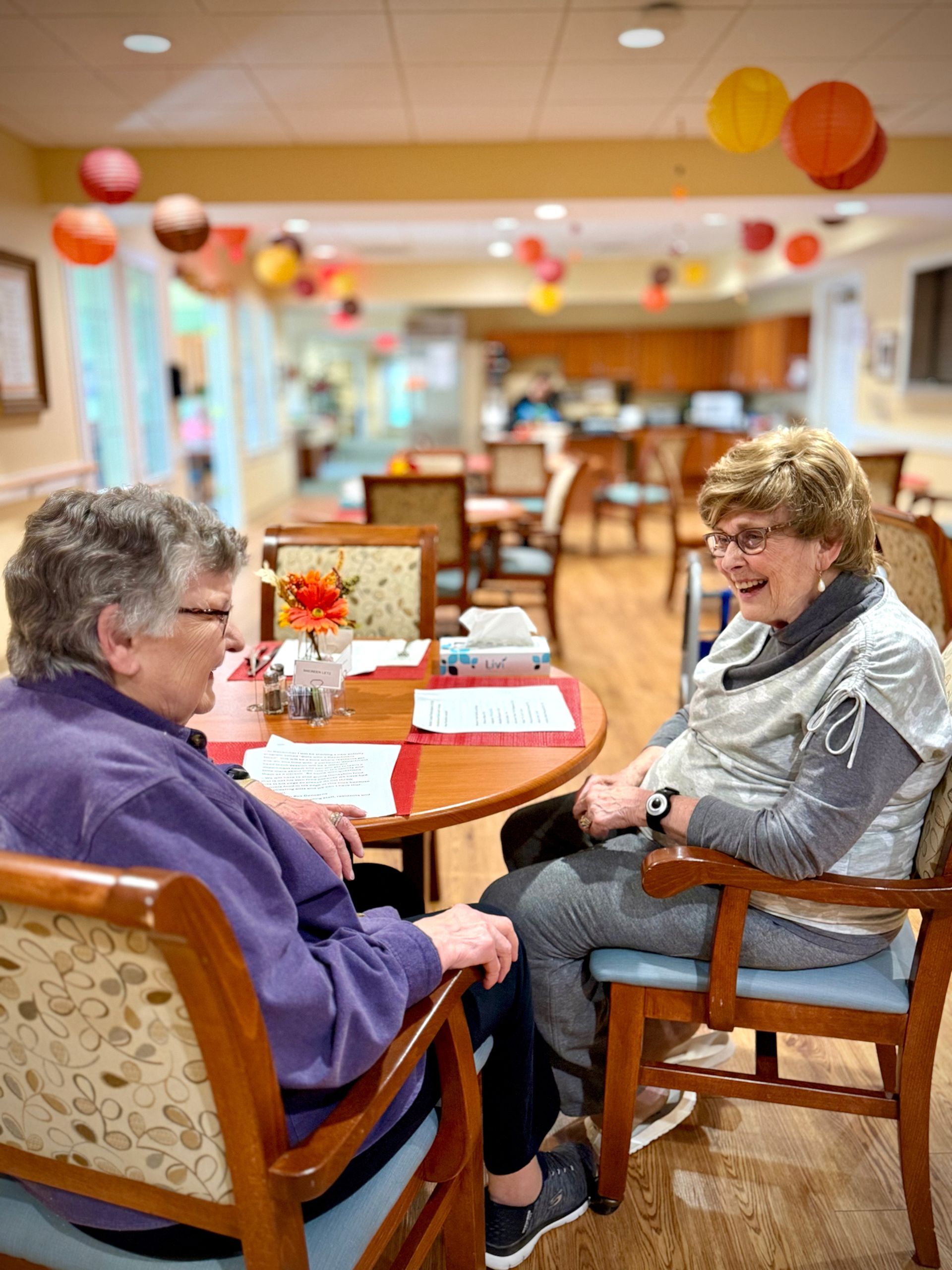
Beyond physical assistance, Resident Assistants serve as daily companions. They share conversations over morning coffee, offer encouragement during challenging days, and build deep, trusting relationships with the individuals they support. Because they spend significant time interacting with residents one-on-one, they are often the first to notice subtle changes in mood or energy levels.

Clinical Expertise and Hands-On Care: Licensed Nursing Assistants (LNAs)
While Resident Assistants focus on general daily living, Licensed Nursing Assistants (LNAs) bring specific clinical training to their caregiving. To become an LNA, an individual must complete state-approved education programs and pass a certification exam. This training equips them to handle more complex physical and medical needs safely.
LNAs are responsible for monitoring vital signs, such as blood pressure and temperature, and accurately recording this health data for the nursing staff. They are trained in safe transfer techniques, meaning they know how to properly assist someone moving from a bed to a wheelchair without causing injury to the resident or themselves.
Families reviewing an LNA job description will find that these professionals are trained to identify the early physical signs of illness or skin breakdown. Because they assist with bathing and dressing, they are usually the first to notice a new bruise or swelling. By catching these minor issues early and reporting them to the nursing staff, LNAs help prevent serious medical complications.
Safe Medication Management: Medication Technicians (Med Techs)
Managing multiple prescriptions is a significant source of stress for families caring for an aging parent at home. In a supportive community, this responsibility is handled by Medication Technicians, commonly referred to as Med Techs. These professionals undergo specialized training specifically focused on the safe administration of prescription drugs.
A Med Tech ensures the right person receives the correct dosage of their prescribed medication at the precise time ordered by their doctor. They maintain meticulous records of every pill dispensed and closely monitor individuals for any adverse side effects or allergic reactions. Beyond simply handing out pills, Med Techs often serve as the logistical bridge between the community and the local pharmacy, tracking refill dates and ensuring medications are delivered on time.
If a resident refuses a medication or experiences a sudden change in health after taking a new prescription, the Med Tech immediately alerts the nursing staff. Their dedicated focus on pharmacy management removes a massive burden from adult children, ensuring medical regimens are followed safely and accurately.

Fostering Joy and Connection: The Activities Team
Physical health is only one aspect of a fulfilling life. The activities team is responsible for nurturing the social, cognitive, and emotional well-being of the community. This team typically includes an Activities Director who designs the monthly calendar and Activity Assistants who lead the daily events.
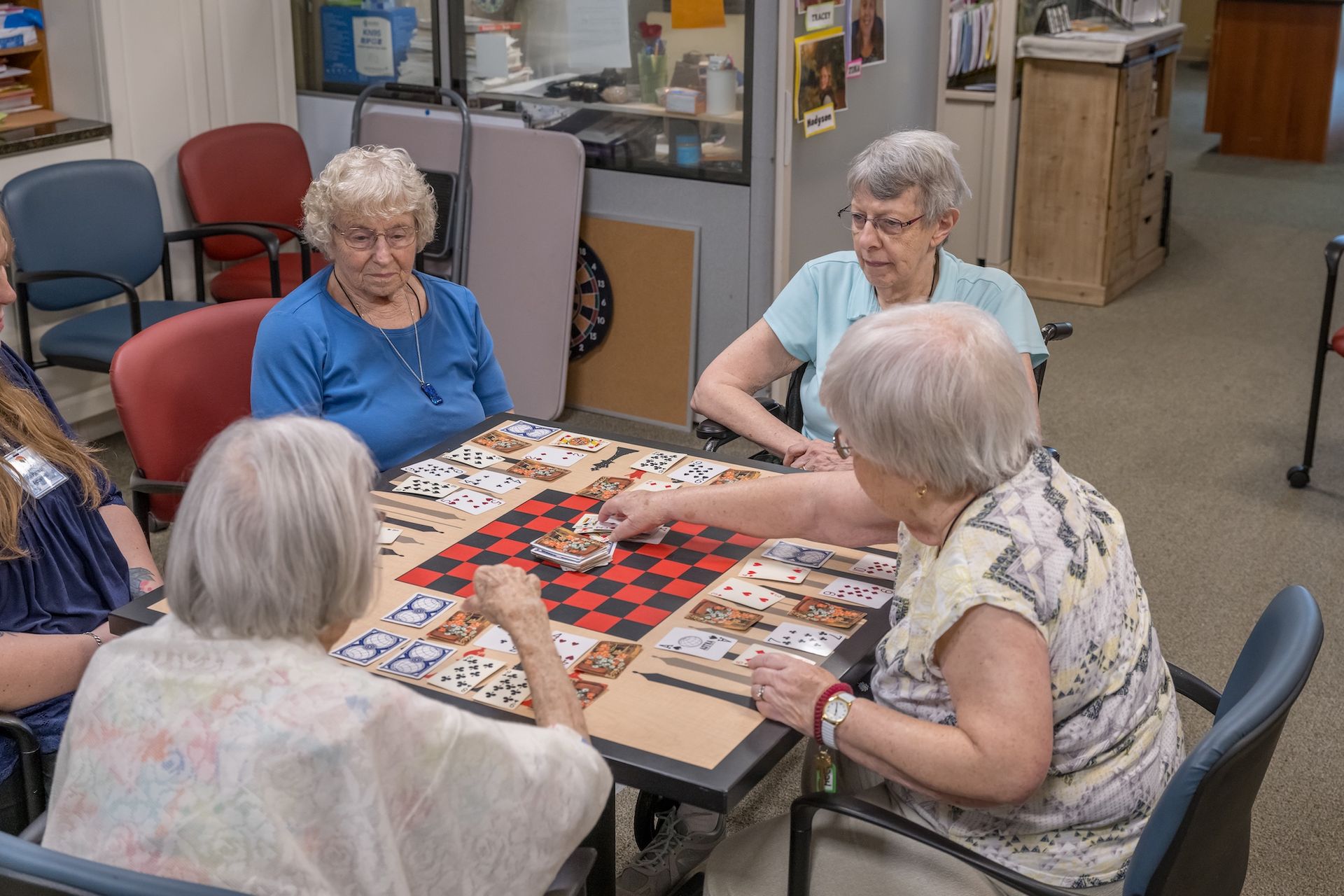
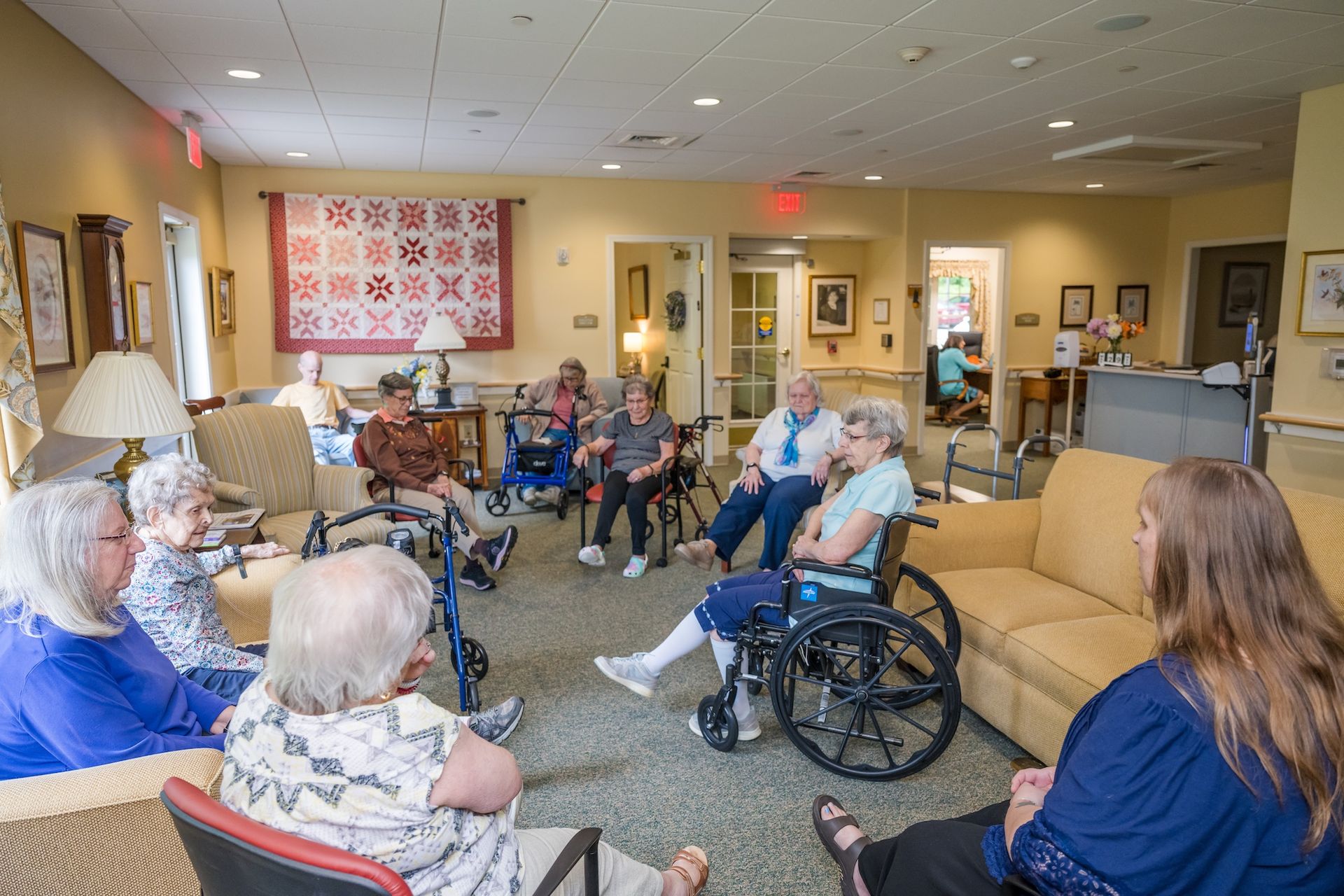
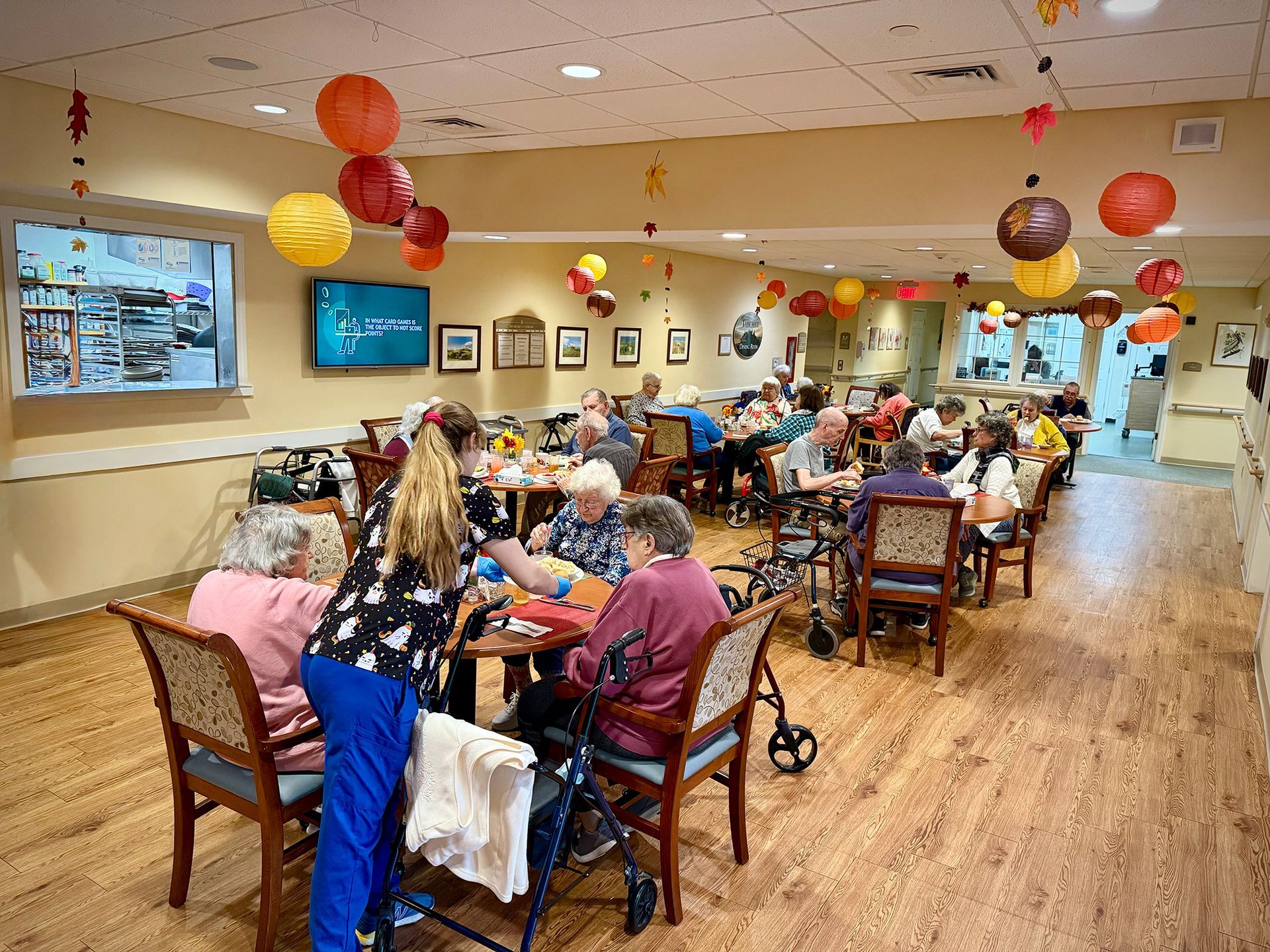
These professionals organize everything from morning exercise classes and memory-stimulating games to live music performances and local outings. Structured activities are a critical component of cognitive preservation. For individuals experiencing early memory loss, routine engagement with music, art, and trivia helps stimulate neural pathways and reduce anxiety.
Reviewing the activities at assisted living calendar reveals the sheer variety of programming designed to prevent isolation. The activities team encourages participation, adapts games for varying mobility levels, and ensures every individual has opportunities for meaningful connection and joy throughout their day.
Nursing Leadership: Overseeing Senior Care Staff Roles
Behind every great caregiving team is strong clinical leadership. Registered Nurses (RNs) and Licensed Practical Nurses (LPNs) oversee the entire spectrum of senior care staff roles. They are responsible for conducting initial health assessments, creating personalized care plans, and managing complex medical conditions.
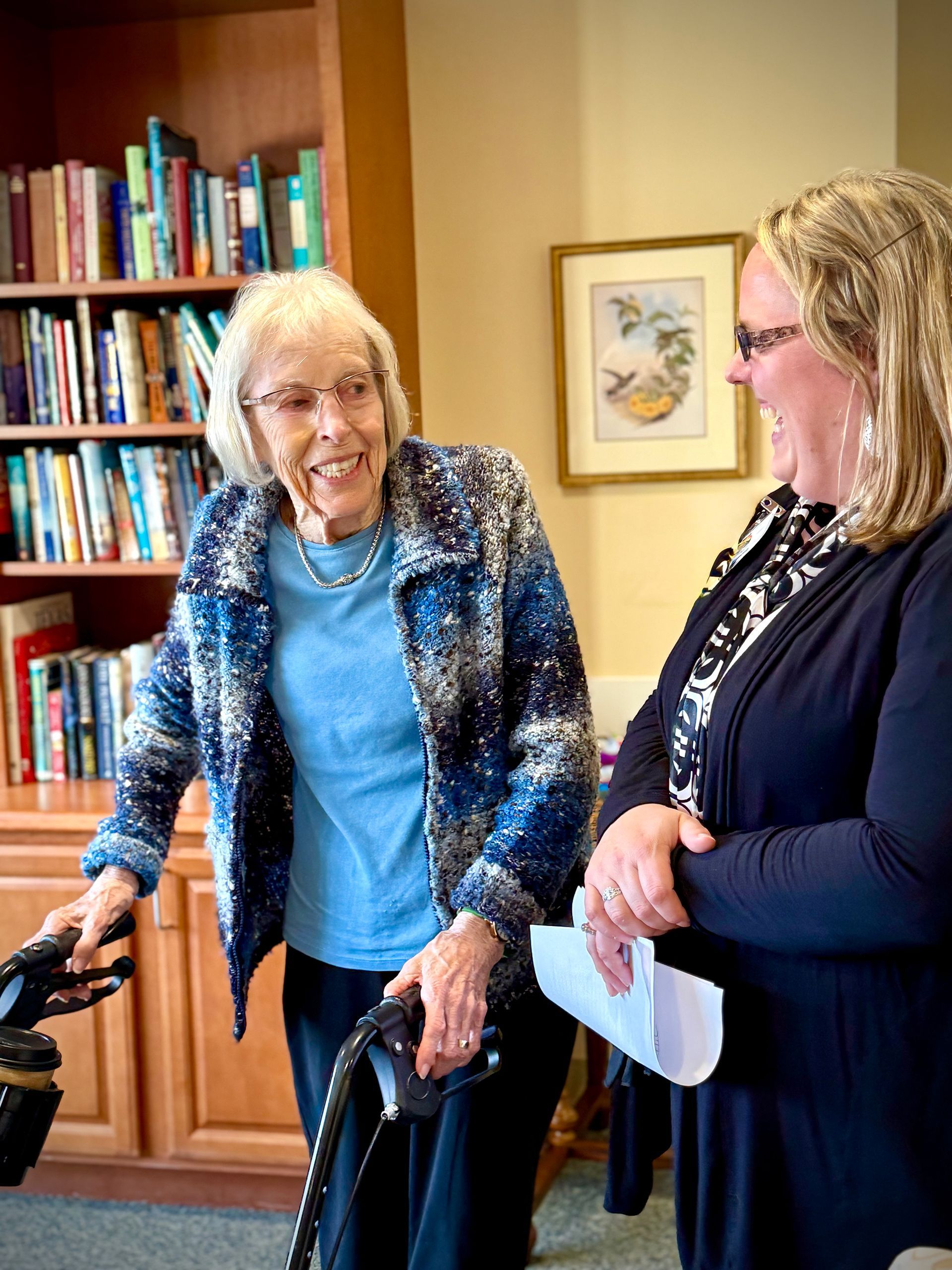
Nurses serve as the primary point of contact between the community and external doctors. They coordinate specialized treatments, manage wound care, and adjust care plans as a resident's health needs evolve. Nurses are also the primary educators for the family, translating complex medical jargon into understandable language to ensure the entire family is aligned on the goals of care.
For individuals requiring advanced clinical support, exploring medical care skilled nursing provides a clearer picture of how these licensed nurses operate. Their presence ensures that any medical emergency is handled with professional expertise, offering the ultimate safety net for residents and their families.

Frequently Asked Questions
How do caregivers communicate changes in health to families?
Communication protocols vary by organization, but standard practice involves designated clinical leaders, such as a nurse or care coordinator, acting as the primary point of contact. If a Resident Assistant or LNA notices a change in an individual's behavior or physical health, they report it directly to the nursing staff.
The nursing staff evaluates the situation and contacts the designated family member to provide a clear, factual update. Families are typically notified immediately regarding falls, sudden illness, or changes in medication, while more gradual changes in mobility are discussed during scheduled care plan reviews.
What training is required for someone to become a Medication Technician?
Medication Technicians are required to complete state-approved certification programs focused strictly on pharmacology basics, medication administration, and safety protocols. This training is highly specialized and goes beyond the scope of general caregiving.
During their training, individuals learn how to properly store medications, recognize common side effects, and adhere to strict documentation standards. They must pass written and practical exams to earn their certification, ensuring they are fully qualified to manage complex daily prescription routines safely.
Do residents see the same caregivers every day?
Most supportive communities strive for consistent staffing assignments whenever possible. Having the same Licensed Nursing Assistants and Resident Assistants assigned to specific neighborhoods allows caregivers to build strong, trusting relationships with the people they support.
Consistent assignments also improve the quality of care. When a caregiver knows an individual's normal habits, preferences, and baseline health, they are much faster at noticing subtle changes that might indicate a developing medical issue. While shift changes and days off mean multiple staff members will provide care, the core team remains familiar
How does the care team handle resistance to daily hygiene routines?
It is very common for individuals, particularly those experiencing cognitive changes, to resist assistance with bathing or dressing. Professional caregivers are trained to approach these situations with patience, empathy, and specialized de-escalation techniques.
Instead of forcing a routine, staff might try changing the time of day the assistance is offered or adjusting the environment to make it warmer and more comfortable. They focus on maintaining the individual's dignity, often turning the task into a casual conversation to distract from the anxiety of receiving physical help.
What is the difference between a registered nurse and a licensed nursing assistant?
A Registered Nurse (RN) holds an advanced degree in nursing and is licensed to manage complex medical care. They perform clinical assessments, coordinate with physicians, create overarching care plans, and handle advanced medical procedures.
A Licensed Nursing Assistant (LNA) provides direct, hands-on physical support under the supervision of a nurse. While they are certified to monitor vital signs and assist with mobility, they do not diagnose conditions, alter care plans, or perform complex medical treatments. They act as the eyes and ears of the RN, providing the daily physical support required for safe living.
Conclusion
Transitioning a parent into a supportive environment requires a tremendous leap of faith. However, learning the distinct senior care staff roles transforms a building full of strangers into a structured, highly capable team of professionals. From the daily companionship of Resident Assistants to the clinical oversight of licensed nurses, every role is carefully designed to support a specific aspect of an individual's well-being. By understanding exactly who is providing care, adult children can step back from the exhausting duties of medical management and return to their most important role as loving family members.
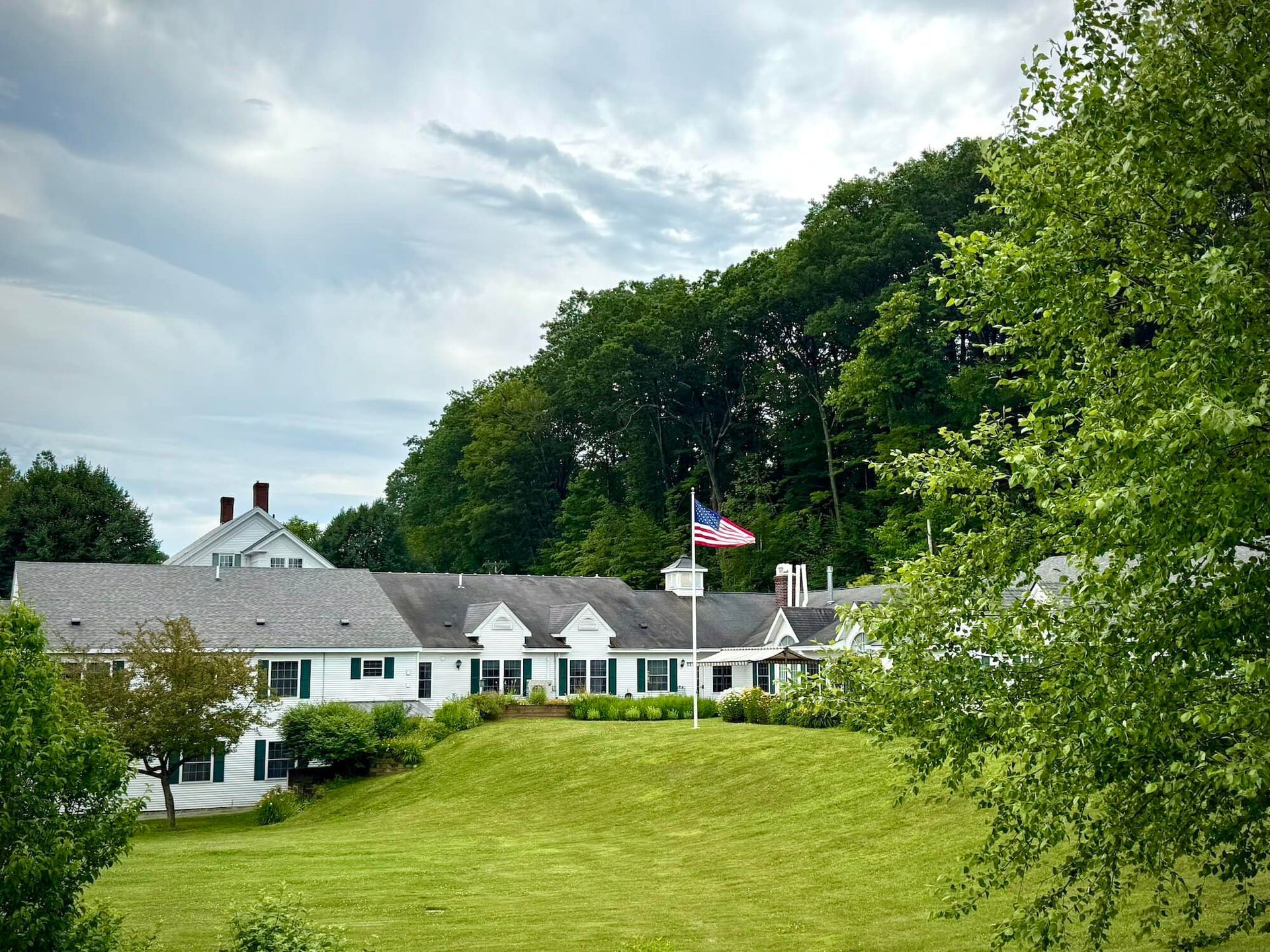
Cedar Hill Continuing Care Community serves as an educational resource and provider of comprehensive senior living options in Windsor, Vermont. Offering a full continuum of support, including independent living, assisted living, memory care, and skilled nursing, the community is dedicated to providing personalized, dignified care. Families seeking more guidance on care planning, staff qualifications, and finding the right supportive environment can explore more resources at https://www.cedarhillccc.com/.