
Making care decisions for an aging loved one is one of the most challenging responsibilities families face. If you're reading this, you may be wondering whether assisted living is still meeting your family member's needs, or if it's time to consider a higher level of medical care. This article will help you understand what skilled nursing care is, recognize the signs that it may be necessary, and guide you through the decision-making process with clarity and compassion.
Recognizing the need for skilled nursing is not a failure. It's a thoughtful response to changing health conditions and an important step in ensuring safety, dignity, and quality of life.
What Is Skilled Nursing Care?
Skilled nursing care refers to medical services that must be provided or supervised by licensed nurses or therapists. These services go beyond assistance with daily activities and include wound care for pressure sores, surgical sites, or diabetic ulcers; intravenous (IV) therapy for medications, hydration, or nutrition; respiratory care including oxygen management or ventilator support; rehabilitation therapies such as physical, occupational, or speech therapy after illness or injury; complex medication management involving multiple prescriptions with strict timing or monitoring; and monitoring of chronic conditions like congestive heart failure, COPD, or kidney disease.
How Skilled Nursing Differs from Assisted Living
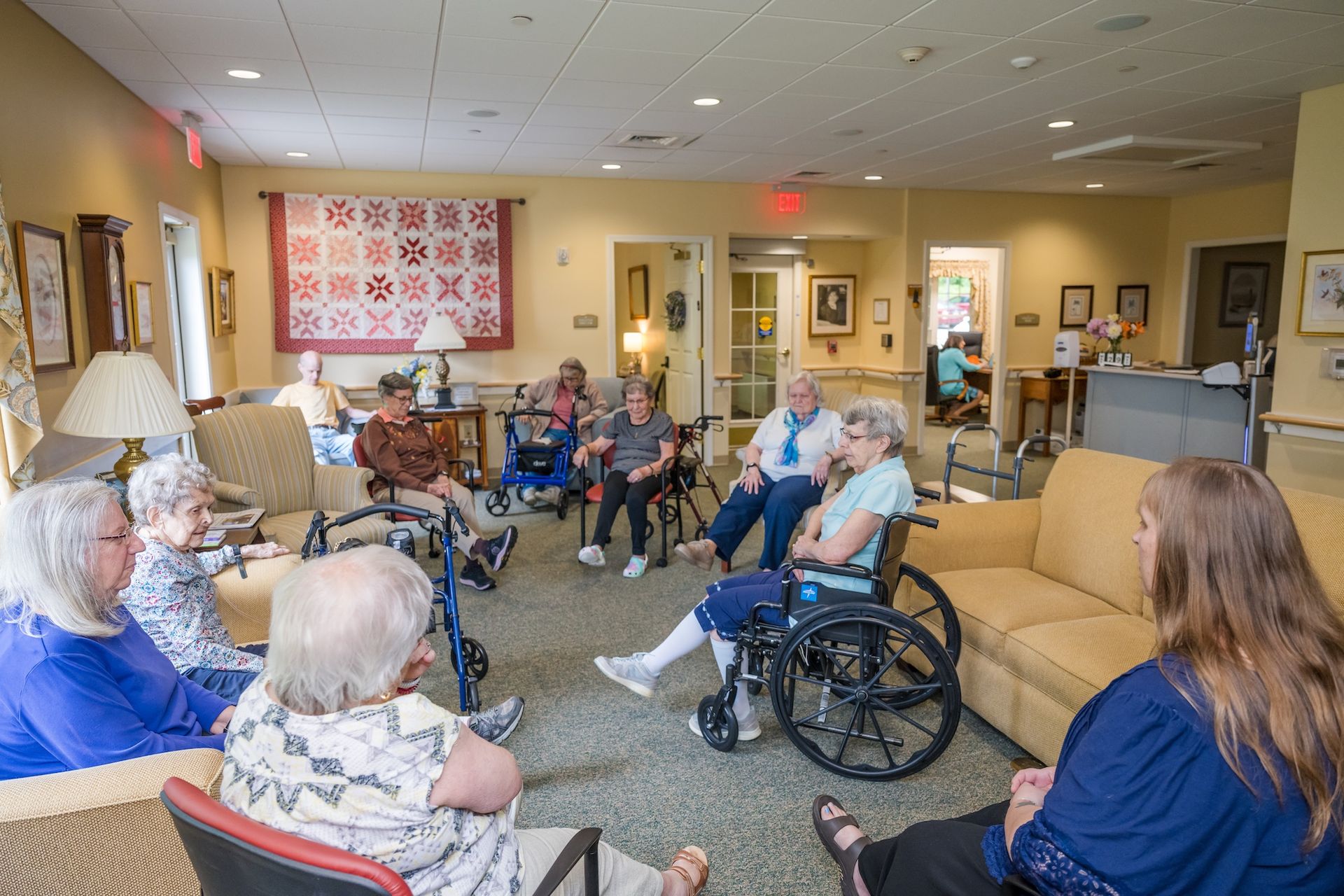
Assisted living communities provide help with personal care tasks like bathing, dressing, medication reminders, meals, and social activities. They support independence while offering assistance as needed.
Skilled nursing facilities (SNFs), on the other hand, are equipped to deliver medical care around the clock. Medical staffing is a key difference: SNFs have registered nurses (RNs) and licensed practical nurses (LPNs) on duty 24/7, along with access to physicians, therapists, and specialists. The level of oversight is more intensive, as residents receive clinical assessments, individualized care plans, and ongoing medical monitoring. The scope of services is also broader: SNFs can manage acute and chronic medical conditions that require professional intervention beyond what family caregivers or assisted living staff can safely provide.
If medical needs have increased to the point where nursing expertise is required daily (not just during occasional visits), skilled nursing may be the appropriate care setting.

Common Indicators for Skilled Nursing Admission
While every situation is unique, certain patterns often signal that skilled nursing care has become necessary. Consider whether any of the following apply to your loved one's current situation.
1. Ongoing Medical Treatments or Monitoring
Conditions requiring regular clinical attention (such as wound dressings, catheter care, feeding tube management, or blood sugar monitoring) may exceed the capabilities of assisted living or home care. When medical interventions need to happen multiple times throughout the day and require professional nursing judgment, skilled nursing becomes essential. These treatments aren't just about following procedures; they require assessment, adjustment, and professional decision-making that only licensed nurses can provide.
2. Frequent Hospitalizations or Emergency Room Visits
If hospital readmissions are occurring regularly due to falls, infections, dehydration, or medication errors, it may indicate that current care arrangements are insufficient to manage medical needs safely. Each hospitalization is disruptive, stressful, and potentially dangerous for older adults. When a pattern emerges, it often signals that more intensive monitoring and medical support is needed to prevent these crises from happening in the first place.
3. Severe Mobility Limitations or Fall Risk
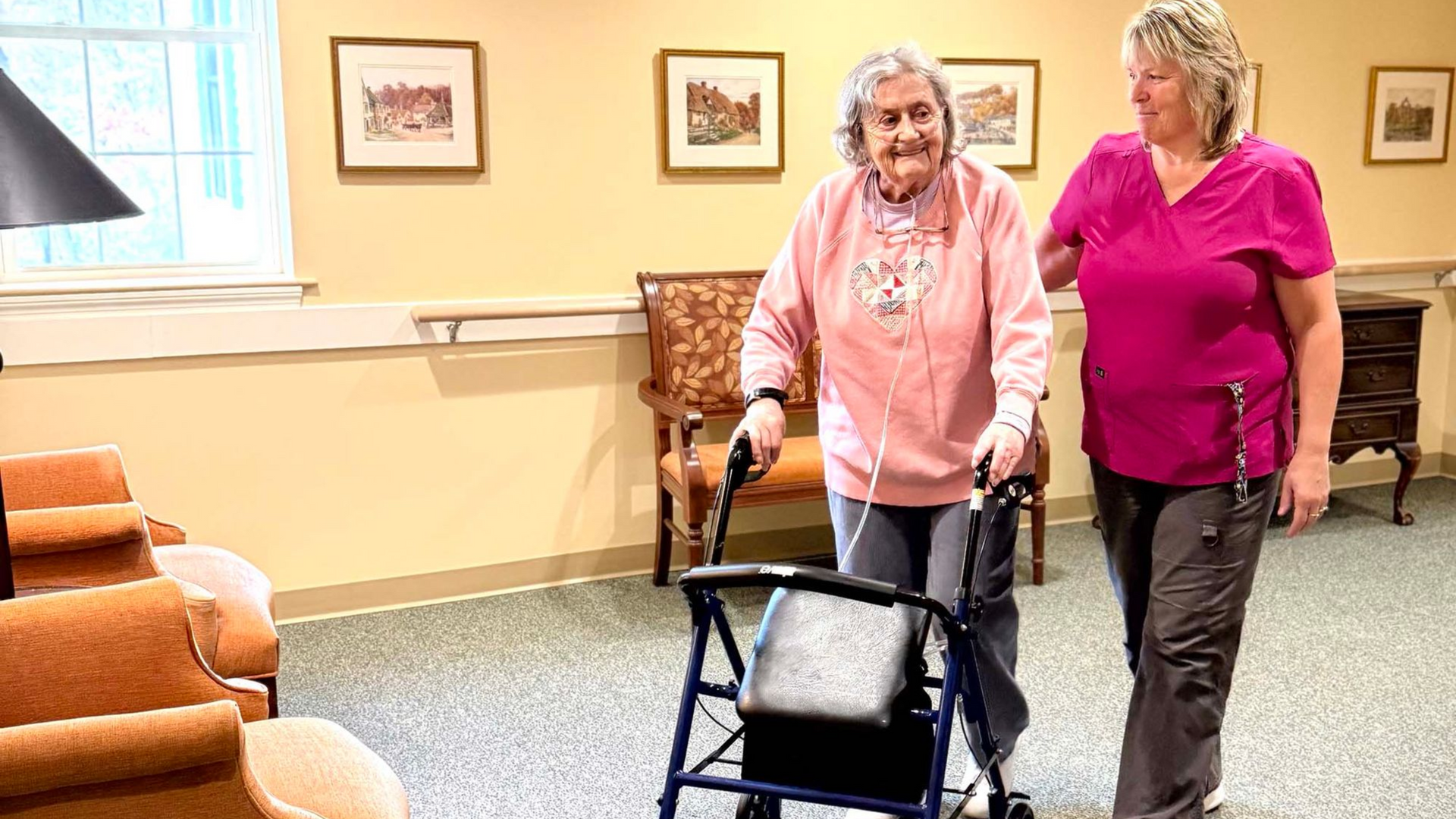
Individuals who can no longer stand, transfer, or walk without significant assistance, or who experience repeated falls despite interventions, may require the lifting equipment, staff training, and fall prevention protocols available in skilled nursing settings. Falls represent one of the most serious risks for older adults, potentially leading to fractures, head injuries, and rapid decline. When mobility becomes severely limited, the physical demands of providing safe care often exceed what families or assisted living communities can manage.
4. Complex Medication Regimens
Managing multiple medications with different schedules, potential interactions, or side effects can become overwhelming. If medication errors are occurring or close supervision is needed to ensure compliance, skilled nursing may be appropriate. Many older adults take ten or more medications daily, each with specific timing requirements and potential side effects that need monitoring. Skilled nursing facilities have systems in place to manage these complex regimens safely, reducing the risk of dangerous interactions or missed doses.
5. Advanced Cognitive Decline Requiring 24/7 Supervision
Dementia or Alzheimer's disease can progress to a stage where constant monitoring is necessary to prevent wandering, self-harm, or inability to recognize danger. Specialized memory care within skilled nursing may provide the structure and safety needed. As cognitive decline advances, individuals may forget to eat, become confused about their surroundings, or engage in behaviors that put themselves or others at risk. The secure environment and specialized staff training in skilled nursing facilities can provide both safety and quality of life.
6. Chronic Pain or Terminal Illness
Conditions requiring palliative care or end-of-life symptom management (such as cancer, advanced heart disease, or progressive neurological disorders) often benefit from the coordinated medical team and comfort-focused protocols in skilled nursing facilities. Managing complex symptoms, adjusting pain medications, and providing emotional support during this challenging time requires professional expertise that skilled nursing can provide around the clock.
7. Loss of Ability to Perform Activities of Daily Living (ADLs)
When a person can no longer eat, bathe, dress, toilet, or move independently, and requires hands-on assistance from trained staff multiple times a day, the level of physical care may surpass what assisted living can reasonably provide. Activities of Daily Living (ADLs) are the basic self-care tasks that most people take for granted. When multiple ADLs become impossible without help, it indicates a level of dependency that requires professional nursing care.
8. Caregiver Burnout or Safety Concerns
Family members and even professional caregivers can become physically and emotionally exhausted. If caregiving responsibilities are compromising the health or safety of either the caregiver or the care recipient, it's time to consider a more intensive care environment. Caregiving for someone with complex medical needs can be a 24-hour responsibility that leads to sleep deprivation, physical injury from lifting, and emotional stress. Recognizing when caregiving has become unsustainable is not a sign of weakness, but rather an important acknowledgment of human limitations.

Emotional and Practical Considerations
Deciding to pursue skilled nursing care is rarely easy. Many families struggle with feelings of guilt, worry about loss of independence, or fear that moving a loved one signals giving up. These emotions are normal and valid, and acknowledging them is an important part of the decision-making process.
Acknowledging the Emotional Weight
Transitioning to skilled nursing can feel like a loss of autonomy, familiar surroundings, or control over daily life. For the person receiving care, it may bring concerns about identity and dignity. For family members, it may trigger guilt or grief. These feelings are a natural response to significant change and don't mean you're making the wrong decision.
It's important to recognize that these feelings don't mean the decision is wrong. In fact, they reflect the deep care and responsibility you feel. You're grappling with complex emotions because you genuinely care about your loved one's wellbeing and want to honor their dignity while ensuring their safety.
Reframing the Decision
Rather than viewing skilled nursing as a last resort, consider it as a proactive step to prevent medical crises. When you recognize that medical needs have exceeded your current resources, moving to skilled nursing prevents emergency situations and allows for planned, dignified transitions. It's a way to ensure safety when risks have become unmanageable, providing peace of mind that trained professionals are monitoring your loved one's condition.
Skilled nursing also provides access to expertise that improves quality of life. Physical therapists can work on maintaining mobility, occupational therapists can help preserve independence in daily tasks, and social workers can provide emotional support. Additionally, it offers relief for family caregivers so they can focus on emotional connection rather than medical tasks, allowing visits to center on companionship, conversation, and meaningful time together.
Choosing skilled nursing when it's truly needed is an act of love and responsible care planning, not abandonment. You're ensuring your loved one receives the professional medical attention they need while preserving your own health and ability to remain present as a family member rather than exhausted caregiver.
Steps to Evaluate the Need
If you're uncertain whether skilled nursing is the right choice, a structured evaluation can provide clarity and help you make an informed decision based on objective information rather than emotion alone.
1. Consult with Healthcare Professionals
Schedule a comprehensive assessment with your loved one's physician, geriatrician, or care team. Ask specific questions: What medical needs are currently being met, and which are not? Is the current care setting safe given the level of medical complexity? What level of nursing intervention is recommended? Healthcare providers can offer objective assessments based on medical criteria and help you understand what level of care is truly necessary.
2. Assess Activities of Daily Living (ADLs)
Use a checklist to evaluate independence in six core areas: bathing, dressing, eating, toileting, transferring (moving from bed to chair), and continence. If assistance is needed in three or more areas, skilled nursing may be appropriate. This assessment provides concrete data about functional abilities and care needs, helping remove some of the emotional uncertainty from the decision.
3. Evaluate Home Safety and Caregiver Capacity
Consider whether there are safety hazards that cannot be modified (stairs, narrow doorways, lack of grab bars). Ask yourself if the primary caregiver is experiencing physical strain, sleep deprivation, or health decline. Determine whether professional home health services are adequate, or if gaps in care are emerging. Sometimes the physical environment or caregiver resources simply cannot be adapted enough to provide safe care, and recognizing these limitations is important.
4. Seek a Professional Care Assessment
Geriatric care managers, social workers, or discharge planners can conduct objective assessments and provide recommendations based on medical, functional, and psychosocial factors. These professionals have extensive experience evaluating care needs and can offer perspective that family members, who are emotionally invested, may not be able to see clearly.
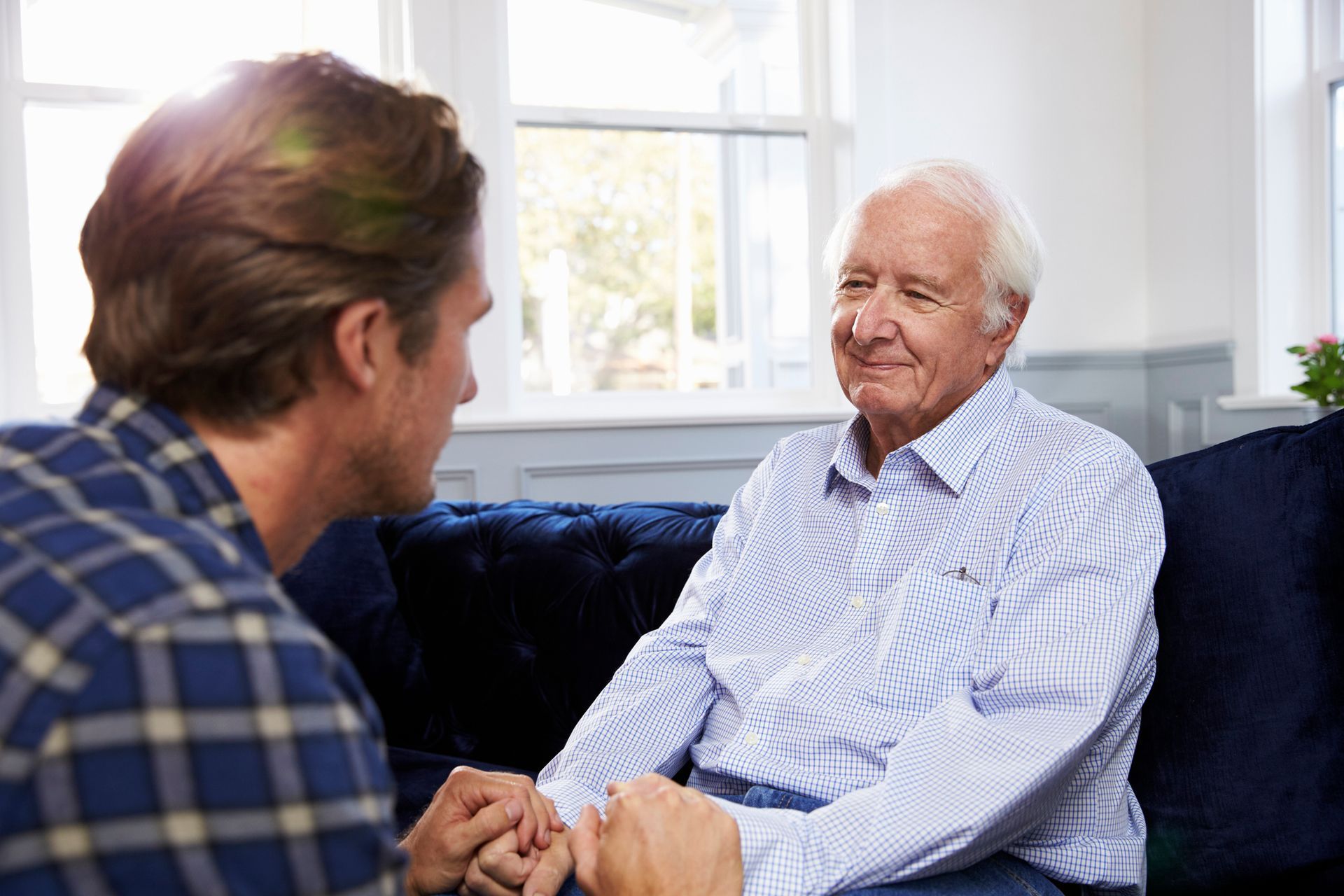
5. Include the Care Recipient in the Conversation
Whenever possible, involve your loved one in discussions about their care preferences, concerns, and goals. Respecting their voice (even when difficult decisions must be made) honors their dignity. They may have fears or preferences that can be addressed, and involving them in the decision helps maintain their sense of autonomy and control during a challenging transition.

What to Expect in a Skilled Nursing Facility
Understanding what skilled nursing facilities offer can ease anxiety about the transition and help you know what to look for when evaluating options.
Comprehensive Care Services
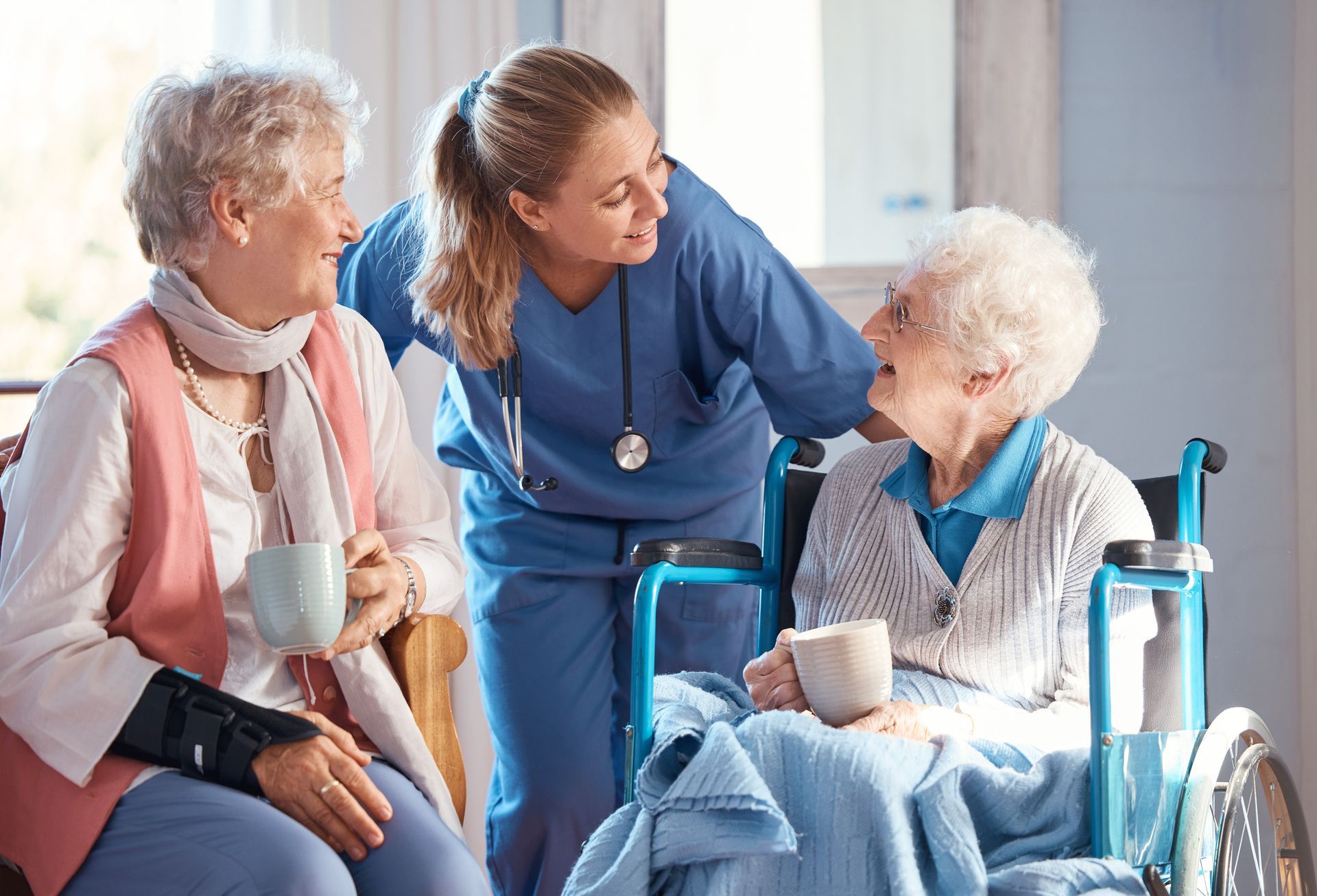
Most skilled nursing facilities provide 24-hour nursing care with RNs and LPNs on staff, ensuring that professional medical oversight is available at all times. Physician oversight includes regular visits and on-call availability for urgent medical decisions. Rehabilitation therapies (physical, occupational, speech) work to restore or maintain function, helping residents achieve their highest possible level of independence.
Nutritional support includes specialized diets and assistance with eating for those who need it. Medication management involves precise administration and monitoring to ensure safety and effectiveness. Social and recreational activities support mental and emotional wellbeing, recognizing that quality of life involves more than just medical care. Personal care assistance with bathing, grooming, dressing, and toileting is provided with dignity and respect for privacy.
Individualized Care Plans
Upon admission, a care team will develop a personalized plan based on medical history, current conditions, functional abilities, and personal preferences. These plans are reviewed and updated regularly as needs change. The individualized approach means that care is tailored to each person rather than following a one-size-fits-all model.
Team-Based Approach
Skilled nursing involves collaboration among nurses, doctors, therapists, dietitians, social workers, and activity coordinators. This multidisciplinary approach ensures that physical, emotional, and social needs are addressed holistically. Regular team meetings allow professionals from different disciplines to share observations and coordinate care, resulting in comprehensive support that addresses the whole person.
Quality Varies: Do Your Research
Not all skilled nursing facilities offer the same level of care. When evaluating options, visit multiple facilities to get a sense of the environment and culture. Check state inspection reports and ratings (available online through Medicare.gov) to see how facilities compare on quality measures. Ask about staff-to-resident ratios, as adequate staffing is crucial for quality care. Observe cleanliness, staff interactions, and resident engagement during your visit. Request references from current families who can share their firsthand experiences.
Conclusion and Next Steps
Recognizing when skilled nursing care is needed requires honesty, information, and compassion. The signs discussed in this article are guideposts, not rigid rules. Every person's health journey is different, and the right timing depends on individual circumstances. What matters most is that you're asking the right questions and seeking information to make the best decision for your loved one.
If you're still uncertain, schedule a care conference with medical providers who know your loved one's health history. Request a formal assessment from a geriatric care manager who can provide objective expertise. Speak openly with family members about concerns and observations, as multiple perspectives can reveal patterns you might not see alone. Trust your instincts: if you feel overwhelmed or unsafe managing current care needs, that's meaningful information that should not be ignored.
Remember: Transitioning to skilled nursing is not giving up. It's ensuring that your loved one receives the medical attention and professional support they deserve. It allows families to return to what matters most: being present, offering comfort, and maintaining connection. When you're no longer consumed by the physical and medical demands of caregiving, you can focus on the relationship itself, creating meaningful moments and providing emotional support.
If you're ready to explore skilled nursing options, contact your loved one's physician or hospital discharge planner for medical guidance and facility recommendations. Reach out to a senior care advisor or geriatric care manager for comprehensive support through the transition process. Contact your local Area Agency on Aging for resources and referrals specific to your community.
You don't have to navigate this alone. Support and guidance are available every step of the way, and reaching out for help is a sign of strength and responsible care planning.
Quick Reference Checklist: Is Skilled Nursing Needed?
Use this checklist as a starting point for conversations with healthcare providers:
- Requires daily wound care, IV therapy, or other medical treatments
- Experiences frequent hospital readmissions
- Has severe mobility limitations or repeated falls
- Needs help managing complex medication schedules
- Requires 24/7 supervision due to cognitive decline
- Is receiving palliative or end-of-life care
- Needs assistance with 3+ Activities of Daily Living
- Current caregiver(s) are experiencing burnout or health issues
- Safety risks cannot be managed in current setting
If you checked three or more items, a professional care assessment is strongly recommended. This checklist is not a diagnostic tool, but rather a way to organize your observations and facilitate productive conversations with healthcare professionals who can provide expert guidance.