


As couples age, their health journeys often take different paths. One spouse might remain highly independent, while the other begins to require daily support with medications, mobility, or memory care. For many families, this divergence brings up a deeply emotional question: Will we be forced to live apart? Navigating assisted living for couples with different care needs is a common concern for older adults and their adult children. Spouses naturally fear separation after decades of shared life. Understanding how comprehensive care campuses operate provides clarity and peace of mind. This article explores how couples can remain connected, maintain their relationship, and safely receive the specific support they each require without disruptive moves or living miles apart.

The Challenge of Changing Health Needs in a Marriage
Marriage involves adapting to constant change, but shifts in physical or cognitive health present unique challenges. Often, one spouse gradually assumes the role of primary caregiver. Over time, providing this level of support can become physically and emotionally exhausting. Families begin to notice that the caregiving spouse is neglecting their own health or struggling to manage household responsibilities.
Deciding to seek additional help is difficult. The primary fear is that moving into a supportive environment means the couple will be separated if they do not require the exact same level of medical or daily assistance. Traditional housing models sometimes force couples to choose between staying in an unsafe home environment or living in entirely different locations.
This separation can lead to isolation, depression, and significant logistical stress for adult children trying to visit two separate locations. Recognizing the signs that extra support is necessary is the first step toward finding a solution that prioritizes both safety and togetherness. Families can learn more about these indicators by reviewing resources on when is it time for assisted living. Identifying these needs early allows couples to explore housing models designed specifically to keep families
How a Continuum of Care Keeps Couples Connected
To address the fear of separation, many families look toward a model known as a continuum of care. This approach brings multiple levels of support—such as independent living, assisted living, memory care, and skilled nursing—onto a single shared campus. The primary advantage of this model is proximity. Spouses can live on the exact same grounds, just a short walk from one another, even if their daily routines and medical requirements look completely different.
For example, a wife who is fully active might live in an independent apartment where she cooks her own meals and drives her own car. Her husband, who is navigating the middle stages of dementia, might reside in a specialized, secure memory care center on the same property. Because they share an address, the independent spouse can walk over to share morning coffee, participate in afternoon music programs together and eat dinner alongside her husband every single day.
This proximity eliminates the need for the independent spouse to drive across town in difficult weather to visit. It also removes the emotional burden of distance. They remain an active part of each other's daily lives. Understanding the structure of these communities is vital for long-term planning. For a broader overview of how these different housing types function together, families can read about understanding what a retirement home is. A continuum of care allows couples to age in place, providing the right care at the right time without requiring either spouse to start over in an unfamiliar setting.

Finding the Right Assisted Living for Couples with Different Care Needs
Evaluating assisted living for couples with different care needs requires a close look at how a community actively supports relationships. The physical layout of the campus matters, but the community's philosophy on family connection is equally important. When touring or researching options, families should observe how the staff facilitates interaction between spouses living in different sections of the property.
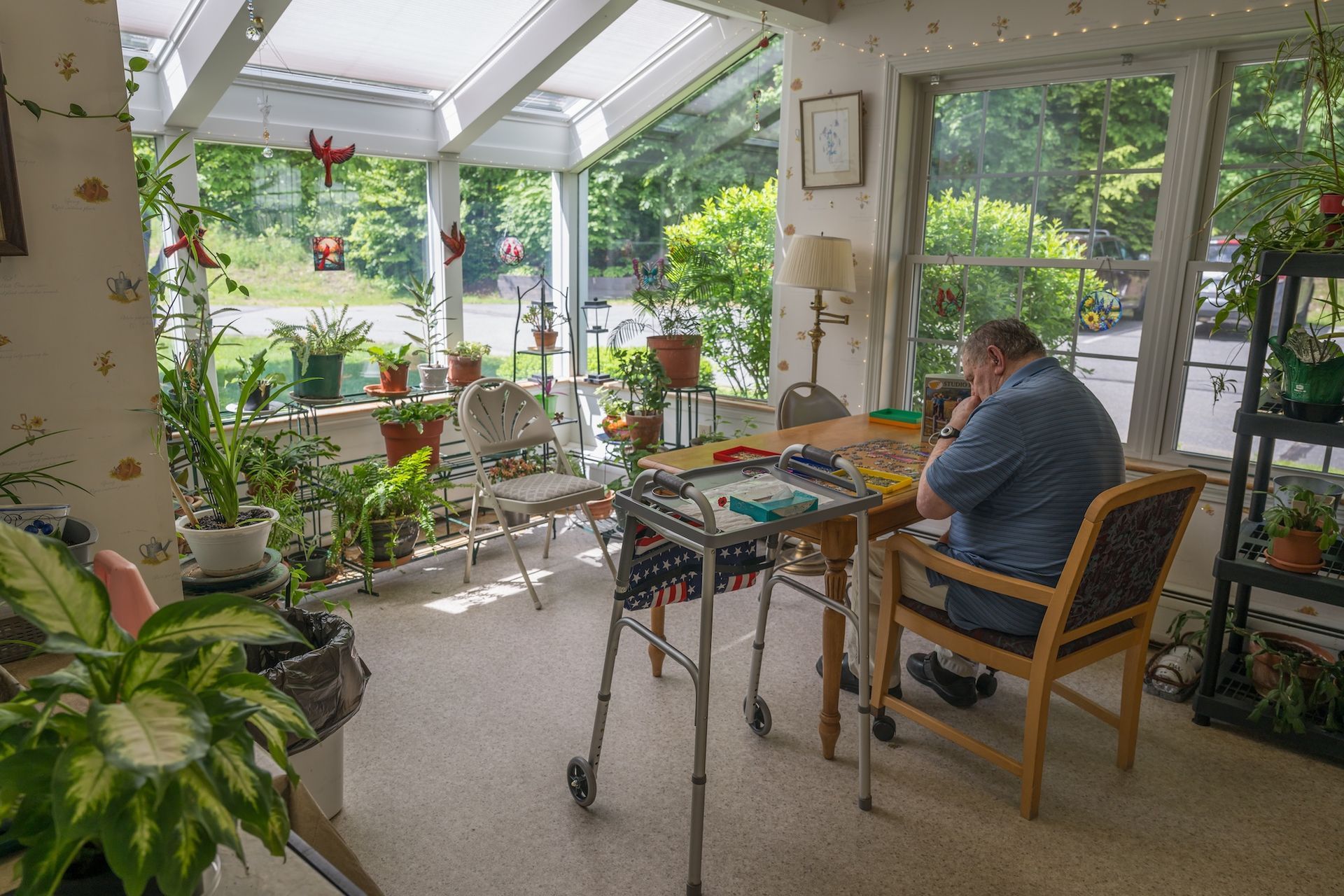
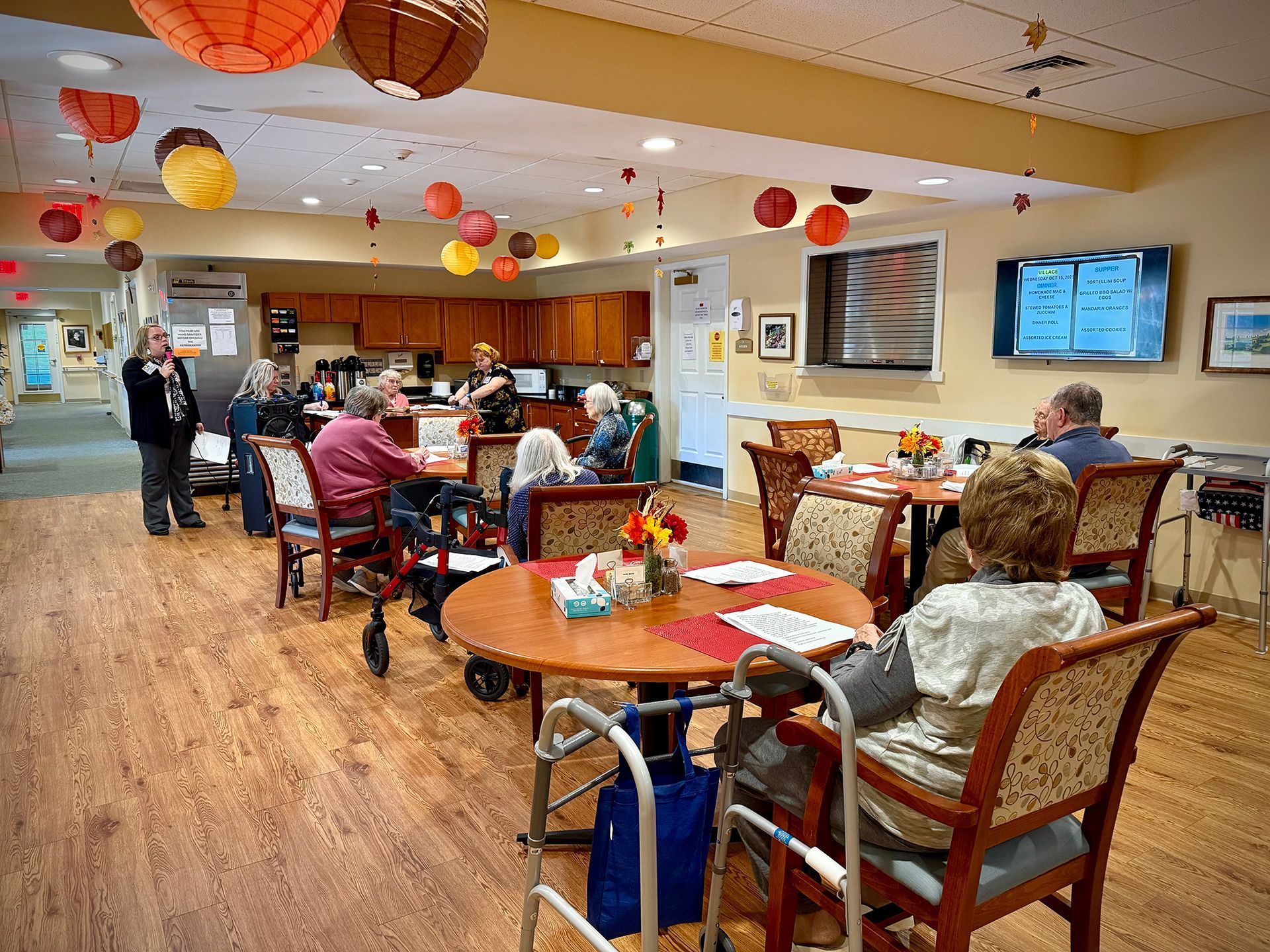
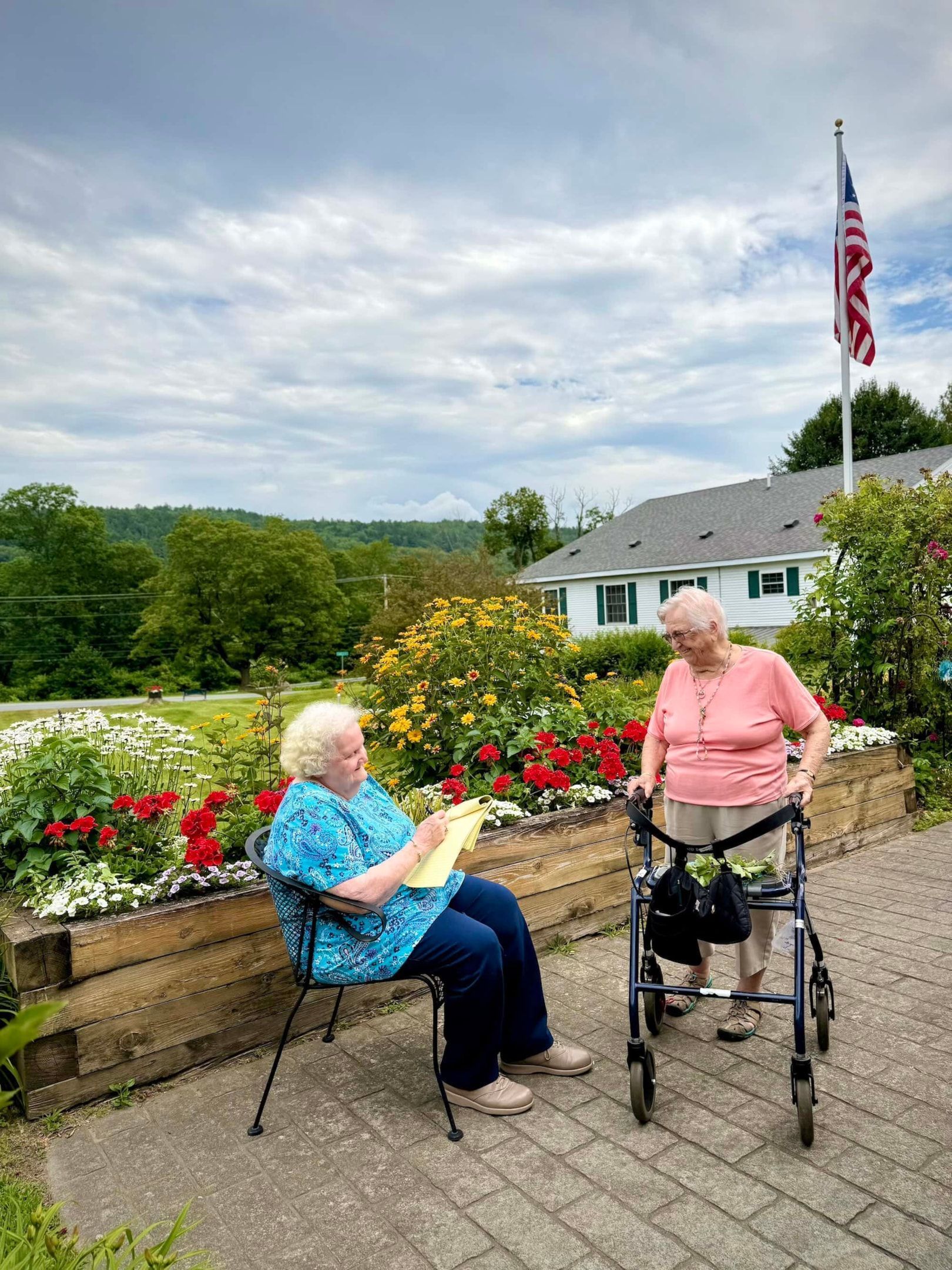
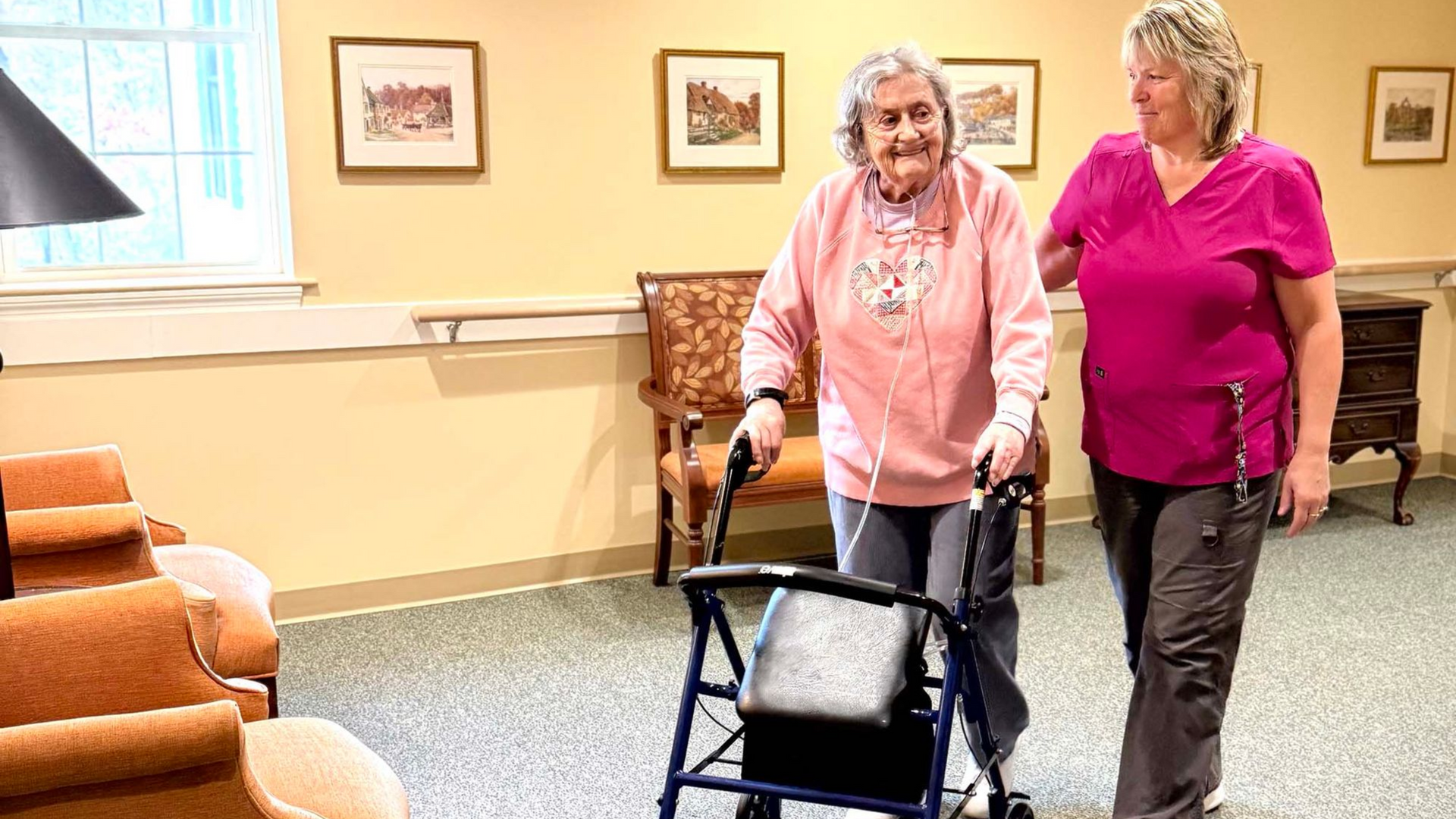
A well-designed campus encourages shared experiences. Many communities centralize their amenities, such as dining rooms, gardens, or recreation areas, making it easy for couples to meet and spend quality time together. Even if one spouse requires mobility assistance from a caregiver to reach the central courtyard, the focus remains on ensuring the couple can enjoy the sunshine and conversation together.
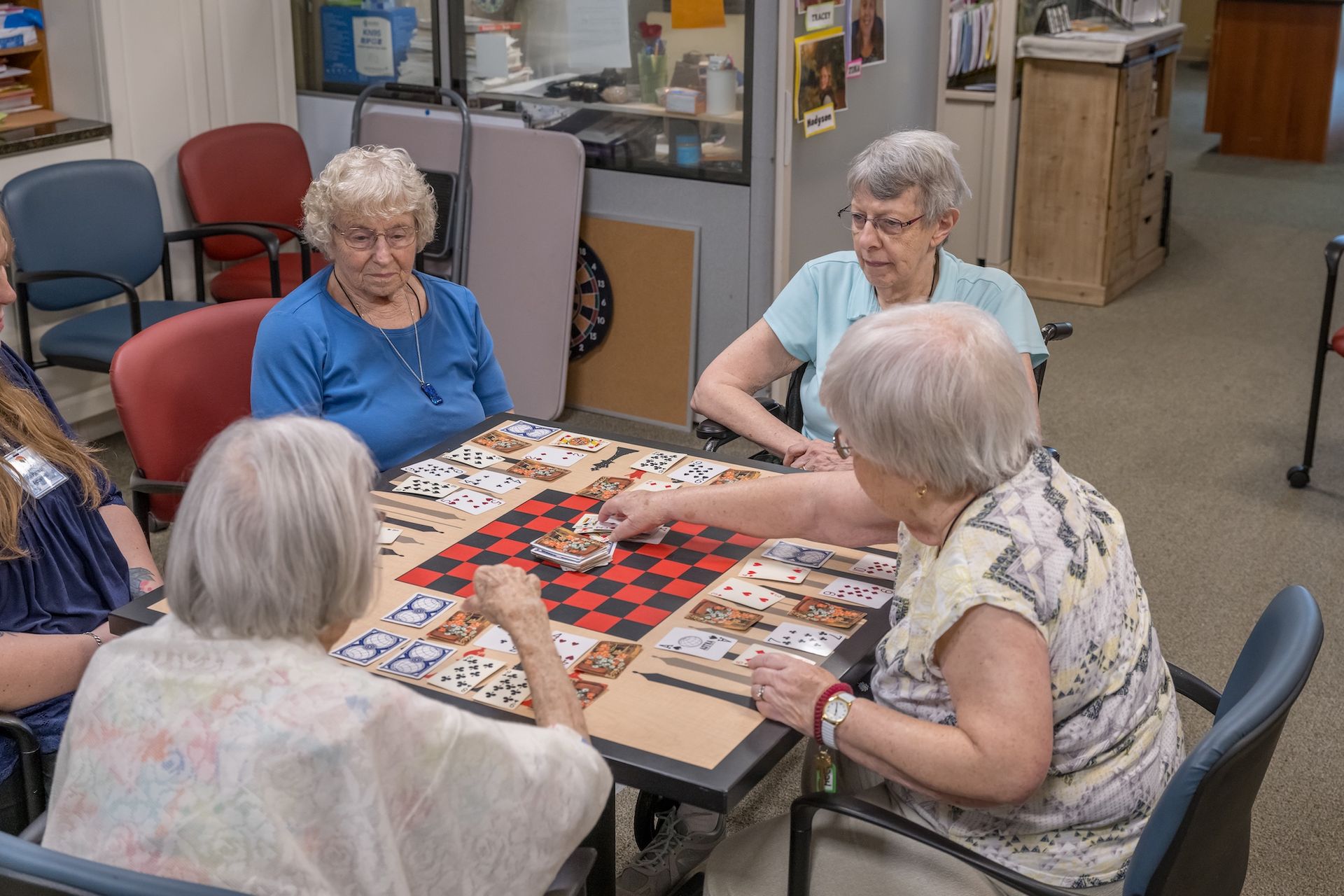
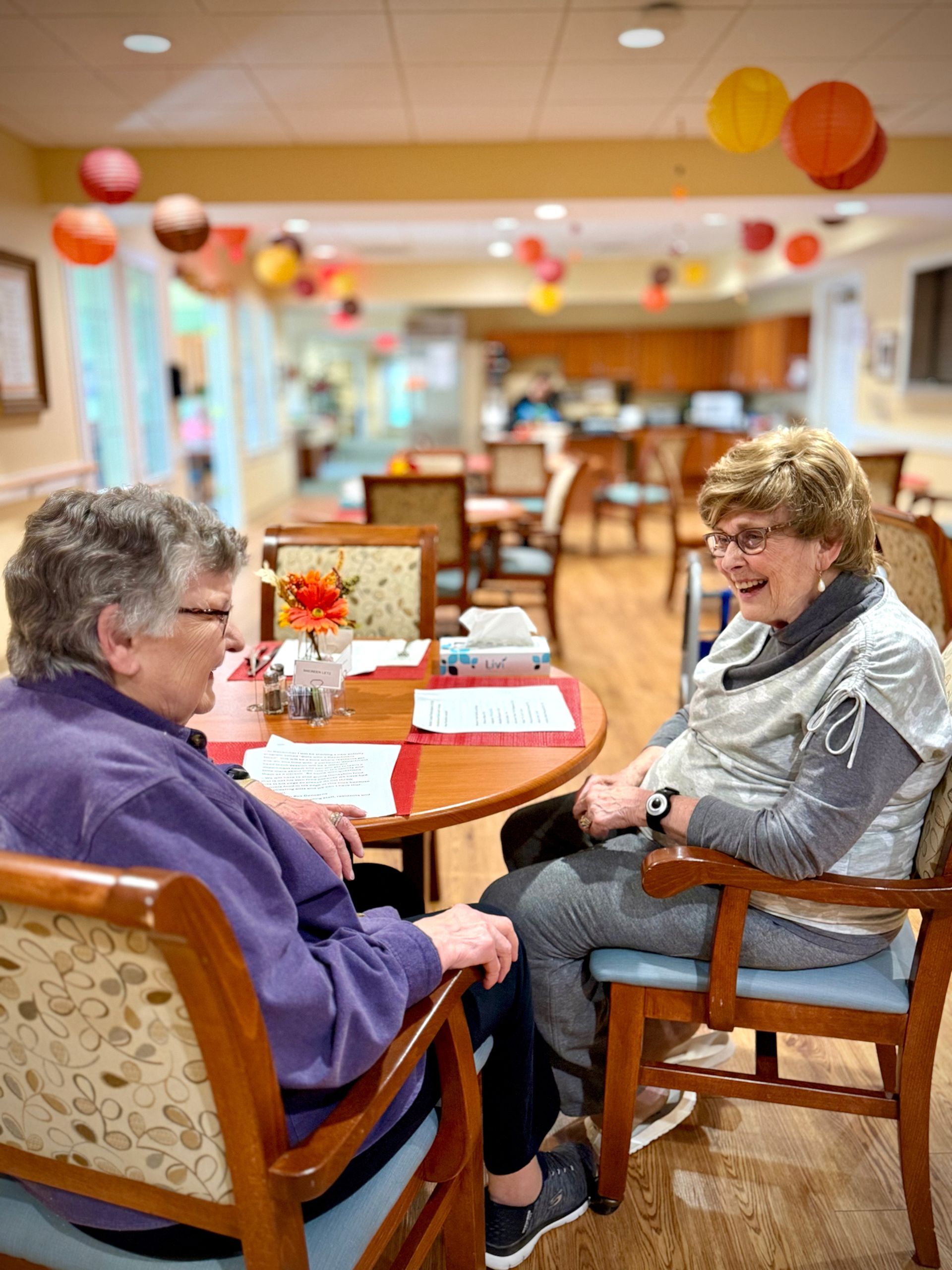
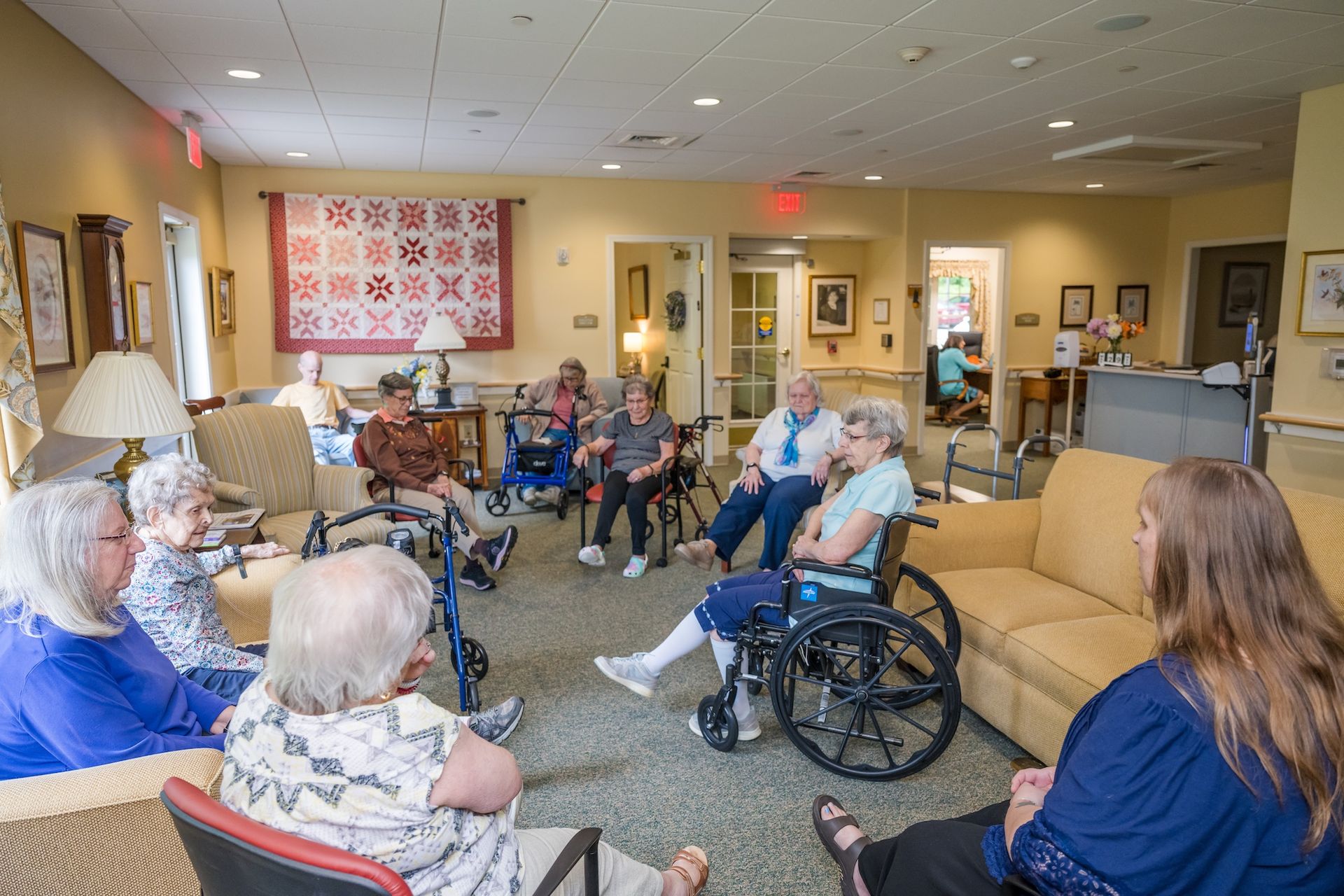
Couples can also maintain their shared interests and social lives. An independent spouse can often join their partner for supervised outings, exercise classes, or evening entertainment. Participating in these programs helps maintain a sense of normalcy and joy in the relationship. To see examples of how these programs are structured, individuals can explore typical activities for seniors offered within these environments.
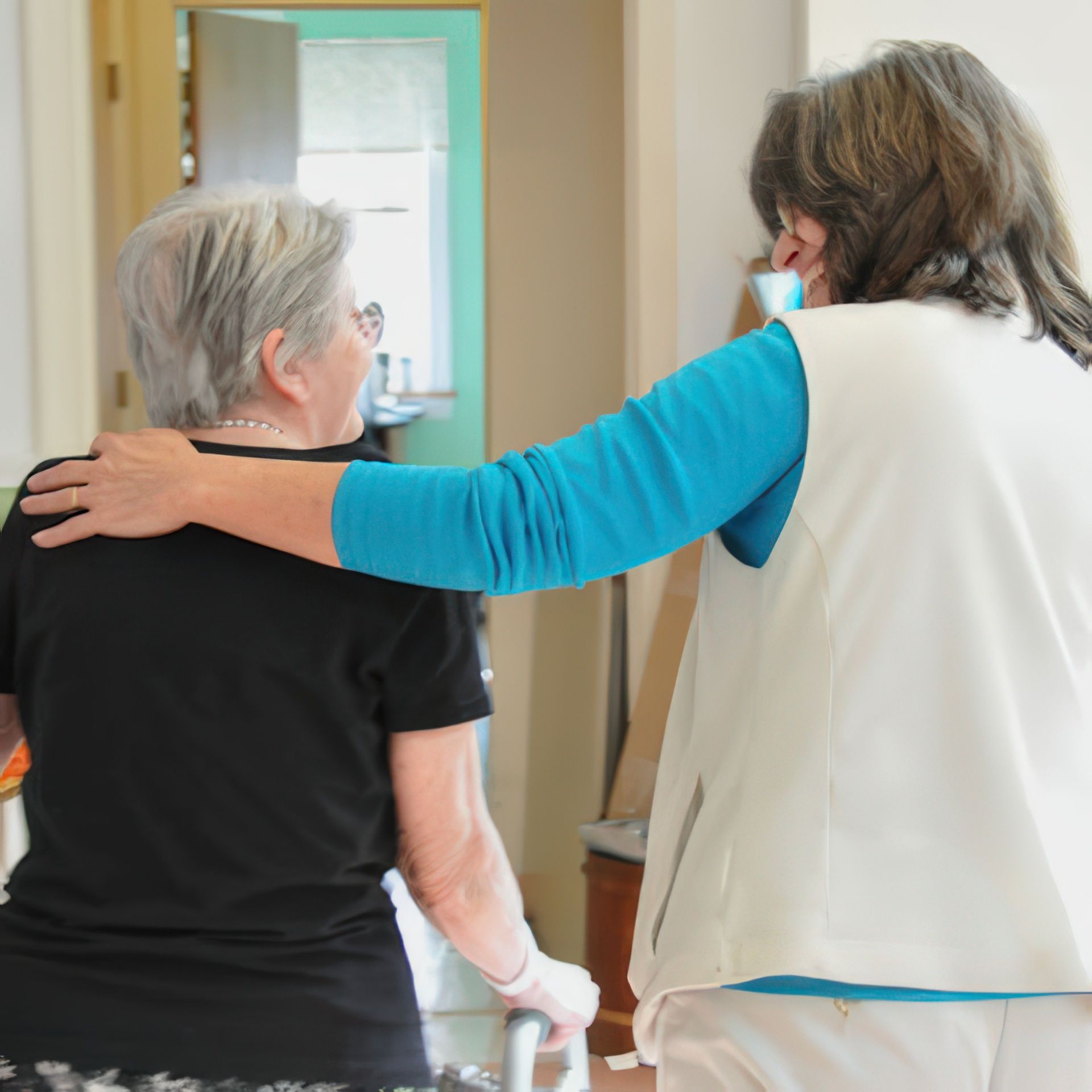
Furthermore, living in a supportive environment allows the caregiving spouse to relinquish the heavy lifting of daily medical management. When professional staff handle medication schedules, bathing, and emergency response, the independent spouse can simply return to being a husband or a wife. This shift often revitalizes the relationship, removing the stress of full-time caregiving and replacing it with quality, restorative time spent together.
Navigating the Emotional Transition
Moving to a new environment is an emotional process for anyone, but it carries extra weight for couples adjusting to different levels of independence. Feelings of guilt, relief, and apprehension are entirely normal. The spouse who requires less care might feel guilty about maintaining their independence or sleeping in a different room. Conversely, they may feel profound relief knowing their partner is safe and well cared for.
Open communication among the couple and their adult children is essential during this transition. Acknowledging that the move represents a significant life change helps validate everyone's feelings. It is helpful to focus on the gains rather than the losses. While they may not share the exact same living quarters, they are gaining a safety net, 24-hour support, and the assurance that they will not be separated by miles of highway if a medical emergency occurs.
Staff members within these communities are trained to support families through this transition. They understand the nuances of changing relationship dynamics and work to create routines that foster connection. By establishing a new daily rhythm—perhaps sharing breakfast every morning or taking a supervised afternoon walk—couples find new ways to celebrate their bond. The transition takes time, but the peace of mind achieved by having both spouses secure on one campus is invaluable.

Frequently Asked Questions
What happens if one spouse needs memory care and the other does not?
When a couple moves to a community offering a continuum of care, they can reside on the same
campus while receiving completely different levels of support. The spouse requiring memory care
will live in a specialized, secure area designed specifically for cognitive support, safety, and
structured routines.
The other spouse can live in an independent or assisted apartment on the same grounds. This setup
allows the independent spouse to visit daily, share meals, and participate in activities with their
partner, maintaining their connection without compromising either person's safety or quality of life.
Can spouses share a room if their care needs are slightly different?
In many cases, couples can share an apartment if both individuals can have their needs met safely
within that specific environment. For example, if both reside in an assisted living apartment, the care
team can create individualized support plans. One person might receive help with medication and
bathing, while the other only receives minor assistance with mobility.
However, if one spouse requires advanced medical intervention, 24-hour skilled nursing, or secure
memory care, sharing a single room is usually not possible due to safety and licensing regulations.
In these situations, living in separate areas on the same campus is the safest way to ensure both
individuals receive appropriate care while remaining close to one another.
How do care teams support the spouse who is acting as the primary caregiver?
Professional care teams alleviate the physical and emotional burden placed on the caregiving
spouse. By taking over tasks such as administering medications, assisting with personal hygiene,
and managing medical emergencies, the staff allows the caregiving spouse to rest and focus on their
own health.
This support fundamentally changes the dynamic of the couple's relationship. Instead of constantly
managing a partner's medical needs, the spouse can return to simply enjoying their time together.
Care teams also provide emotional support and guidance, helping the independent spouse navigate
the complex feelings that accompany changing health realities.
Will moving to a campus with multiple care levels prevent future moves?
Choosing a campus with a full continuum of care significantly reduces the likelihood of disruptive
future moves. The concept of "aging in place means" that as an individual's health evolves, their
care adapts to meet them right where they are.
If an independent resident eventually requires help with daily activities or recovering from a fall, they
simply transition to a different level of care on the exact same property. They do not have to leave
their familiar surroundings, their established social network, or their spouse, providing long-term
stability for the entire family.
How do couples manage daily schedules when living in different areas of the same community?
Couples often establish a new, predictable daily rhythm that prioritizes their time together. An
independent spouse might walk over to the memory care or skilled nursing area to share morning
coffee, read the newspaper together, or participate in a scheduled morning exercise group.
Communities encourage these interactions and often assist in coordinating schedules. Staff can help
bring a spouse with mobility challenges to a central dining room or a sunny courtyard so the couple
can enjoy an afternoon visit. These daily routines become cherished moments that keep the
relationship strong and connected.
Conclusion
Planning for the future requires acknowledging that health needs can change unexpectedly. For couples, the priority is always to remain together, supporting one another as they have throughout their lives. Assisted living for couples with different care needs offers a practical, compassionate solution to the fear of separation. By choosing a comprehensive campus model, spouses can live just a short walk apart, even if one requires independent living and the other needs specialized memory care. This proximity allows couples to age in place, sharing meals, activities, and daily moments without the burden of long-distance travel or the stress of full-time caregiving. Careful planning and understanding these housing options provide families with the confidence that their loved ones are safe, respected, and connected.
Helpful Resource
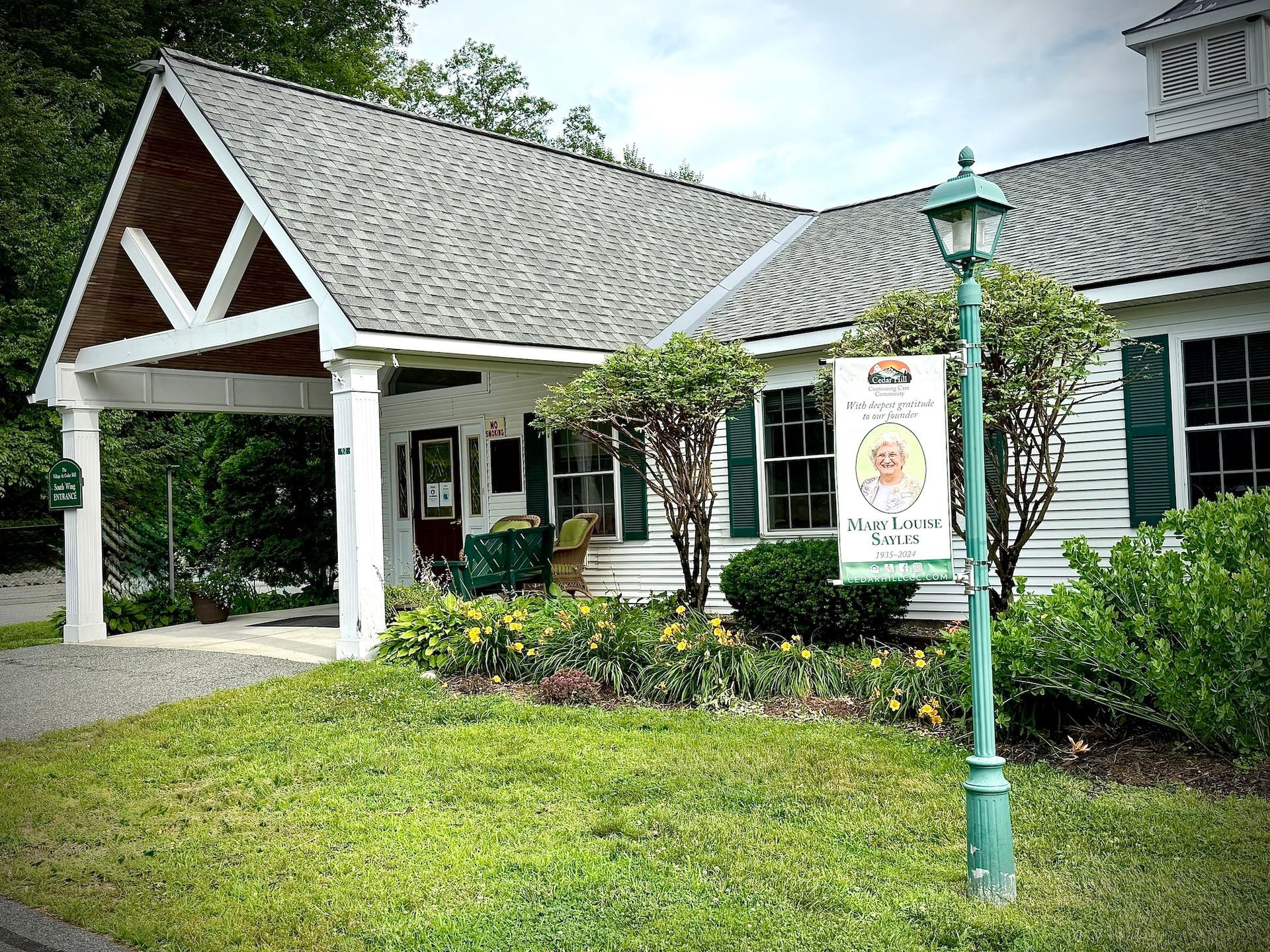
Cedar Hill Continuing Care Community serves as an educational resource for families navigating senior housing options. Located in Windsor, Vermont, the campus provides a continuum of care that includes independent living, assisted living, memory care, and skilled nursing. Families exploring how to keep spouses connected while meeting diverse medical and daily support requirements can learn more about these comprehensive campus models at https://www.cedarhillccc.com.