When Is It Time for Assisted Living? Essential Signs to Know

Wondering when is it time for assisted living? Key signs include declining health, mobility issues, and difficulty with daily tasks. This article covers essential indicators to help you make this important decision.


Key Takeaways

Key indicators for assisted living include declining health, mobility issues, and difficulty with daily activities.

Safety concerns, such as increased falls and home neglect, signal the need for a safer living environment with professional support.


Social isolation and cognitive decline are critical factors in determining the necessity for assisted living, as they significantly impact seniors’ well-being.


Recognizing the Right Time for Assisted Living

Person assists another up stairs, both using handrails.

Identifying the right time for assisted living is vital for your loved one’s well-being. When the need for help surpasses available family resources, assisted living may become necessary. Common signs include worsening chronic conditions, mobility issues, and struggles with daily activities. Family members and caregivers often notice these indicators first, playing a pivotal role in identifying the need for more support.


Challenges such as frequent motor vehicle accidents and limited driving can suggest that a loved one may need more assistance at home. Awareness of changes in physical health and cognitive abilities can serve as key indicators for considering assisted living.


Assisted living communities typically provide help with basic care needs like laundry, meal preparation, transportation, and all building maintenance , making daily life easier for seniors. Multiple challenges at managing everyday tasks may suggest it’s time to consider assisted living. Addressing these signs early can enhance quality of life and ensure the safety of your aging parent or loved one.


Signs of Declining Health and Mobility


Declining health and mobility often signal it’s time for assisted living. Chronic health issues can impede daily functioning, making it hard for older adults to remain independent. Individuals with reduced mobility may become less active, preferring to stay in one place, which can signal underlying health problems, and exacerbate them.


Frequent signs of declining health include difficulty in performing regular activities and decreased physical capabilities. Early intervention can greatly enhance quality of life and ensure safety for your elderly parent or loved one.Monitoring any noticeable decline in health or mobility can indicate the need for additional support to manage daily tasks and maintain a safe environment.


Chronic Health Conditions Worsening


Chronic health conditions often worsen with age, making it a red flag indicating the need for assisted living. Statistics indicate that 77% of older adults have two or more chronic disease conditions severely impacting their ability to manage daily life.


Trouble with Meal Preparation and Nutrition


Poor nutrition, resulting from the inability to prepare nutritious meals, can lead to unintentional weight loss or gain and additional health problems. Often, older adults struggling at home turn to less nutritious prepared frozen meals, or other less nutritious options. This can amplify some chronic conditions.


Assisted living facilities, for example, typically provide three freshly made meals each day, which ensures a senior who can no longer cook safely receives good nutrition.  These communities support older adults in ensuring they receive a balanced diet and proper nutrition.


Increased Falls and Accidents


Increased incidents of falls and accidents are often clear warning signs indicating the necessity for a safer living environment with professional assistance. Falls are the leading cause of injury deaths and brain injuries in older adults. Assisted living typically feature with safety measures like grab bars and emergency pendants. In addition, with around the clock staffing and emergency call pendants, a resident who does fall will likely be found quickly.


Changes in Daily Living Activities

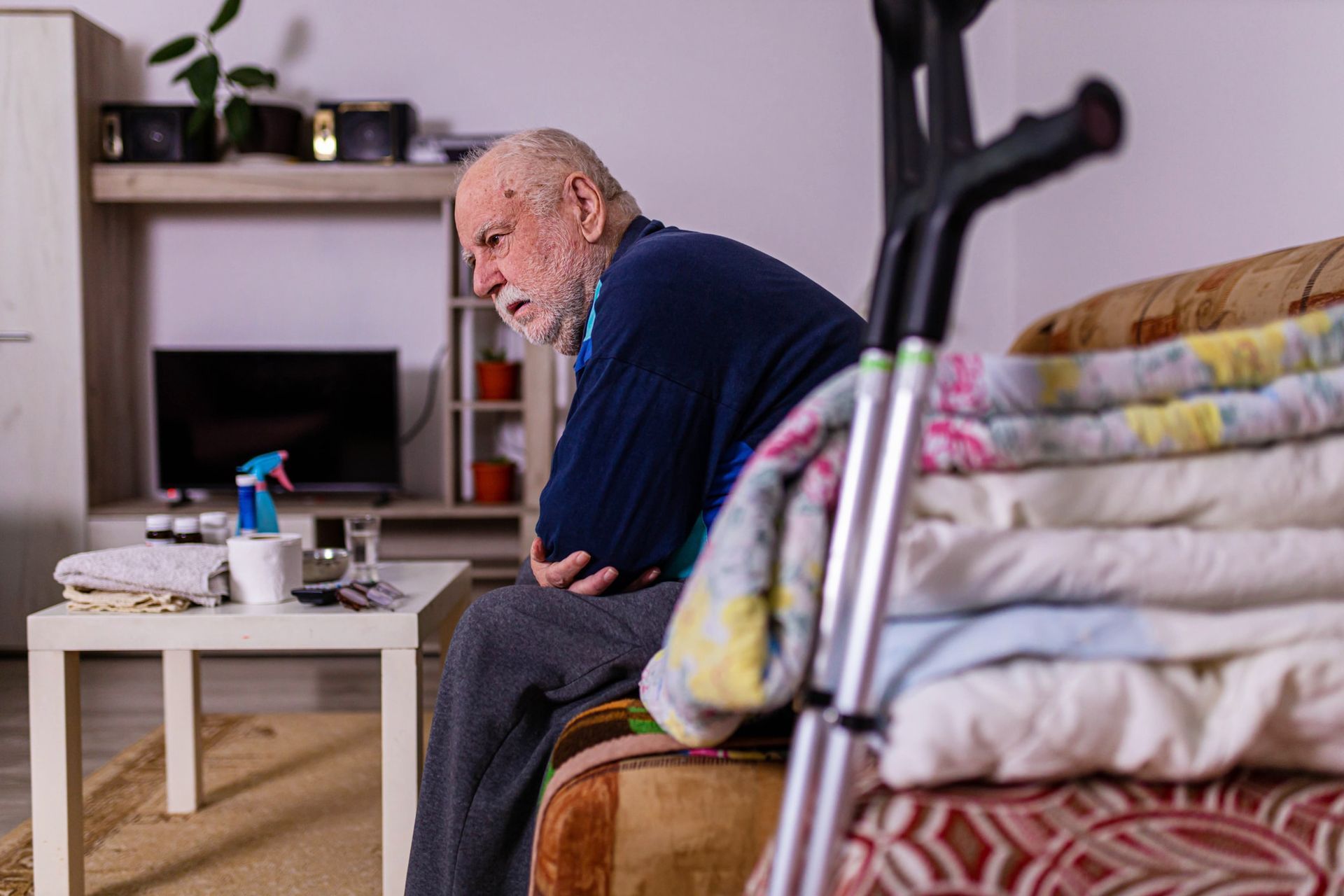
Elderly person sitting on a sofa, arms crossed, looking down, with a crutch and folded blankets nearby.

Changes in daily living activities can significantly affect the quality of life for older adults. Early recognition of these changes can enhance well-being. In 2023, 13.4% of seniors aged 75 and older required assistance with personal care. This statistic highlights the importance of monitoring daily living activities to ensure seniors receive the support they need.


Delayed maintenance around a home can also indicate an inability to manage home responsibilities, suggesting that it may be time for assisted living. For example, if an older adult can no longer clean their home, take out trash, or clean a yard, that is a sign they need extra support at home or need to move to a place that provides that support.  Assisted living communities provide support with daily chores, housekeeping, meal preparation, and personal care, helping seniors maintain their independence and quality of life.


Recognizing early signs of declining daily activities can lead to timely intervention, providing seniors with the support needed to manage daily tasks effectively.


Personal Hygiene and Grooming Neglect


Neglect in personal hygiene and grooming is a significant indicator of the need for assisted living support. Signs such as unpleasant body odor, greasy hair, and dirty fingernails can indicate that an aging parent is struggling to properly care for themselves. They may also struggle to do laundry.


Assisted living facilities help ensure seniors maintain their personal hygiene and grooming standards.


Cognitive Decline and Memory Issues

Elderly man with gray hair, furrowed brow, and contemplative expression.

Cognitive decline and memory issues seriously impact the daily lives of older adults. Memory loss often reduces independence, raising concerns for those in assisted living. Cognitive decline can severely impact daily activities, leading to increased safety risks and reliance on assistance.


Recognizing the interplay between memory issues, social isolation, and declining independence is crucial in determining the need for assisted living. Social isolation is linked to a significant increase in the risk of dementia among older adults.


Unpaid Bills and Financial Mismanagement


Unpaid bills and financial mismanagement are clear indicators of cognitive decline. This is one of the first signs of memory issues, and uncaught it can have devastating consequences for older adults. Seniors with cognitive impairments may struggle to keep up with bills and manage finances, making them vulnerable to financial abuse.


If you notice unopened mail or trouble keeping up with bills, it’s important to investigate further to determine what is causing your older adult to not be on top of these issues.


Medication Management Challenges


Medication management challenges are a significant risk for seniors. Medication mismanagement can lead to serious health risks, including emergency medical situations. Assisted living facilities provide crucial support in ensuring residents adhere to their medication schedules, reducing the risk of errors, and promoting overall health.


Social Isolation and Emotional Well-Being

Older person sits on a sofa, holding a cane, looking out a window.

Social isolation profoundly impacts emotional  and physical well-being. Over one-third of adults aged 45 and older experience loneliness. Assisted living communities can greatly alleviate loneliness by creating supportive social environments. Socializing in assisted living enhances emotional well-being by encouraging regular participation in activities. and at meals.


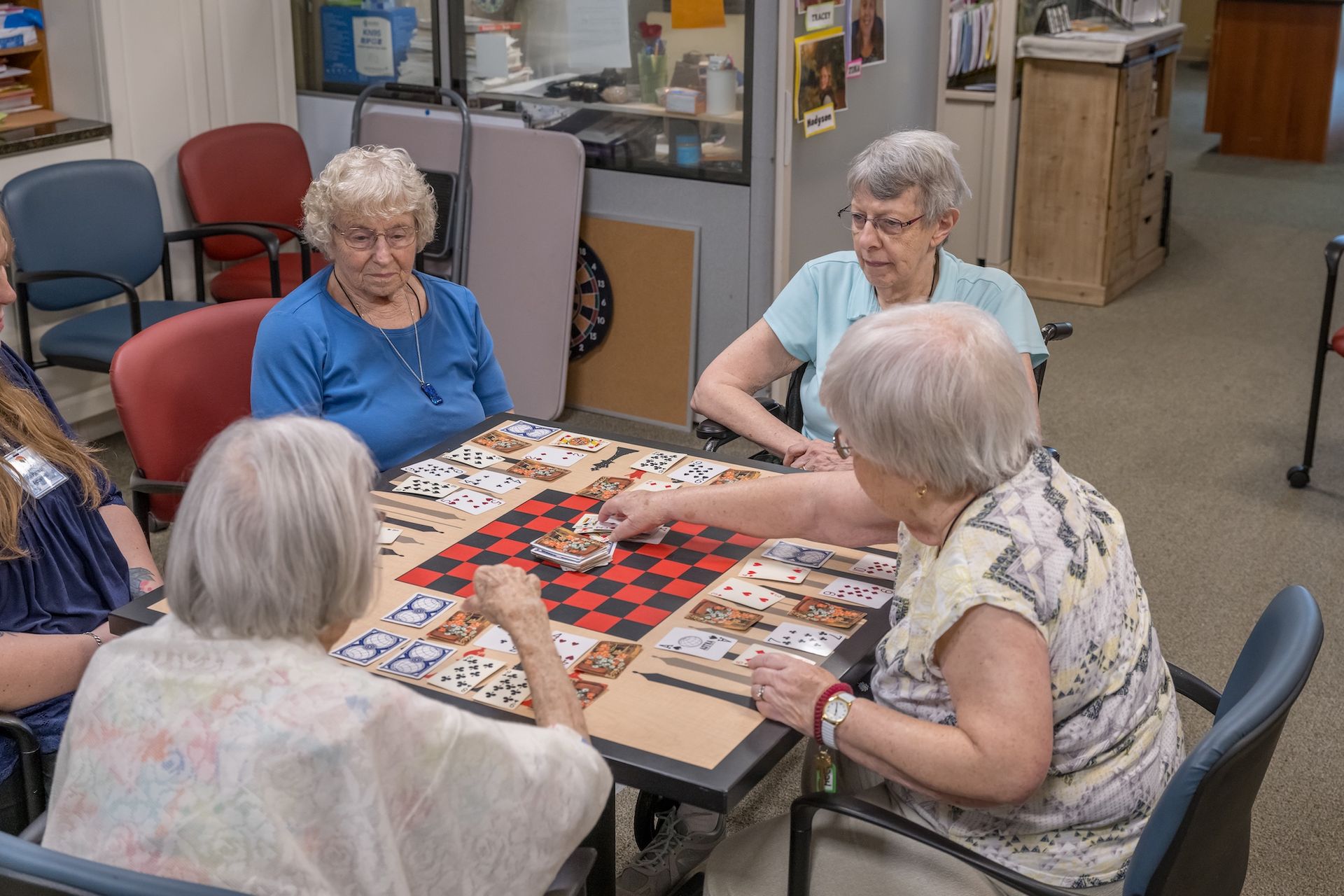
Activities such as fitness classes, game nights, and social gatherings promote socialization within assisted living communities. Increased social interaction with peers and staff helps reduce loneliness and improve happiness for seniors.


Loneliness and Withdrawal


Loneliness and withdrawal are significant indicators that an elderly person may need more community engagement. Seniors may become isolated when living alone, leading to increased loneliness and depression, which assisted living can help mitigate.Withdrawal from social events may indicate a need for greater social interaction.


Emotional Support and Community


Emotional support is a vital aspect of life in assisted living communities. Participation in activities and socializing with other residents encourages emotional health. Assisted living communities provide emotional support and reassurance during the transition, helping seniors adjust to their new environment.


Family and friends play a crucial role in providing support during this transition and thereafter. Maintaining strong connections helps seniors feel more comfortable and supported in their new community.


Safety Concerns at Home


Safety concerns at home are significant indicators that it may be time for assisted living. Seniors who experience multiple falls within a year are at a significantly greater risk for serious injury. Falls are the leading cause of injury deaths and brain injuries in older adults, underscoring the need for a safer living environment.
Unsafe home features like inaccessible bedrooms, narrow hallways, and difficult bathtubs indicate potential hazards. Inadequate lighting can also hinder mobility at home. If installing safety features like ramps or chair lifts is too expensive or daunting, it might be time to consider moving to an assisted living facility.


Assisted living communities are specifically designed to meet
senior living needs with essential safety features. Many are built to ADA standards, including wider doorways to accommodate wheelchairs, and with bathrooms with built in grab bars and non-slip mats to reduce the risk of falls. These communities provide a safe and secure environment, reducing the risk of accidents and promoting independence.


Home Repairs and Maintenance Neglect


Neglect in home repairs and maintenance is a key sign that seniors may need assisted living. Signs of home maintenance neglect may include a messy home, uncompleted chores, and an unkempt lawn.


A home in disrepair can increase the risk of burglary and make it difficult for caregivers to provide assistance.


Family Caregiver Burnout


Family caregiver burnout is a critical factor when evaluating the need for assisted living. Caregiving responsibilities can be overwhelming, leading to significant exhaustion and stress. After years of care giving, it is very common to experience significant exhaustion due to the demands of the caregiver role.


Family members should act as accountability partners for mental and emotional health to help recognize signs of burnout. A family member involved in the decision-making process fosters empowerment and reassures that preferences guide the decision.Assisted living communities help with care coordination, managing care among various health professionals.


Professional Recommendations


Consulting health professionals can help in making informed decisions about assisted living if you decide to make that move. Healthcare professionals can assess chronic health conditions and help find suitable assisted living facilities based on specific needs. Consulting doctors, geriatric care managers, and social workers can provide crucial insights into the care needs of seniors.


Understanding the preferences and needs of your loved one is vital to making a decision they will be happy with. Professionals can guide you in navigating these discussions effectively. Seeking advice from health professionals can help you make better decision for your senior loved one.


How to Start the Conversation


Starting discussions about assisted living before the need becomes urgent can ease future conversations. Writing down concerns and points can help prepare for the discussion. Respecting seniors’ autonomy and their right to decide on their living arrangements is important.


Clarifying the purpose of the discussion can help alleviate misunderstandings and build trust. Listening and using open-ended questions can encourage seniors to share their thoughts and feelings. Providing resources and information can help seniors understand their options and feel more informed.


Exploring Assisted Living Options

Three people smiling on a couch in a living room. One person has their arms around the other two.

Exploring assisted living options is crucial to ensuring the best care for your loved one. Assisted living facilities have varying cost structures and payment options that should be understood before deciding. Understanding differences in medication management services, including administration methods and cost structures, is a key factor when choosing a facility.


Assisted living communities offer nutritious meals, flexible dining options, and social dining events to enhance the resident experience. Families are encouraged to visit assisted living communities in person to explore available amenities and services. A phone inquiry can provide information about the community, such as current residency availability and any waiting lists.


Survey ratings can help identify assisted living communities that excel in providing quality services. Utilizing community resources offered by assisted living facilities can enhance the overall transition experience for residents.


Preparing for the Transition


Preparing for the transition to assisted living involves careful planning and support. Involving family early in the planning process can lead to a smoother transition to assisted living. Touring the assisted living community helps seniors become familiar with their new environment, easing anxiety about the move. Respite care can serve as a trial period for seniors to adjust to assisted living before making a permanent move.


Downsizing belongings before the move can simplify the transition and reduce emotional stress. Maintaining familiar routines during the transition can provide seniors with a sense of stability and comfort. Emotional support in assisted living plays a crucial role during transitions, helping residents adapt to their new surroundings.


Summary


Recognizing the right time for assisted living and understanding the essential signs can significantly enhance the quality of life for your loved one. From declining health and mobility to cognitive decline and social isolation, being aware of these indicators will help you make the move at the right time. Consulting health professionals and involving family members in the decision-making process ensures that the transition to assisted living is smooth and supportive.


At Cedar Hill Continuing Care Community, we are dedicated to providing personalized care and support to help seniors thrive.

Person walking on a snow-covered brick path, using a cane for support.
January 1, 2026
Practical winter safety guidance for Upper Valley families caring for seniors, covering icy hazards, cold risks, home prep, and weather‑related precautions.
Two older women seated at a table, conversing indoors. One wears glasses and a patterned shirt.
January 1, 2026
A clear, plain‑English guide for Vermont families explaining Medicaid Pending status, long‑term care costs, timeline, and what to expect.
Two older women sitting at a table; one in blue shirt, other is partially visible. Bookshelves in background.
December 8, 2025
Discover essential long-term care planning strategies for your future. Learn about care options, financial planning, and legal documents to ensure peace of mind.
Woman hugging another woman, both looking out window. Room with lamp, plants, and a bed.
December 8, 2025
Discover how to emotionally and practically prepare for your loved one's move into senior living. Get a step‑by‑step guide from Cedar Hill
Man holding hands with an older person on a couch, indoors, both smiling.
November 17, 2025
Discover respectful, practical steps to talk to your parent about assisted living—preserve independence, ease transition, and strengthen your relationship.
Cedar Hill community entrance sign with a white building and green landscaping.
November 17, 2025
Learn how to prepare a tour of an assisted‑living community: questions to ask, what to observe, and how to make a confident decision.
Man in blue scrubs shows document on clipboard to older person in a wheelchair.
October 14, 2025
Learn how a long term care planner supports your future—services, costs, insurance help, Medicaid guidance, care coordination & family decision-making.
Cedar Hill Community sign with buildings and landscaping in the background.
October 14, 2025
Explore independent senior housing—from community types to tips for a smooth transition into maintenance-free living with amenities and social connection.
Nurse in scrubs comforting an elderly person in bed, holding hands. Hospital setting, gentle expression.
August 18, 2025
Explore the key differences between assisted living and skilled nursing facilities to make informed care choices. Read the article for essential insights.
Elderly couple sitting on a bench, embracing, backs to the camera, in a park setting.
August 18, 2025
Discover essential questions to ask when considering assisted living options. Make an informed decision for yourself or a loved one. Read more now!
Show More