


Title or Question
Describe the item or answer the question so that site visitors who are interested get more information. You can emphasize this text with bullets, italics or bold, and add links.Title or Question
Describe the item or answer the question so that site visitors who are interested get more information. You can emphasize this text with bullets, italics or bold, and add links.
For many older adults, the decision to downsize and move to a supportive community is accompanied by a significant emotional hurdle. Often, the primary concern is not about leaving a physical house, but about the possibility of leaving a beloved animal companion behind. Pets are considered family members. They provide unconditional love, a sense of purpose, and deep daily comfort. For caregivers and adult children helping a parent navigate this transition, finding pet friendly assisted living in Vermont can transform a highly stressful decision into a positive and reassuring next chapter.
Recognizing the immense value of the human-animal bond is essential for planning a move that prioritizes both physical safety and emotional well-being. Acknowledging this connection helps families approach the transition with empathy. When older adults know their cat or small dog is welcome, the conversation shifts from a focus on loss to a focus on shared future comfort.

The Deep Emotional Bond with Animal Companions
The emotional support provided by a pet is profound and deeply ingrained in daily life. For individuals who live alone, a cat or a dog offers a constant, comforting presence that dramatically reduces feelings of isolation. This companionship is non-judgmental and unwavering. A pet does not care about physical limitations or a changing medical diagnosis; they simply seek affection and proximity.
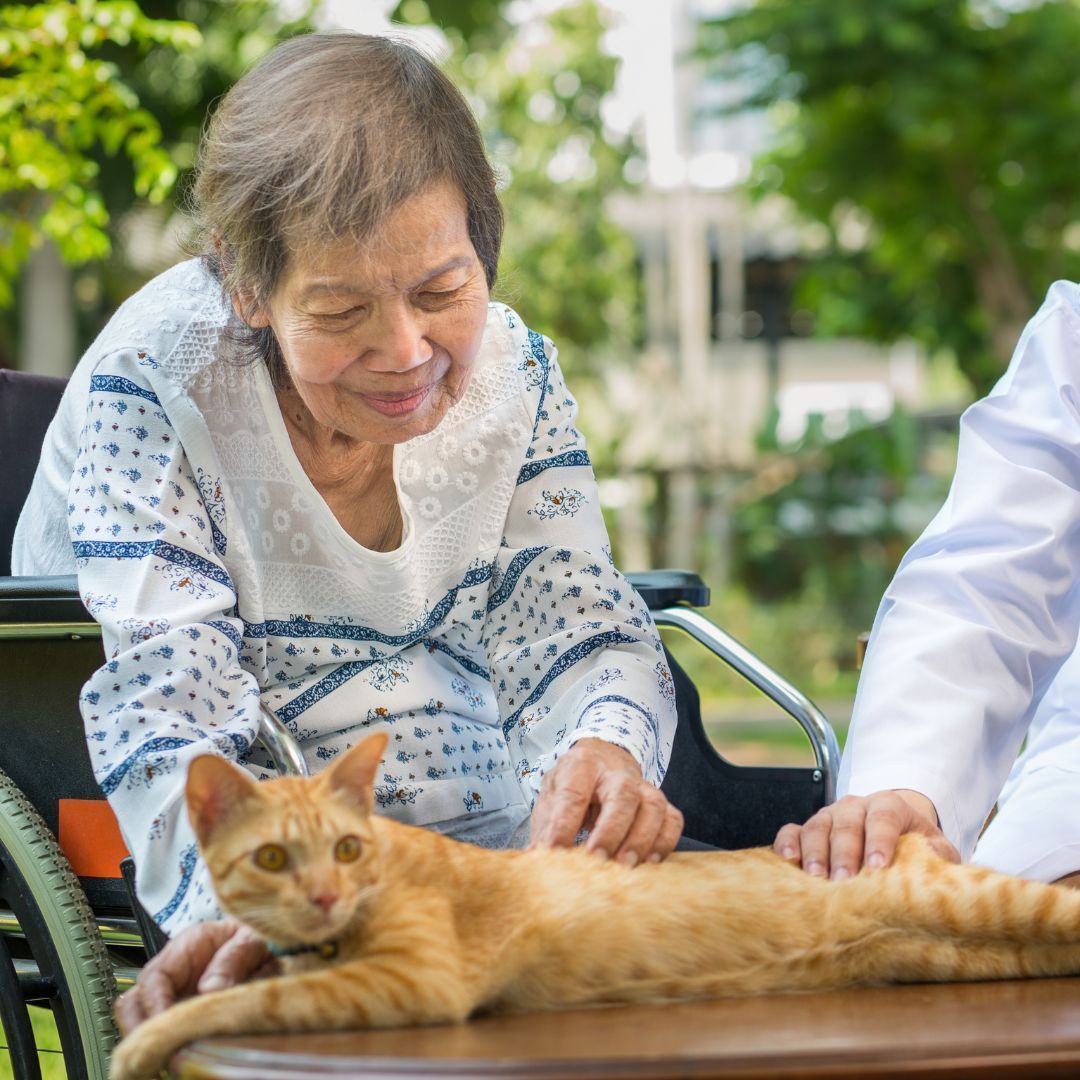
Psychologically, interacting with an animal has measurable benefits. The simple act of petting a dog or listening to a cat purr can lower blood pressure, reduce cortisol levels, and trigger the release of endorphins. These physiological responses create a natural calming effect, which is particularly valuable during times of change or transition. For older adults managing the emotional weight of moving, having their familiar companion by their side provides an immediate, tangible source of grounding and reassurance.
Furthermore, a pet often represents a profound connection to a person’s identity and personal history. Many people have shared years of memories with their animals. Preserving this relationship honors the individual’s past while providing emotional stability for their future.
Physical Health and Daily Routine Benefits
Beyond emotional comfort, keeping a pet encourages consistent daily habits that directly support physical health. Caring for an animal requires a reliable routine. Dogs need to be walked, cats need to be fed, and litter boxes need to be maintained. This structure provides a distinct reason to get out of bed each morning, offering a renewed sense of purpose and responsibility.
This daily routine naturally encourages light physical activity. Walking a small dog around the campus or even just moving around an apartment to care for a cat helps residents maintain their mobility and balance. These small, frequent movements are highly beneficial for joint health and cardiovascular maintenance. The physical requirements of pet ownership often translate into a more active, engaged lifestyle than a person might maintain if they lived entirely alone without those responsibilities.
Cognitively, managing a pet’s schedule also provides healthy mental stimulation. Remembering feeding times, keeping track of veterinary appointments, and recognizing when a pet needs attention require active engagement. This daily mental exercise supports cognitive retention and helps individuals stay sharply connected to their immediate environment and the passage of time.
Navigating the Fear of Separation During a Move
The fear of separation from a pet is one of the most common reasons older adults resist moving to a supportive environment, even when remaining in their current home is no longer safe. The thought of surrendering a loyal companion to a shelter or asking a family member to take them in can cause immense grief and anxiety. This emotional barrier can completely stall necessary conversations about long-term care and safety.
Fortunately, many communities recognize how detrimental this separation can be and have adapted their policies accordingly. When families discover that a community welcomes animals, the relief is often immediate. Removing the threat of separation allows individuals to evaluate the benefits of a move—such as freedom from home maintenance, improved nutrition, and 24-hour security—without the blinding fear of losing their best friend.
For families researching options, reviewing frequently asked questions about assisted living can clarify specific pet policies early in the planning process. Understanding the community’s guidelines regarding animal size, required vaccinations, and designated outdoor spaces helps families make informed decisions and reduces the fear of the unknown.

Practical Considerations for Moving with a Pet
Transitioning to a new living space with an animal requires practical planning to ensure the comfort of both the resident and the pet. Families must honestly evaluate the pet’s temperament and physical needs. An older, calm cat or a small, low-energy dog is typically an ideal fit for an apartment setting. Conversely, a large, highly energetic dog that requires extensive daily running may struggle to adapt to a more compact living environment.
Logistical preparation is essential before moving day. Families should ensure all veterinary records are up-to-date, including necessary vaccinations and preventative medications. It is also helpful to map out the new apartment layout to determine where the pet’s bed, food bowls, and litter box will be placed. Creating a familiar setup quickly helps the animal settle into the new space, which in turn relaxes the owner. When deciding what to bring to assisted living, prioritizing the pet’s favorite blankets, toys, and specific food brands ensures continuity and comfort.
It is also crucial to establish a backup care plan. Families should discuss who will care for the animal if the resident experiences a sudden illness or requires a short-term hospital stay. Having a designated family member or a trusted local pet sitter ready to step in provides peace of mind for everyone involved, ensuring the pet is always protected regardless of health changes
How Pet Friendly Assisted Living in Vermont Fosters Community
One of the most remarkable, yet unexpected, benefits of bringing a pet to a community is the positive impact on socialization. Pets are natural icebreakers. A resident walking a dog down the hallway or sitting with a cat in a common area often draws the attention of neighbors and staff. These interactions provide easy, low-pressure opportunities for conversation and connection.
For individuals who may feel shy or hesitant about joining structured group activities, a pet serves as a social bridge. It is much easier to strike up a conversation about a friendly dog than it is to walk into a room of unfamiliar people. This natural socialization helps combat the loneliness that can sometimes accompany a move to a new environment.
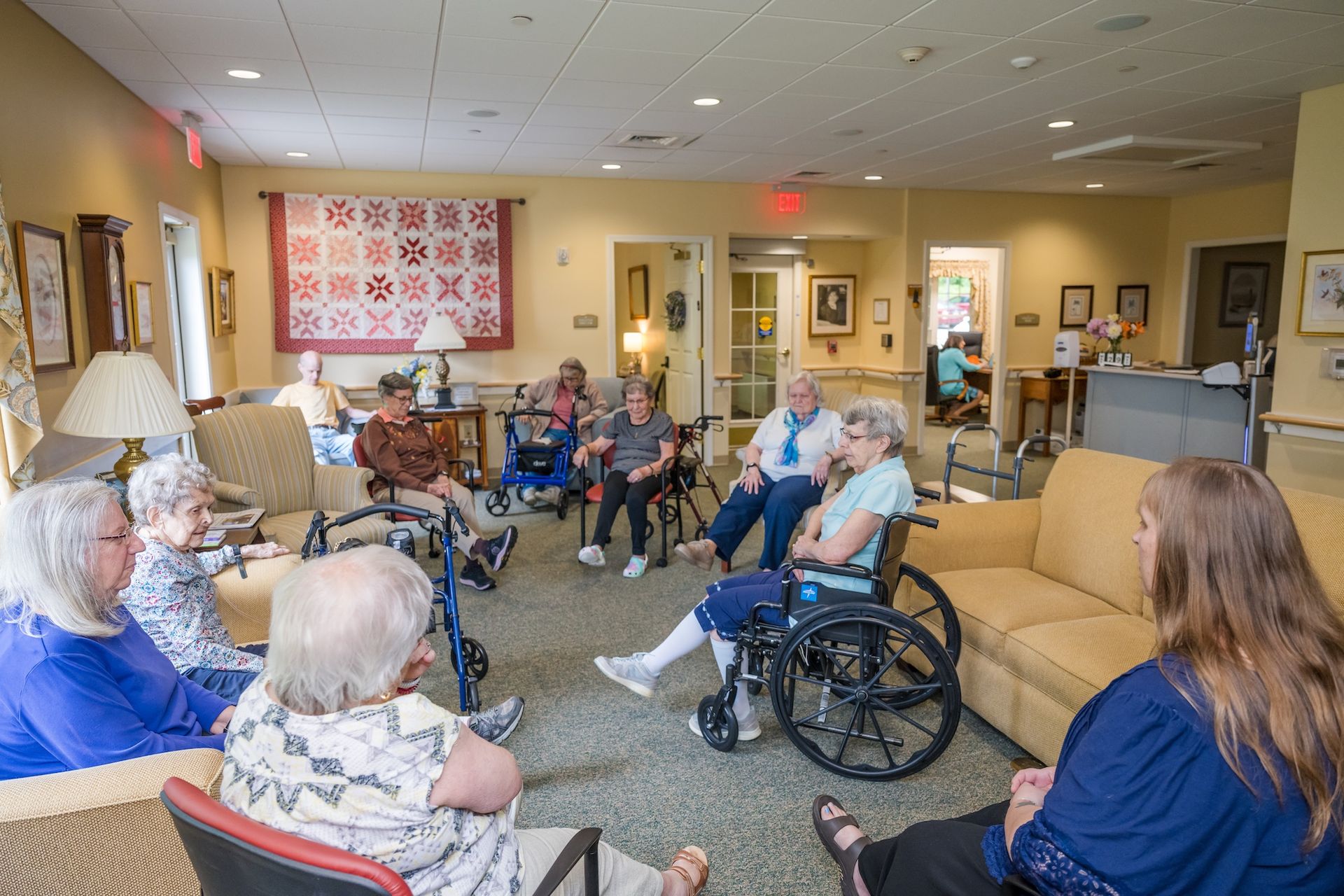
Furthermore, the presence of animals often uplifts the entire community. Even residents who do not own pets themselves frequently enjoy interacting with their neighbors' animals. Communities that integrate animals often find that it enhances the overall warmth and homelike atmosphere. Incorporating pets into daily life complements the various activities for assisted living that are designed to keep individuals engaged, active, and emotionally fulfilled. The shared joy of an animal’s presence creates a more vibrant, connected neighborhood for everyone.

Frequently Asked Questions
What types of pets are generally allowed in a supportive community?
Most communities that welcome animals focus on pets that can comfortably adapt to apartment living. This typically includes cats, small to medium-sized dogs, and sometimes small caged animals like birds or fish. Specific breed or weight restrictions may apply for dogs to ensure the safety and comfort of all residents.
Are residents solely responsible for the daily care of their pets?
Yes, individuals are generally expected to manage the daily feeding, walking, and hygiene needs of their animals independently. While staff are focused on providing human care, families often assist by delivering heavy bags of pet food, scheduling veterinary visits, or arranging for a dog walker if the resident needs extra physical support.
How can families help a pet adjust to a new apartment?
Familiarity is the key to a smooth adjustment. Families should bring the pet's unwashed bed, favorite toys, and regular food bowls to the new apartment so it smells like home. It is often helpful to set up the apartment completely before bringing the animal in, allowing for a calm introduction to the quiet space.
What happens if a resident's health changes and they can no longer care for their animal?
If an individual’s care needs increase to a point where they can no longer safely manage their pet, the family’s pre-established backup plan is enacted. The community staff will communicate closely with the family to transition the pet to a relative’s home or another trusted caregiver, ensuring the animal’s well-being is maintained.
Do communities require specific veterinary records before a pet can move in?
Yes, communities require documentation from a licensed veterinarian proving that the animal is up-to-date on all required vaccinations, such as rabies and distemper. This policy ensures the health and safety of the specific pet, the resident, and the broader community.
Conclusion
The transition to a supportive living environment is a major life event, but it does not have to mean leaving a cherished companion behind. The emotional stability, physical routine, and social connection that an animal provides are invaluable to older adults navigating a new chapter. By choosing pet friendly assisted living in Vermont, individuals can maintain their independence and personal identity while enjoying the safety and support they deserve. When families prioritize this unique bond, they ensure that their loved ones move forward with dignity, comfort, and their best friend by their side.
Cedar Hill Continuing Care Community is a trusted, family-owned provider of independent living, assisted living, memory care, and skilled nursing services in Windsor, Vermont. With a commitment to compassionate, personalized support, the community fosters a dignified and vibrant environment where individuals can thrive at every stage of life. To learn more about available living options, campus amenities, and policies, please visit https://www.cedarhillccc.com/.