Families researching supportive living arrangements often look for signs of a vibrant, active neighborhood. A key indicator of a thriving community is the presence of intergenerational programs for seniors. This article is designed for older adults, caregivers, and families who want to understand the psychological, cognitive, and social benefits of bringing different generations together. Understanding these programs helps families evaluate whether a specific environment will provide the engaging, purposeful daily life their loved one deserves.
The Science Behind Intergenerational Programs for Seniors
Research consistently demonstrates that social connection is a primary driver of physical and cognitive health in older adults. Intergenerational programs for seniors take this concept further by intentionally pairing older individuals with children and young adults. These interactions stimulate specific areas of the brain associated with memory, learning, and emotional regulation.
When older adults engage with children, they naturally adapt their communication styles. The simple act of explaining a concept to a child requires the brain to retrieve information, organize it logically, and deliver it clearly. This process strengthens synapses and promotes neuroplasticity, which is the brain's ability to adapt and form new connections. These mental exercises are vital for maintaining neural pathways and supporting overall brain health.
Furthermore, regular engagement with younger generations has been shown to reduce the production of cortisol, the stress hormone, while increasing endorphin levels. This physiological response helps lower blood pressure and naturally elevates mood. The predictable, positive nature of these visits provides a reliable source of joy and anticipation, significantly improving the daily emotional landscape for participants.

Mutual Benefits: Breaking Down the Barriers of Age
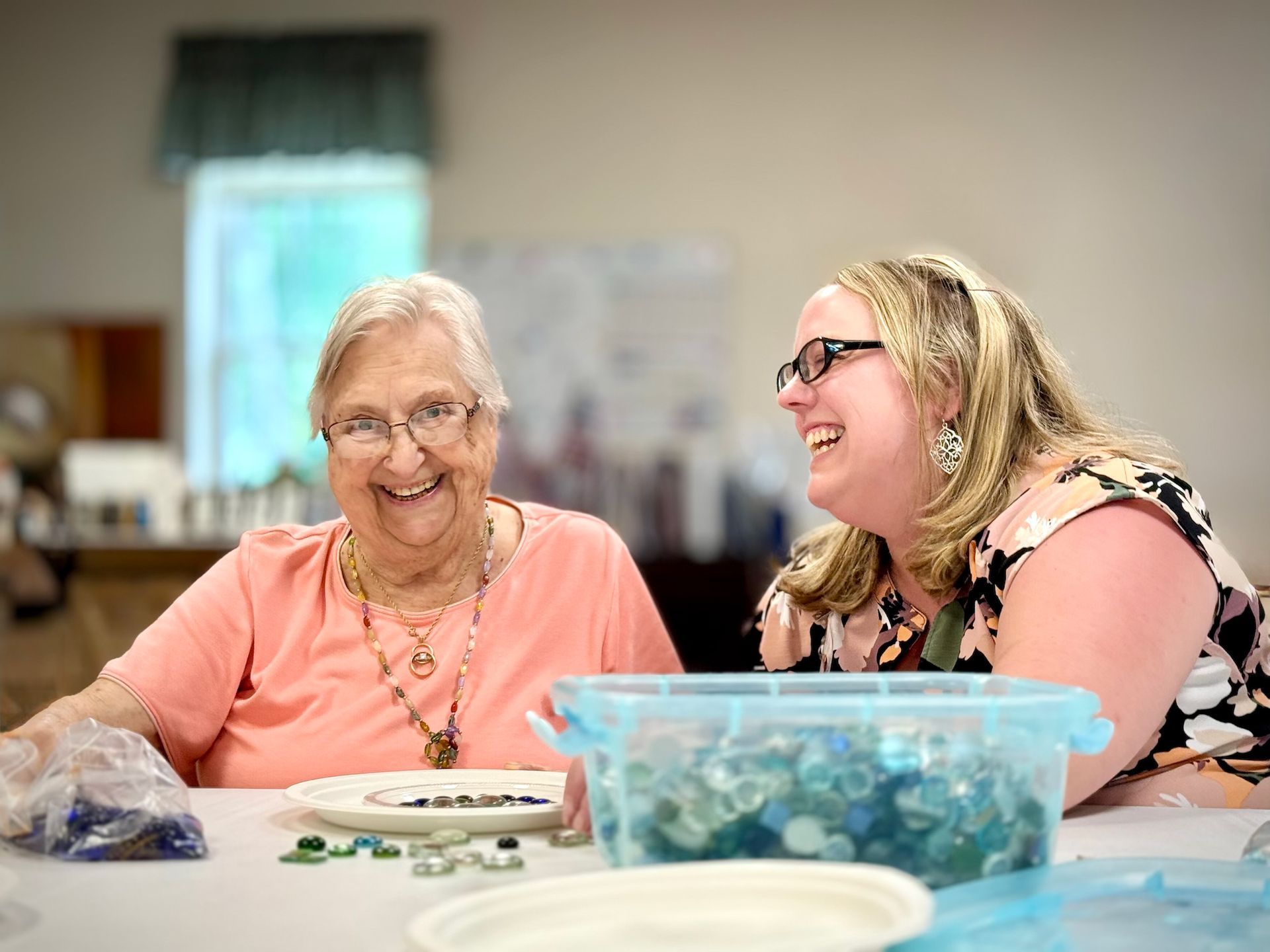
The advantages of connecting different age groups are deeply mutual. Children who participate in these programs develop a profound sense of empathy and a broader understanding of the human experience. They learn to communicate with patience, respect, and emotional intelligence.
For older adults, interacting with students provides an opportunity to share decades of acquired wisdom and life experience. Teaching a child a new skill, sharing a historical perspective, or simply listening to a student read aloud fosters a deep sense of purpose. This exchange validates the older adult's continued role as a mentor and contributor to society, shifting the focus away from their need for support and toward their capacity to give.
In many modern family structures, younger generations may not live near their own grandparents. Community-based programs bridge this geographical gap. They create meaningful surrogate relationships that provide children with steady, attentive mentors and offer older adults the joy of nurturing a younger mind in a safe, structured setting.
Meaningful Engagement Beyond Standard Activities
A well-rounded calendar of events is a hallmark of any quality supportive neighborhood. While daily exercise classes, music therapy, and social outings are essential components of assisted living activities, the introduction of schoolchildren adds an unpredictable and joyful dynamic. Children bring a natural spontaneity that cannot be replicated by standard recreational planning.
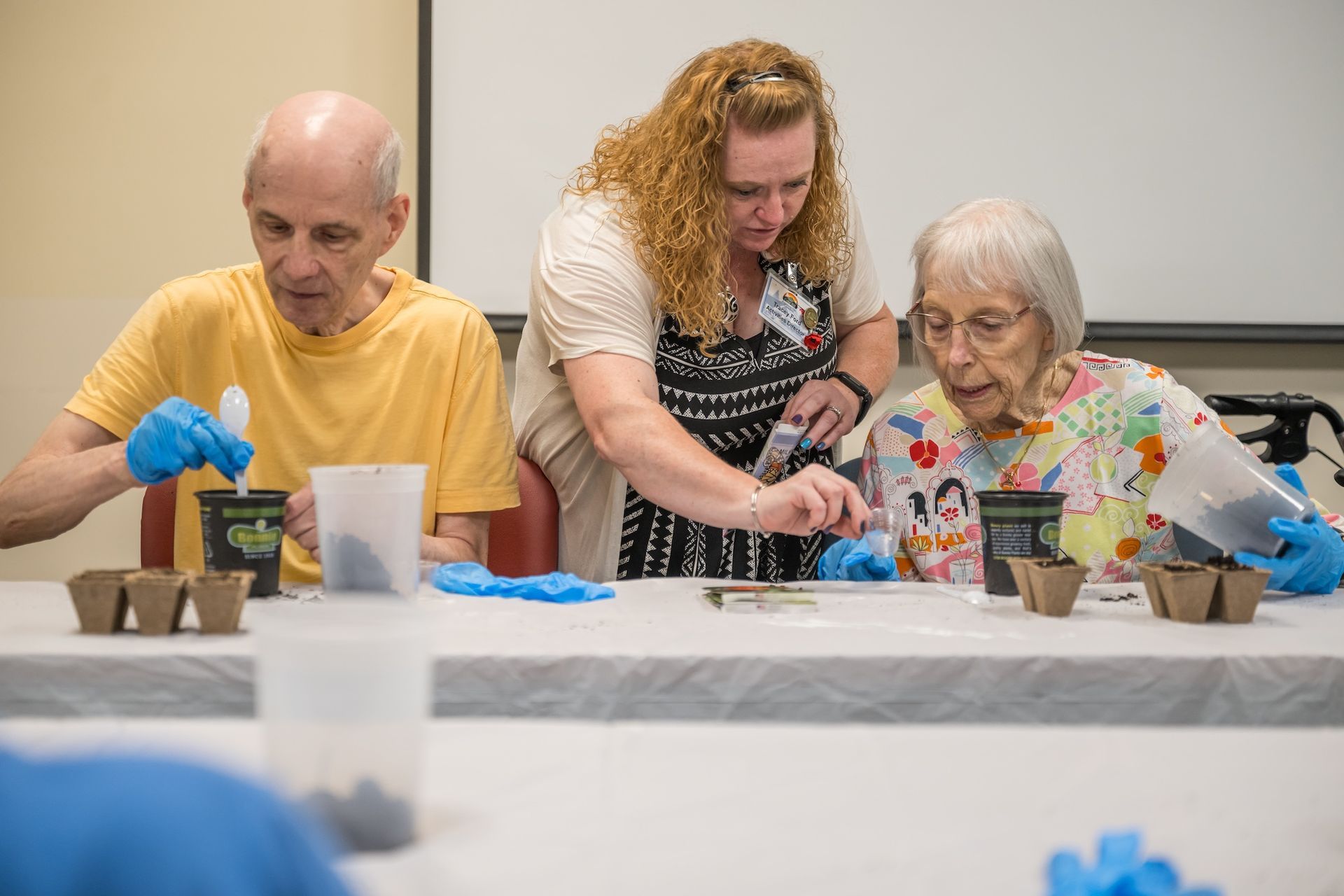
These visits often revolve around structured, cooperative tasks. Participants might collaborate on art projects, plant seasonal gardens, or engage in holiday-themed celebrations. The focus shifts from simply passing the time to actively creating something together.
Furthermore, the presence of children naturally encourages older adults to be more physically expressive. Individuals might reach out to hand a child a crayon, lean forward to hear a story, or clap during a shared musical performance. These organic movements act as gentle supplements to structured physical therapy or exercise routines, promoting joint mobility and circulation in a relaxed, enjoyable setting.

A Long-Standing Tradition of Community Connection
The most successful intergenerational initiatives are those woven deeply into the fabric of the neighborhood over many years. When a community establishes long-term partnerships with local schools, the visits become a predictable and cherished part of the seasonal calendar rather than a one-time novelty.
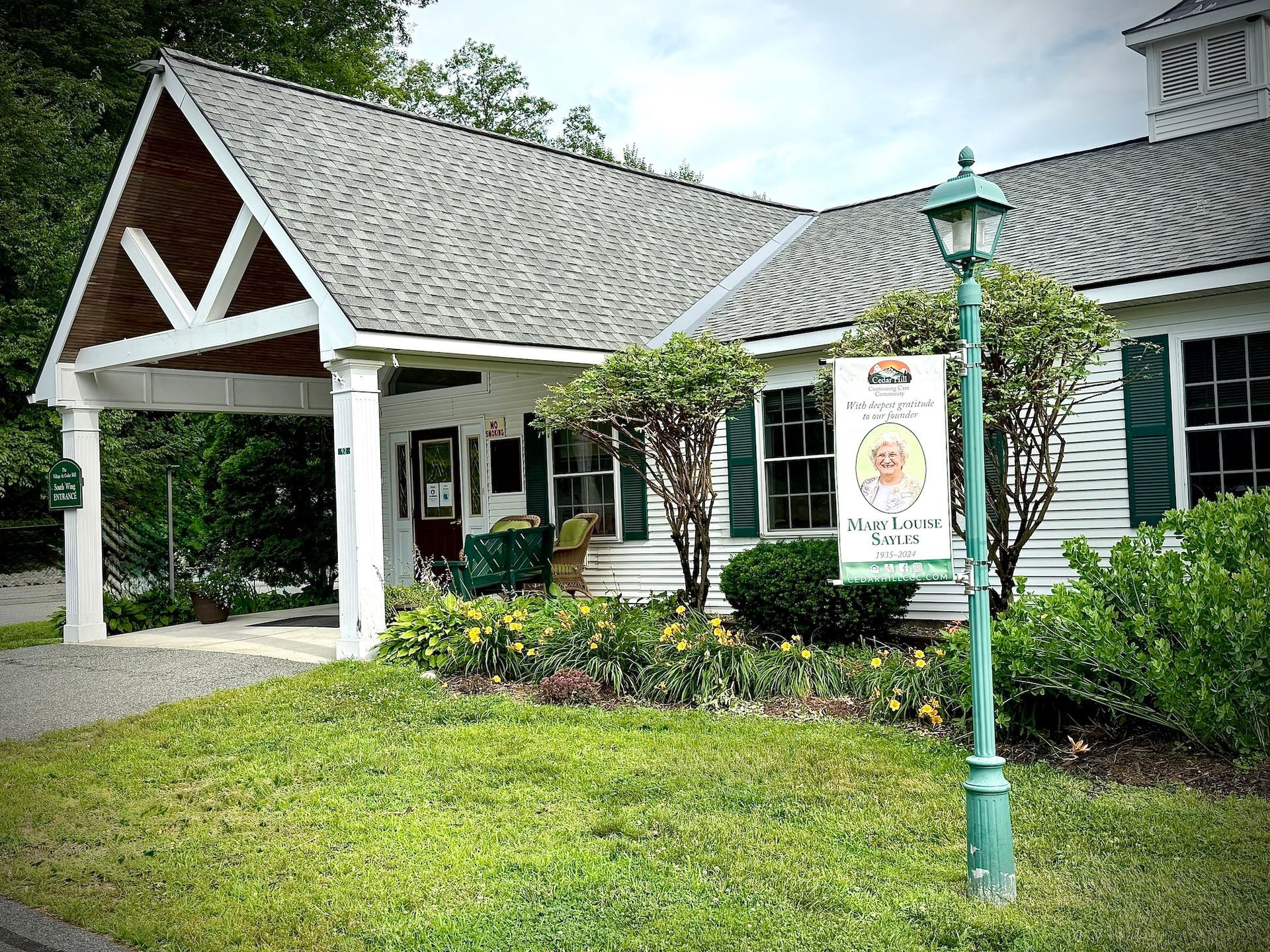
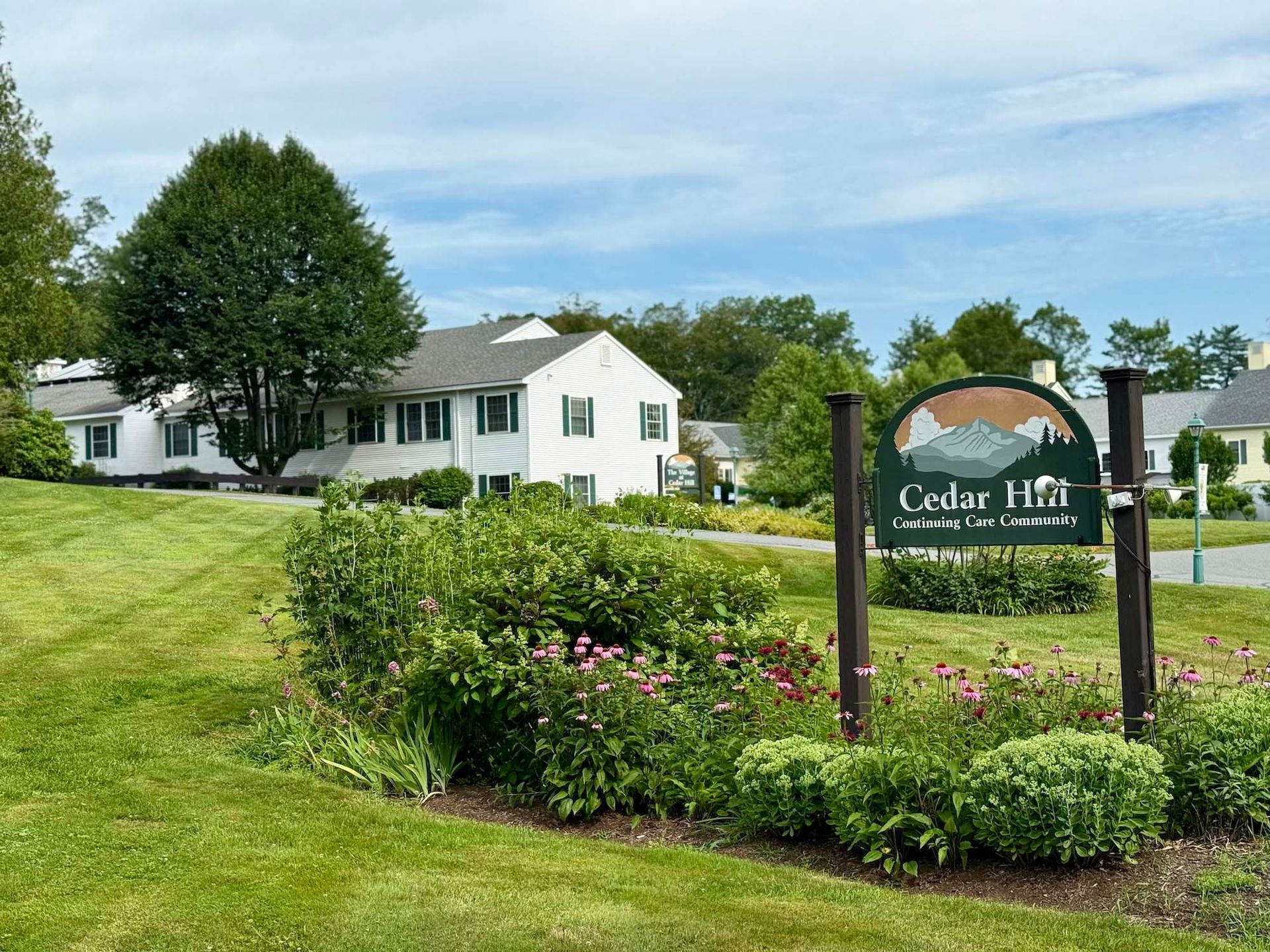
For example, Cedar Hill Continuing Care Community has maintained an Adopt-a-Grandparent program since 1988. Through this initiative, kindergarten through eighth-grade students from local schools are given the opportunity to pair with residents. This creates a consistent rhythm of connection throughout the academic year and anchors the community within the broader local culture.
Families seeking more information about how long-standing community traditions support daily life can review comprehensive Cedar Hill resources. Programs with decades of history demonstrate a community's true integration with the surrounding town. This level of connection ensures that residents remain active, visible participants in society.
Supporting Cognitive Health and Memory
Intergenerational programs are particularly beneficial for individuals experiencing cognitive changes. The presence of children often triggers deep, long-term memories related to an individual's own experiences with parenting or childhood. These foundational memories frequently remain intact even when short-term memory begins to decline, allowing for joyful recall.
Interacting with a child relies heavily on emotional communication rather than complex verbal reasoning. A shared smile, the completion of a simple puzzle, or listening to a song requires no advanced memory recall. This allows individuals with cognitive impairment to experience success and interpersonal connection without the frustration of forgotten words or names.
Because of this profound emotional impact, tailored memory care activities frequently incorporate visits from younger groups. Behavioral expressions of memory loss, such as pacing or repetitive questioning, often stem from unmet needs for engagement. The focused, non-judgmental attention of a visiting student can effectively soothe these anxieties, creating a peaceful and positive environment.

Redefining Purpose in Later Life
A common challenge faced by individuals as they age is a shifting sense of identity. Retiring from a career, managing physical limitations, or moving out of a long-time family home can sometimes lead to feelings of diminished usefulness. Connecting with younger generations directly counteracts this by providing a clear, immediate role.
When a student asks an older adult for help with reading or seeks their advice on a project, the older adult is instantly placed in a position of authority and respect. They are actively providing guidance and shaping a younger person's perspective. This shift in dynamics is incredibly empowering and rebuilds confidence.
Society frequently frames aging entirely around the concept of receiving assistance. By positioning individuals as teachers, storytellers, and friends to younger people, these initiatives actively dismantle those stereotypes. They remind the broader community that older adults are essential, contributing members of the cultural ecosystem, fully capable of making a lasting impact.
Frequently Asked Questions
What are intergenerational programs for seniors?
Intergenerational programs for seniors are structured activities designed to bring older adults and younger generations—often schoolchildren or university students—together for ongoing interaction. These programs move beyond occasional visits, focusing on building consistent, meaningful relationships through shared activities like reading, art, or gardening.
The primary goal is to foster mutual respect, reduce social isolation, and provide cognitive stimulation. By establishing a routine of interaction, these programs build lasting bonds that enrich the daily lives of everyone involved.
How do these programs benefit younger participants?
Children and students who participate in these initiatives gain valuable social skills and a deeper sense of empathy. Interacting with older adults helps younger individuals develop patience, improves their communication abilities, and broadens their historical perspective.
It also provides them with attentive, supportive mentors who offer a different type of guidance than parents or teachers. Students often display increased confidence and a greater appreciation for the aging process after participating in these regular visits.
Do these activities require active physical participation?
No, these programs are highly adaptable to accommodate all physical abilities. While some activities might involve light gardening or walking, the vast majority are designed to be accessible to everyone.
Reading together, completing puzzles, sharing stories, or creating art can all be done comfortably from a seated position. This inclusive approach ensures that individuals with mobility challenges or physical limitations can fully participate and enjoy the connection without physical strain.
How often do these interactions typically occur?
The frequency of these interactions depends entirely on the specific community and its partnerships with local schools or organizations. Some neighborhoods host weekly visits integrated into a school's standard academic curriculum, providing a highly predictable routine.
Other programs may coordinate monthly events, seasonal holiday celebrations, or summer camp integrations. Consistent, scheduled visits generally provide the highest level of emotional benefit, as participants look forward to seeing familiar faces.
Are these programs safe for individuals with cognitive decline?
Yes, interactions with children are often highly beneficial and safe for individuals experiencing memory loss or cognitive decline. Trained professionals carefully supervise these visits to ensure a calm, positive, and structured environment for both the students and the adults.
Because children communicate largely through emotion, play, and simple presence, these interactions allow individuals with cognitive challenges to connect joyfully. They remove the pressure of complex conversation, allowing for authentic, stress-free engagement.
Conclusion
The inclusion of intergenerational programs for seniors is a powerful indicator of a community that values holistic well-being. These carefully structured interactions go far beyond simple entertainment or passing the time. They provide essential cognitive stimulation, reduce feelings of isolation, and restore a profound sense of purpose for older adults. By fostering genuine, ongoing connections between generations, communities ensure that their residents remain active, respected, and deeply engaged with the world around them. When families prioritize these vibrant social opportunities, they help secure a fulfilling, joyful daily life for the people they care about most.
Cedar Hill Continuing Care Community is a family-owned organization in Windsor, Vermont, dedicated to providing a full continuum of supportive living options. The community offers independent living, assisted living, specialized memory care, and skilled nursing within a welcoming, dignified neighborhood. For more information about available living options, community events, and supportive resources, please visit https://www.cedarhillccc.com/.