
The Importance of Specialized Fall Prevention in Assisted Living

Families exploring senior living options frequently share a common, primary concern: physical safety. The risk of a serious fall often drives the decision to seek a more supportive environment. Understanding the structured approach to fall prevention in assisted living provides clarity for adult children and older adults navigating this transition. This article outlines how environmental modifications, proactive physical activity, and consistent staff monitoring create a safer daily life compared to an unmodified private home.

The Hidden Risks of an Unmodified Private Home

Most private residences were simply not designed to accommodate changing mobility needs. While a family home offers profound emotional comfort and familiarity, its structural realities often present significant dangers for individuals experiencing changes in balance or vision. Standard homes contain numerous hidden hazards that increase the likelihood of an accident, often in ways that families overlook until an emergency occurs.


Throw rugs, electrical cords, and narrow pathways between heavy furniture create immediate tripping risks for individuals using walkers or canes. Multi-story homes present the daily challenge of navigating steep staircases, which require a level of joint stability and cardiovascular endurance that can fluctuate. Even a single step down into a sunken living room or a raised threshold between a hallway and a bedroom can disrupt a person's footing.


Bathrooms in traditional homes present some of the most dangerous environments. Stepping over the high wall of a standard bathtub requires standing on one leg on a potentially wet, slippery surface. Additionally, inadequate lighting in hallways and staircases makes nighttime navigation hazardous. Modifying a private home to eliminate these risks requires significant financial investment, such as installing stairlifts or completely remodeling bathrooms. Even with modifications, a private home lacks the consistent supervision necessary to guarantee safety, which is why many families begin exploring professional alternatives.

Environmental Modifications for Fall Prevention in Assisted Living

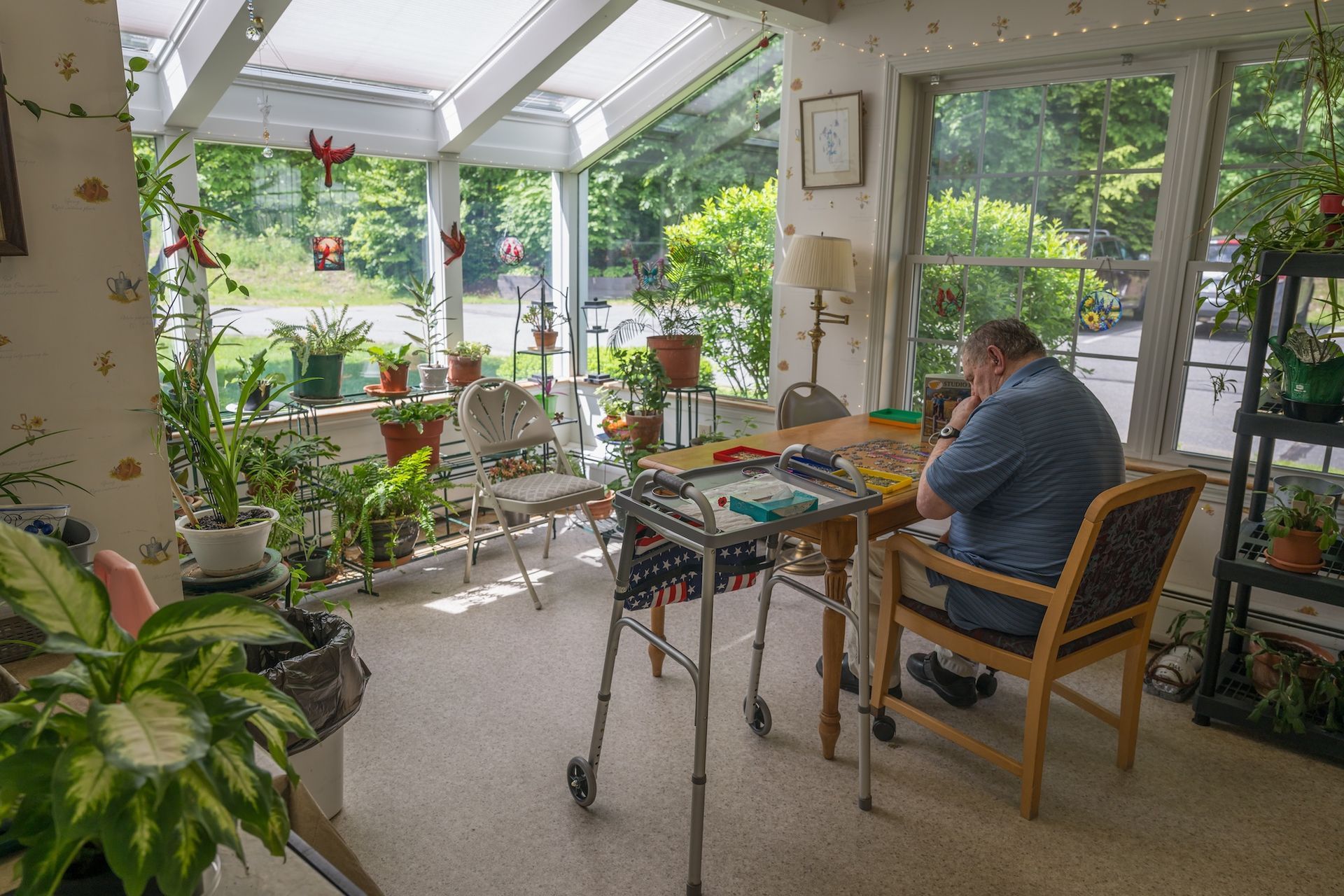
A key distinction between a private house and a supportive community is the intentional architectural design. The foundation of fall prevention in assisted living relies on comprehensive environmental modifications that systematically remove common hazards. These communities are constructed or extensively renovated with accessibility as the primary structural focus, creating spaces where older adults can navigate independently and safely.


Hallways are intentionally wide to easily accommodate wheelchairs and walkers, brightly lit to reduce shadows that distort depth perception, and equipped with continuous, sturdy handrails. Flooring is specifically chosen to be non-slip and glare-free. Transitions between different types of flooring are smooth and level, eliminating the raised thresholds that frequently catch the front wheels of a walker or cause an individual to stumble.


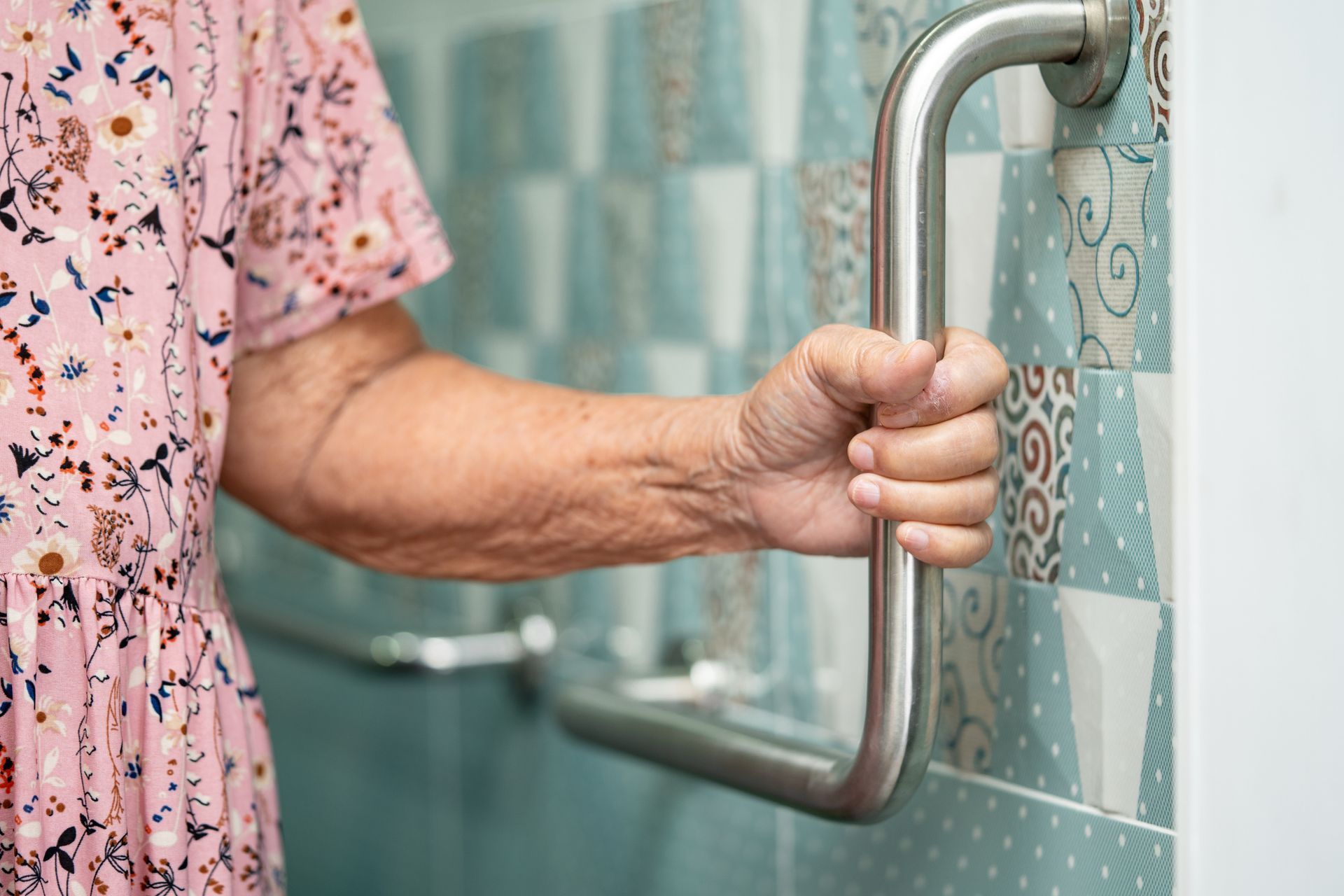
In residential apartments, bathrooms are engineered for ultimate safety. They feature zero-entry, walk-in showers with built-in seating, allowing individuals to bathe without stepping over a ledge. Strategically placed grab bars are anchored securely into the walls near the toilet and shower areas to assist with sitting and standing. These structural choices empower individuals to manage their personal hygiene with greater confidence and significantly reduced risk. Families exploring residential options often find that these built-in safety features provide immediate relief from the chronic worry associated with unmanaged home hazards.

The Role of Regular Physical Activity and Balance Maintenance

Physical strength and balance are critical internal components of preventing accidents. When older adults live alone in a large house, they may become less active due to a fear of falling. This fear often leads to a sedentary lifestyle, which paradoxically accelerates muscle weakness, decreases joint flexibility, and ultimately increases their risk of an accident. A structured community environment actively addresses this by making physical activity accessible, safe, and encouraging.


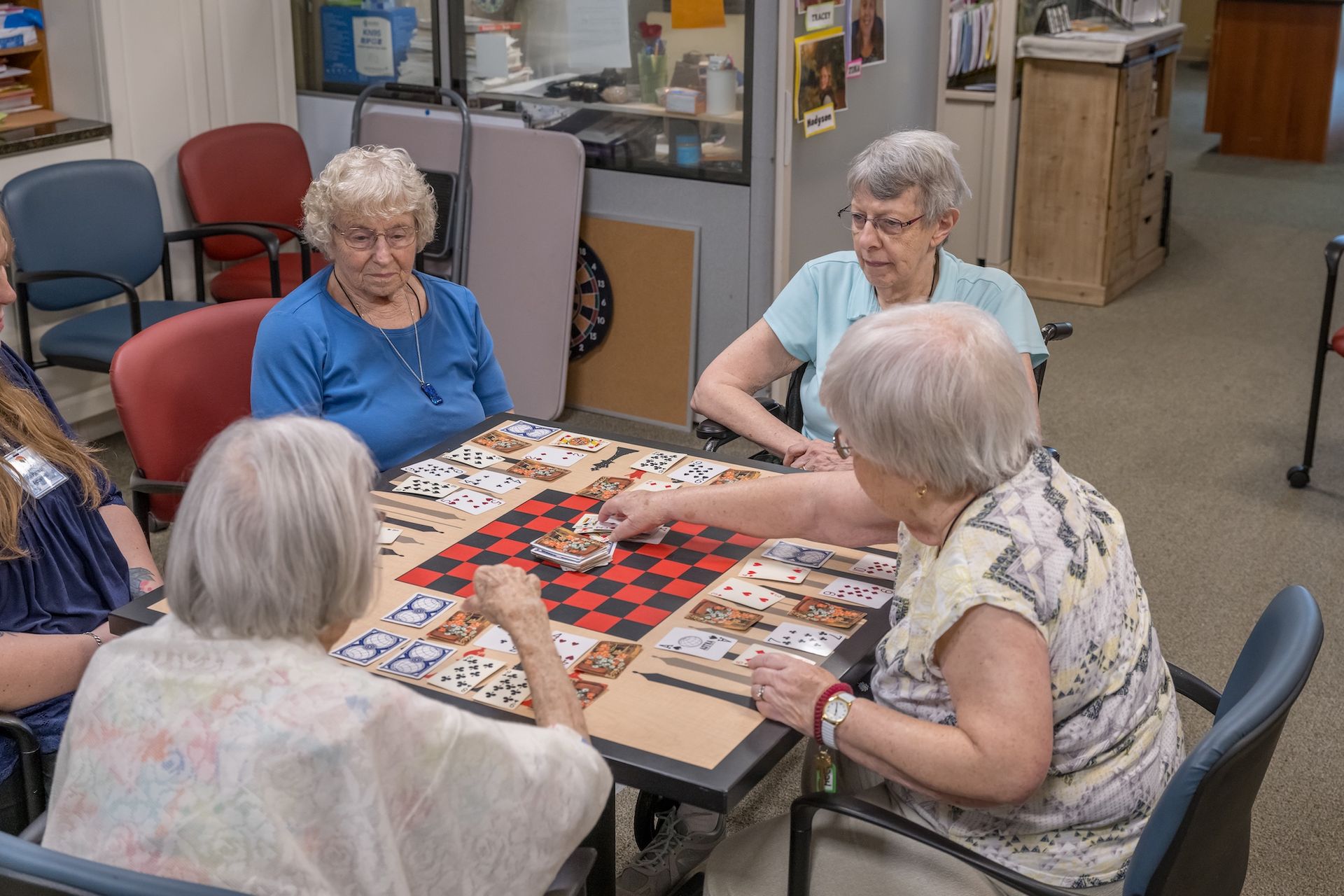
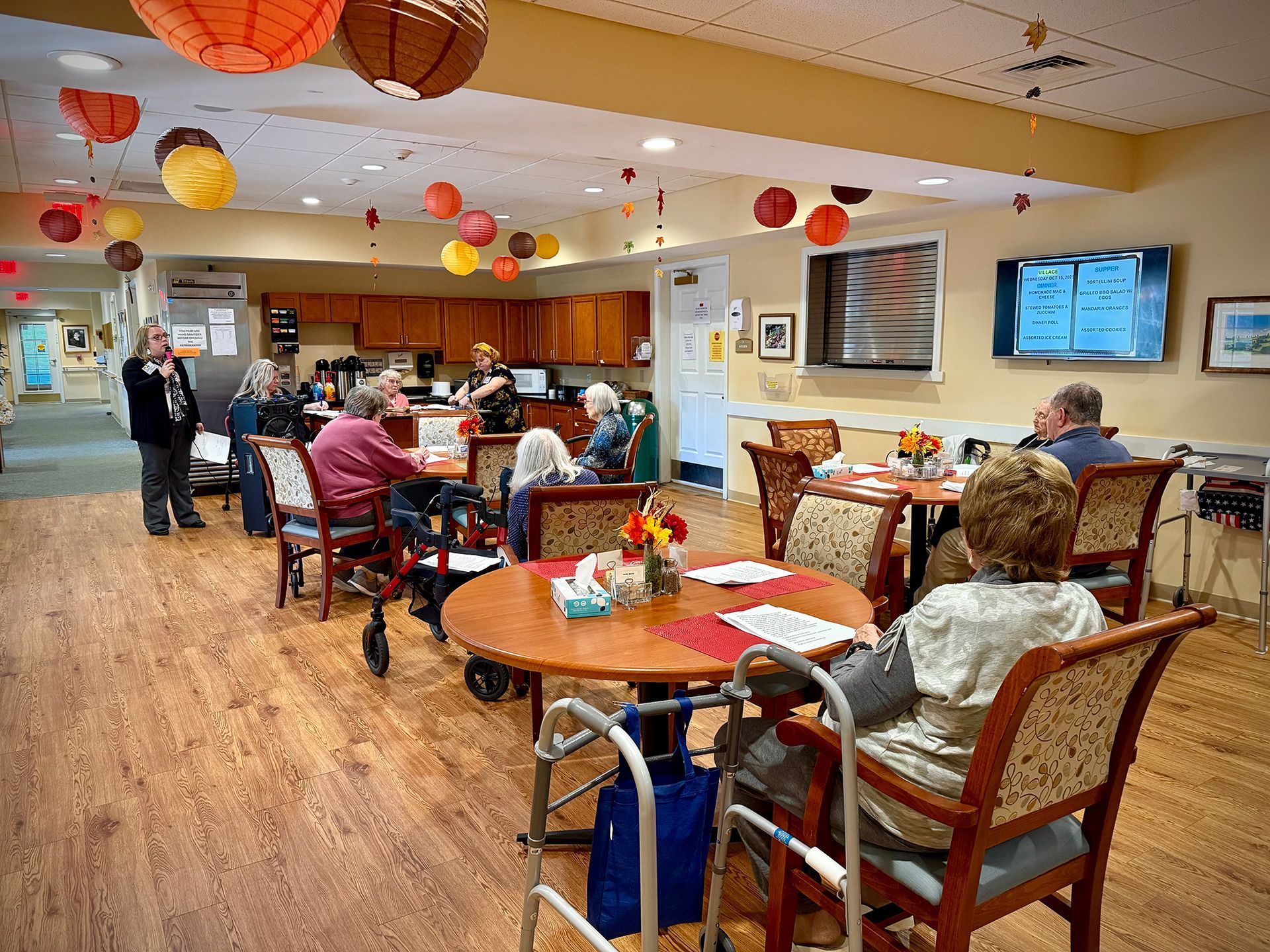
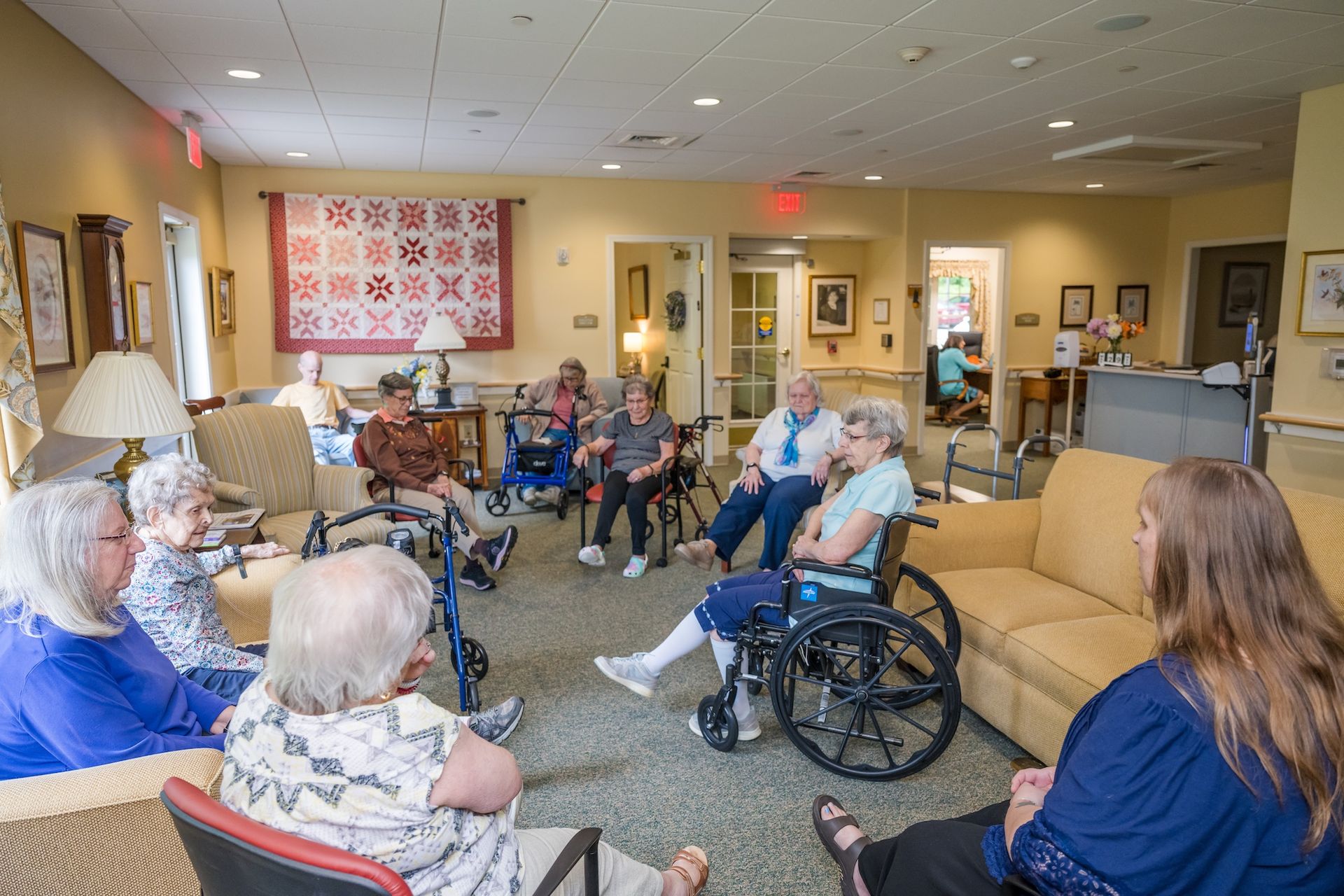
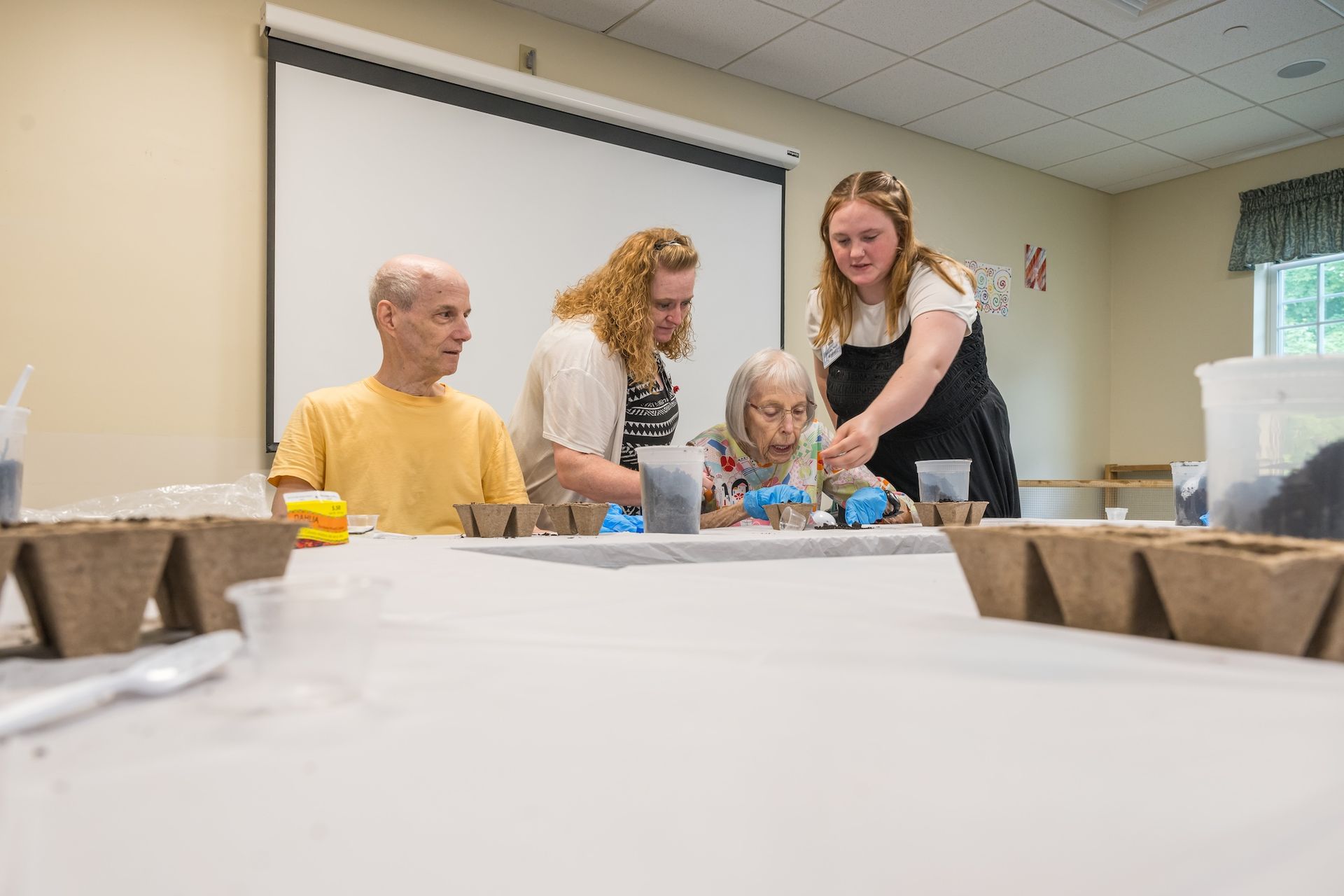
Supportive neighborhoods typically offer daily, professionally guided exercise routines tailored to various mobility levels. These programs focus heavily on maintaining the specific muscle groups required for stability. Activities may include seated yoga to improve core strength, light resistance training to maintain muscle mass, or guided stretching to ensure joint mobility.


Participating in structured activities at Cedar Hill CCC helps individuals maintain the coordination necessary to catch themselves if they lose their balance. Furthermore, exercising in a group setting provides social motivation, making residents far more likely to participate consistently than if they were attempting to exercise alone at home. Engaging in regular, supervised movement builds physical resilience, making individuals steadier on their feet and better equipped to navigate their daily routines safely.

Staff Monitoring and Rapid Response Systems

Even with the best environmental modifications and physical conditioning, the potential for an accident cannot be entirely eliminated. The most significant advantage of a community setting is the constant presence of trained professionals. Staff members provide consistent oversight, noticing subtle changes in an individual's gait, posture, or energy levels that a family member might easily miss during a brief weekend visit.


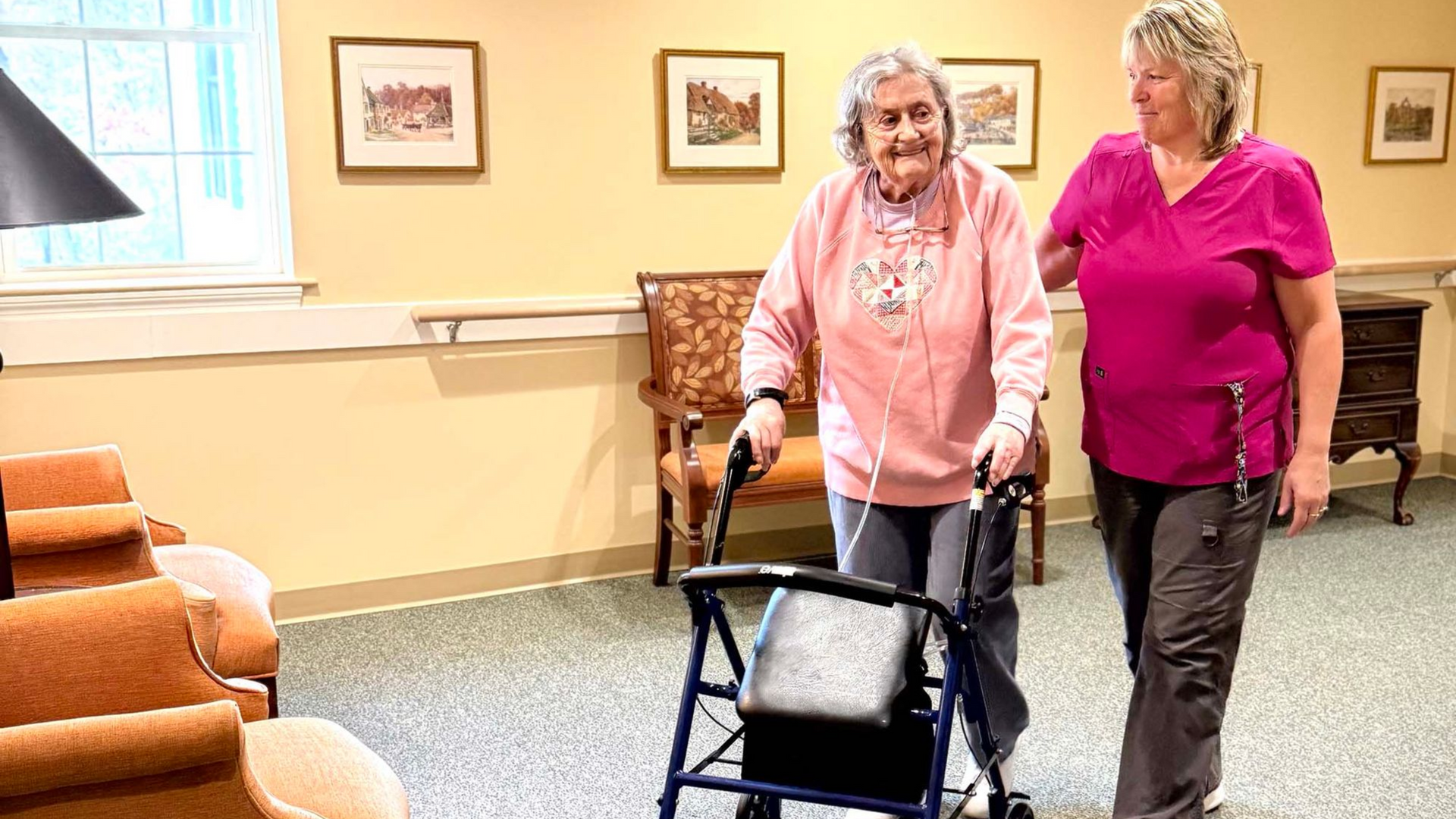
If an individual requires assistance with specific tasks, such as transferring from a bed to a chair or navigating to the dining room, trained personnel are immediately available to help. This eliminates the dangerous necessity for the individual to attempt unsafe movements alone out of frustration or a desire to avoid bothering a busy family caregiver.


Furthermore, apartments and common areas are equipped with dedicated emergency call systems. These may include pull cords in the bathrooms, wearable pendants, or wall-mounted buttons. If a fall does occur, an individual can summon immediate professional help. This rapid response system drastically reduces the time a person spends waiting for assistance, minimizing the severity of potential injuries and providing a critical safety net that a private home cannot replicate.

Customizing Support to Individual Needs

Safety protocols in a supportive environment are never a one-size-fits-all approach. Upon moving into a community, each individual undergoes a thorough physical and medical assessment. This evaluation looks at their specific medical history, current prescription medications, vision changes, and existing mobility challenges to identify highly personal risk factors.


Based on this comprehensive assessment, a personalized support plan is created and implemented. For example, if an individual is prescribed a new medication known to cause temporary dizziness or blood pressure drops, the clinical staff will increase their monitoring and assistance during the adjustment period. If a resident requires a specific type of assistive device, the care team ensures it is properly fitted and that the resident knows how to use it correctly on different surfaces.


These personalized plans are continuously updated. As an individual's physical needs evolve over time, the level of daily assistance they receive adapts accordingly. Families reviewing FAQs about assisted living can gain a better understanding of how these individualized, flexible support plans are managed to ensure continuous, proactive safety throughout an individual's residency.

Frequently Asked Questions

  • How do supportive communities assess an individual's specific risk of falling?

    Assessments typically begin before an individual even moves into their new apartment. Clinical staff conduct a thorough review of the person's medical history, recent hospitalizations, and all current medications. They also observe the individual's physical movements, evaluating their gait speed, core balance, and how effectively they use assistive devices like canes or walkers.


    This comprehensive evaluation helps the care team identify specific vulnerabilities, such as a tendency to shuffle or a reliance on furniture for support. By understanding these exact physical habits, the staff can create a highly tailored support plan, determining exactly how much daily assistance is required to mitigate those specific risks.


  • What happens if an accident occurs despite preventative measures?

    If an incident occurs, the immediate priority is medical assessment and stabilization. Communities are equipped with emergency call systems in all private apartments and common areas, allowing trained staff to respond within moments.


    Following the response, the individual is carefully evaluated by a nurse or medical professional to determine the extent of any injuries. Families are promptly notified of the event and the individual's condition. Crucially, the care team then conducts a review of the incident to understand why it happened, allowing them to adjust the individual's personalized support plan to prevent future occurrences.

  • Are residents required to participate in daily exercise programs?

    Participation in physical activity is always voluntary, as maintaining personal agency and choice is a core tenet of dignified support. However, activities coordinators and care staff highly encourage individuals to join in.


    To promote participation, communities offer a wide variety of classes designed to accommodate all mobility levels, ensuring that everyone can find a safe and enjoyable way to move. The goal is to make physical movement a natural, social, and highly anticipated part of the daily routine rather than a mandatory clinical task.

  • Can prescription medications increase the likelihood of an accident?

    Yes, certain medications are a leading internal cause of balance issues. Drugs prescribed for high blood pressure, sedatives, sleep aids, or medications with side effects like dizziness and dehydration can significantly compromise an individual's physical stability.


    In a supportive community, trained medication technicians or nurses manage the administration of these prescriptions. This professional oversight ensures that medications are taken at the correct times and dosages. Furthermore, staff continuously monitor individuals for any adverse side effects that might affect their balance, communicating with prescribing doctors to adjust treatments if necessary.

  • How does a clutter-free environment contribute to daily safety?

    Clutter is a primary environmental hazard that severely restricts safe movement. Loose throw rugs, low coffee tables, trailing electrical cords, and accumulated personal items create immediate and often unpredictable tripping hazards, especially for those with reduced vision.


    Professional communities mandate clear, wide walkways in both shared common areas and private apartments. Dedicated housekeeping services ensure that personal spaces remain organized, clean, and free of debris. This systematic approach to cleanliness and spatial organization guarantees that individuals always have a clear, safe path to navigate their home.

Conclusion

Ensuring physical safety is a primary objective when planning for long-term support. A private home, while holding immense emotional value, often presents unmanageable structural hazards as mobility needs change. The comprehensive approach to fall prevention in assisted living provides a secure, proactive alternative. Through intentional architectural design, regular physical activity programs, and vigilant professional monitoring, these communities drastically reduce the risks associated with living alone. This structured environment offers older adults a safer, more confident daily life while providing their families with enduring peace of mind.


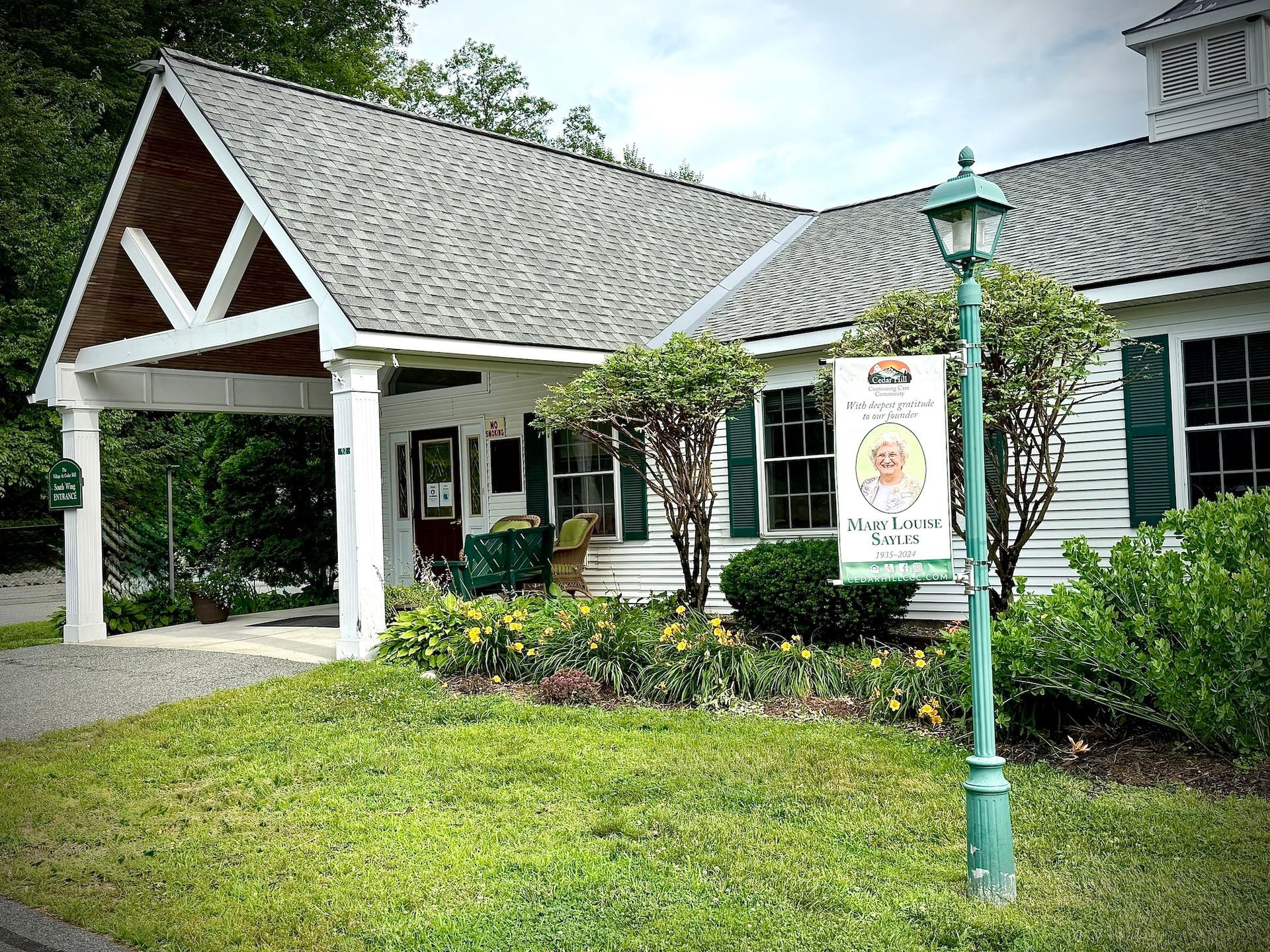
Cedar Hill Continuing Care Community provides a welcoming, respectful environment for older adults seeking independent living, assisted living, memory care, and skilled nursing. Located in Windsor, Vermont, the community offers a continuum of care focused on dignity, personalized support, and creating a vibrant, safe neighborhood for all residents. Families looking for guidance on care options can explore more resources at https://www.cedarhillccc.com/.

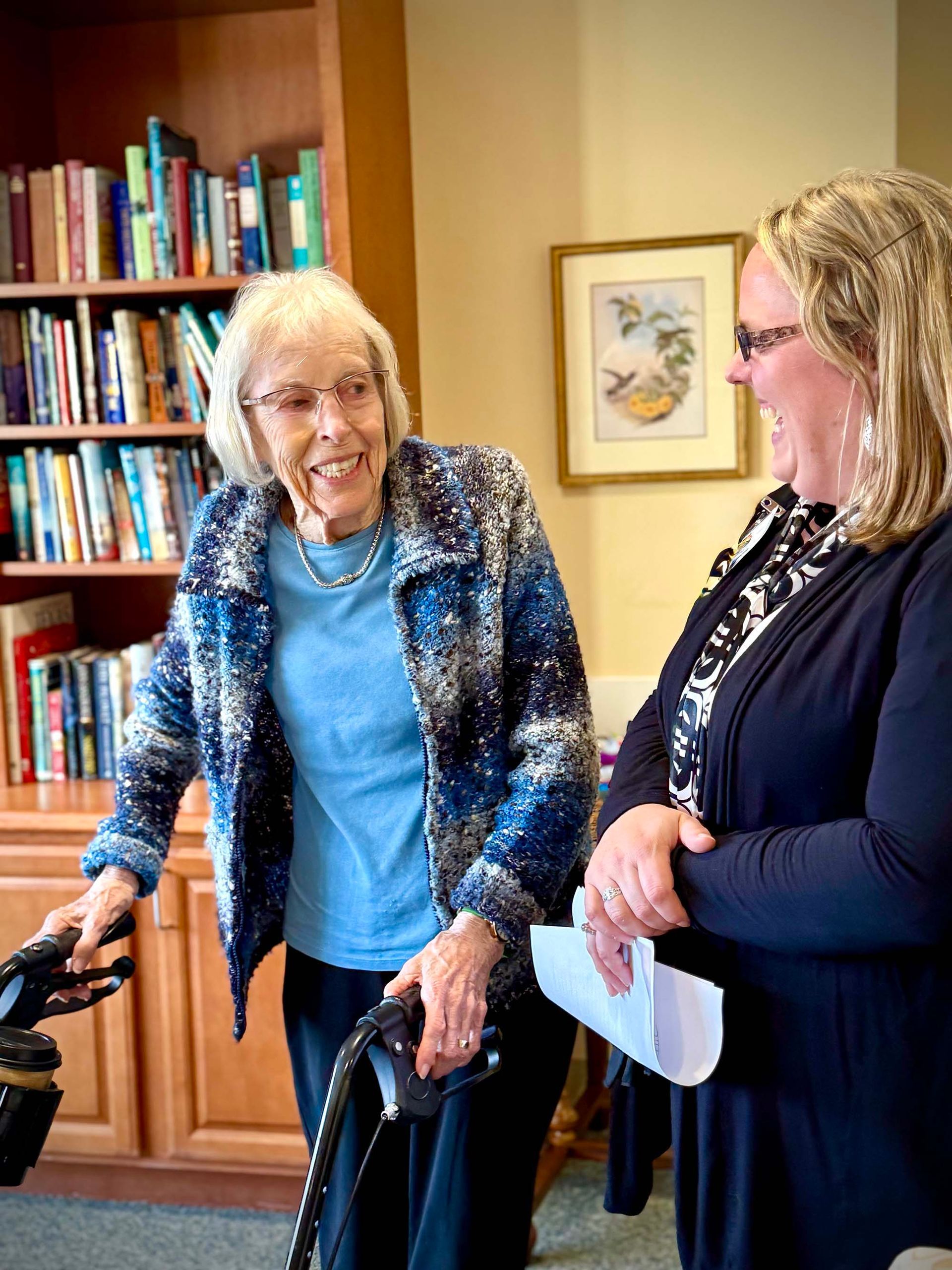
Two women talking indoors near a bookshelf, one using a walker and smiling
May 13, 2026
Learn the key differences between Medicare and Medicaid for senior care, including coverage, eligibility, long-term care, and costs.
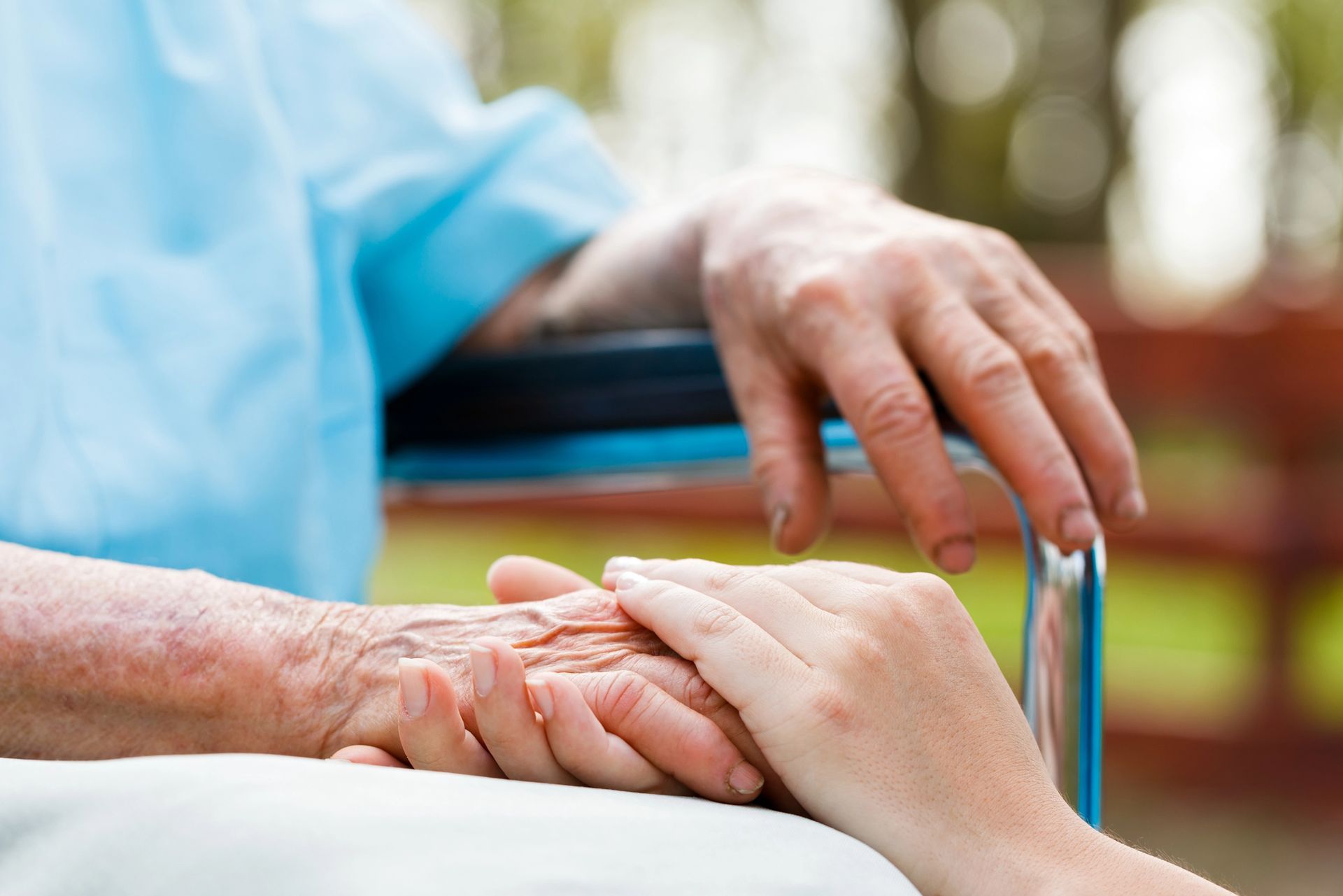
A person gently holds the wrinkled hand of another person sitting in a wheelchair.
April 16, 2026
Discover how intergenerational programs in Vermont help seniors stay connected, engaged, and fulfilled through meaningful relationships.
A child and an older adult laugh while facing each other, seated together in a sunlit room.
April 15, 2026
Struggling with caregiver guilt? Learn how to find peace when moving a parent to assisted living with compassionate guidance and support.
A care worker in a teal uniform walks with a smiling resident outside the entrance of a memory care facility.
March 13, 2026
Learn the difference between normal forgetfulness and dementia. Discover warning signs and when it may be time to consider memory care in Vermont.
A sign reading
March 12, 2026
Discover pet-friendly assisted living in Vermont at Cedar Hill in Windsor. Learn how pets improve seniors’ health, happiness, and sense of home.
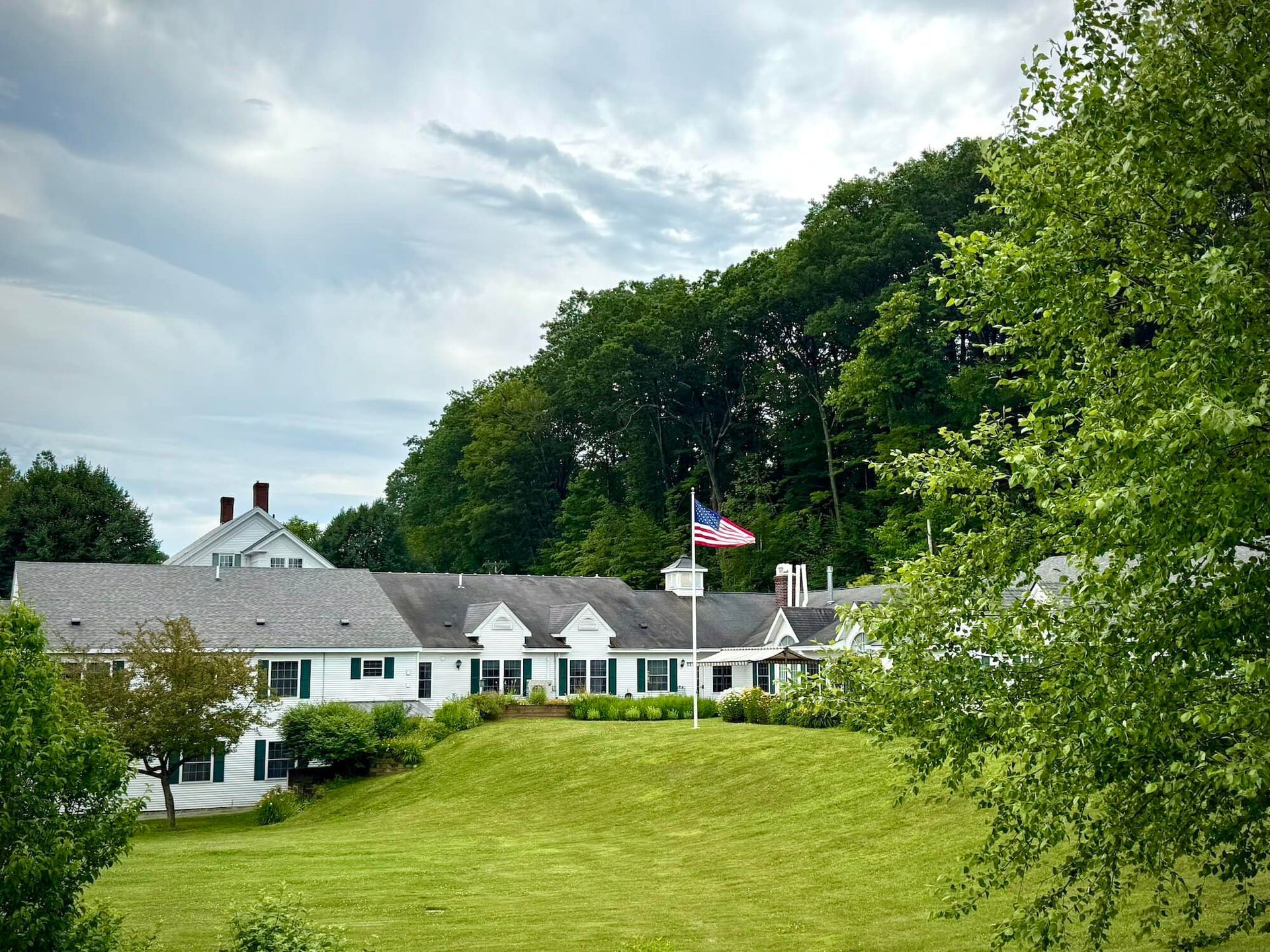
Long, white building with black shutters, American flag, and green lawn, surrounded by trees.
February 27, 2026
Learn the hidden costs of aging in place with assisted living in Vermont. Learn true expenses, practical factors, and how community living can simplify care planning
Elderly couple smiling, one with arm around the other, inside a home.
February 27, 2026
Discover how couples in Windsor, VT can stay together in assisted living, even with differing care needs, while maintaining connection and independence.
Person walking on a snow-covered brick path, using a cane for support.
January 1, 2026
Practical winter safety guidance for Upper Valley families caring for seniors, covering icy hazards, cold risks, home prep, and weather‑related precautions.
Two older women seated at a table, conversing indoors. One wears glasses and a patterned shirt.
January 1, 2026
A clear, plain‑English guide for Vermont families explaining Medicaid Pending status, long‑term care costs, timeline, and what to expect.
Two older women sitting at a table; one in blue shirt, other is partially visible. Bookshelves in background.
December 8, 2025
Discover essential long-term care planning strategies for your future. Learn about care options, financial planning, and legal documents to ensure peace of mind.
Show More