

When older adults and their families begin planning for the future, the conversation often starts with the desire to remain in the family home. Staying in familiar surroundings feels comfortable and is frequently assumed to be the most affordable option. However, accurately comparing the costs of aging in place vs. assisted living requires a closer look at expenses beyond a mortgage payment.
For families and caregivers in Vermont, understanding these financial realities is an essential step in planning for long-term safety and peace of mind. A comprehensive evaluation of homeownership reveals a variety of hidden costs, from ongoing property maintenance to the price of in-home support services. Community living consolidates many of these unpredictable expenses into a predictable monthly structure. This article explores the financial and practical breakdown of maintaining a home versus transitioning to a supportive
community.

The Financial Reality of Property Maintenance
Even after a mortgage is fully paid off, living in a private residence still incurs substantial monthly and annual expenses. Property taxes remain a significant, often increasing, financial obligation for homeowners. Standard utility costs, such as electricity, water, sewer, and internet, must be factored into the monthly budget. In New England, heating costs can be particularly volatile and account for a major share of household spending during the winter months. Homeowners must also maintain comprehensive property insurance.
Beyond utilities and taxes, homes require continuous upkeep. Appliances break down and need replacing. Plumbing systems and HVAC units require regular servicing by licensed professionals. Over several years, major structural components like the roof or foundation will eventually require costly repairs. These intermittent but inevitable expenses can create sudden financial strain for individuals living on a fixed retirement income.
Weathering the Vermont Seasons
Living in Vermont presents unique seasonal challenges that translate directly into hidden costs. Winter weather requires reliable snow removal services to ensure driveways and walkways are clear. This is a critical safety requirement to prevent falls and allow emergency services access if needed. Paying for seasonal plowing, shoveling, and roof snow removal adds a layer of recurring expense.
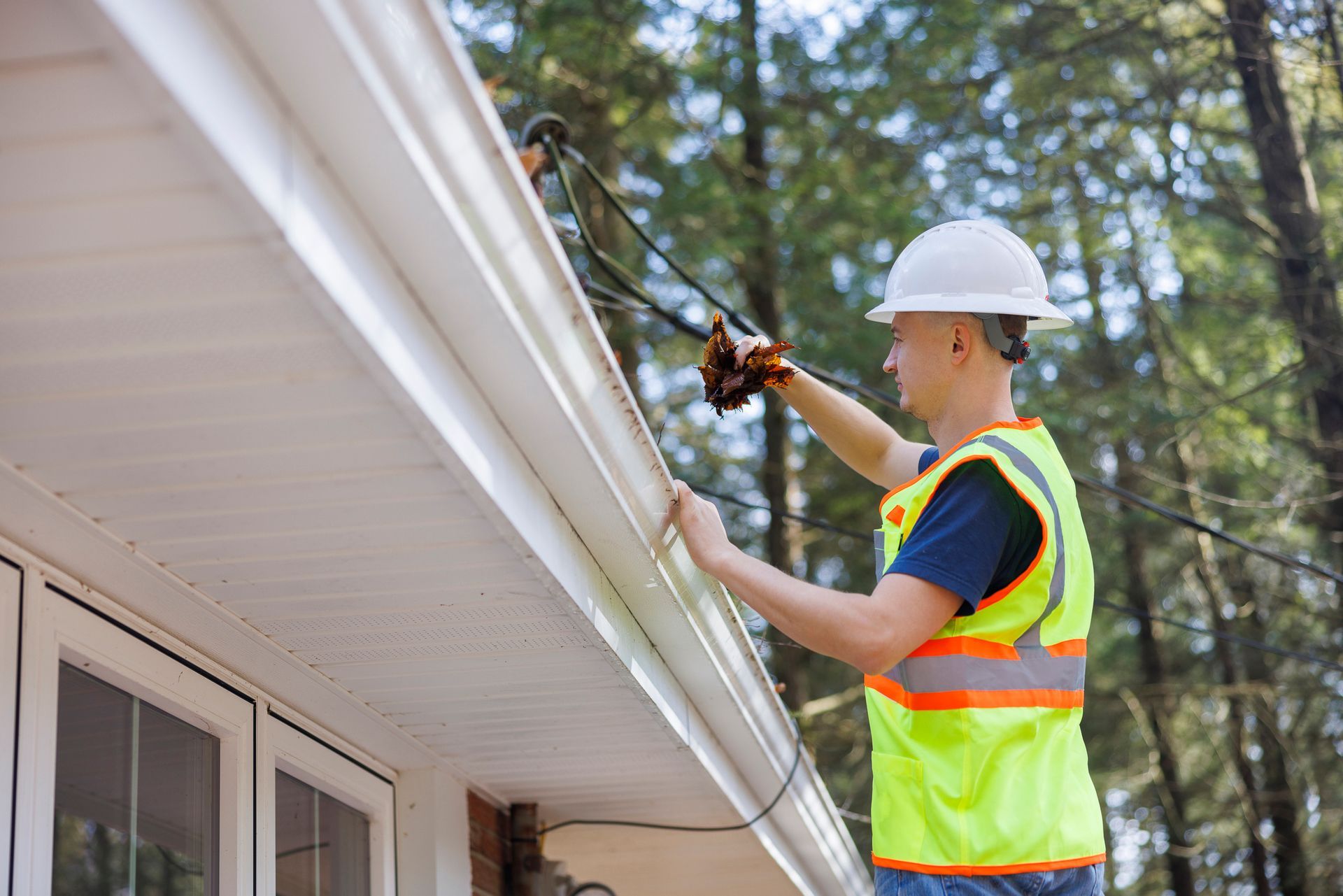
During the spring and summer, the focus shifts to lawn care, landscaping, and exterior maintenance. Hiring professionals for mowing and gutter cleaning becomes necessary when older adults can no longer safely perform these physical tasks. The financial burden of hiring contractors for every seasonal transition steadily increases the overall cost of remaining in a private home. These maintenance requirements also demand logistical management from family members, adding a practical burden alongside the financial one.

Modifying the Home for Accessibility
Most family homes were not designed with the physical changes of aging in mind. To make a house safe for an older adult experiencing mobility challenge, significant modifications are frequently required. Bathroom renovations are often the most urgent and expensive, typically involving the installation of walk-in showers and grab bars.
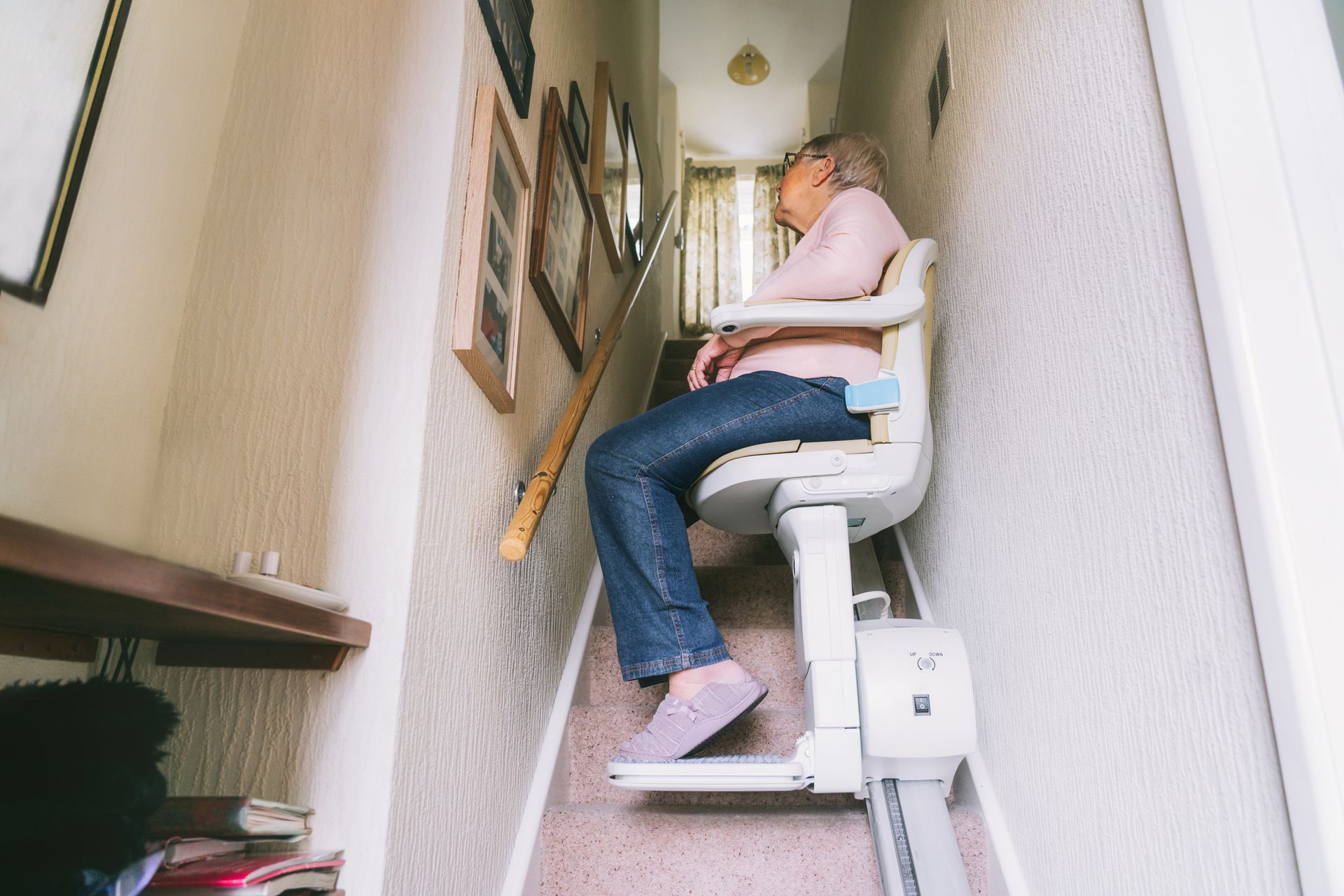
Other structural changes might include widening doorways for walkers, installing ramps at exterior entrances, and adding chair lifts to navigate stairs. Upgrading lighting systems to reduce the risk of falls also requires upfront capital. These modifications represent a substantial out-of-pocket investment that may not increase the property's resale value. When assessing the true cost of staying home, families must factor in the necessary accessibility renovations.
The Price of In-Home Support Services
As care needs evolve, remaining at home often requires bringing professional support into the
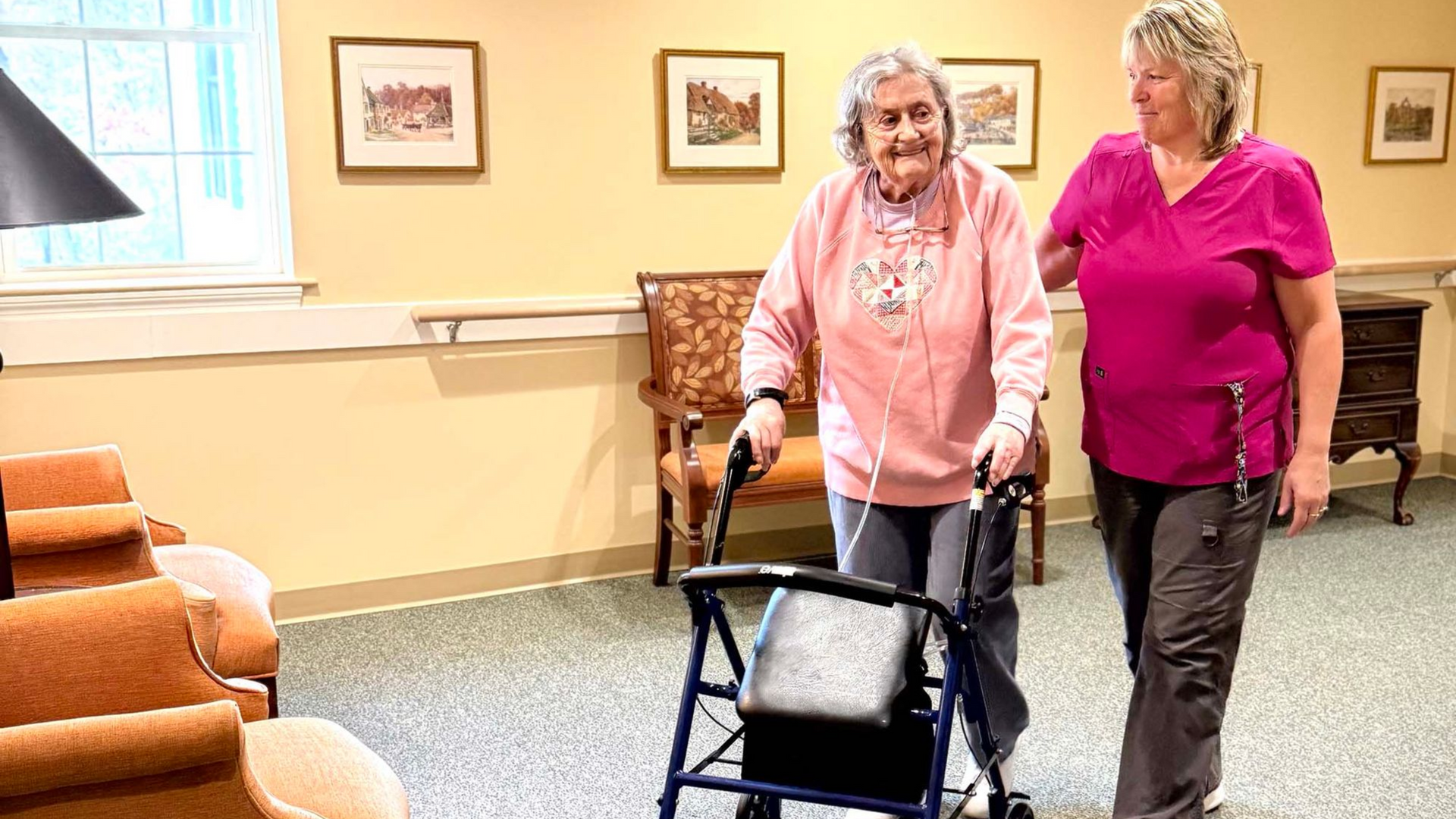
house. The cost of hiring in-home health aides or personal care assistants is a major factor in the financial breakdown. These professionals assist with activities of daily living, such as bathing, dressing, medication management, and meal preparation. Even a few hours of support each day can quickly surpass the cost of rent in a community setting. If 24-hour care becomes necessary, the financial requirement of employing around-the-clock shift workers is substantial.
Other supportive services carry their own costs. Grocery delivery fees, transportation services for medical appointments, and housekeeping assistance add up quickly. Coordinating these various agencies often falls to adult children, creating a complex management system. The piecemeal approach to hiring support can lead to unpredictable monthly expenses, complicating long-term financial planning.
Understanding the Cost of Aging in Place vs Assisted Living
When weighing the costs of aging in place vs. assisted living, it is helpful to consider how expenses are structured. Community living typically operates on a comprehensive model. Instead of paying separate bills for taxes, heating, home repairs, groceries, and property insurance, residents pay a consolidated monthly fee. This predictable structure allows individuals to budget accurately without fearing a sudden, expensive home repair.
In a supportive community setting, the monthly cost generally covers the residential apartment, all utilities, regular housekeeping, and daily meals. Maintenance is handled entirely by the community staff, eliminating the need to hire plumbers or snowplow drivers. For families looking to understand how these consolidated costs work, exploring resources like the ‘Paying for Assisted Living’ page can provide helpful context. The value of this model lies in shifting the burden of home management away from the older adult.

The Hidden Value of Connection and Convenience
The financial evaluation of care options must also account for intangible benefits like nutrition, safety, and social connection. In a private home, older adults may struggle to cook balanced meals, leading to nutritional decline. Communities provide professionally prepared, nutritionally balanced dining options that support physical health.
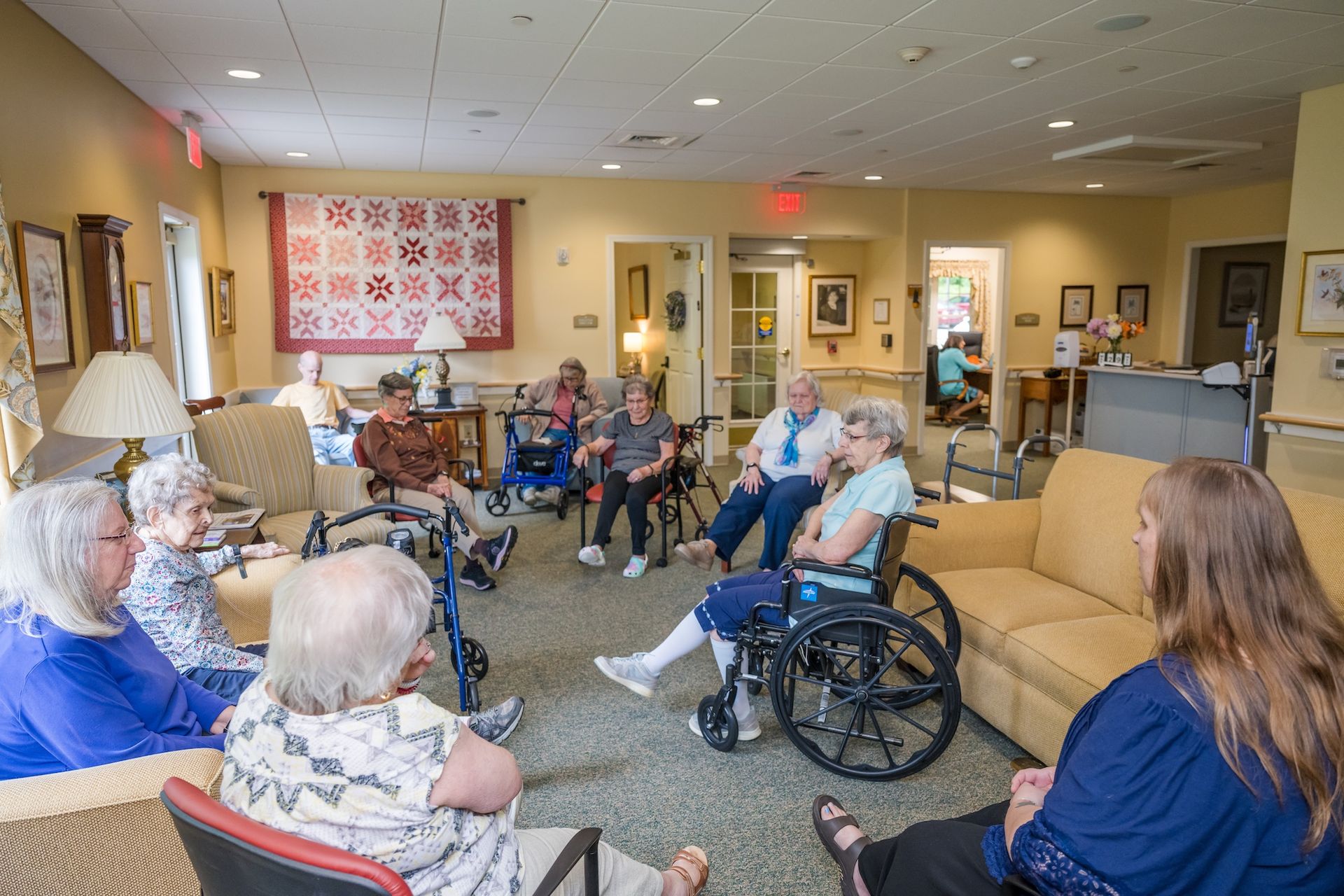
Living alone in a rural area can lead to social isolation, particularly during the winter months when travel is difficult. A community environment offers built-in socialization, providing access to peers and structured activities. Evaluating different residential options reveals how proximity to others contributes to a healthier lifestyle. The value of having staff available around the clock for emergencies also provides a level of security that cannot be easily replicated in a solitary house. This transition often revitalizes family relationships, enabling adult children to spend quality time during visits rather than managing property issues.
Frequently Asked Questions
What expenses should be included when calculating the cost of staying in a family home?
When evaluating the financial requirements of staying home, start with the baseline fixed costs. These include property taxes, homeowners' insurance, and standard utilities such as electricity, water, and heating fuel. It is also important to average out annual maintenance costs for appliances, plumbing, and structural repairs.
Next, factor in the services required to make daily life safe and manageable. This involves landscaping, snow removal, grocery delivery, and house cleaning. Finally, estimate the cost of personal care, such as hiring home health aides for medication management or assistance with daily routines.
Are home accessibility modifications generally covered by insurance?
Most standard health insurance plans do not cover the cost of structural home modifications. Expenses for widening doorways, installing walk-in showers, or adding stairlifts are typically paid out of pocket by the homeowner. These renovations require a significant upfront financial commitment.
Some specific grant programs or local initiatives may offer limited assistance for home modifications, but these often have strict eligibility requirements. Families should carefully budget for these necessary safety upgrades when planning to remain in a private residence long-term.
How does the cost of full-time home care compare to a community setting?
Hiring professional caregivers for full-time, round-the-clock support in a private home is generally one of the most expensive care options available. Because in-home care is typically billed by the hour, providing 24-hour coverage requires employing multiple shift workers, which quickly multiplies the monthly cost.
In a supportive community setting, the cost of round-the-clock staff availability is shared among the residents. This shared model makes professional care accessible at all times, often at a lower total monthly cost than full-time private home care.
Does moving to a community mean losing independence?
A common concern is that moving away from a private home results in a loss of freedom. However, an appropriate community setting is designed to support and extend independence by removing daily burdens. When individuals no longer have to worry about home maintenance, cooking, or cleaning, they have more time and energy to focus on their personal interests and hobbies.
Community living offers private apartments or rooms, allowing individuals to maintain their personal space and routines. The presence of supportive staff serves as a safety net, enabling older adults to engage in daily life with confidence rather than limiting their autonomy.
How can families begin comparing these financial options accurately?
The best approach is to create a comprehensive spreadsheet detailing the family home's current monthly and annual expenses. Be sure to include intermittent costs, such as roof repairs or seasonal plowing, and divide them by 12 to get a true monthly average.
Once the home expenses are clearly outlined, request detailed pricing structures from community living options. Compare the all-inclusive monthly fees against the total list of homeownership and piecemeal care costs. For further guidance on navigating these considerations, exploring the detailed frequently asked questions can provide helpful answers to common planning questions.
Conclusion
Making the decision about where to live during one's later years is a profound choice that impacts both financial stability and daily well-being. Accurately weighing the cost of aging in place vs assisted living requires looking beyond a paid-off mortgage to consider ongoing home maintenance, property taxes, and piecemeal care services. While the family home holds significant emotional value, the comprehensive nature of community living often provides a more predictable, supportive, and secure financial model. By consolidating living expenses, removing the burden of home upkeep, and ensuring immediate access to care and social connection, community living offers a practical solution that prioritizes long-term safety and peace of mind for older adults and their families.
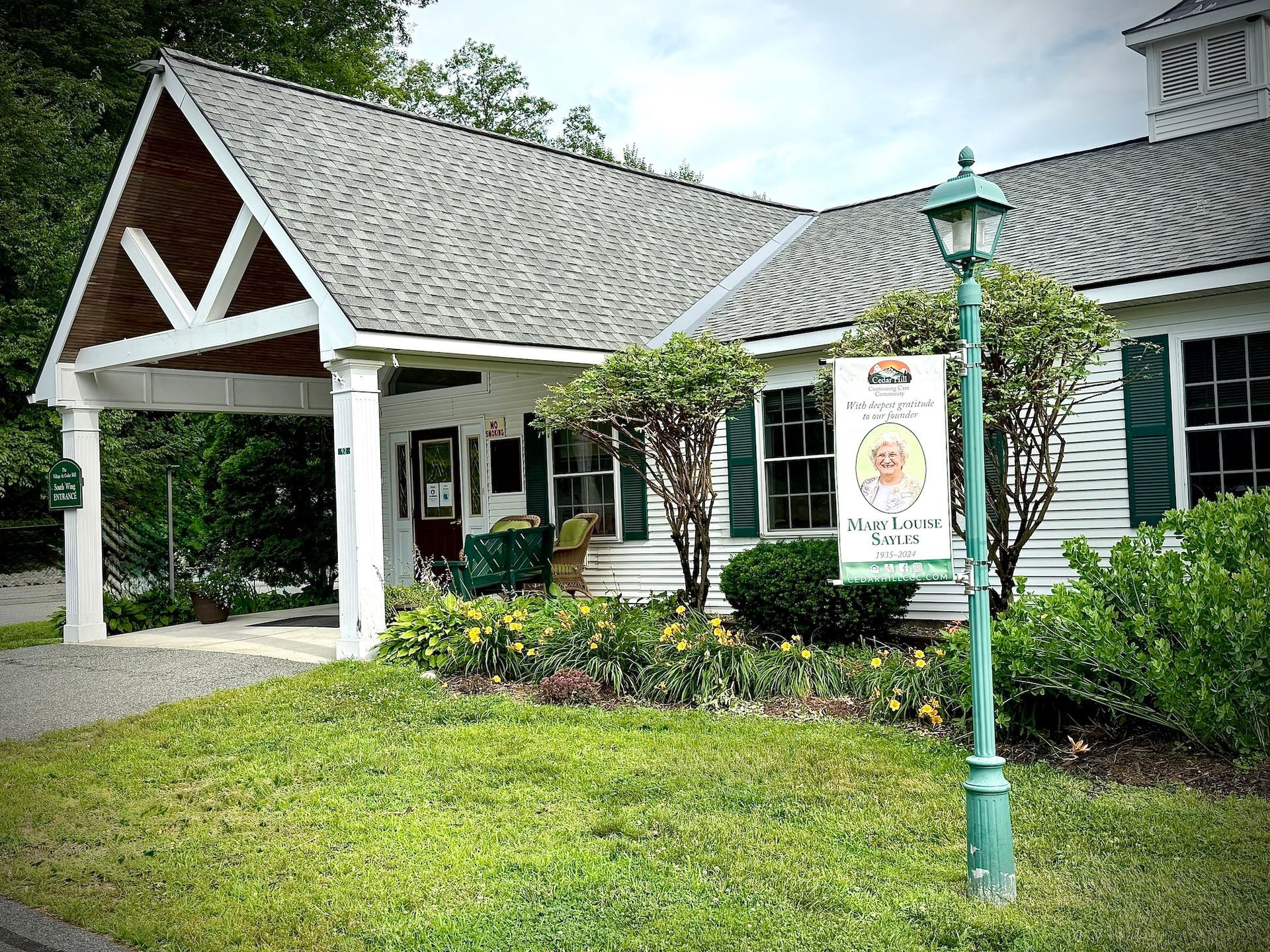
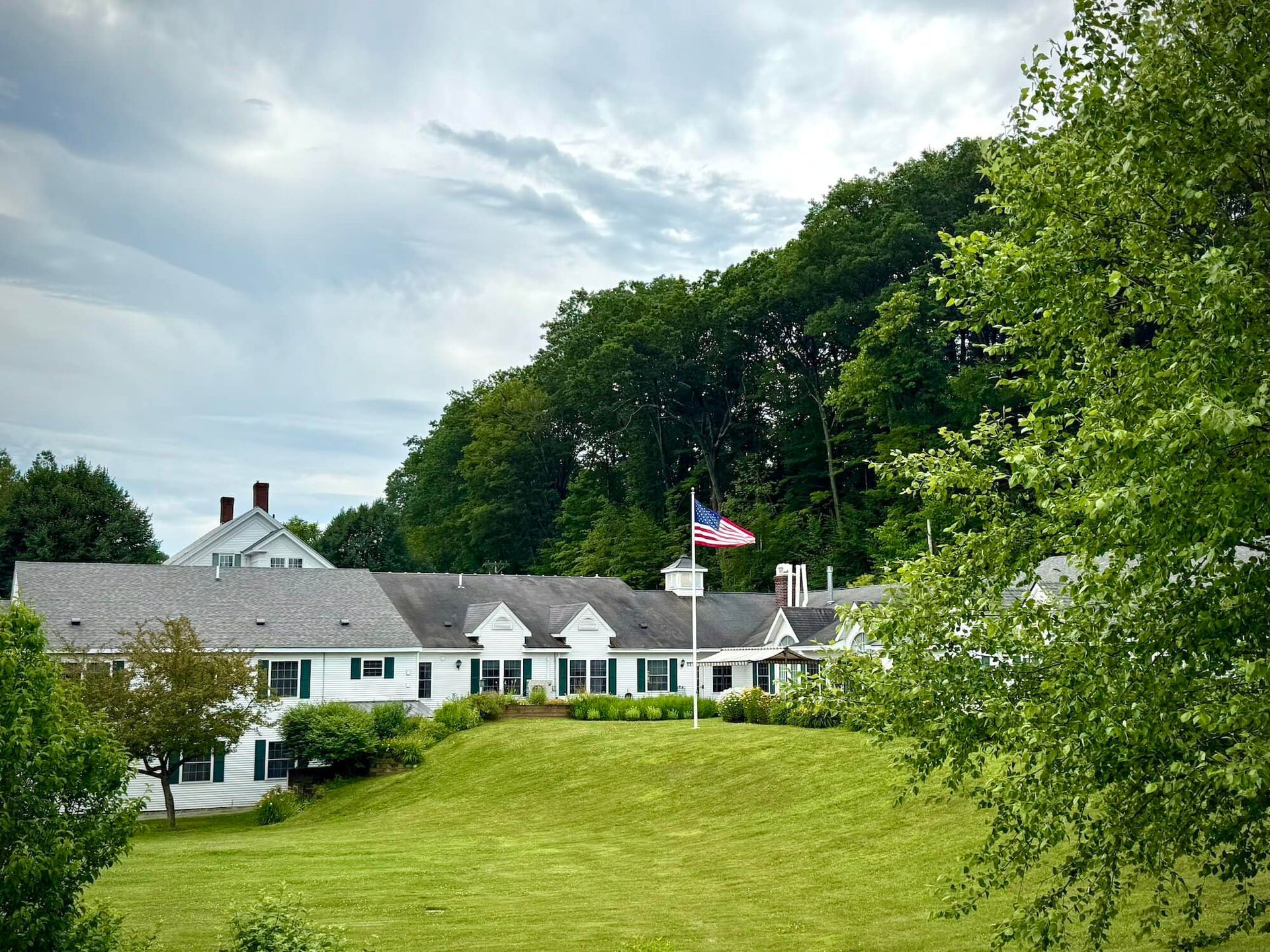
Cedar Hill Continuing Care Community offers a supportive, comfortable environment for older adults seeking independent living, assisted living, memory care, and skilled nursing. Located in Windsor, Vermont, the community provides personalized care plans, engaging daily activities, and a continuum of support designed to foster dignity and well-being. For more information about available living options, services, and amenities, please visit https://www.cedarhillccc.com/.