Winter Safety in the Upper Valley: When New England Weather Becomes a Risk Factor for Seniors
It's 6:30 AM on a Tuesday in February, and Margaret's daughter Sarah receives a phone call that makes her heart stop. Her 78-year-old mother slipped on black ice while retrieving the newspaper from the end of her driveway. A neighbor found her forty minutes later, disoriented and cold, sitting in two inches of fresh snow.
Margaret is fine now, recovering from a sprained wrist and minor hypothermia. But Sarah can't stop thinking about what might have happened if that neighbor hadn't been walking his dog early that morning. What if her mother had been there for hours? What if the temperature had been ten degrees colder, like it was just last week?
If you're caring for an aging loved one in Vermont or New Hampshire's Upper Valley, this scenario probably sounds familiar, or at least terrifyingly plausible. You worry every time the forecast calls for snow. You call to check in after every cold snap. You lie awake wondering if your parent is warm enough, safe enough, careful enough during these long New England winters.
You're not overreacting. Winter in the Upper Valley presents genuine, measurable risks for older adults, from icy walkways and sub-zero wind chills to power outages that can last for days. The good news is that with awareness, preparation, and the right support systems, these risks can be significantly reduced.
In this guide, we'll walk through exactly what makes New England winters particularly dangerous for seniors, provide practical strategies you can implement right now to keep your loved ones safe, and show you how facilities like Cedar Hill Continuing Care Community address cold-weather challenges through proactive monitoring and safety protocols. Whether your loved one is aging in place or you're considering a move to assisted living, this information will help you navigate the winter months with greater confidence and peace of mind.

What Makes New England Winters Dangerous for Seniors?
The Biology of Aging in Cold Weather
Let's start with something many caregivers don't realize: older adults experience cold differently than younger people. As we age, our bodies become less efficient at regulating temperature. Seniors produce less body heat, have thinner skin that provides less insulation, and often have reduced circulation that makes extremities especially vulnerable to cold.
Here's what's particularly concerning: many older adults don't recognize when they're getting too cold. The shivering response that alerts younger people to dangerous temperature drops becomes less pronounced with age. This means your loved one might be developing hypothermia without even realizing they need to add another layer or turn up the heat.
Additionally, certain medications commonly prescribed to seniors can interfere with the body's ability to regulate temperature. Beta blockers, some antidepressants, and medications for Parkinson's disease can all affect how the body responds to cold, making winter weather an even greater health risk.
Did You Know? Hypothermia can occur at indoor temperatures of 60-65°F for older adults, especially those with chronic health conditions. What feels "a little chilly" to you might be genuinely dangerous for your aging parent.
Upper Valley-Specific Weather Challenges
If you've lived in the Upper Valley for any length of time, you know our winters are not for the faint of heart. This region presents unique challenges that go beyond what you'd find in, say, southern New England:
Temperature Extremes: The Upper Valley regularly sees temperatures well below zero during January and February, with wind chills that can reach dangerous levels. These aren't occasional cold snaps—they're sustained periods of bitter cold that test heating systems and human endurance alike.
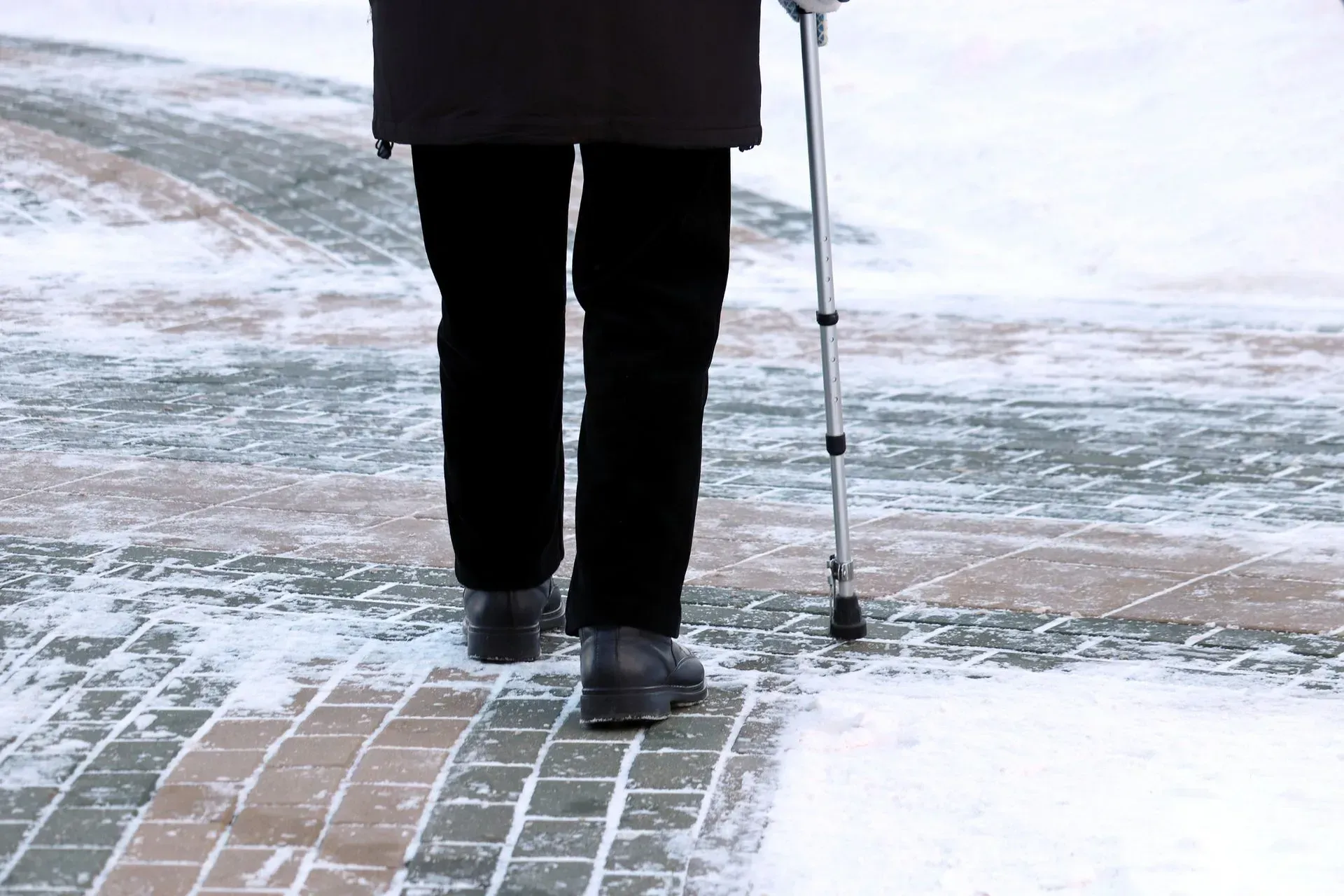
Unpredictable Ice Conditions: Our freeze-thaw cycles create treacherous black ice situations. Temperatures might climb to 40°F one afternoon, melting snow and ice, then plummet overnight to create invisible skating rinks on sidewalks, driveways, and steps. For seniors with reduced balance and slower reflexes, these conditions are incredibly dangerous.
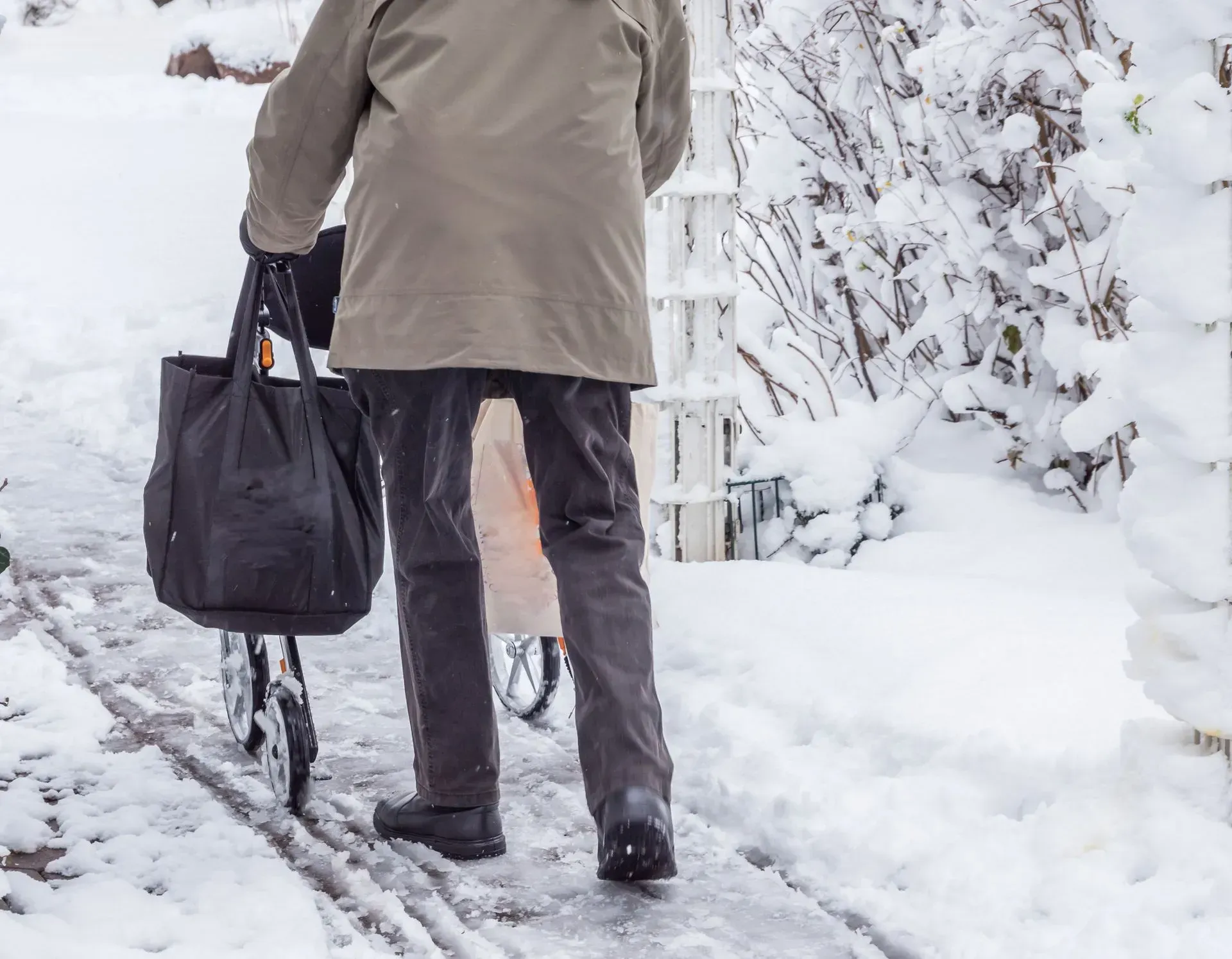
Heavy Snow Accumulation: The Upper Valley can receive significant snowfall in short periods. A foot of snow overnight isn't unusual, and seasonal totals frequently exceed 80 inches. For older adults living alone, this creates isolation, blocks emergency access, and presents overwhelming shoveling demands.
Rural Infrastructure Challenges: Many Upper Valley seniors live on rural roads that may not be plowed immediately after a storm. Power lines are more vulnerable to ice and wind damage. Help isn't always just around the corner.
Extended Winter Season: Our winter doesn't end in March. April snowstorms are common, and we've seen snow as late as May. This means the risk period for cold-weather injuries and complications extends longer than in many other regions.
The Triple Threat: Falls, Isolation, and Medical Complications
Winter weather creates a perfect storm of risks for older adults:
Falls: Icy conditions are the most obvious danger. According to CDC data, falls are already the leading cause of injury among older adults, and winter weather multiplies this risk exponentially. A fall on ice is more likely to result in serious injury than a fall indoors, and the cold ground increases the risk of hypothermia if help doesn't arrive quickly.
Social Isolation: When weather is bad, seniors often stop venturing out. They skip their regular exercise class, postpone medical appointments, and avoid social gatherings. This isolation can lead to depression, cognitive decline, and reduced physical fitness, which ironically makes them even more vulnerable when they do need to go out.
Medical Complications: Cold weather stresses the cardiovascular system, increasing the risk of heart attacks and strokes in vulnerable populations. Respiratory conditions like COPD and asthma often worsen in cold, dry air. The stress of dealing with winter challenges—shoveling, heating costs, worry about safety—takes both a physical and emotional toll.

Practical Winter Safety Tips for Upper Valley Families
In-Home Safety Strategies
The majority of seniors in the Upper Valley age in place, which means home safety becomes paramount during winter months. Here are concrete steps you can take to reduce risks:
Heating and Temperature Control:
Set the thermostat to at least 68°F during the day and 65°F at night—higher if your loved one tends to feel cold. Check that the heating system has been professionally serviced before winter begins. Ensure there are backup heating sources (space heaters with automatic shutoff features) in case of primary system failure. Install a remote temperature monitor so you can check indoor temperature from your phone. Make sure your loved one has warm layers readily accessible—fleece blankets on the couch, warm socks in multiple rooms.
Preventing Indoor Falls:
Install bright LED lighting in hallways, stairways, and entryways. Add motion-sensor nightlights in bathrooms and bedrooms. Remove throw rugs or secure them with non-slip backing. Ensure handrails are installed on both sides of staircases. Keep a cordless phone within easy reach so your loved one doesn't have to rush to answer calls. Arrange for regular housekeeping to keep floors clear of clutter.
Entry and Exit Modifications:
Install sturdy handrails on outdoor steps and walkways. Ensure porch lights are bright and working. Consider heated mats for high-traffic outdoor areas like front steps. Keep a container of sand or ice melt inside the door for easy access. Arrange for reliable snow removal services with priority response.
Emergency Preparedness:
Stock non-perishable food and bottled water for at least three days. Keep flashlights, batteries, and a battery-powered radio accessible. Ensure medications are filled with enough supply to last through potential storm delays. Program emergency contacts into phones and post a written list near landlines. Consider a medical alert system with fall detection and GPS capabilities.
Outdoor Hazard Management
Even with the best intentions, older adults will need to go outside during winter. Here's how to make that safer:
The Black Ice Problem:
Encourage your loved one to go out only during daylight hours when ice is more visible. Invest in high-quality winter boots with excellent traction (brands like Yaktrax offer attachable ice grips). Teach the "penguin walk"—short steps, flat feet, arms slightly out for balance. Never rush or carry heavy items while walking on potentially icy surfaces. Consider installing an outdoor camera so you can check walkway conditions remotely.
Shoveling: Just Say No:
Hire professional snow removal services—this is non-negotiable for most seniors. If your loved one insists on clearing light snow, set strict limits: only dry, powdery snow, only small amounts, frequent breaks. Ensure they understand the cardiac risks of shoveling (heart attack risk increases significantly during and immediately after shoveling). Provide a good ergonomic snow shovel and insist on proper technique if they won't stop entirely.
Vehicle Safety:
Encourage your loved one to avoid driving in snowy or icy conditions. Arrange alternative transportation: family members, senior transportation services, or delivery options. If they must drive, ensure the car is properly winterized with good tires, emergency supplies, and a full gas tank. Keep the car in a garage when possible to avoid ice scraping and cold starts.
Emergency Preparedness and Power Outages
The Upper Valley experiences power outages during major winter storms, and these present special challenges for older adults:
Before the Storm:
Create a written emergency plan with contact numbers and procedures. Identify warming centers in your community. Ensure your loved one knows how to safely operate a generator if one is available (or arrange for professional setup). Stock up on non-perishable foods that don't require cooking. Fill bathtubs with water for flushing toilets if the water system depends on electric pumps.
During an Outage:
Check in frequently by phone. If the outage extends beyond a few hours, strongly consider relocating your loved one to a heated location. Watch for signs of hypothermia: confusion, drowsiness, slurred speech, shallow breathing. Remind them to dress in layers and stay in one room to conserve warmth. Keep them hydrated and fed—the body needs fuel to generate heat.
Community Resources:
Familiarize yourself with local senior services and emergency response programs. Register your loved one with the utility company's priority restoration list if they have medical needs. Connect with local area agencies on aging for emergency assistance programs. Consider RSVP programs where volunteers check on seniors during extreme weather.
How Cedar Hill Protects Residents During Upper Valley Winters
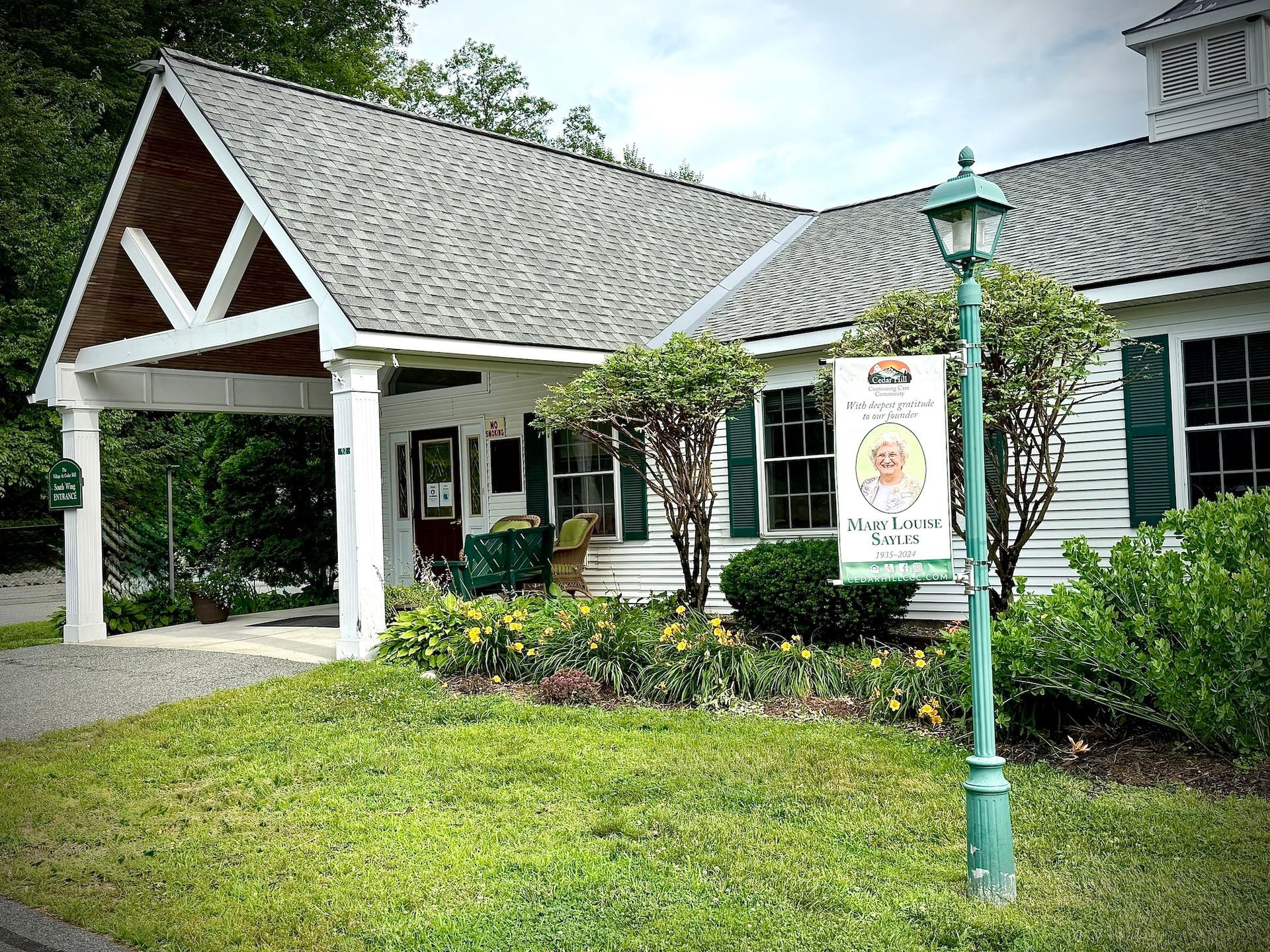
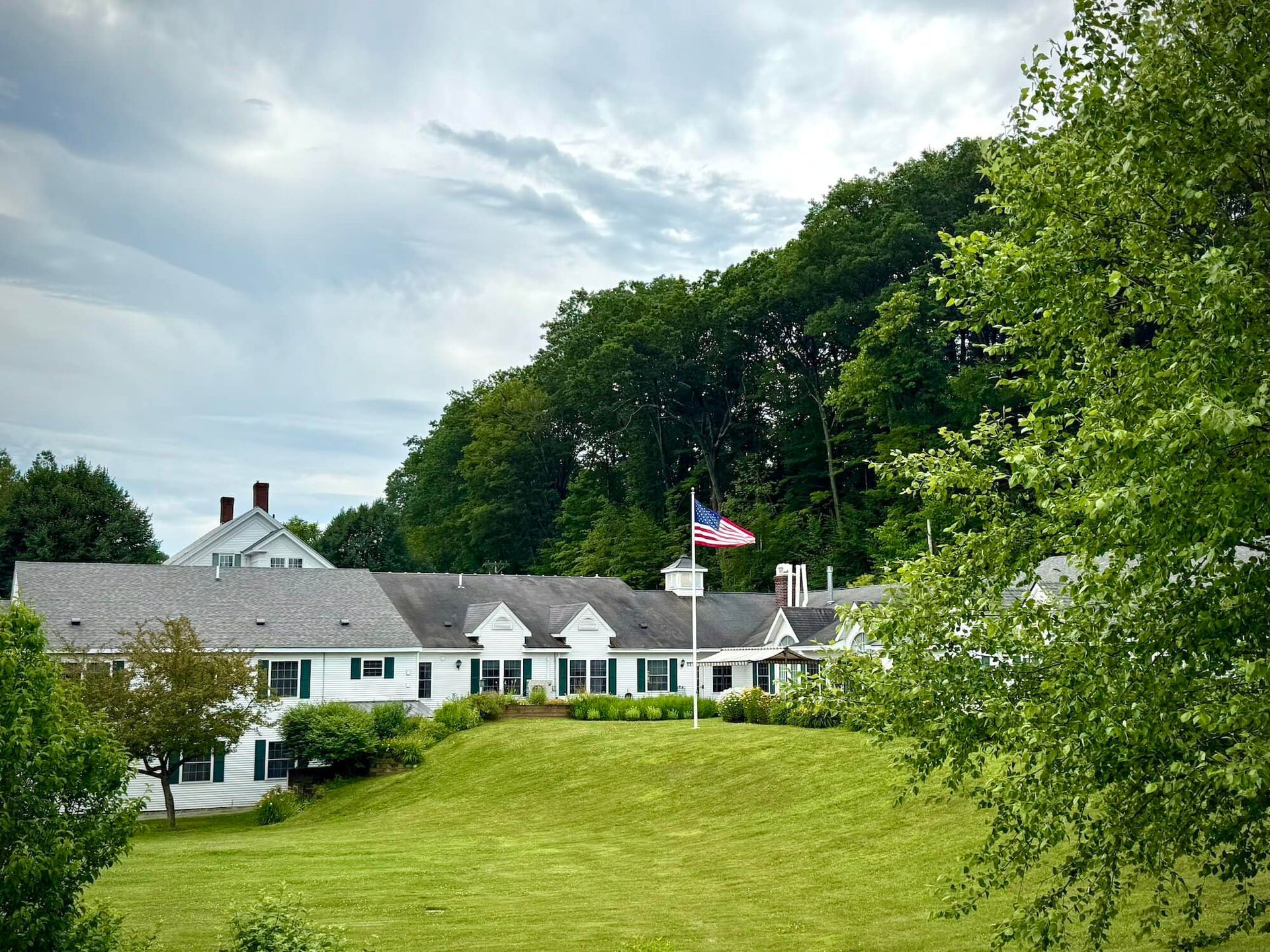
At Cedar Hill Continuing Care Community, we've spent decades developing protocols and systems specifically designed to address the unique challenges of winter in the Upper Valley. While we can't control the weather, we can control how well-prepared our residents are to face it safely.
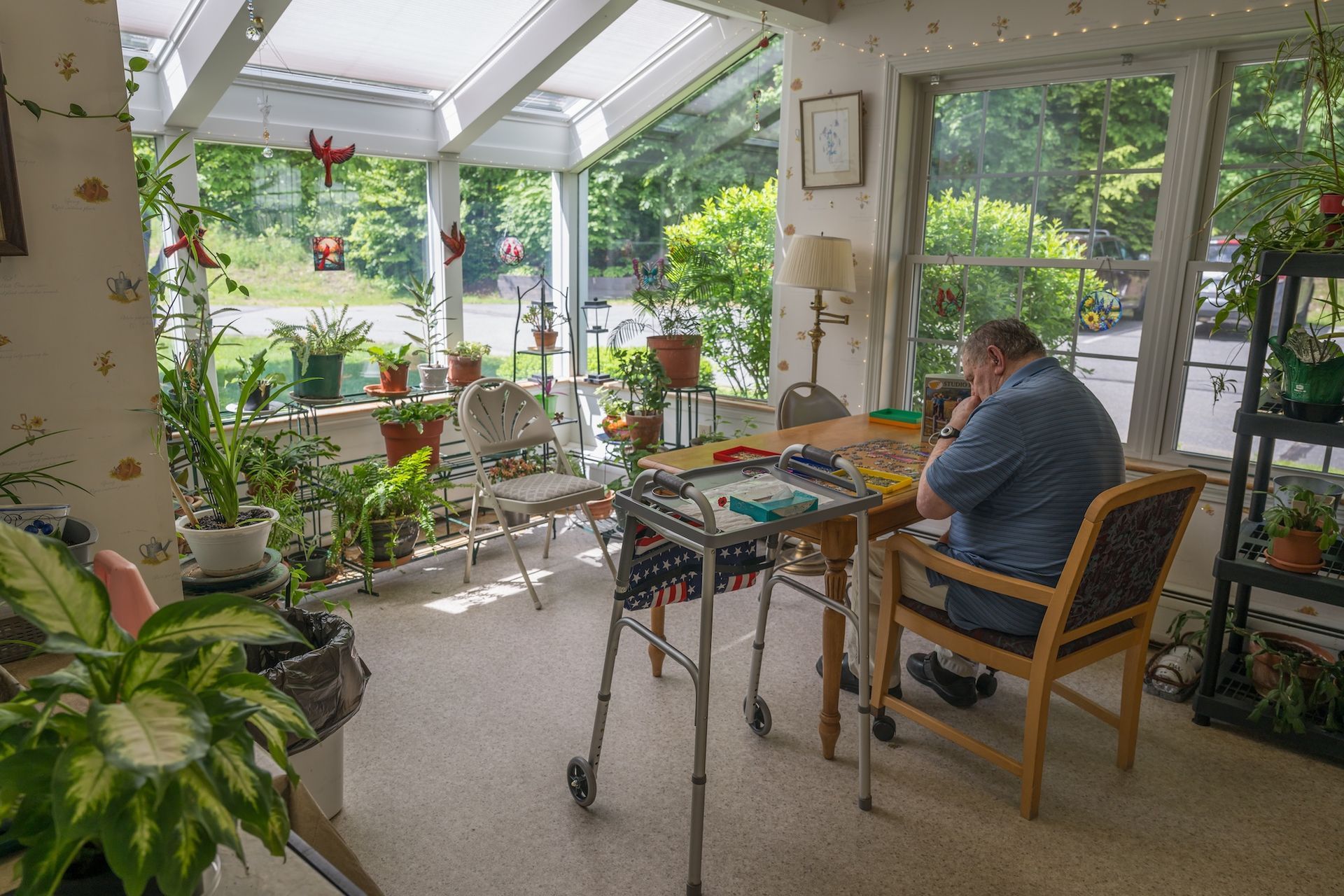
Continuous Climate Control: Our facility maintains consistent, comfortable temperatures throughout the building, with regular monitoring to ensure no cold spots develop. Residents never have to worry about heating bills, thermostat settings, or whether their furnace will make it through another cold snap. Our backup generator systems ensure that even during extended power outages, heat, lighting, and medical equipment continue operating without interruption.
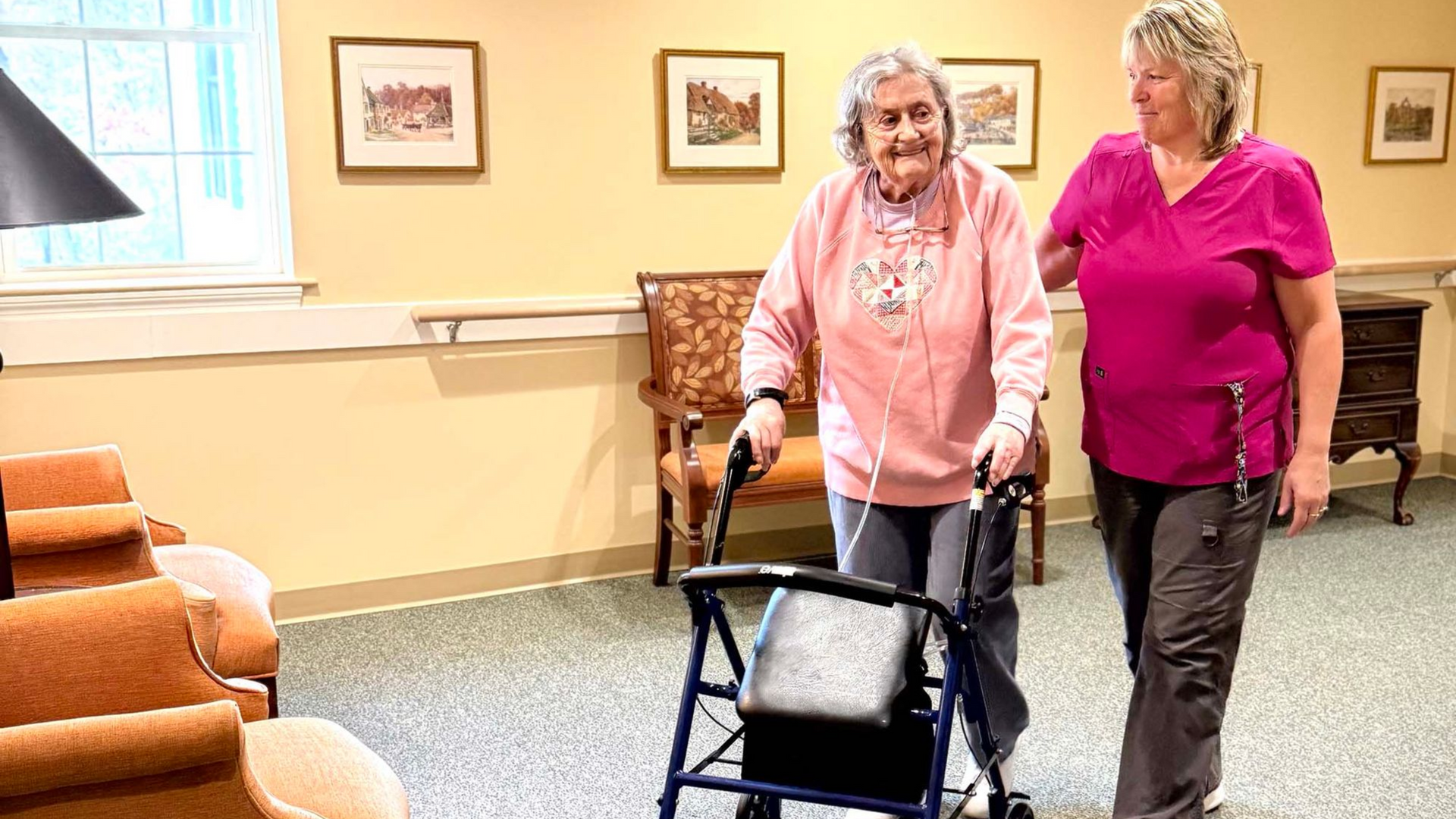
Eliminated Outdoor Hazards: Our residents don't navigate icy parking lots, shovel driveways, or risk falls on slippery sidewalks. Our maintenance team clears snow and ice around the clock during winter storms, treating walkways before ice can form. When residents do venture outside for fresh air or activities, they do so on professionally maintained, safe surfaces.
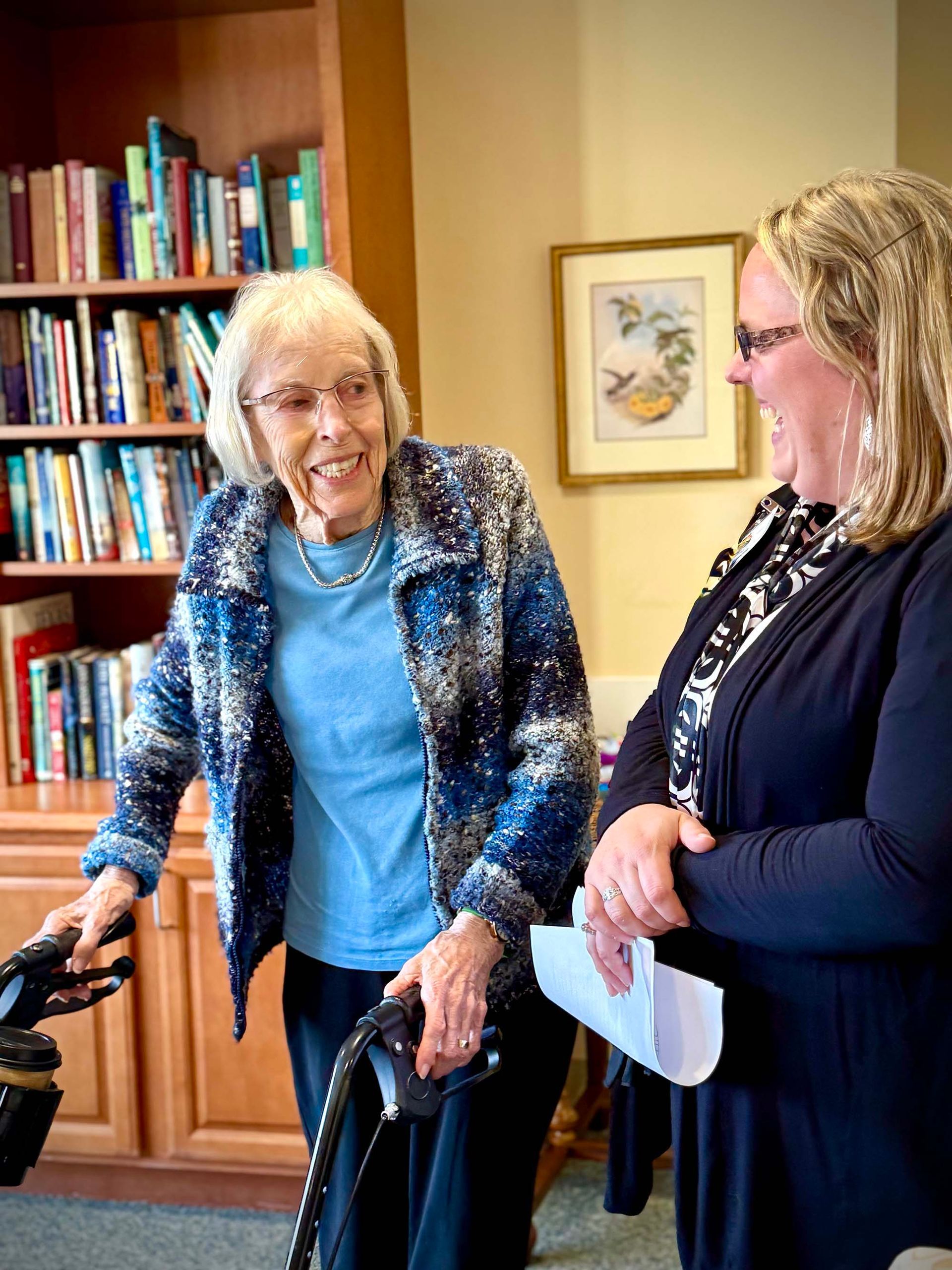
Proactive Health Monitoring: Our nursing staff monitors residents for early signs of cold-related health issues, adjusting room temperatures and clothing as needed. We pay special attention to residents on medications that affect temperature regulation, and we maintain protocols for checking circulation and body temperature during extreme cold spells.
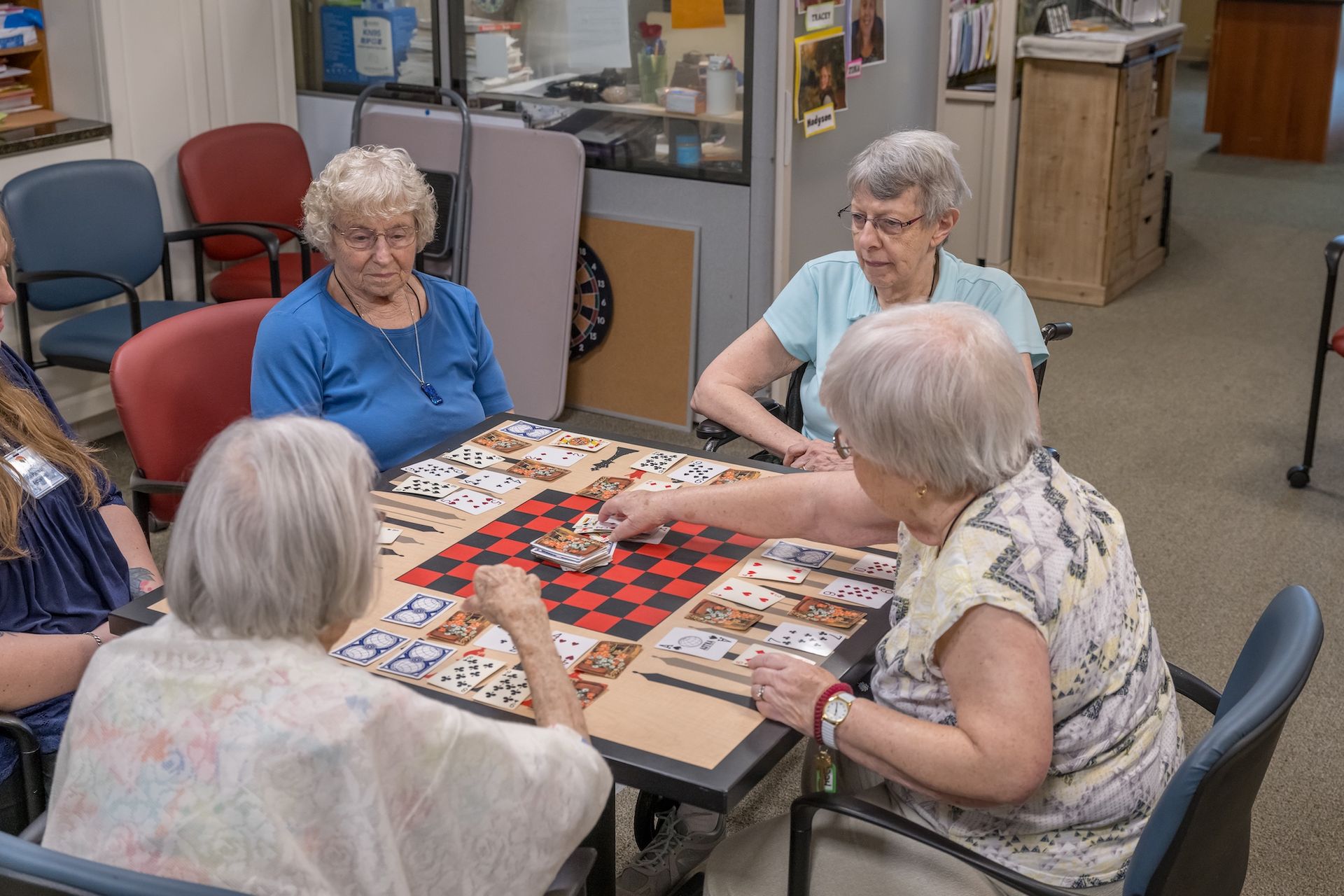
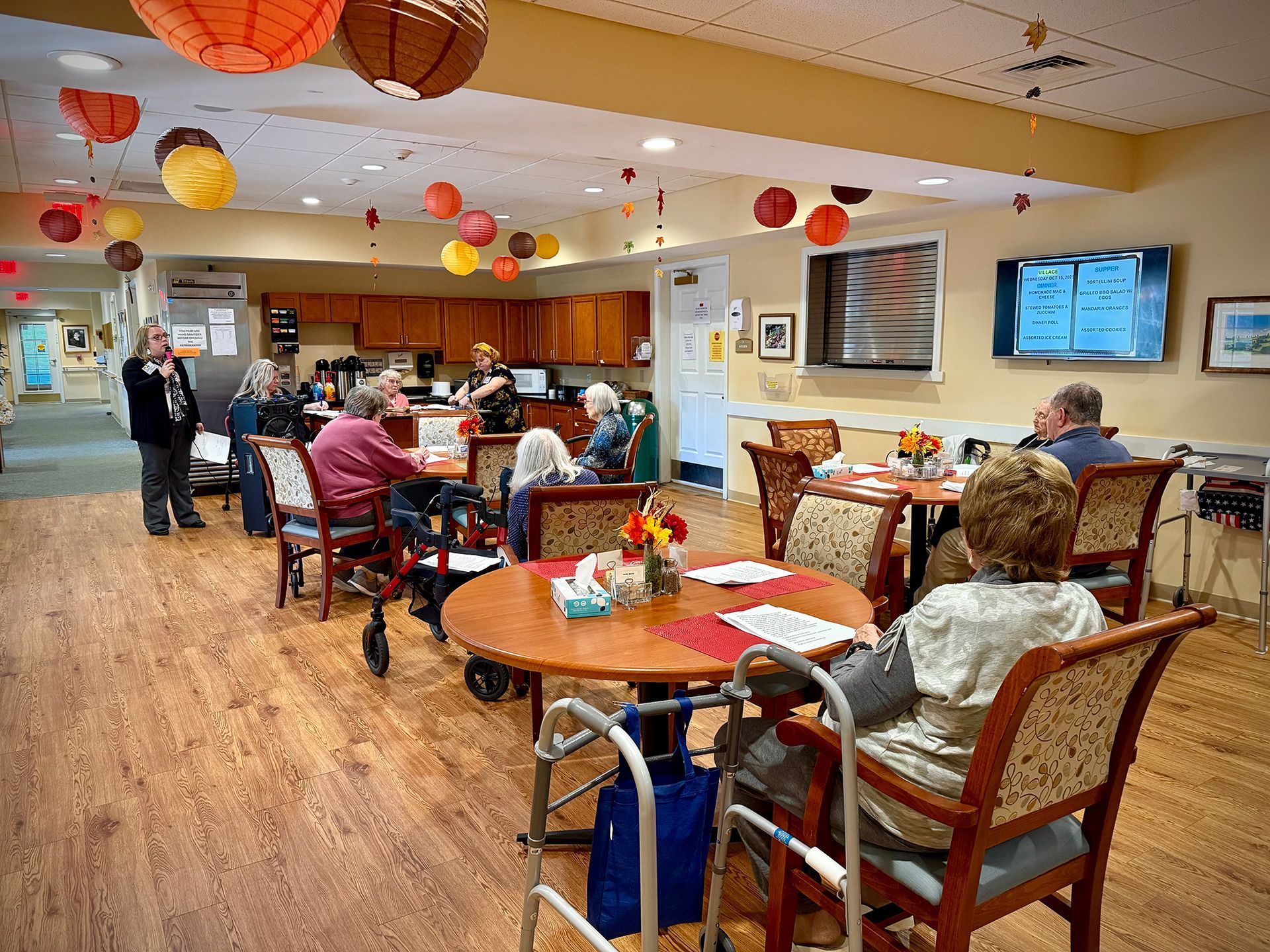
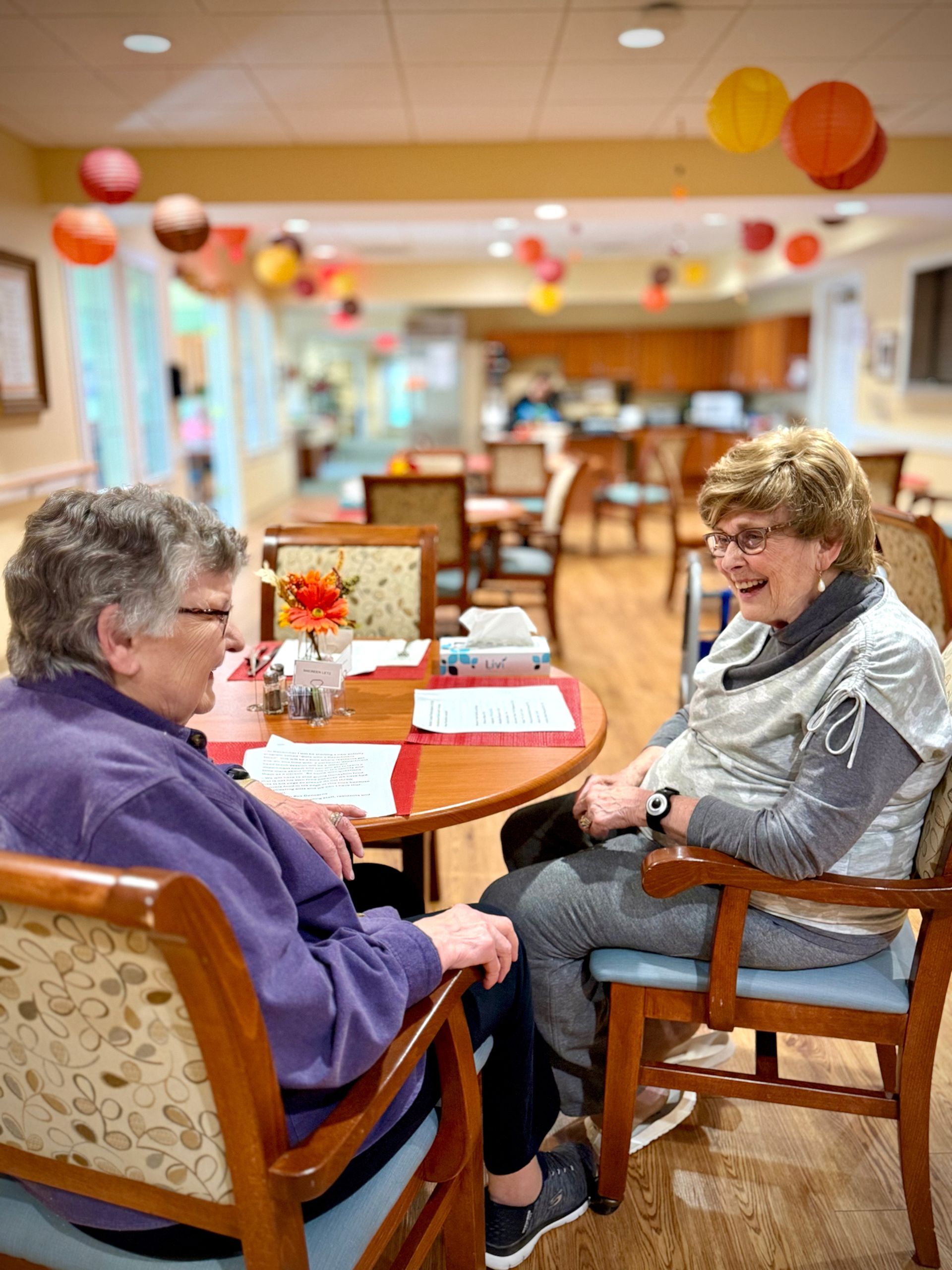
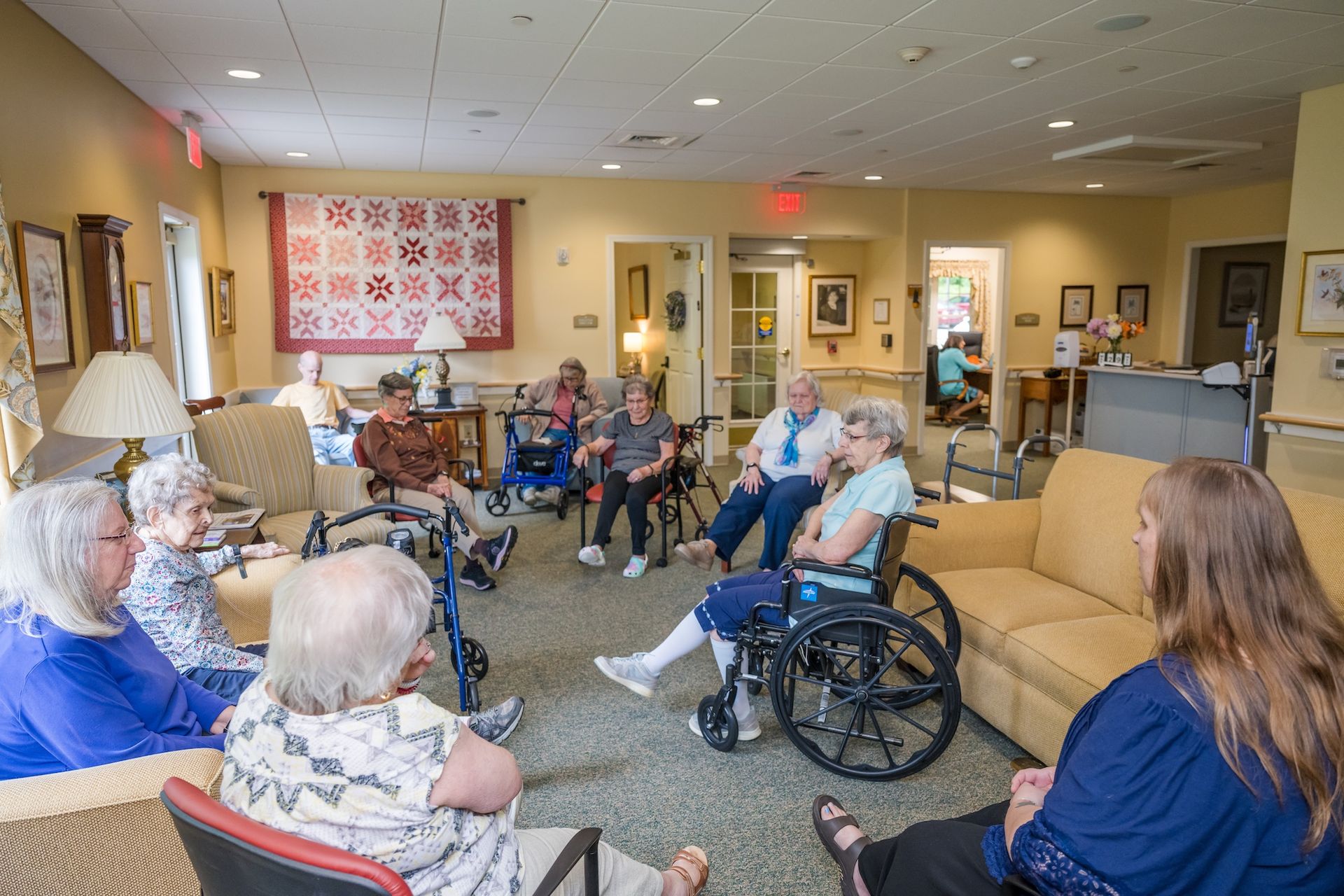
Zero Isolation: Winter doesn't mean social isolation at Cedar Hill. Our activities, dining, and community spaces remain fully accessible regardless of outdoor conditions. Residents continue their exercise programs, social connections, and daily routines without worrying about whether the roads are safe or the driveway is passable.
Medical Continuity: Scheduled medical appointments, medication management, and health monitoring continue seamlessly through winter storms. Our on-site medical support means residents don't need to risk traveling to appointments in dangerous conditions, and our relationships with local healthcare providers ensure coordination even when weather impacts the broader community.
Family Peace of Mind: Perhaps most importantly, families don't spend winter nights worrying about whether their loved one is warm, safe, and cared for. You can enjoy the beauty of a New England snowstorm without the underlying anxiety about your parent's wellbeing.
We understand that choosing senior living is a significant decision, and for many families, it's winter safety concerns that finally tip the scales. If you're feeling anxious every time the forecast calls for snow, or if you're exhausted from coordinating snow removal, meal delivery, and wellness checks through the long winter months, we invite you to explore what worry-free winter living looks like at Cedar Hill.

Moving Forward: Your Family's Winter Safety Plan
Winter in the Upper Valley is both beautiful and demanding. For families caring for aging loved ones, these months require vigilance, preparation, and honest conversations about safety and independence.
Let's review the essential points: older adults are physiologically more vulnerable to cold, the Upper Valley presents unique weather challenges that extend from November through April, and the combination of ice, isolation, and extreme temperatures creates real risks that require proactive management.
Whether your loved one is aging in place or living in a care community, winter safety comes down to three core principles: eliminate hazards where possible, prepare thoroughly for emergencies, and maintain strong support systems that ensure someone is watching out for them when conditions become dangerous.
For families managing in-home care, this means investing in snow removal services, upgrading home safety features, establishing emergency protocols, and checking in frequently throughout the winter months. It means having honest conversations about driving limitations, shoveling risks, and when it's time to ask for help.
For families considering assisted living options, winter often clarifies the decision. When you find yourself calling three times a day to make sure Mom is warm enough, or when you're driving across town at midnight because the power went out, or when you watch your parent struggle with isolation because it's been too icy to leave the house for a week—these moments illuminate what quality of life really means during a New England winter.
At Cedar Hill Continuing Care Community, we've built our entire winter protocol around one simple goal: ensuring that aging adults can experience the beauty and comfort of our region's winters without bearing the burden of its dangers. Our residents enjoy snowy days from warm, safe, socially connected environments where every practical need is met and every risk is professionally managed.
If winter has become a source of anxiety rather than enjoyment for your family, we encourage you to reach out. A conversation costs nothing and might provide the clarity you need as you plan for the months ahead. We're here with answers, resources, and genuine care—not just during winter, but year-round.
Call us at 802-674-6609 or visit our website to schedule a tour and see firsthand how Cedar Hill creates safe, warm, engaging winters for Upper Valley seniors.