

Many older adults and their families experience a quiet anxiety when memory lapses begin to occur. A forgotten name, a missed appointment, or misplaced glasses can immediately spark fears of cognitive decline. For caregivers and adult children, watching a parent struggle with memory is an emotional experience that often leads to a difficult question: is this normal aging, or is it something more serious?
Understanding the distinction between typical age-related changes and progressive cognitive decline is a vital step for any family. It transforms fear into proactive planning. When families know what behaviors are typical and what behaviors are red flags, they can make informed decisions about their loved one's safety and well-being. This article explains how to recognize normal forgetfulness, identify the symptoms of dementia, and understand the signs it is time for memory care.

The Reality of Normal Age-Related Memo
As the human body ages, the brain also undergoes natural physiological changes. It is entirely normal for older adults to experience minor cognitive slowdowns. These changes usually manifest as small inconveniences that do not fundamentally disrupt a person's ability to live independently or manage their daily routine.
For example, a person might walk into a room and momentarily forget why they went there. They might struggle to recall a specific word during a conversation or temporarily forget the name of a casual acquaintance. Occasionally misplacing car keys or taking a little longer to learn a complex new piece of technology are also standard aspects of the aging process.
The defining characteristic of normal forgetfulness is the ability to retrace steps and recover the lost information. The individual who forgets a word will often remember it later in the day. The person who misplaces their keys will systematically search the house until they find them. These individuals remain fully aware of their memory lapses and often express frustration about them. Their judgment, spatial awareness, and ability to navigate familiar environments remain entirely intact.
Red Flags: When Memory Loss Disrupts Daily Life
Dementia is not a normal part of the aging process. It is an umbrella term for a set of symptoms caused by physical changes in the brain, most commonly Alzheimer's disease. Unlike standard forgetfulness, dementia progressively impairs a person's ability to communicate, reason, and perform basic life skills.
The signs of dementia are marked by a distinct departure from an individual's normal baseline behavior. A significant red flag is the inability to retain new information. A person might ask the same question repeatedly within a ten-minute span, genuinely unable to remember that the question was already answered.
Another clear indicator is getting lost in familiar places. An older adult might become disoriented on the drive back from a grocery store they have visited for two decades, or struggle to find their way around their own neighborhood. Furthermore, they may begin placing items in completely illogical locations, such as putting the television remote in the refrigerator or leaving a wallet in the oven, and then have no ability to retrace their steps to find them.
Beyond memory, dementia often affects executive functioning. Families might notice a sudden inability to manage finances, resulting in unpaid bills or unusual purchases. Personal hygiene may decline, and the individual may wear inappropriate clothing for the weather, indicating a loss of judgment and situational awareness.

Evaluating Safety and the Signs It Is Time for Memory Care
There often comes a point where a family must evaluate if independent living remains a safe option. Recognizing the signs that it may be time for assisted living is an important first step. However, when an individual's cognitive decline begins to pose immediate physical dangers, families are specifically looking at the signs it is time for memory care.
Safety risks are the most critical determining factors. Wandering is a common and highly dangerous symptom of advanced dementia. An individual might leave the house in the middle of the night, believing they need to go to work or find a childhood home. Without a secure environment, wandering can lead to tragic outcomes, especially during harsh weather conditions.
Kitchen safety is another major concern. A person with dementia may turn on a stove burner and walk away, completely forgetting they were cooking, which creates a severe fire hazard. Medication mismanagement is equally dangerous. An individual might forget to take essential blood pressure medication, or conversely, take multiple doses because they forgot they already took their pills earlier in the morning.
When a person can no longer recognize common household dangers, respond appropriately to emergencies, or manage their own physical safety, an independent home setting is no longer viable. A specialized, secure neighborhood becomes a medical and practical necessity.
The Emotional Toll on Family Caregivers
When evaluating the need for professional support, it is essential to consider the health and well-being of the primary caregiver. Spouses and adult children often take on the burden of providing round-the-clock supervision for a loved one with dementia. This responsibility is physically exhausting and emotionally devastating.
Caregiver burnout is a serious health crisis. The constant vigilance required to prevent wandering, combined with the emotional pain of watching a loved one's personality change, often leads to severe stress, depression, and physical illness for the caregiver. Sleep deprivation is particularly common, as caregivers often stay awake to ensure their loved one does not leave the house at night.
Transitioning a loved one to a supportive environment is not a failure of family care; it is a necessary step to ensure safety and restore the family dynamic. When professionals handle the daily medical and safety requirements, the spouse or adult child can step back from the exhausting role of a full-time nurse and return to being a loving partner or child.

Finding Support at the Judith Brogren Memory Care Center
Choosing the right environment is crucial for an individual experiencing cognitive decline. Standard residential settings are rarely equipped to handle the unique behavioral challenges and safety requirements associated with dementia.
A dedicated memory support environment is designed entirely around the needs of individuals with cognitive impairment. For instance, the Judith Brogren Memory Care Center offers a secure, nurturing neighborhood where doors are alarmed to prevent unsafe wandering, but interior spaces remain open and inviting.
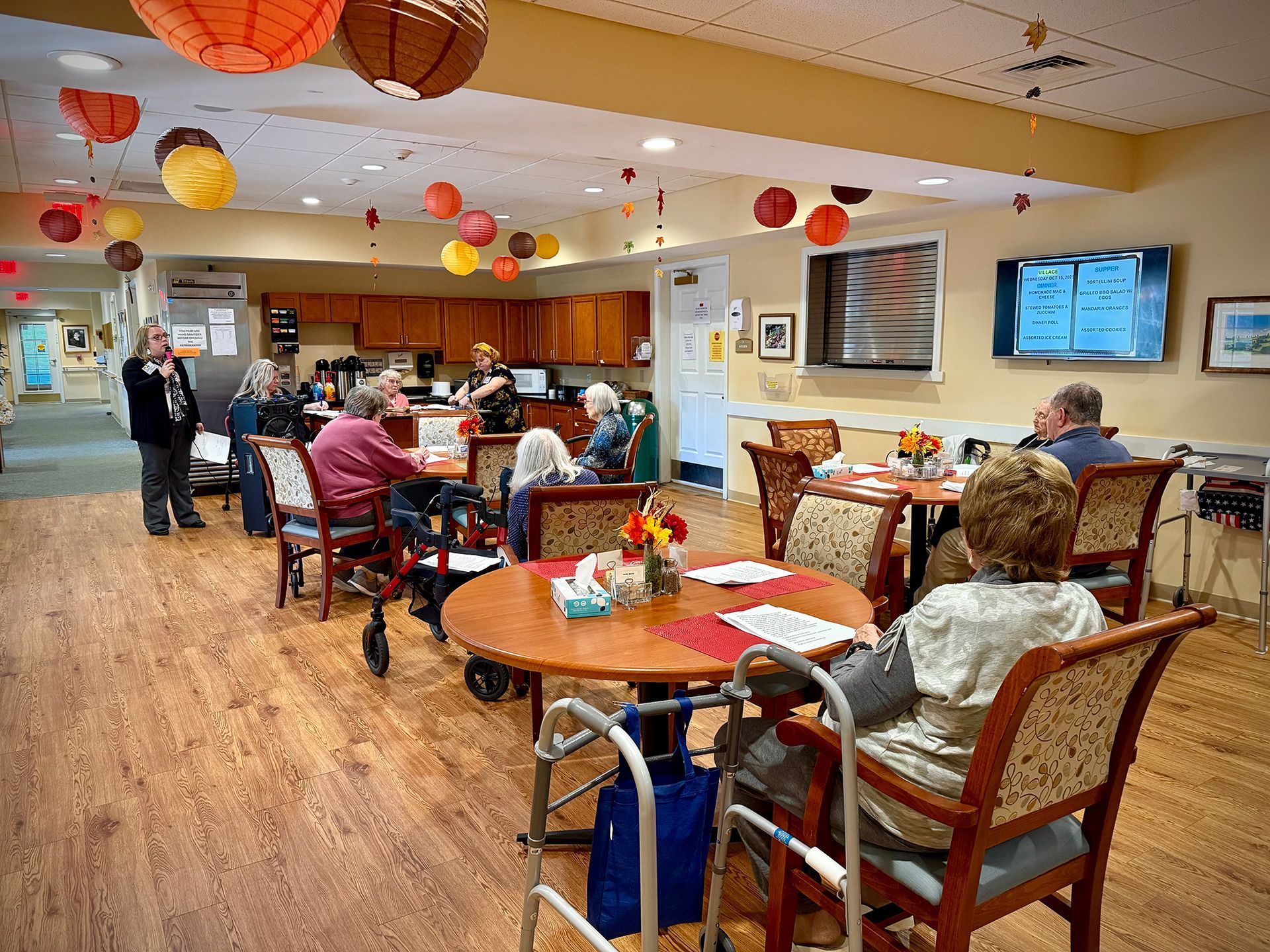
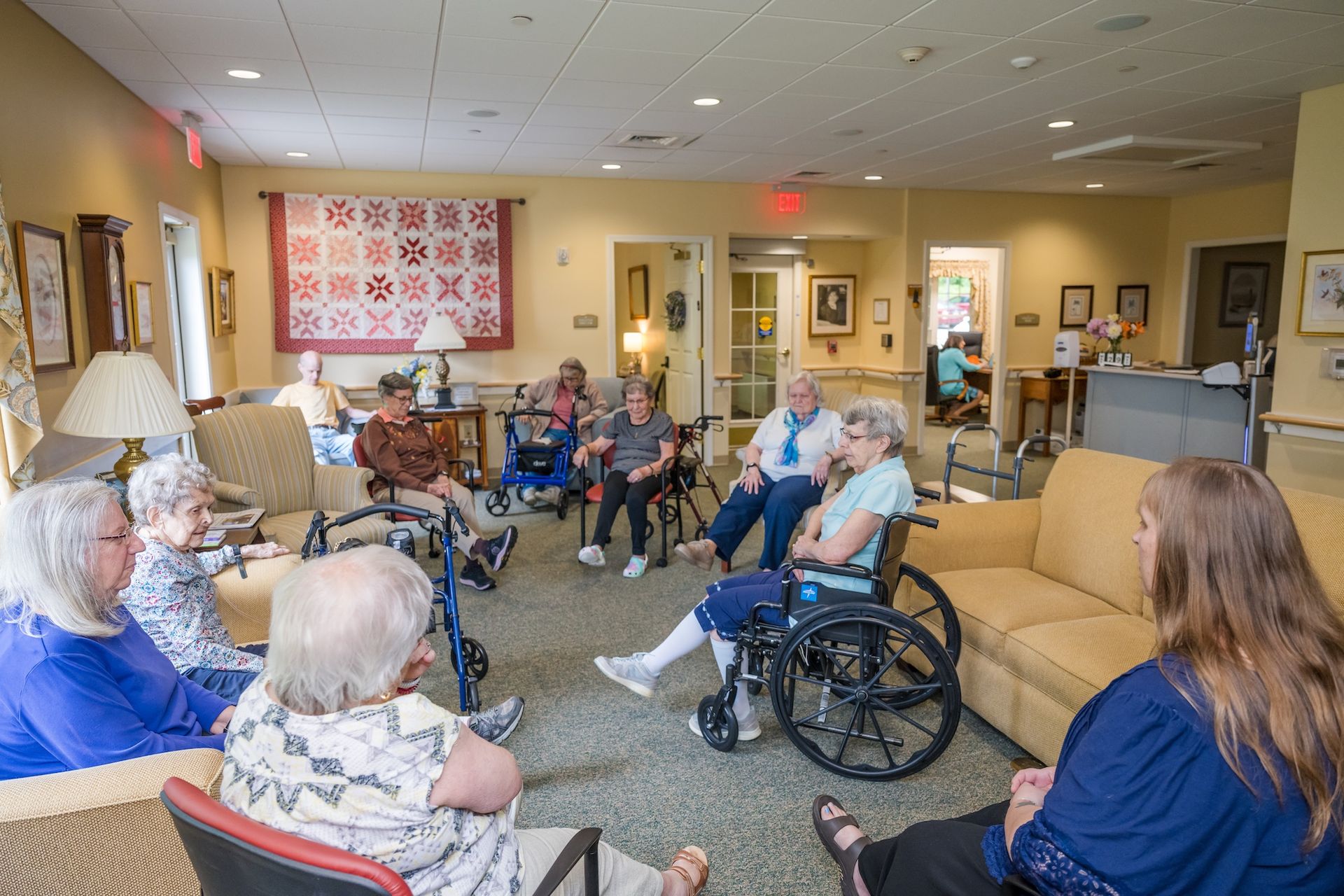
In these specialized settings, the staff receives specific training to communicate effectively with individuals experiencing memory loss. They understand how to de-escalate anxiety, redirect confusion without causing frustration, and create daily routines that provide comfort and structure. The physical environment itself is often adapted with visual cues, specialized lighting, and secure outdoor courtyards that allow residents to safely enjoy fresh air and sunshine.
Frequently Asked Questions
How can a family start a conversation about memory concerns with an older adult?
Starting a conversation about memory changes requires deep empathy and patience. It is best to approach the topic gently, focusing on specific observations rather than making broad accusations about their cognitive health. For example, a family member might say, "I noticed you seemed frustrated with your medication schedule today, how can we make that easier?"
It is common for individuals experiencing memory loss to feel defensive or frightened. Listening to their concerns without arguing is essential. Instead of trying to force an immediate agreement about moving or changing their lifestyle, the initial goal should simply be to schedule an appointment with a primary care doctor for a routine wellness check
Are there treatable medical conditions that mimic the symptoms of dementia?
Yes, several highly treatable medical conditions can cause acute confusion and memory loss that closely resemble dementia. Urinary tract infections (UTIs) are a primary example; in older adults, a UTI often presents as sudden, severe confusion or delirium rather than typical physical pain.
Other reversible conditions include severe vitamin B12 deficiencies, thyroid imbalances, dehydration, and adverse reactions to certain medications. Because these conditions are treatable, any sudden change in cognitive function should be evaluated by a medical professional immediately to rule out these underlying causes before assuming a permanent dementia diagnosis.
What is the difference between a traditional supportive community and a specialized memory environment?
A traditional supportive community is designed for individuals who need help with physical tasks, such as dressing, bathing, or preparing meals, but who are generally cognitively intact. They can manage their own schedules, navigate the building safely, and understand their environment.
A specialized memory environment is designed specifically for cognitive safety. These neighborhoods feature secure exits to prevent dangerous wandering, tailored activities that focus on sensory engagement rather than complex instruction, and staff trained explicitly in dementia care. The physical layout is often circular or clearly marked to reduce confusion and frustration for those who are easily disoriented
How do medical professionals evaluate cognitive decline?
Doctors use a combination of methods to evaluate memory concerns. A thorough evaluation usually begins with a comprehensive medical history, a physical exam, and a review of all current medications to rule out reversible causes of confusion.
Professionals will also administer standard cognitive assessments. These are series of questions and simple tasks designed to test memory, language skills, spatial awareness, and executive functioning. In some cases, a doctor may order brain imaging scans, such as an MRI or CT scan, to look for strokes, tumors, or physical changes in the brain associated with specific types of dementia.
Where can families find more specific information about memory support services?
Navigating a dementia diagnosis naturally generates many detailed questions regarding daily care, staff qualifications, and how a community handles specific behavioral changes. Families should seek out comprehensive resources provided by specialized care teams to understand what to expect.
Reviewing frequently asked questions about memory care can provide families with clear, practical insights into how these secure neighborhoods operate. Understanding the specific approaches to daily routines, dining, and family visits helps caregivers feel more confident and informed as they plan for their loved one's future needs.
Conclusion
Distinguishing between the minor inconveniences of normal aging and the serious progression of dementia is one of the most challenging tasks a family will face. While misplaced items and forgotten words are standard parts of life, behaviors that threaten physical safety and disrupt daily routines require careful attention. By educating themselves on the clear signs it is time for memory care, families can move past fear and focus on finding a secure, compassionate environment. Ensuring that a loved one is protected, respected, and supported in a specialized setting ultimately provides profound peace of mind for the entire family.
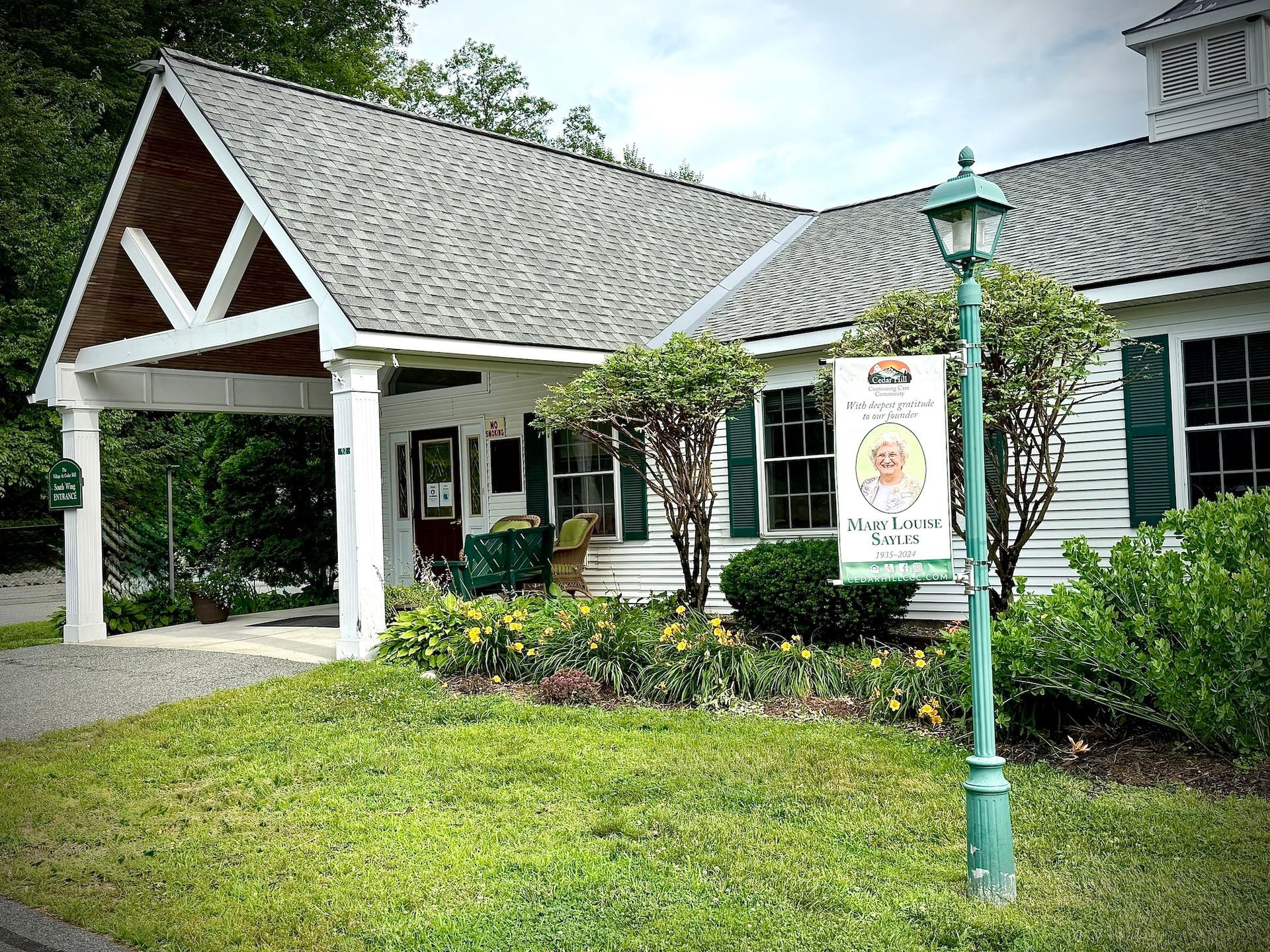
Cedar Hill Continuing Care Community is a family-owned organization dedicated to providing a full spectrum of senior living services, including independent living, assisted living, specialized memory care, and skilled nursing. Located in Windsor, Vermont, the community focuses on dignity, personalized support, and creating a warm, vibrant neighborhood for all residents. To learn more about available living options, educational resources, and supportive services, please visit https://www.cedarhillccc.com/.