Understanding Memory Care in Assisted Living: A Comprehensive Guide

Memory care in assisted living provides specialized care for individuals with dementia.  This guide covers its key aspects, including safety measures, staff training, and personalized care plans, to help you make an informed decision for your loved one.


Key Takeaways

  • Memory care in assisted living facilities, like at the Village at Cedar Hill, provides specialized support for individuals with dementia, offering tailored care plans and enhanced safety features.
  • Key differentiators between memory care and traditional assisted living include specialized staff training, structured activities designed for cognitive engagement, and physical environments that reduce confusion.
  • Transitional decisions to memory care should be based on observed cognitive decline and behavioral changes, often involving consultation with healthcare professionals for informed decision-making.


Memory Care in Assisted Living: What It Entails


Memory care in assisted living communities is specifically designed to address the needs of individuals with Alzheimer’s disease and other forms of dementia. These specialized units offer a unique blend of support, safety, and engagement tailored to those facing cognitive challenges. The Judith Brogren Memory Care Unit, for example, is a specially designed neighborhood within Cedar Hill for people with Alzheimer’s disease and dementia, providing a dedicated environment for those with memory impairments.


The services offered in memory care facilities go beyond traditional assisted living. They include personalized care plans, enhanced safety measures, and specialized staff training to manage the unique needs of dementia patients. Cedar Hill provides a continuum of care options, from independent living to end-of-life care, ensuring that residents receive the appropriate level of support throughout their journey.

Yellow two-story building with gray roof, green shutters, porch, and a grassy lawn.

Safety and Security Measures


Safety is a paramount concern in memory care facilities. These communities are designed to prevent wandering, a common risk among individuals with memory loss. Enhanced security measures, such as alarms, pagers for staff, and enclosed courtyards, are implemented to ensure residents’ safety. These features create a secure environment that is both supportive and engaging, helping residents feel comfortable and oriented.


In addition to structural safety features, memory care communities maintain a higher staff-to-resident ratio, allowing for more attentive monitoring and timely responses to residents’ needs. The thoughtfully designed layouts, with clear signage and a clutter-free environment, help reduce confusion and promote a sense of stability.


Staff Training and Expertise


Staff training is a cornerstone of effective memory care. Caregivers in memory care facilities should receive specialized training to handle the unique challenges associated with dementia care. Programs focused on dementia care practices ensure that staff members are well-equipped to provide empathetic and effective support. Staff who work in the memory care at the Village receive training in dementia and memory care, enhancing their ability to address the specific needs of residents.


This specialized training is crucial for managing the complex behaviors and medical needs of dementia patients. Understanding the intricacies of dementia allows staff to develop better strategies to support residents and improve their quality of life. This expertise is what sets memory care apart from traditional assisted living, providing a higher level of care and attention.


Personalized Care Plans


Personalized care plans are fundamental in memory care settings. These plans are tailored to meet the individual needs and health conditions of each resident, ensuring they receive the most effective support. At Cedar Hill, personalized care is a priority, with each resident receiving tailored support based on their unique needs and history. This approach allows caregivers to address the specific challenges faced by individuals with cognitive impairments, providing targeted support that enhances daily functioning and quality of life.


In addition to personalized attention, memory care facilities also offer comprehensive support for personal care tasks and medication management. This holistic approach ensures that all aspects of a resident’s health and well-being are addressed, creating a supportive environment where they can thrive despite their cognitive challenges.

Caregiver helping senior put on a pink sweater in a bedroom.

Comparing Memory Care Units to Traditional Assisted Living


While both memory care and traditional assisted living provide essential support for seniors, there are significant differences between the two. Memory care units offer specialized care tailored to individuals with memory loss, incorporating structured programs and enhanced safety features to meet their cognitive needs. In contrast, traditional assisted living focuses more on general assistance with daily activities and less on specialized cognitive support.


Memory care facilities are designed with the specific challenges of dementia in mind, providing a secure and supportive environment that promotes engagement and reduces confusion. Understanding these differences is crucial for families making care decisions for their loved ones, as the right memory care facility can significantly impact their well-being and quality of life.


Physical Environment and Design


The physical environment in memory care communities is carefully designed to support the needs of those with dementia and Alzheimer’s disease. These environments are structured to reduce confusion and promote orientation, with features like clear signage, clutter-free layouts, and secure courtyards. The goal is to create a supportive ‘village’ where residents feel safe and comfortable, allowing them to navigate their surroundings with greater ease and confidence.


This thoughtful design helps reduce the risk of accidents and wandering, which are common concerns for individuals with memory impairments. By creating a familiar and secure environment, memory care facilities provide a stable foundation for residents to maintain their independence and dignity.


Daily Activities and Therapies


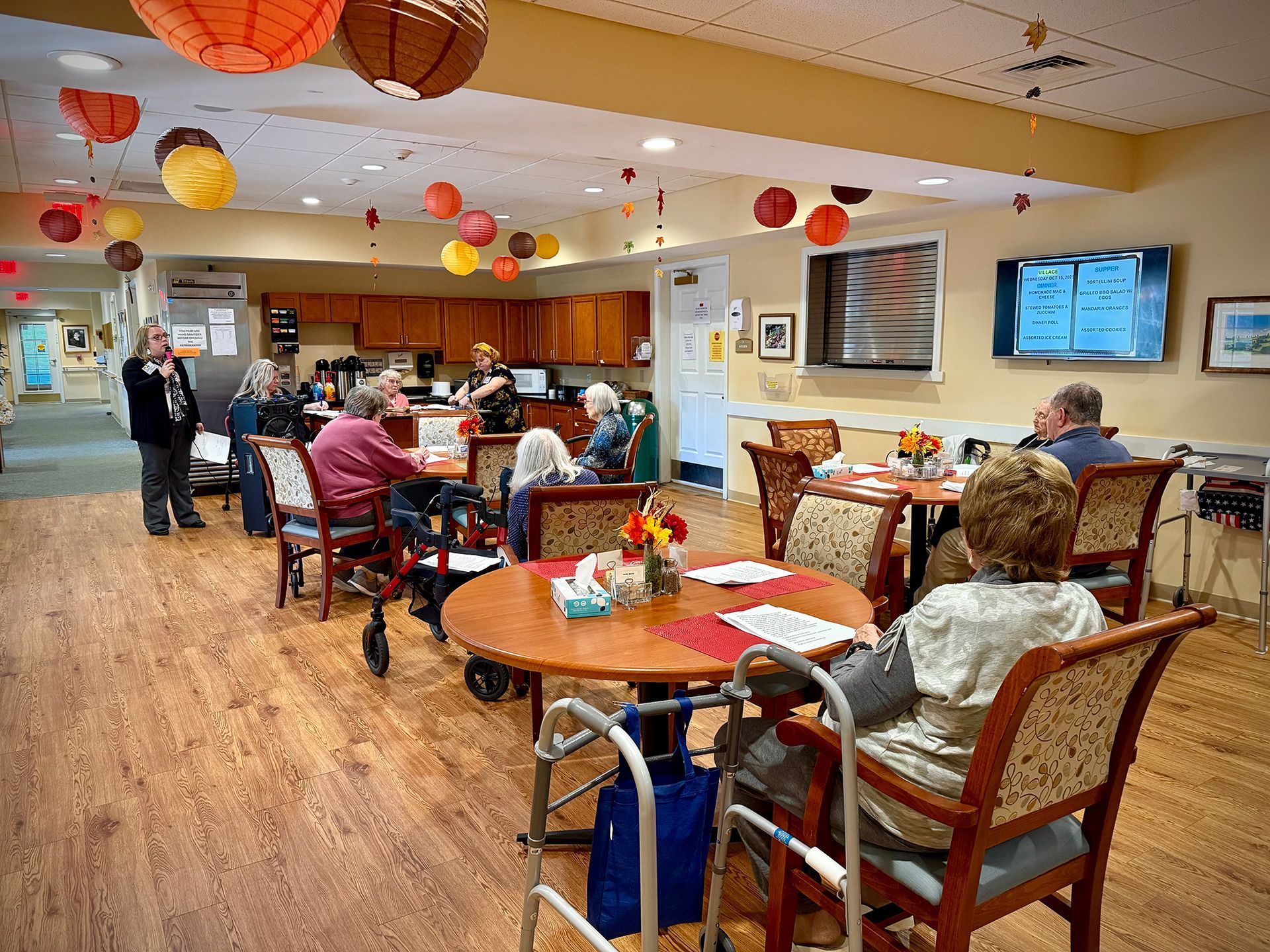
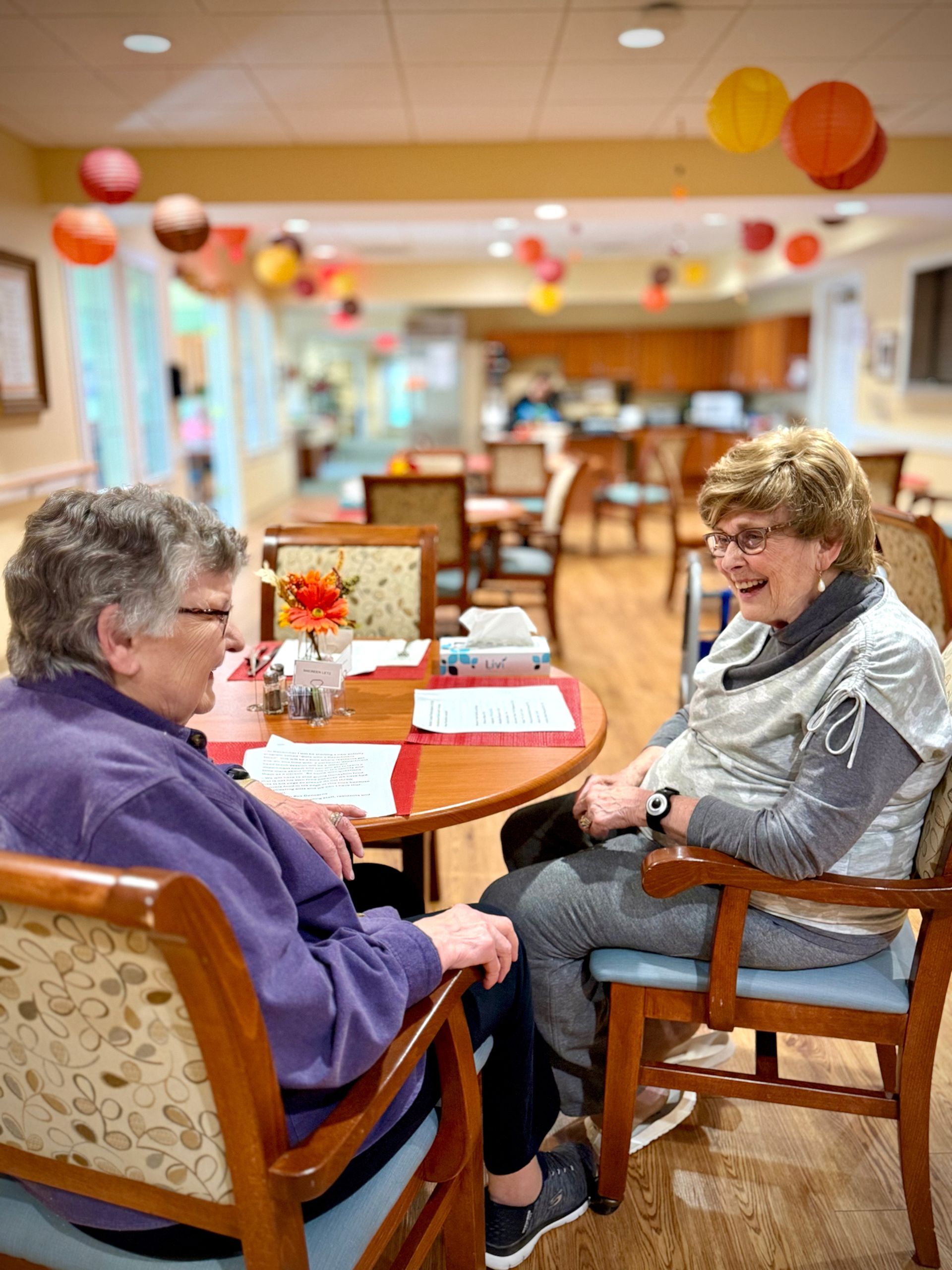
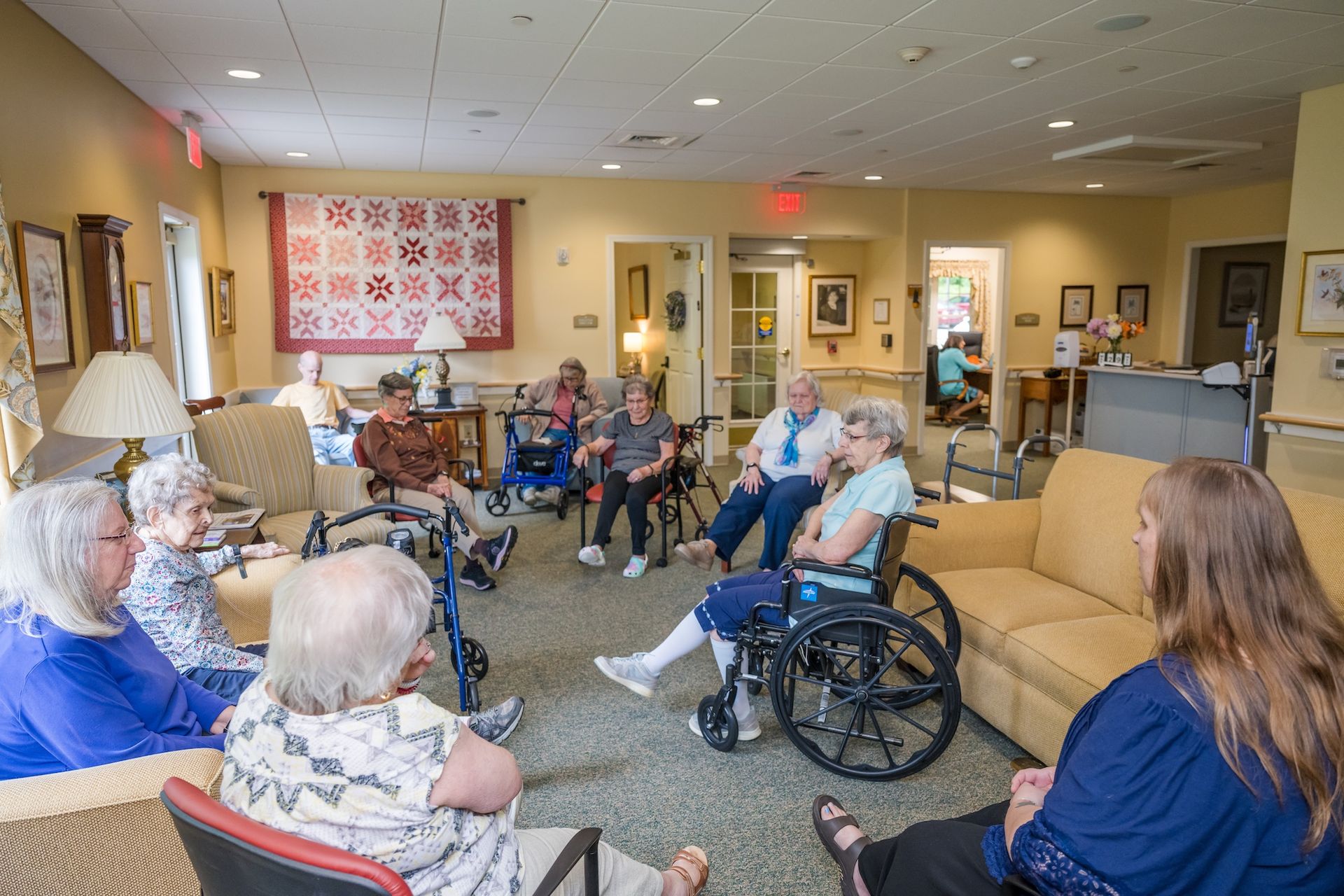
Daily activities and therapies in memory care settings are specifically designed to support cognitive function and emotional well-being. Programs often include music and art therapy, which have been shown to improve mood and reduce feelings of loneliness among residents. These activities are tailored to each resident’s life story and preferences, providing meaningful engagement that enhances their quality of life.


Engaging in social interactions and structured activities can lead to improved cognitive function and overall well-being. Memory care facilities prioritize these activities, understanding their importance in maintaining residents’ mental and emotional health. This focus on personalized and engaging activities is a key differentiator from traditional assisted living.


Cost Considerations


Cost is an important factor when considering memory care versus traditional assisted living. Memory care services typically incur higher expenses due to the specialized training of staff and the tailored environment necessary for effective care. However, these additional costs are justified by the enhanced level of support and safety provided to residents with cognitive impairments.


Understanding the cost implications is essential for families making care decisions. Nearly three-quarters of assisted living residents have dementia, highlighting the significant demand for memory care services in an assisted living facility. Weighing the benefits against the costs can help families make informed decisions that best meet their loved one’s needs.


When to Transition from Assisted Living to Memory Care


Recognizing when to transition a loved one from assisted living to memory care can be challenging. Significant behavior changes, loss of interest in previously enjoyed activities, and constant safety concerns at home are key indicators that it may be time to consider memory care. These signs suggest that the individual may no longer be safe or adequately supported in a traditional assisted living environment. Monitoring your loved one’s behavior and consulting with healthcare professionals can help determine the right time for a transition.


Senior
living facilities and memory care facilities are equipped to provide the specialized support needed to address cognitive decline, ensuring that residents receive the appropriate level of care and attention.


Identifying Cognitive Decline


Identifying cognitive decline is crucial for determining when to transition to memory care. Signs such as forgetting important personal details, neglecting personal hygiene, and missing regular medical appointments can indicate worsening cognitive function. Risky behaviors like getting lost or mistaking non-food items for food are also common indicators that memory care is needed.


Healthcare professionals can provide valuable insights into the severity of cognitive decline and recommend the appropriate level of care. Recognizing these symptoms in the early stages helps families make informed decisions about transitioning to memory care, ensuring their loved ones receive the support they need, especially in cases of mild cognitive impairment.


Consulting Healthcare Professionals


Consulting healthcare professionals is essential when considering a transition to memory care. They can offer insights into your loved one’s prognosis and the type of dementia, helping to make informed decisions about their care. Families should consult their doctor for signs of dementia progression to ensure they choose the right care setting.


A care advisor can provide tailored recommendations based on individual circumstances, ensuring that the selected community aligns with specific needs. Important factors to consider when exploring memory care options include location, budget, and your loved one’s unique needs.


Two hands holding hands; blurred elderly woman smiles.

Benefits of Memory Care in Assisted Living Communities


Memory care in assisted living communities offers numerous benefits, from specialized support to enhanced quality of life. These programs are specifically tailored to address the distinctive needs of individuals living with Alzheimer’s and other forms of dementia. Having memory care units within the same community as assisted living allows for less traumatic transitions, helping residents feel more secure and comfortable.


Beyond specialized care, memory care programs provide structured activities designed to improve residents’ overall well-being. These programs encompass physical, mental, and spiritual health, ensuring a holistic approach to care that significantly enhances residents’ quality of life.


Continuity of Care


Continuity of care is a significant advantage of memory care in assisted living communities. Integrated care models allow residents to receive consistent support and minimize the need for relocation as their needs change. Cedar Hill provides a diverse range of residential options, allowing residents to transition seamlessly through different levels of care based on their needs.


This secure environment and professional oversight offer families reassurance regarding their loved ones’ safety and care. Knowing that trained professionals, including a home health aide, are managing their care alleviates the burden on families, allowing them to focus on their relationships rather than caregiving responsibilities.


Enhanced Quality of Life


 Memory care programs are designed to enhance the quality of life for residents through a range of group and individual activities tailored for seniors with memory loss. These activities provide sensory stimulation, direct sunlight exposure, and social engagement, all crucial for cognitive health. Programs like Mind & Music promote joy and harmony, contributing to a positive living environment.


Integrated care models allow individuals to remain in familiar surroundings, enhancing stability and reducing anxiety. Finding the right fit in care settings can significantly improve the quality of life for residents and satisfaction for their families at the national investment center.


Family Peace of Mind


Memory care provides peace of mind for families, knowing their loved ones are receiving professional and compassionate care. Discussing the transition process openly with the loved one can help ease the move to memory care. Developing a support network can also help families navigate the emotional challenges associated with this transition.


Professional care ensures that residents receive proper attention and support tailored to their needs, providing reassurance to concerned family members. This peace of mind is invaluable, allowing families to focus on their relationships rather than worrying about their loved one’s daily care.

Porch with potted plant, chair, and view of yard with trees and mountain in the background.

Cedar Hill Continuing Care Community: Our Approach to Memory Care


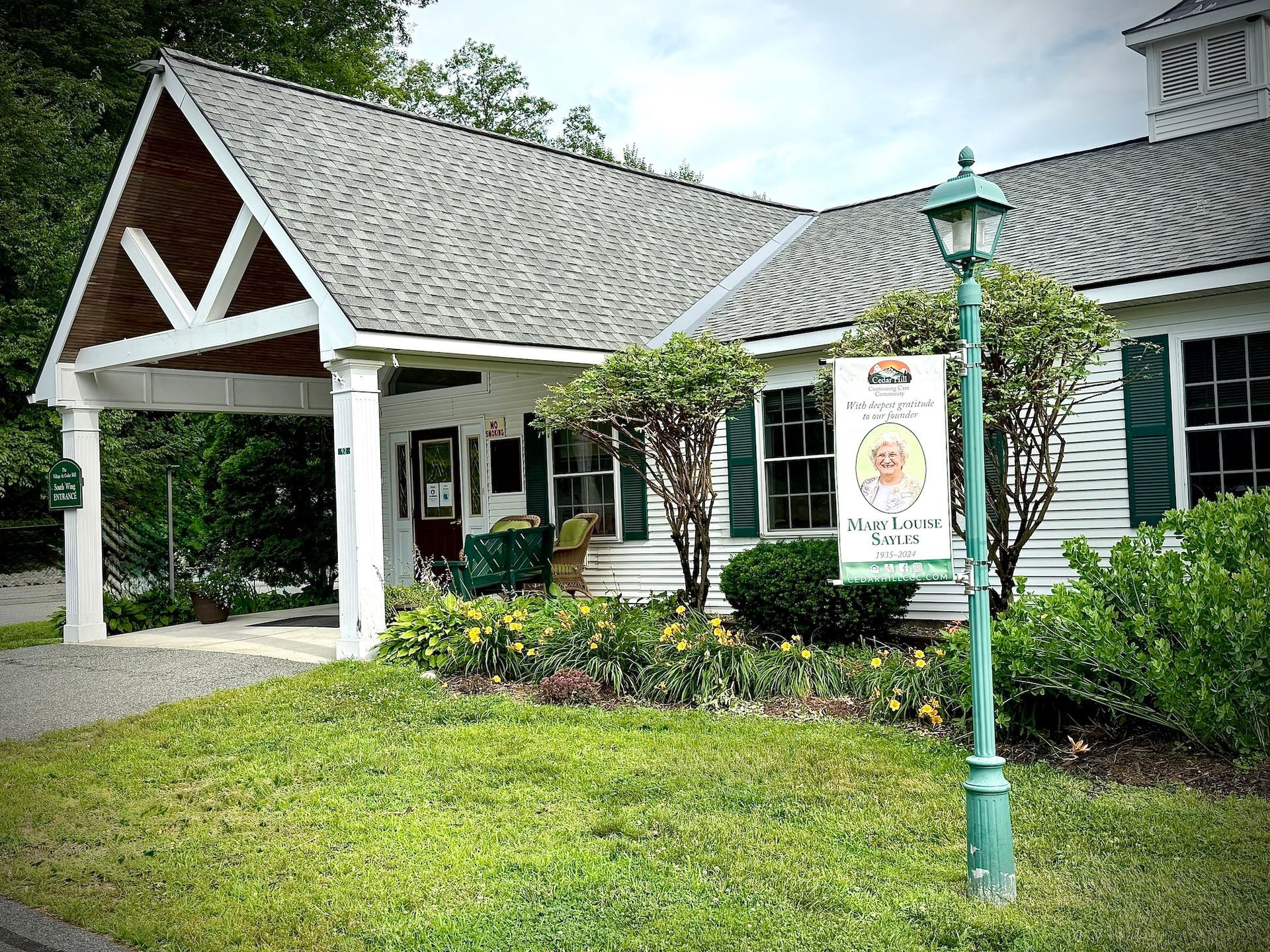
Cedar Hill Continuing Care Community takes a unique approach to memory care, focusing on individualized care strategies for residents with memory impairments. Located in Windsor, Vermont, the Judith Brogren Memory Care Center emphasizes a person-centered approach in senior care, creating an encouraging environment that supports the dignity and independence of seniors with memory care needs.


Cedar Hill offers a range of care options, from independent living to end-of-life care, ensuring residents receive the appropriate level of support throughout their journey. The welcoming campus environment fosters a sense of community and comfort, making Cedar Hill an ideal choice for memory care.


Comprehensive Care Options


 Cedar Hill offers comprehensive care options, including independent and assisted living, short-stay rehabilitation, skilled nursing care, memory care, and end-of-life care. The support services include clinical coordination, skilled nursing care, and various therapies such as physical, occupational, cognitive, and speech therapy. This continuing care model allows residents to transition seamlessly through different levels of care based on their needs.


Offering a wide range of care options ensures that residents receive the appropriate level of support at each stage of their journey. This holistic approach to care is what makes Cedar Hill a trusted choice for families seeking memory care.


Professional and Compassionate Staff


The staff at the Judith Brogren Memory Care Center are dedicated professionals trained in providing specialized care for residents with memory impairments. Their expertise in dementia care ensures that residents receive the highest level of support and attention. Maintaining the same caregivers helps build trust and familiarity, which is crucial for individuals with cognitive impairments.


Cedar Hill’s commitment to professional and compassionate care is evident in the training and dedication of their staff members. This personalized approach ensures that residents feel valued and understood, creating a supportive environment that promotes their well-being and dignity.


Welcoming Campus Environment


The Cedar Hill campus is designed to be a warm and inviting atmosphere for both residents and their families. This welcoming environment fosters a sense of community and comfort, making it easier for residents to transition and feel at home. The physical environment is structured to support the dignity and independence of all residents, creating a nurturing space that encourages engagement and interaction.


This supportive environment is a key component of Cedar Hill’s approach to memory care. By promoting a sense of belonging and security, the Judith Brogren Memory Care Center ensures that residents can thrive and enjoy a higher quality of life.


Next Steps: Scheduling a Tour or Consultation


Taking the next step towards securing appropriate memory care for your loved one involves visiting the Cedar Hill campus. Scheduling a tour allows families to experience the community atmosphere and care environment firsthand. Speaking with a care advisor during the visit can provide valuable insights into the specific needs of your loved one and the best care options available.


Families are encouraged to reach out to Cedar Hill for more information and to schedule a tour or consultation. This firsthand experience is essential in evaluating memory care options and making an informed decision that best suits your loved one’s needs.


Summary


In summary, memory care in assisted living communities offers specialized support and a secure environment tailored to the unique needs of individuals with cognitive impairments. From personalized care plans and enhanced safety measures to professional staff training and engaging daily activities, memory care facilities provide a comprehensive approach to improving residents’ quality of life.


Choosing the right memory care facility, such as the Judith Brogren Memory Care Center, ensures that your loved one receives compassionate and professional care. By understanding the benefits and knowing when to transition, families can make informed decisions that provide peace of mind and enhance the well-being of their loved ones.

Person walking on a snow-covered brick path, using a cane for support.
January 1, 2026
Practical winter safety guidance for Upper Valley families caring for seniors, covering icy hazards, cold risks, home prep, and weather‑related precautions.
Two older women seated at a table, conversing indoors. One wears glasses and a patterned shirt.
January 1, 2026
A clear, plain‑English guide for Vermont families explaining Medicaid Pending status, long‑term care costs, timeline, and what to expect.
Two older women sitting at a table; one in blue shirt, other is partially visible. Bookshelves in background.
December 8, 2025
Discover essential long-term care planning strategies for your future. Learn about care options, financial planning, and legal documents to ensure peace of mind.
Woman hugging another woman, both looking out window. Room with lamp, plants, and a bed.
December 8, 2025
Discover how to emotionally and practically prepare for your loved one's move into senior living. Get a step‑by‑step guide from Cedar Hill
Man holding hands with an older person on a couch, indoors, both smiling.
November 17, 2025
Discover respectful, practical steps to talk to your parent about assisted living—preserve independence, ease transition, and strengthen your relationship.
Cedar Hill community entrance sign with a white building and green landscaping.
November 17, 2025
Learn how to prepare a tour of an assisted‑living community: questions to ask, what to observe, and how to make a confident decision.
Man in blue scrubs shows document on clipboard to older person in a wheelchair.
October 14, 2025
Learn how a long term care planner supports your future—services, costs, insurance help, Medicaid guidance, care coordination & family decision-making.
Cedar Hill Community sign with buildings and landscaping in the background.
October 14, 2025
Explore independent senior housing—from community types to tips for a smooth transition into maintenance-free living with amenities and social connection.
Nurse in scrubs comforting an elderly person in bed, holding hands. Hospital setting, gentle expression.
August 18, 2025
Explore the key differences between assisted living and skilled nursing facilities to make informed care choices. Read the article for essential insights.
Elderly couple sitting on a bench, embracing, backs to the camera, in a park setting.
August 18, 2025
Discover essential questions to ask when considering assisted living options. Make an informed decision for yourself or a loved one. Read more now!
Show More