


Senior Living in Vermont: How Assisted Living, Memory Care, and Nursing Homes Compare

When an older adult needs more support than home can safely provide, families in Vermont usually end up comparing three options: assisted living, memory care, and nursing home care. The names sound similar, but each one serves a different level of need, follows different state rules, and is paid for in different ways.

This guide is for adult children, spouses, and older adults who are starting to look at assisted living in Vermont and the alternatives to it. Knowing how these settings differ makes it easier to ask the right questions, plan for costs, and choose a place that can meet needs today and as they change. If any terms are new to you, our glossary of senior living terms explains them in plain language.

Three Levels of Care at a Glance

Most senior living options fall along a range of support:

  • Assisted living is for people who are mostly independent but need help with some daily tasks, such as bathing, dressing, or managing medications.
  • Memory care is for people living with Alzheimer's disease or another form of dementia who need a secure setting, structured routines, and staff trained in dementia care.
  • Nursing homes (also called skilled nursing facilities) are for people who need 24-hour nursing care or short-term rehabilitation after a hospital stay.

The right fit depends less on age or diagnosis and more on how much help a person needs each day, and how much medical oversight that help requires.

Assisted Living in Vermont: What It Is and Who It Fits

Assisted living combines a private or shared living space with meals, housekeeping, activities, and personal care. Staff are available around the clock, but residents keep as much independence and privacy as their health allows.

Assisted living is often a good fit for someone who:

  • Needs reminders or help with medications
  • Needs help with one or more daily activities, such as bathing or dressing
  • Is at risk of falls or isolation when living alone
  • Does not need daily skilled nursing care

How Vermont Licenses Assisted Living

Vermont uses specific license types that are worth knowing when you compare communities. The state's Division of Licensing and Protection licenses:

  • Residential care homes (Level IV): provide room, board, personal care, general supervision, and medication management.
  • Residential care homes (Level III): provide the same services plus nursing overview.
  • Assisted living residences: combine housing, health, and supportive services, and must offer each resident a private bedroom, private bath, living space, kitchen capacity, and a lockable door.

Asking a community which license it holds tells you a lot about the care it can provide.

Memory Care in Vermont: Specialized Support for Dementia

Memory care is designed for people whose dementia affects their safety, judgment, or ability to manage daily life. Vermont does not issue a separate memory care license. Instead, memory care programs operate within licensed residential care homes, assisted living residences, or nursing homes, often as a dedicated, secure unit.

Compared with standard assisted living, memory care typically offers:

  • Secured entrances and exits to reduce the risk of wandering
  • Daily routines and activities adapted to cognitive ability
  • Staff with dementia-specific training
  • Higher staff involvement in eating, bathing, and other daily care

Vermont requires communities that offer specialized dementia programs to describe in writing how they meet residents' needs. Ask to see this statement when you visit.

Nursing Homes in Vermont: Skilled Nursing and Rehabilitation

Nursing homes provide the highest level of care outside a hospital. Licensed nurses are on duty 24 hours a day, and residents receive help with most or all daily activities along with ongoing medical care.

Short-Term Rehab vs. Long-Term Care

Nursing homes serve two different groups:

  • Short-term rehabilitation: people recovering from surgery, a fall, a stroke, or an illness who need physical, occupational, or speech therapy before returning home or to assisted living.
  • Long-term care: people with chronic conditions or advanced needs who require nursing care on an ongoing basis.

This distinction matters because Medicare treats the two very differently, as explained below. If a parent already lives in assisted living, it helps to understand the signs that it may be time to move to skilled nursing.

Side-by-Side Comparison

Assisted Living

  • Best for: help with some daily tasks
  • Medical care: medication management, with nursing overview in some settings
  • Living space: apartment or private room
  • Typical payment: mostly private pay, with some Medicaid help in Vermont

Memory Care

  • Best for: dementia with safety or care needs
  • Medical care: the same as assisted living, plus dementia-trained staff
  • Living space: private or shared room in a secure area
  • Typical payment: mostly private pay, with some Medicaid help in Vermont

Nursing Home

  • Best for: 24-hour nursing care or rehabilitation
  • Medical care: licensed nurses on duty around the clock
  • Living space: private or semi-private room
  • Typical payment: Medicare for short-term rehab, then private pay or Medicaid

What Senior Living Costs in Vermont

Vermont is one of the more expensive states for senior care. According to CareScout's 2025 Cost of Care Survey, Vermont's annual median costs were:

  • Assisted living: $103,137 per year (about $8,600 per month), compared with a national median of $74,400
  • Nursing home, semi-private room: $169,360 per year (about $464 per day)
  • Nursing home, private room: $186,333 per year (about $510 per day)

Memory care is not tracked separately in that survey, but it usually costs more than standard assisted living because of the added staffing and security. Costs vary by community and care level, so ask each one for a written breakdown of base rates and care fees.

How Families Pay for Care

Most families use a combination of sources:

  • Private funds: savings, retirement income, or proceeds from selling a home.
  • Long-term care insurance: many policies cover assisted living, memory care, and nursing home care. Check the elimination period and daily benefit.
  • Veterans benefits: eligible veterans and surviving spouses may qualify for VA pension with Aid and Attendance.
  • Medicare: covers short-term skilled nursing care only. After a qualifying inpatient hospital stay of at least three days, Medicare can cover up to 100 days of skilled nursing care per benefit period. In 2026, days 1 to 20 cost $0 after the Part A deductible, days 21 to 100 cost $217 per day, and Medicare pays nothing after day 100. Medicare does not pay for long-term assisted living or memory care.
  • Medicaid (Choices for Care): Vermont's Choices for Care program helps people who meet nursing home level of care and financial criteria. It can pay for care in a nursing home, at home, or through Enhanced Residential Care in approved Level III residential care homes and assisted living residences. Under Enhanced Residential Care, the resident still pays for room and board.

For a closer look at the two federal programs, see our guide to Medicare vs. Medicaid for senior care.

Questions to Help You Choose

When you visit or call communities, these questions can help you compare options:

  • What license does the community hold, and which levels of care does it provide?
  • What happens if care needs increase? Can the person stay, or will they need to move?
  • How are care levels assessed, and how do fees change with them?
  • Does the community accept Choices for Care, Medicare, or long-term care insurance?
  • For memory care, what dementia training do staff receive, and how is the unit secured?
  • How are families kept informed about changes in health or care?

The question about changing needs matters most. Moving between communities can be hard on an older adult, so a setting with several levels of care on one campus can reduce disruption later.

Frequently Asked Questions

  • What is the difference between assisted living and a nursing home in Vermont?

    Assisted living provides housing, meals, and help with daily activities for people who are mostly independent. Nursing homes provide 24-hour licensed nursing care and rehabilitation for people with significant medical needs. In Vermont, assisted living is licensed as a residential care home or assisted living residence, and nursing homes are licensed separately.

  • How much does assisted living cost in Vermont?

    According to CareScout’s 2025 Cost of Care Survey, the median cost of assisted living in Vermont was $103,137 per year, or about $8,600 per month. Actual costs depend on the community, the size of the living space, and the level of care needed.

  • Does Medicaid pay for assisted living in Vermont?

    Vermont’s Choices for Care program can help pay for care services in approved Level III residential care homes and assisted living residences through Enhanced Residential Care. To qualify, a person must meet nursing home level of care and Medicaid financial rules. Medicaid does not cover room and board in these settings, so the resident pays that portion.

  • When is it time to move from assisted living to memory care?

    A move to memory care is often considered when dementia leads to wandering, getting lost, unsafe decisions, or confusion that standard assisted living staff cannot safely manage. A physician’s evaluation and the community’s care assessment can help families decide on timing.

  • Does Medicare pay for a nursing home?

    Medicare pays only for short-term skilled nursing care after a qualifying hospital stay of at least three inpatient days. It can cover up to 100 days per benefit period, with a daily coinsurance after day 20. Medicare does not pay for long-term custodial care in a nursing home.

Choosing With Confidence

Assisted living in Vermont, memory care, and nursing home care each meet a different level of need. The clearest way to choose is to start with an honest look at daily care needs, learn how each setting is licensed, and understand early how care will be paid for, especially as needs change over time. Families who plan ahead usually have more choices and fewer rushed decisions.

Cedar Hill Continuing Care Community in Windsor, Vermont, offers assisted living, memory care, and skilled nursing with short-term rehabilitation on one campus. Families who want to learn more can visit cedarhillccc.com.

Two older adults smile while playing cards at an outdoor table surrounded by plants
November 1, 2026
Does Medicaid pay for independent living? Learn what Medicaid and Medicare cover, Vermont's Choices for Care, and other ways older adults pay for independent living.
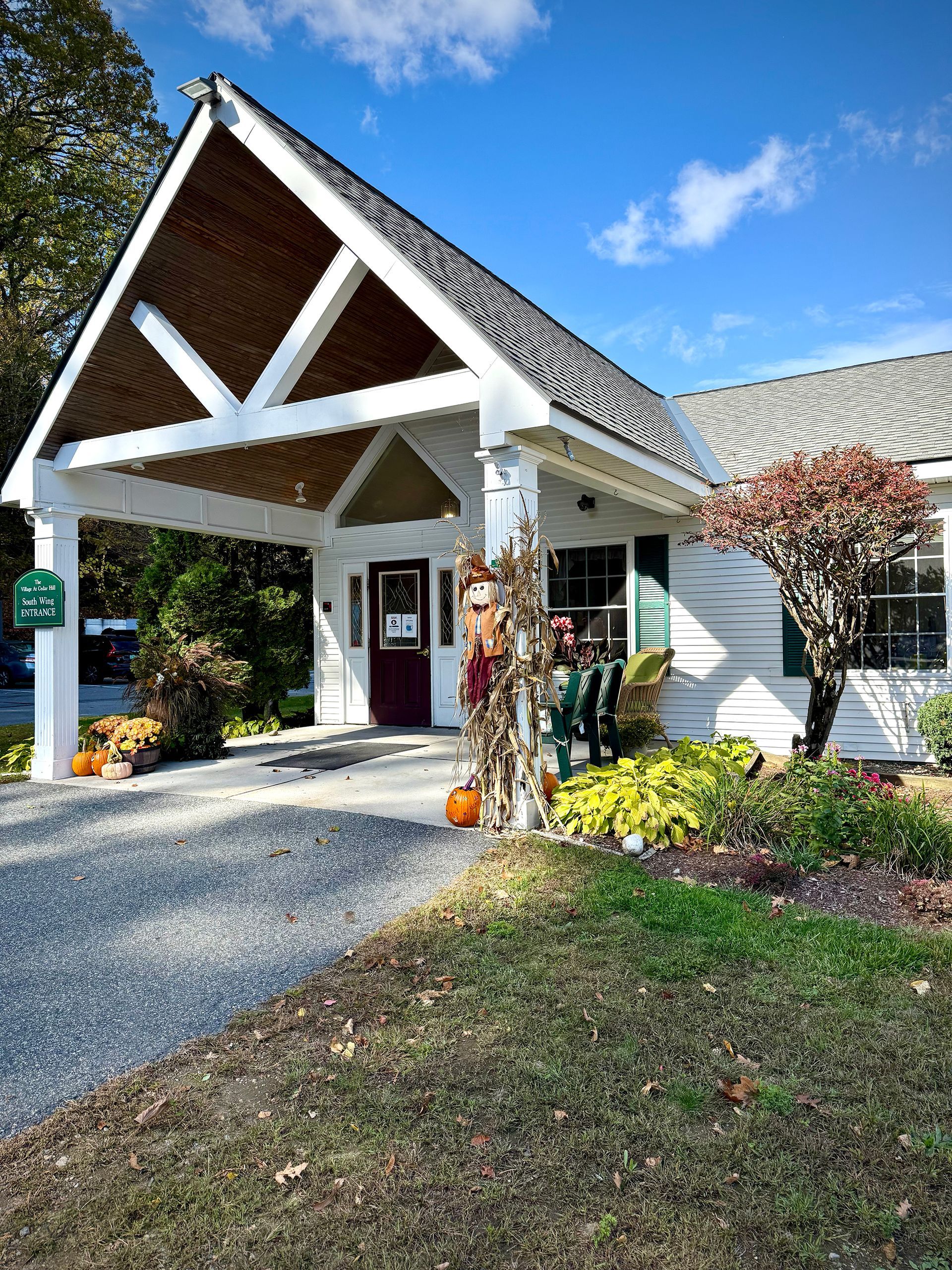
Covered entryway of a white house with a gabled roof, gravel driveway, and landscaped flower beds under a blue sky
October 15, 2026
Facing a hospital discharge to skilled nursing rehab in the Upper Valley? Learn your rights, Medicare coverage rules, and key questions to ask before choosing.

Adult son holding hands with his elderly father while talking on a couch
October 15, 2026
Caring for a parent in Vermont from another state? Learn practical long distance caregiving strategies, warning signs to watch, and local senior care options.
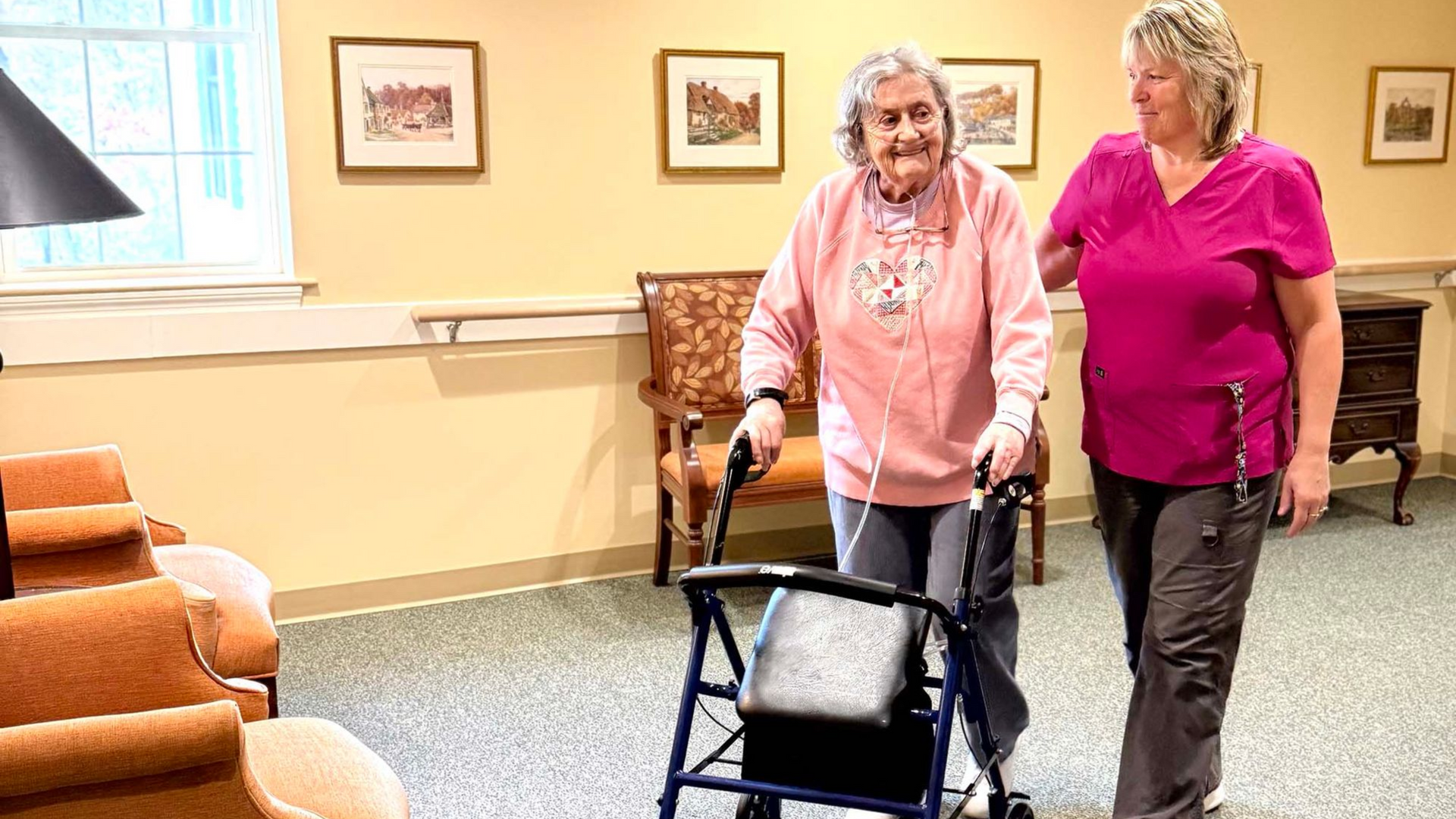
Two women walking with a rollator in a bright room with chairs and framed pictures.
September 4, 2026
Learn when to transition from assisted living to skilled nursing care. Recognize key health indicators for your loved one's needs.
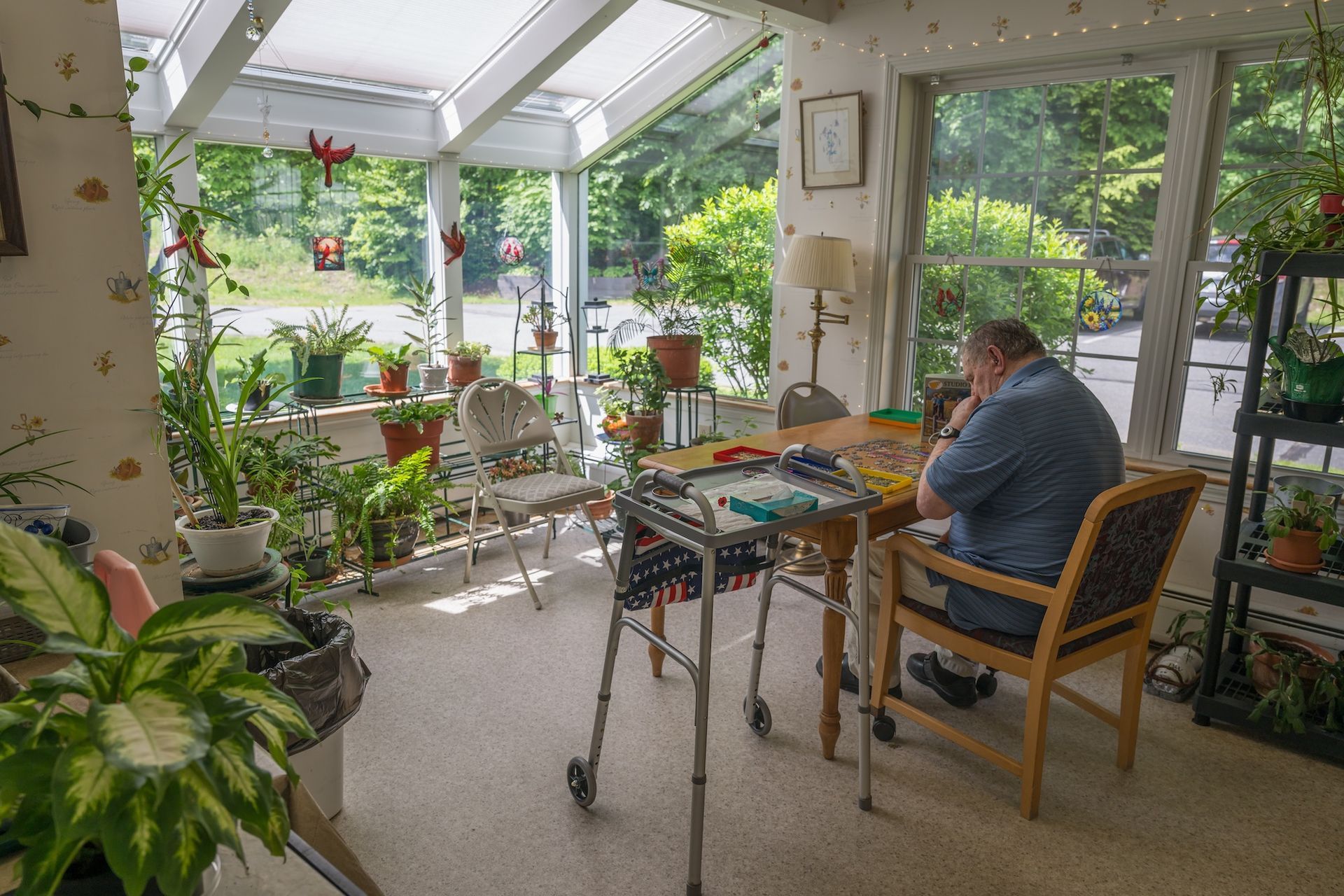
Person seated at a craft table in a bright sunroom surrounded by plants and garden views
September 3, 2026
Discover how gardening therapy for dementia supports memory, reduces stress, improves mobility, and promotes well-being in memory care.
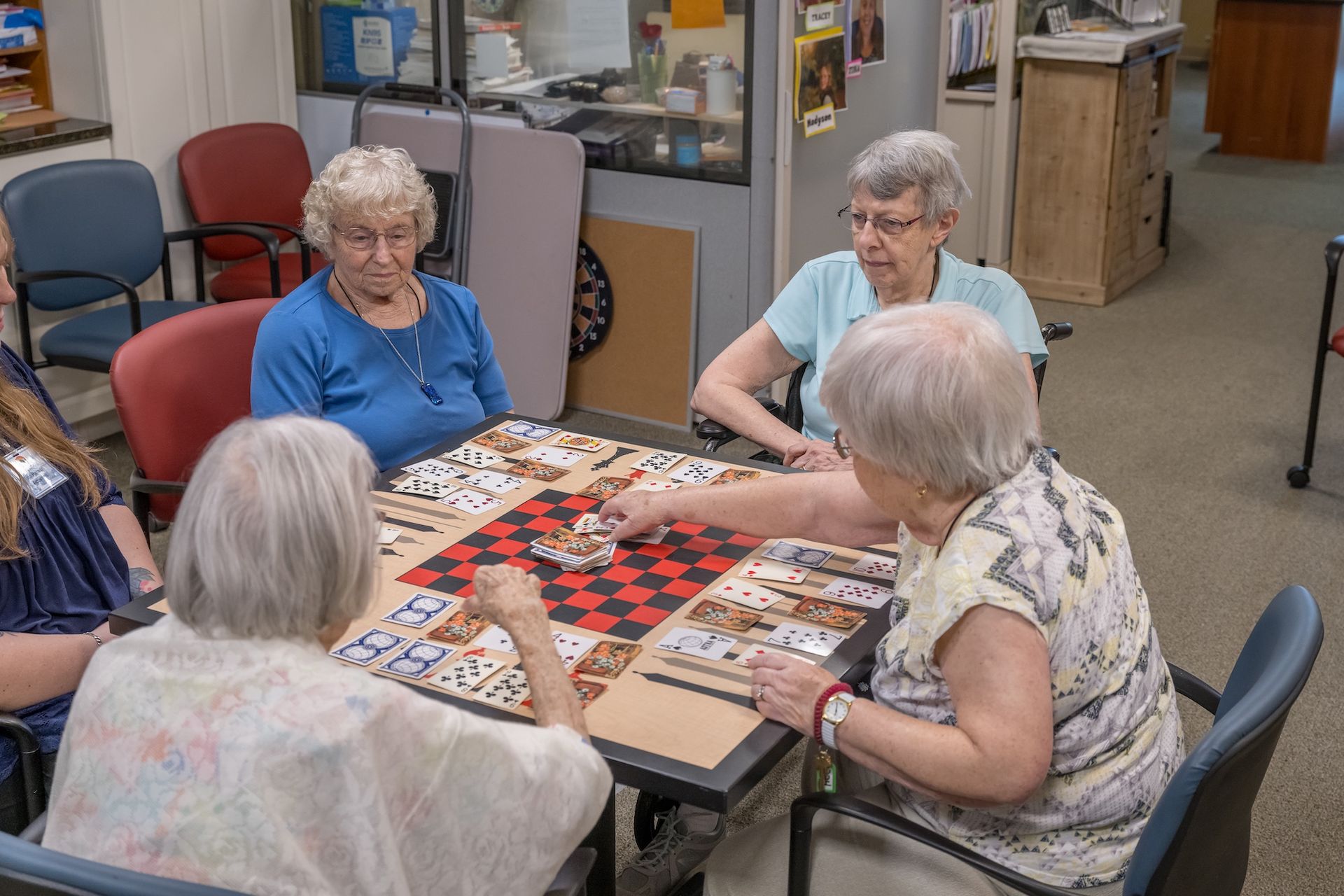
Four people play checkers at a table in a community room.
August 10, 2026
Learn how social isolation affects older adults and how meaningful community activities can support physical health, cognitive well-being, connection, and independence.
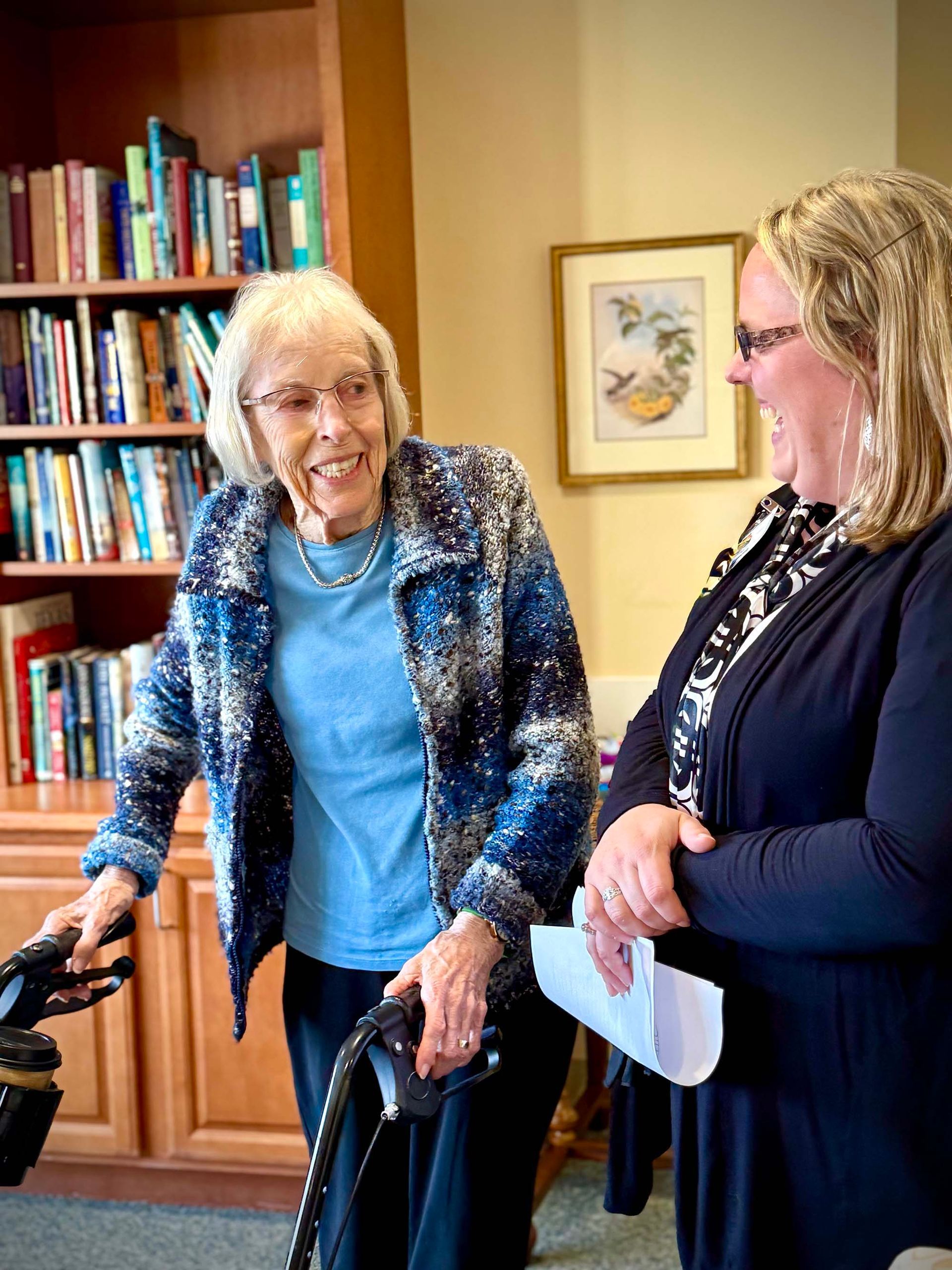
Two women smiling and talking in a cozy room, one using a walker, with bookshelves and framed art behind them.
August 10, 2026
Learn about senior care staff roles, including RAs, LNAs, medication technicians, activities staff, and nurses, and how each supports your loved one.
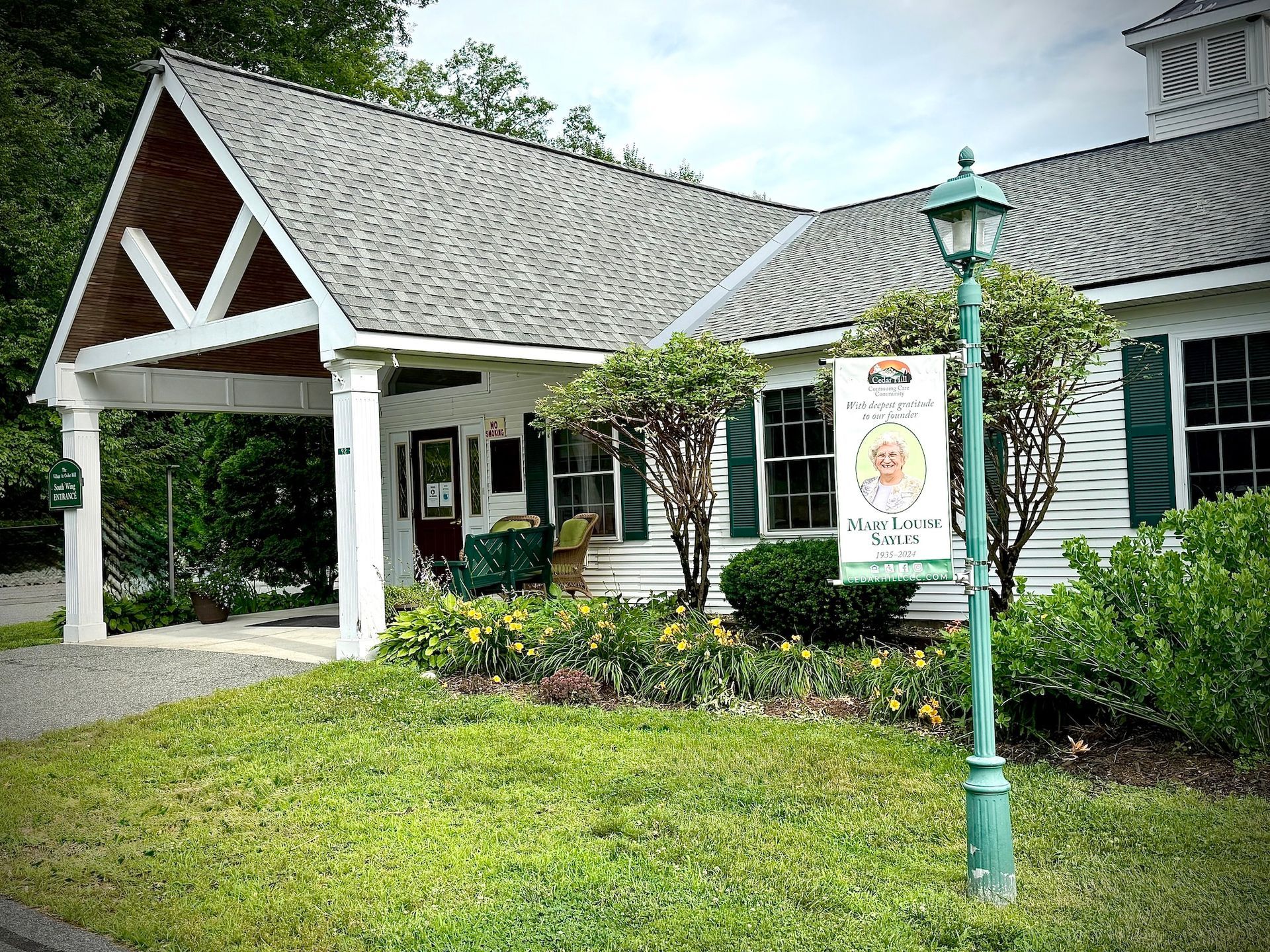
White cottage-style storefront with green trim, porch, sign, and landscaped lawn under a cloudy sky
July 23, 2026
Discover why Windsor, VT is an ideal place for senior living, offering historic charm, natural beauty, a welcoming community, and exceptional retirement living.
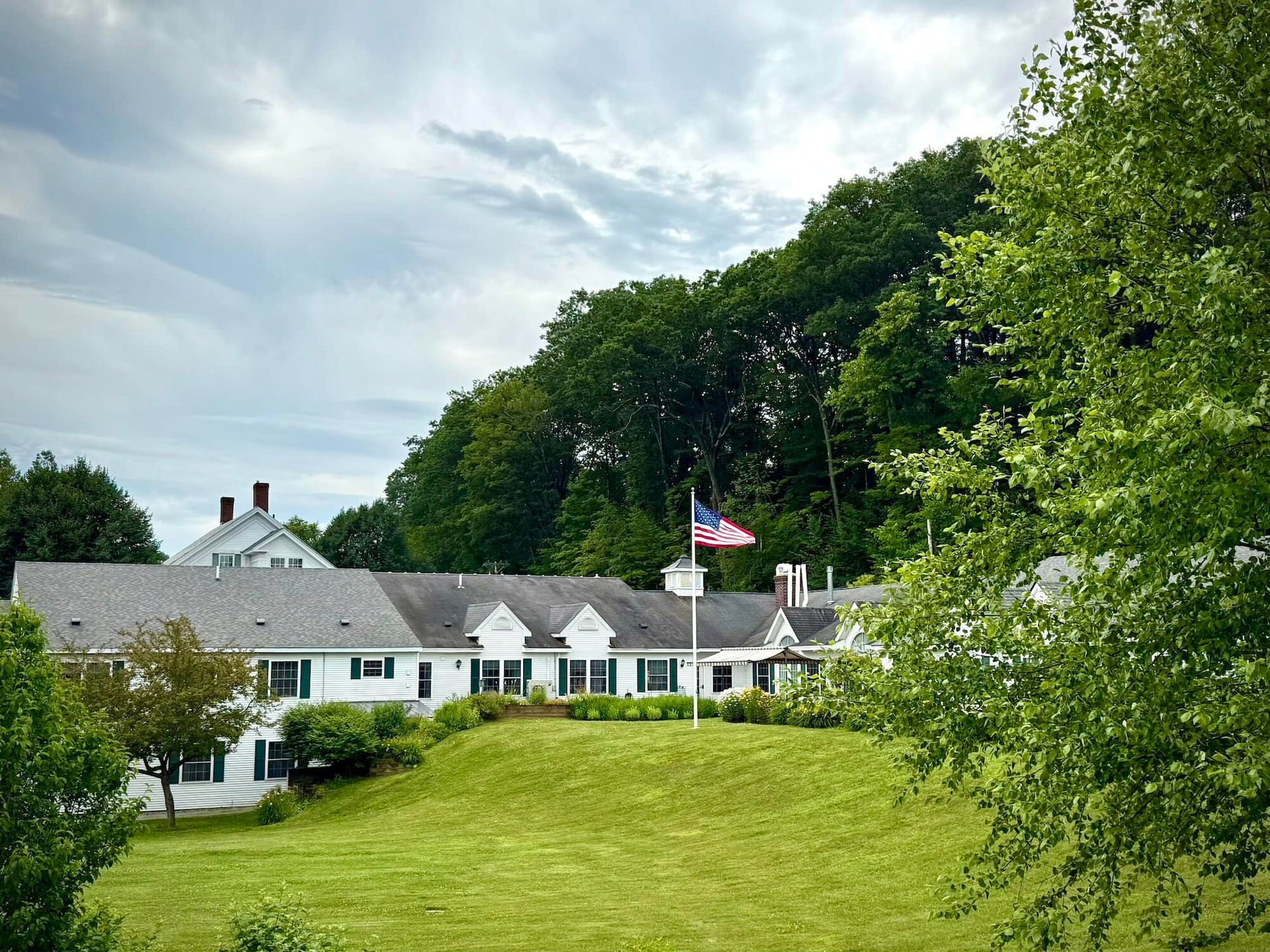
Row of white houses with an American flag beside a green lawn and tree line
July 22, 2026
Learn how assisted living communities support seniors with vision loss and hearing decline through safer environments, personalized care, and adaptive communication

Seniors in a bright studio doing seated arm stretches during a group exercise class
June 17, 2026
Discover thoughtful ways to make visits more meaningful for loved ones in skilled nursing. Learn activities, conversation ideas, and tips to strengthen connections and enhance their well-being.
Show More