
Moving into a supportive community is an important milestone in an older adult’s life. It represents a proactive decision to prioritize safety, social connection, and daily support. For many families, an assisted living apartment offers the perfect balance of independence and assistance. However, as time passes, chronic health conditions can progress, and physical or cognitive needs may change.
For adult children and caregivers, recognizing when a parent’s needs have evolved beyond standard assistance is one of the most emotionally challenging parts of the care journey. Understanding the indicators of this progression is essential for ensuring your loved one continues to live safely and comfortably. This compassionate guide helps families recognize the physical, medical, and cognitive milestones that indicate it may be time for a transition from assisted living to skilled nursing.
Defining the Difference Between Care Environments
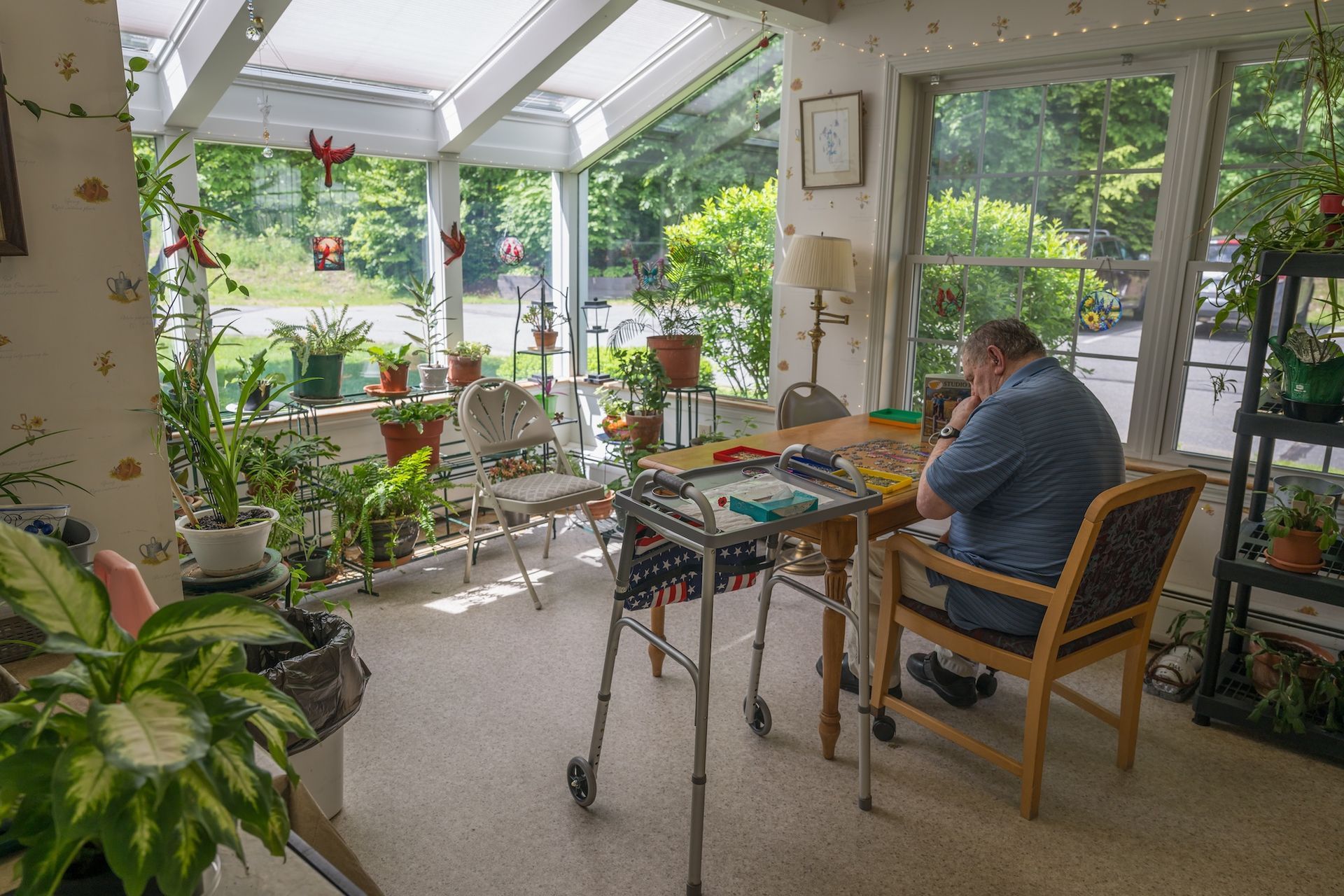
Understanding the fundamental operational and clinical distinctions between care levels is the first step in recognizing when a transition is necessary. Assisted living is designed to maximize autonomy. Residents live in private apartments and receive customized assistance with activities of daily living (ADLs)—such as bathing, dressing, grooming, and medication management—based on personalized personal care tier. While staff members are available around the clock to provide support, the environment is residential rather than clinical.
In contrast, skilled nursing care offers a much higher level of medical supervision and clinical intervention. This environment is designed for individuals who require 24-hour observation and care by licensed practical nurses (LPNs), registered nurses (RNs), and therapists. Skilled nursing centers are equipped to manage complex, unstable medical conditions, administer specialized treatments, and provide intensive daily rehabilitation.
Evaluating these options can feel overwhelming, but looking at specific developmental milestones in your loved one's health can provide clarity. Recognizing when a parent's increasing medical complexity exceeds what assisted living care tiers can safely provide is crucial for their long-term well-being and safety.

Medical Milestones: When Clinical Complexity Increases
An increase in medical complexity is a primary indicator that an individual requires 24-hour clinical supervision. While assisted living staff can assist with basic medication administration and general health monitoring, they are not structured to provide intensive, ongoing clinical treatments.
A primary medical indicator is the need for specialized wound care. Chronic wounds, such as diabetic ulcers or slow-healing surgical incisions, require sterile dressings, frequent assessments, and specialized treatments that must be performed by a licensed nurse. Similarly, if an individual requires daily intravenous (IV) therapies, extensive respiratory treatments, or complex catheter and ostomy management, their clinical needs have surpassed the scope of assisted living.
Frequent, unexplained hospital visits or recurring infections (such as urinary tract infections or pneumonia) also suggest that an individual’s health is fluctuating too rapidly for a residential setting. In these scenarios, the constant presence of licensed nurses is necessary to perform immediate assessments, recognize subtle changes in clinical status, and coordinate directly with physicians to prevent emergencies.
Functional Milestones: Changes in Mobility and Daily Living
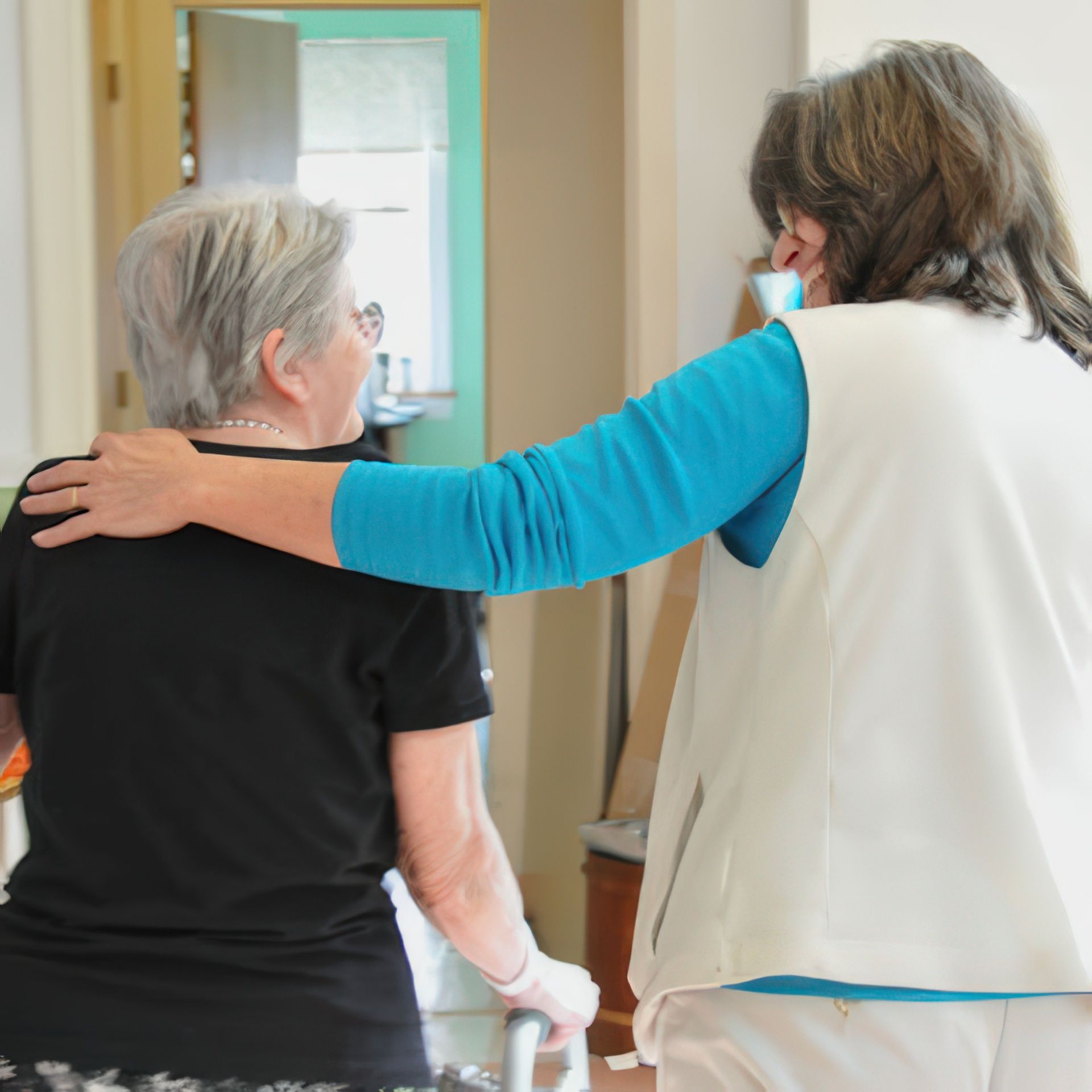
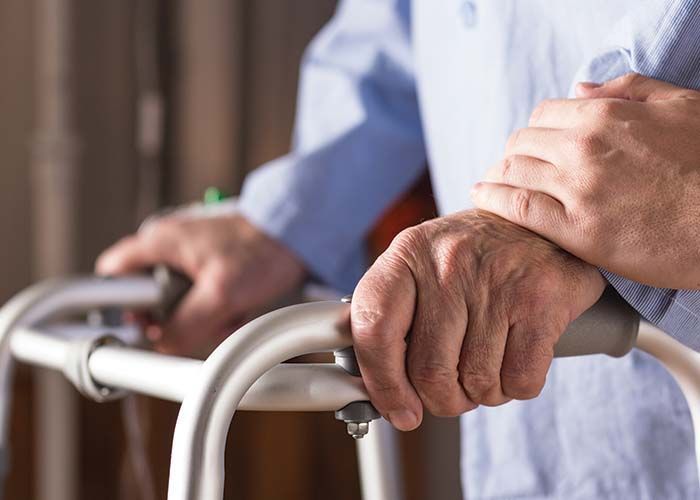
Changes in physical mobility and the ability to perform basic daily tasks safely are significant functional indicators that a higher level of care is required. In assisted living, residents are generally expected to have some level of physical independence, even if they require a walker, wheelchair, or the steadying arm of an aide.
A key functional milestone is a decline in transfer ability. If an individual can no longer stand up from a bed, toilet, or chair without the physical support of multiple caregivers (known as a two-person transfer) or the use of mechanical lifting equipment, skilled nursing is typically required. Assisted living environments are physically and operationally designed around one-person assistance; when a resident requires mechanical lifts for safe movement, a clinical setting with specialized equipment is necessary.
Frequent falls, even after environmental safety modifications and physical therapy interventions have been implemented, indicate that the risk of serious injury has become too high for an independent apartment. A transition ensures that professional staff are constantly available to monitor movement, assist with mobility devices, and implement specialized clinical fall-prevention protocols.

Nutritional and Digestive Milestones: Specialized Dietary Needs
Nutritional health is closely tied to overall physical and cognitive function. As chronic conditions progress, some individuals experience significant changes in their ability to eat, swallow, and digest food safely. These changes require a level of dietary and medical oversight that goes beyond standard dining services.
Dysphagia, or difficulty swallowing, is a serious medical condition common in the advanced stages of neurological disorders like Parkinson's disease or stroke. Individuals with dysphagia are at a high risk of aspiration—where food or liquid accidentally enters the lungs, potentially causing severe pneumonia. Managing dysphagia safely requires texture-modified diets (such as pureed foods or thickened liquids), specialized feeding techniques, and direct supervision by speech-language pathologists and nursing staff during mealtimes.
Significant, unexplained weight loss or a complete loss of appetite also warrants a transition to clinical care. In a skilled nursing center, registered dietitians and clinical nurses work together to monitor daily caloric intake, administer specialized nutritional supplements, or manage feeding tubes (such as G-tubes) if an individual can no longer take nutrition by mouth safely.
Cognitive Milestones: Balancing Cognitive Decline with Physical Frailty
Specialized memory care neighborhoods are designed to support individuals experiencing cognitive decline, providing secure environments and sensory-focused activities. However, there are instances where cognitive impairment is compounded by physical decline, making a transition to skilled nursing a necessity.
This milestone is reached when cognitive impairment is paired with severe physical frailty or complex medical conditions. For example, if a resident with advanced dementia also experiences a stroke or a broken hip, their ability to participate in memory care programs is severely restricted. They require intensive physical rehabilitation and 24-hour nursing support to manage their physical healing alongside their cognitive challenges.
Furthermore, some individuals experience behavioral changes associated with advanced dementia—such as severe agitation, physical restlessness, or sleep disturbances—that require medical management and specialized psychiatric nursing oversight. When these behaviors pose a risk to the individual's safety or the well-being of those around them, a clinical setting with specialized nursing interventions provides the safest, most stable environment.
The Emotional Impact on Families During the Transition
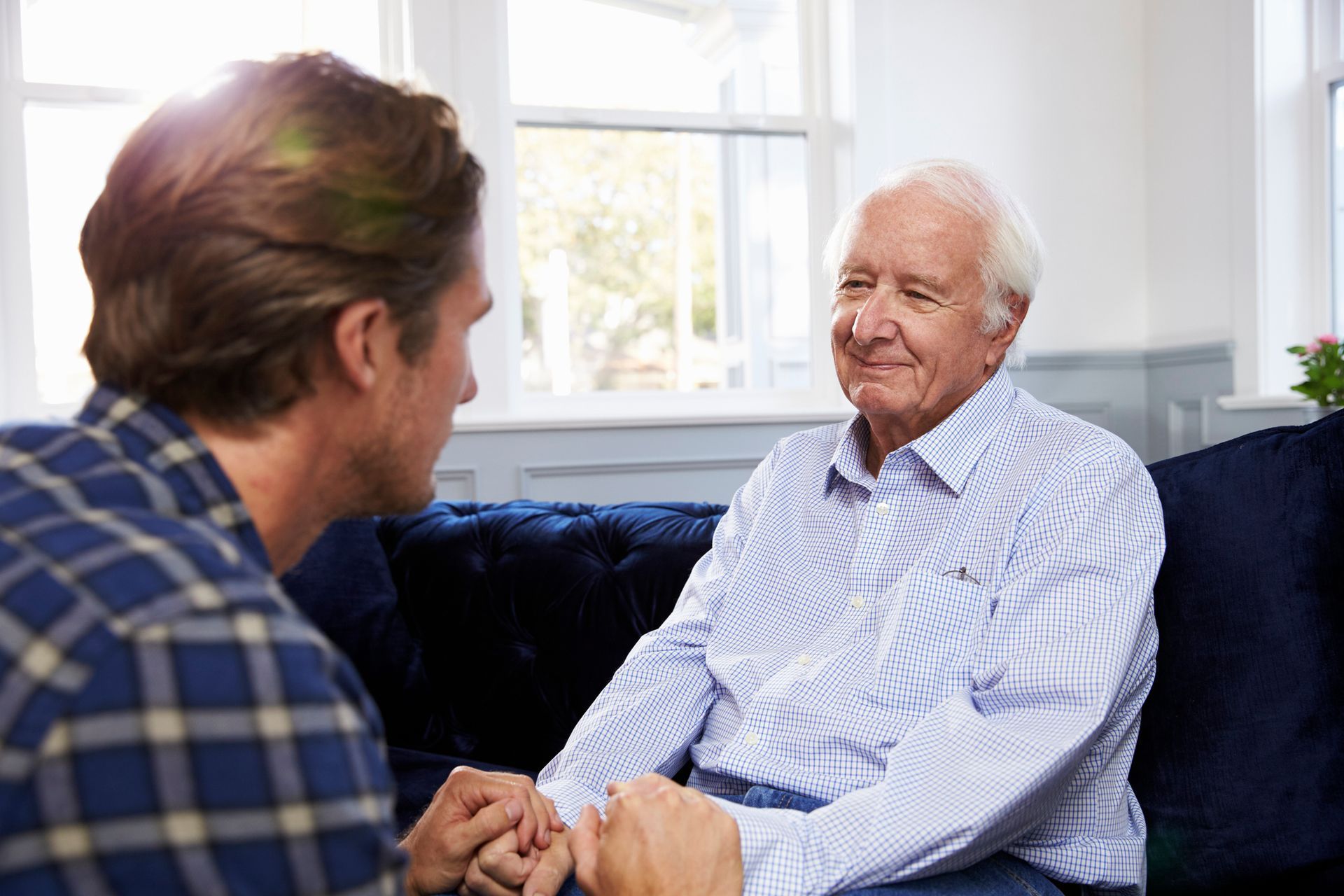
Deciding to transition a loved one to a higher level of care often brings a wave of complex emotions for family members. Caregivers frequently struggle with feelings of grief, sadness, and profound guilt, wondering if they are "giving up" on their parent or breaking a promise to keep them in a residential setting.
Transitioning a loved one to a higher care setting is not a failure; it is an act of deep love, advocacy, and protection. Recognizing when a parent's medical needs have surpassed your physical capability to manage them is a responsible, courageous decision that prioritizes their immediate safety and dignity.
Releasing the burden of complex medical management allows family members to step back from the stressful duties of acting as an untrained nurse or coordinator. It creates space for you to return to your primary, most important role: being a daughter, a son, or a partner. You can spend your visits sharing meaningful moments, listening to music, or simply holding hands, knowing that their clinical needs are being managed by a team of dedicated professionals. Knowing when is it time for skilled nursing helps families make this transition with confidence.

Frequently Asked Questions
How is the decision to transition care levels evaluated?
The decision to transition from assisted living to skilled nursing is never made in isolation. It involves a collaborative evaluation by the community’s clinical director, the individual’s primary care physician, the nursing staff, and the family.
This assessment looks at the individual's medical history, frequency of hospitalizations, ability to perform activities of daily living, and cognitive status. The goal is to identify if their physical and clinical needs have consistently exceeded what assisted living can safely provide, ensuring they transition to the appropriate level of support.
What is the main medical difference between assisted living and skilled nursing?
The primary difference lies in the level of clinical supervision and medical intervention available. Assisted living focuses on personal care, socialization, and maximizing independence, with nurses available for general health monitoring and medication administration.
Skilled nursing provides continuous, 24-hour clinical care by licensed nurses. This setting is equipped to handle complex medical treatments, such as advanced wound care, IV therapies, and ventilator support, as well as intensive daily physical, occupational, and speech therapy.
Can a resident receive physical therapy in both care settings?
Yes, physical, occupational, and speech therapies are available in both settings, but the intensity and goals of the therapy differ. In assisted living, therapy is often outpatient-focused, designed to maintain current mobility or address a specific, minor decline.
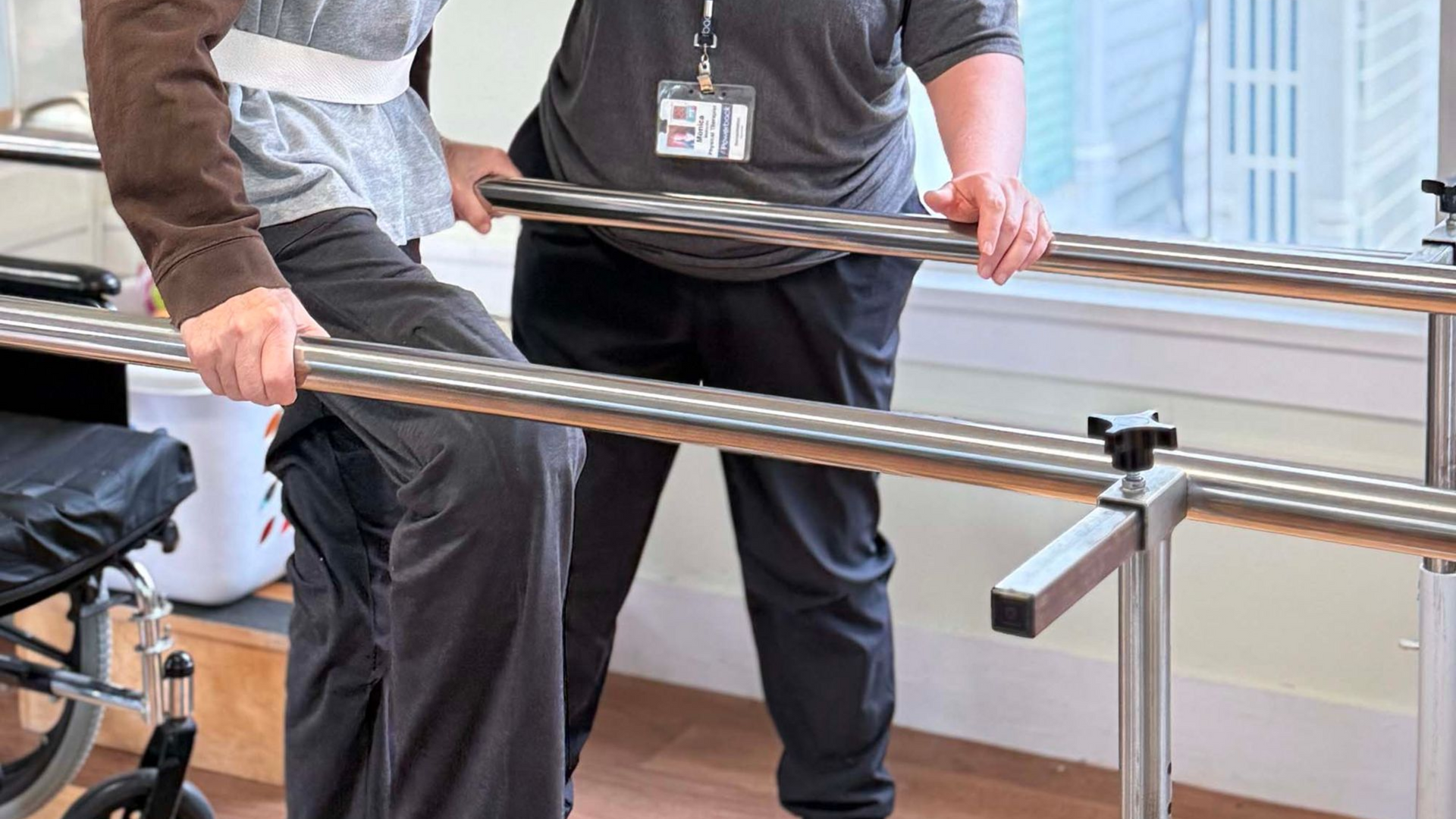
In skilled nursing, therapy is typically more intensive and rehabilitation-focused, often following a hospital stay for surgery, injury, or severe illness. The objective is to restore physical strength, mobility, and daily living skills through highly structured, daily sessions supervised by a clinical team.
Will a transition require moving to a different room or building?
Yes, transitioning to skilled nursing usually requires moving to a different neighborhood or building on the community campus. This move is necessary because skilled nursing spaces are physically and structurally designed to accommodate medical equipment, such as hospital beds, mechanical lifts, and emergency response systems.
These rooms are also physically closer to nursing stations, ensuring immediate staff response. While moving can be challenging, remaining on the same campus allows the resident to keep their familiar doctors, friends, and the broader community culture they enjoy.
How can families support a loved one during this transition?
Families can support their loved ones by maintaining a consistent, reassuring presence throughout the move. Participate in decorating their new room with familiar comfort items from their apartment, such as favorite photographs, a cherished quilt, or a familiar reading chair.
Communicate openly with the new nursing team, sharing details about your parent's personal habits, preferences, and routines. Focus your visits on comforting, low-pressure activities like listening to music, looking at photo albums, or enjoying a quiet moment in the courtyard, which helps ease the transition and reinforces your continuous support.
Conclusion
Navigating the changing health needs of an aging family member requires patience, empathy, and careful planning. While assisted living provides a wonderful foundation for independent, supportive living, recognizing when a parent’s care needs have progressed is essential for their safety. By observing key medical, functional, nutritional, and cognitive milestones, families can make clear, informed decisions about transitioning care. Prioritizing 24-hour clinical supervision when necessary guarantees that your loved one receives the dignified, professional support they need, providing your entire family with lasting comfort and peace of mind.
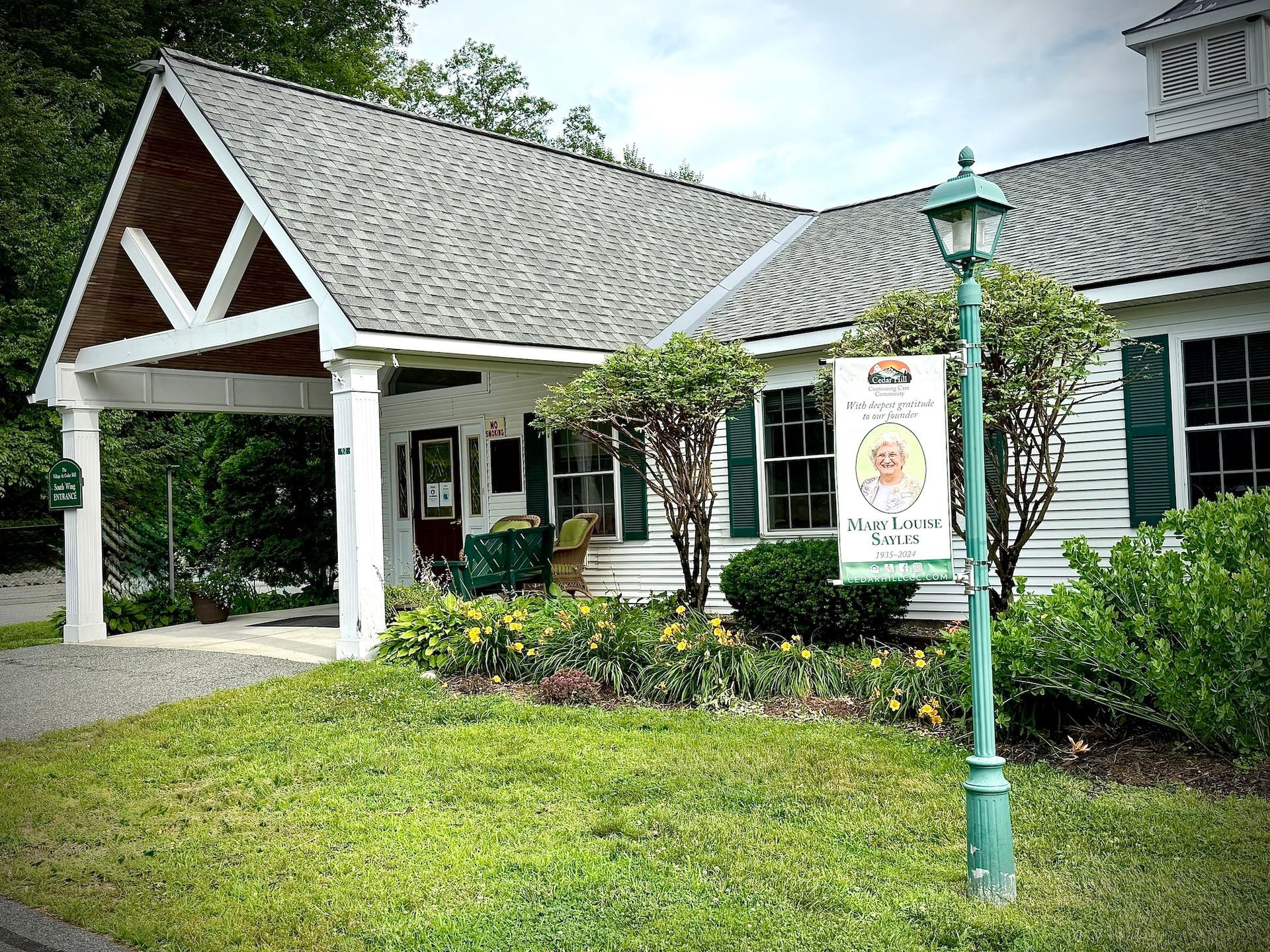
Cedar Hill Continuing Care Community offers a comprehensive spectrum of senior living services in Windsor, Vermont. Providing independent living, assisted living, specialized memory care, and skilled nursing on a single campus, the community focuses on dignity, personalized support, and creating a warm, vibrant neighborhood. For more information about available living options, educational resources, and supportive services, please visit https://www.cedarhillccc.com/.