
Aging naturally brings physical changes, and some of the most common involve the senses. A gradual decline in vision and hearing can fundamentally alter how an older adult interacts with their environment. For caregivers and adult children, these sensory changes often raise serious concerns about physical safety and emotional well-being within a standard family home. Understanding how to adapt to these shifts is a critical part of long-term planning. When exploring supportive options, finding assisted living for seniors with vision loss and hearing decline becomes a priority. This article explains how intentional environmental design, acoustic management, and adaptive communication styles create a secure, engaging neighborhood for individuals experiencing sensory changes.
The Hidden Dangers of an Unmodified Private Home
Most private houses were not built with sensory decline in mind. While a family home holds deep emotional significance, its standard architectural features often become significant hazards as vision or hearing fades. Dim lighting in hallways, a lack of contrast between floors and walls, and steep staircases create immediate physical risks for someone struggling with depth perception or low vision.
Furthermore, unmodified homes rarely account for acoustic challenges. Hardwood floors, high ceilings, and large open spaces create echoes and amplify background noise. This acoustic environment makes it incredibly difficult for individuals with hearing aids or natural hearing loss to isolate voices during a conversation.
When a person cannot clearly see potential hazards or easily hear conversations, they frequently begin to withdraw. They may stop navigating their home freely to avoid falls, or stop engaging in social visits because following a conversation is too exhausting. This withdrawal often leads to profound social isolation, prompting families to seek a more supportive living arrangement.

Environmental Design in Assisted Living for Seniors with Vision Loss
A primary benefit of transitioning to a supportive community is the intentional architectural design. Finding appropriate assisted living for seniors with vision loss involves evaluating how the physical space compensates for decreased eyesight. Supportive neighborhoods are constructed to maximize visibility and reduce the risk of accidents caused by poor depth perception.
Lighting is the most critical element of this environmental design. Hallways, common areas, and private apartments are equipped with bright, consistent lighting that eliminates heavy shadows. Because older eyes are often highly sensitive to glare, communities utilize matte finishes on flooring and walls to prevent harsh reflections from windows or overhead lights.
Visual contrast is also heavily utilized to guide residents safely. Door frames are often painted in a contrasting color to the surrounding walls, making room entrances easy to identify. Bathroom fixtures, such as grab bars and toilet seats, frequently contrast with the floor and wall tiles to ensure safe use. Families exploring various residential options can observe these specific design choices that empower individuals to navigate their daily routines with confidence.
Acoustic Management and Hearing Support
Just as intentional lighting supports vision, structural acoustic management is essential for supporting hearing. In a community setting, architects and interior designers focus on reducing ambient noise and preventing the echoing that distorts human speech. This is achieved through careful selection of building materials and furnishings.
Common areas are frequently designed with soft, sound-absorbing materials. Wall-to-wall carpeting, upholstered furniture, and heavy window draperies all serve to dampen background noise. Acoustic ceiling tiles are often installed in larger gathering spaces to prevent sounds from reverberating across the room.
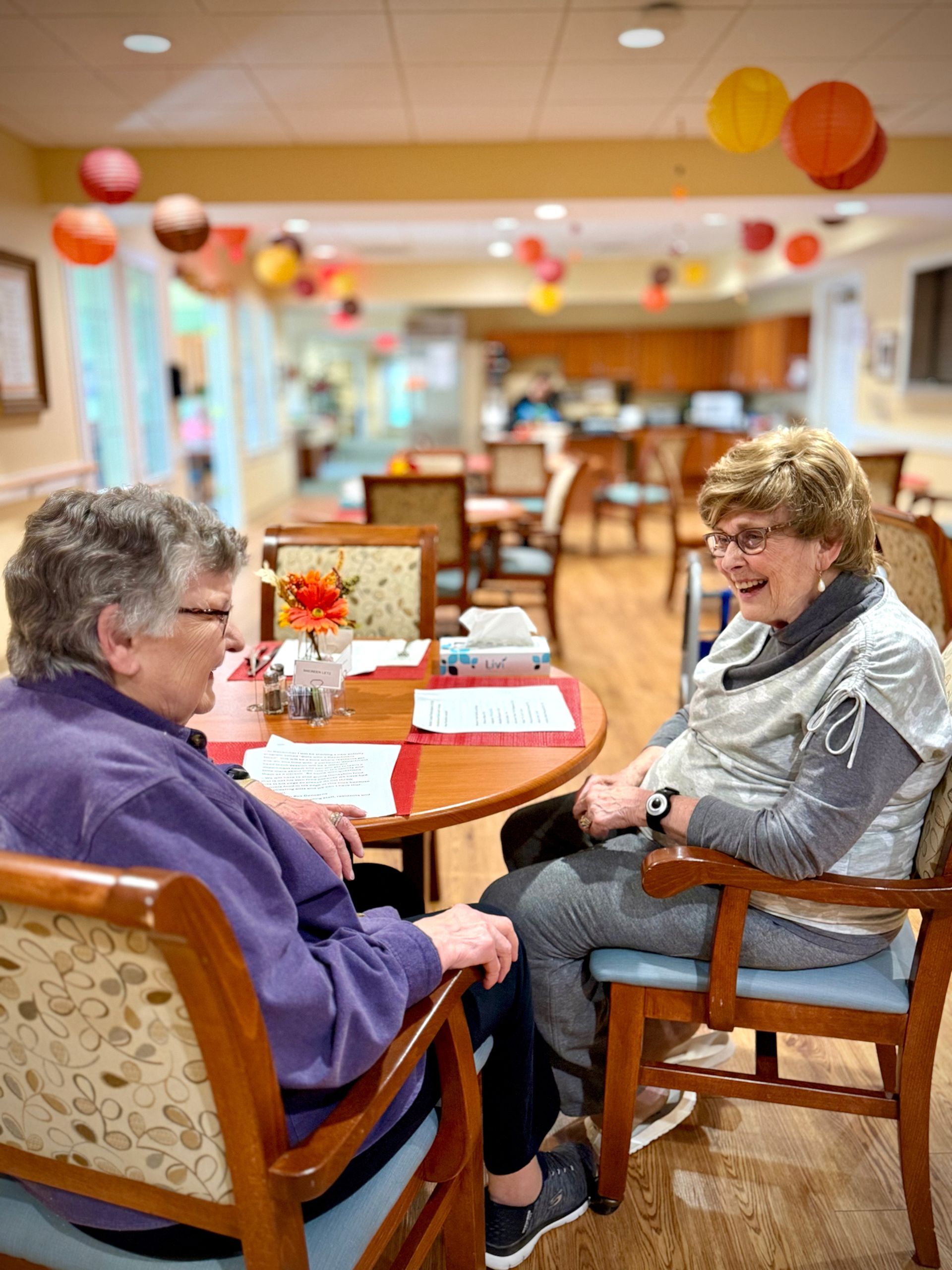
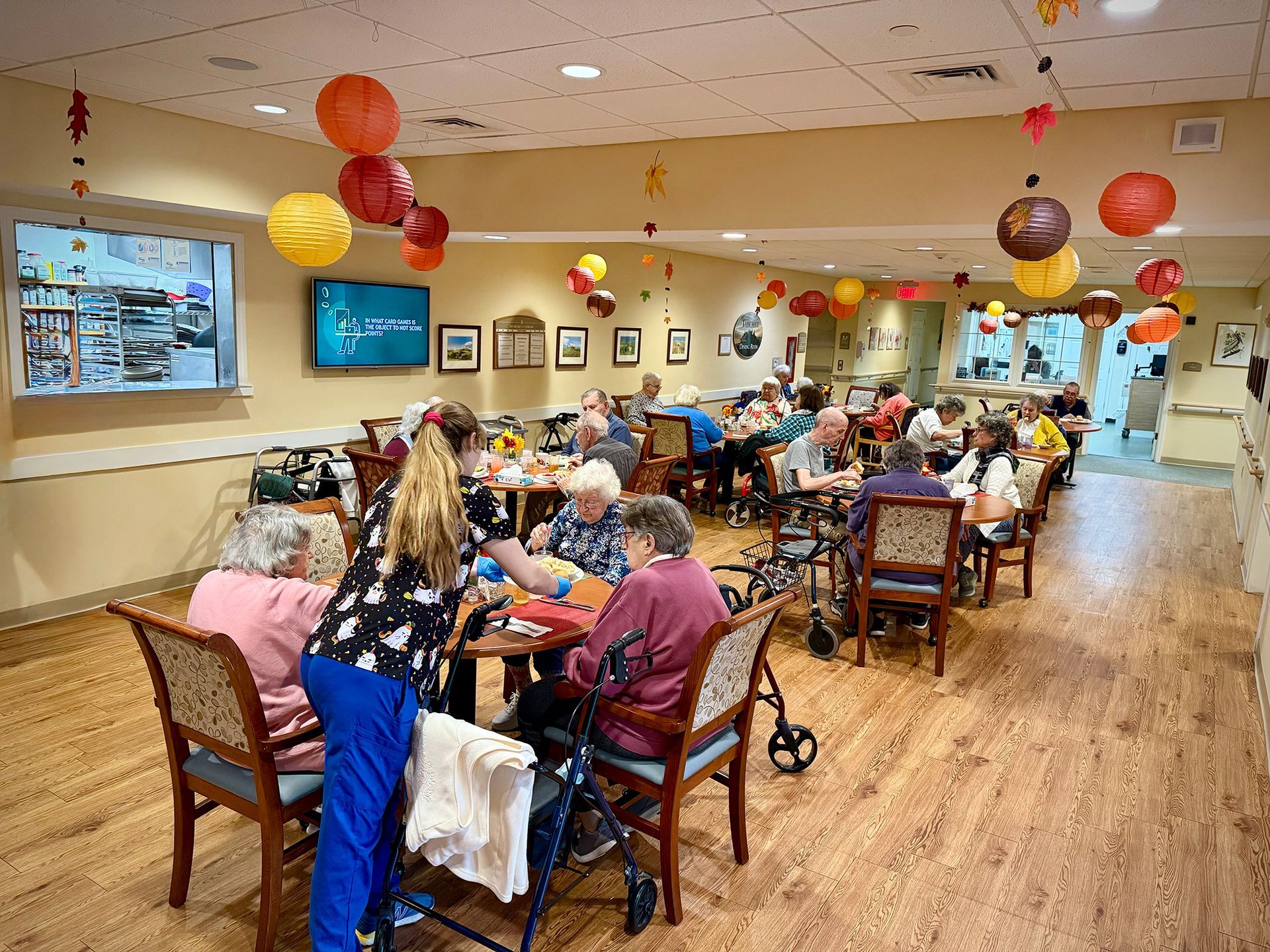
Dining spaces are specifically designed to manage noise levels. Since mealtimes are a primary opportunity for socialization, keeping background clatter to a minimum is vital. Communities often use smaller, intimate dining tables rather than large banquet setups, bringing conversation partners closer together. These acoustic modifications ensure that individuals with hearing loss can actively participate in conversations without feeling overwhelmed by the surrounding environment.

Adaptive Communication Strategies by Professional Teams
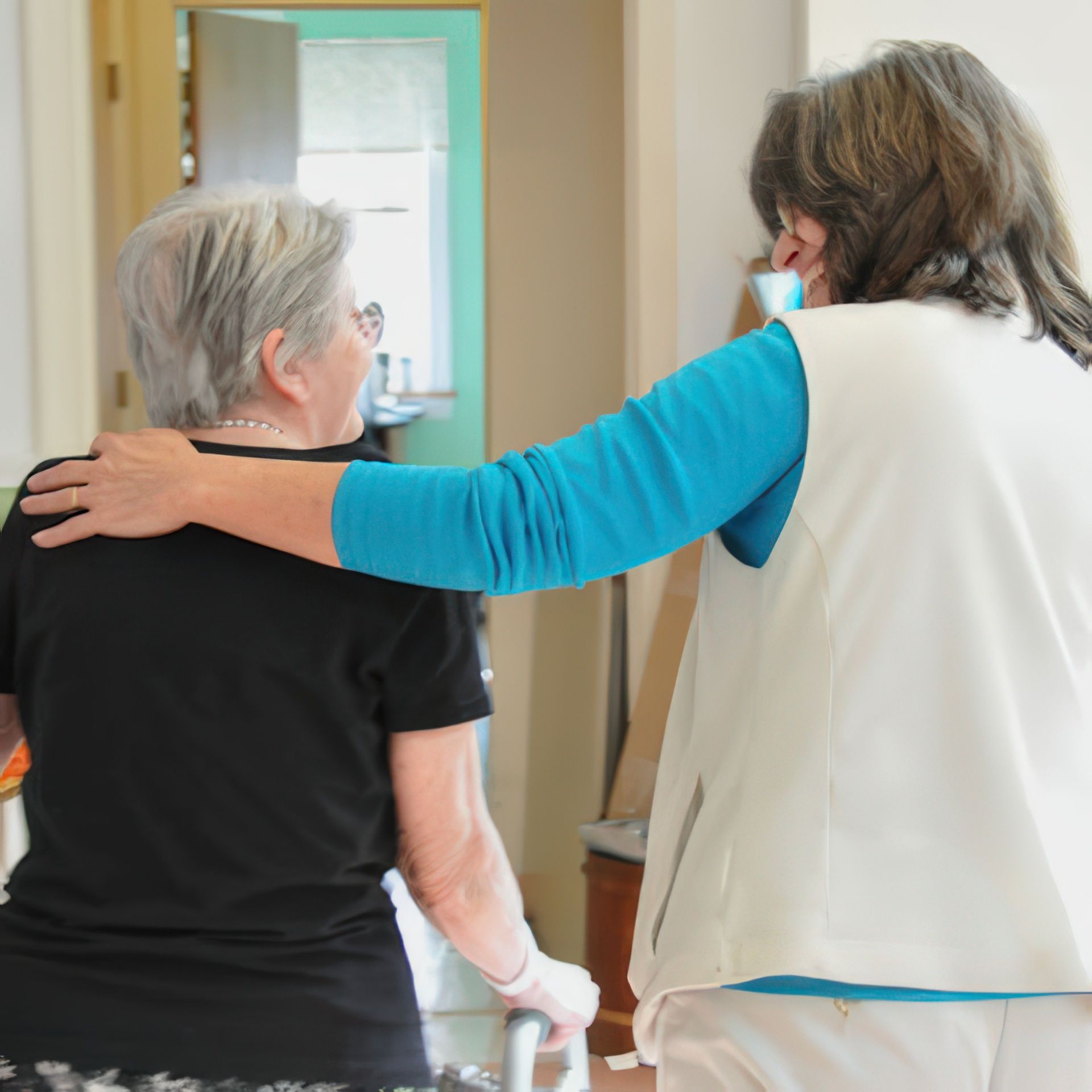
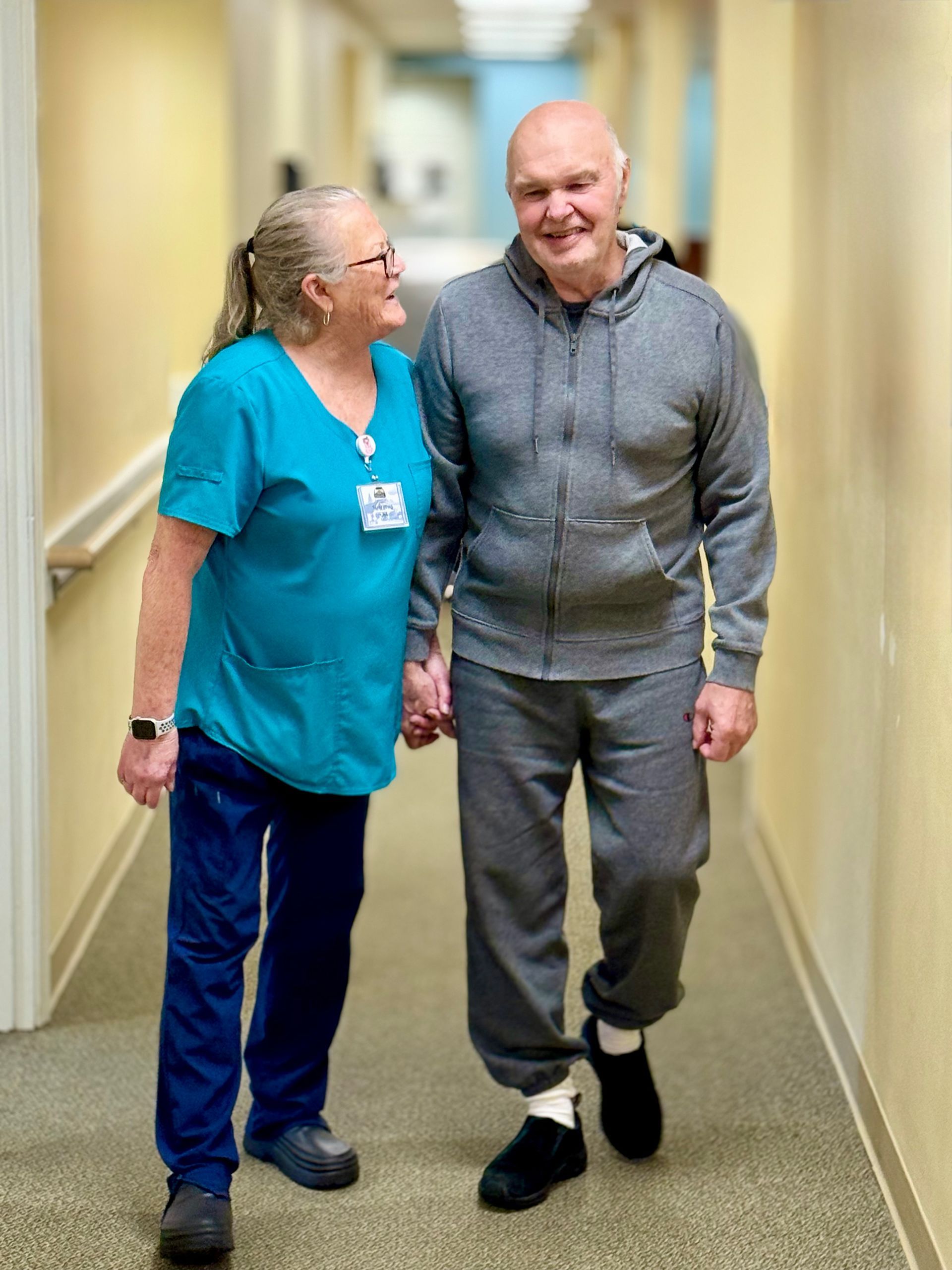
Physical design is only one component of sensory support; the human element is equally critical. Professional care teams undergo specific training to communicate effectively with older adults experiencing vision or hearing decline. These adaptive communication strategies are seamlessly integrated into daily interactions, ensuring residents always feel respected and understood.
When interacting with an individual who has hearing loss, staff members are trained to eliminate background noise before speaking, such as turning off a television or closing a door. They position themselves directly in front of the person, ensuring their face is well-lit so the individual can read lips and interpret facial expressions. Staff speak clearly and at a moderate pace, slightly lowering the pitch of their voice rather than simply shouting, which can distort the sound.
For individuals with vision loss, communication relies heavily on verbal cues. Staff members announce their presence when entering a room and identify themselves by name. They describe actions before taking them, such as explaining that they are placing a cup of coffee on the table to the resident's right. These consistent, descriptive habits eliminate startle responses and foster a deep sense of trust.
Fostering Social Connection Despite Sensory Changes
A significant challenge of sensory decline is the tendency for individuals to step back from social engagement. A supportive community actively combats this isolation by structuring social events to be inclusive and accessible. Activities coordinators design programs that appeal to multiple senses, ensuring that everyone can participate regardless of their visual or auditory acuity.
For example, music therapy and live performances rely heavily on hearing, but the vibrations and rhythmic clapping offer an engaging physical experience. Tactile activities, such as baking bread, flower arranging, or working with clay, provide immense satisfaction for those with limited vision.
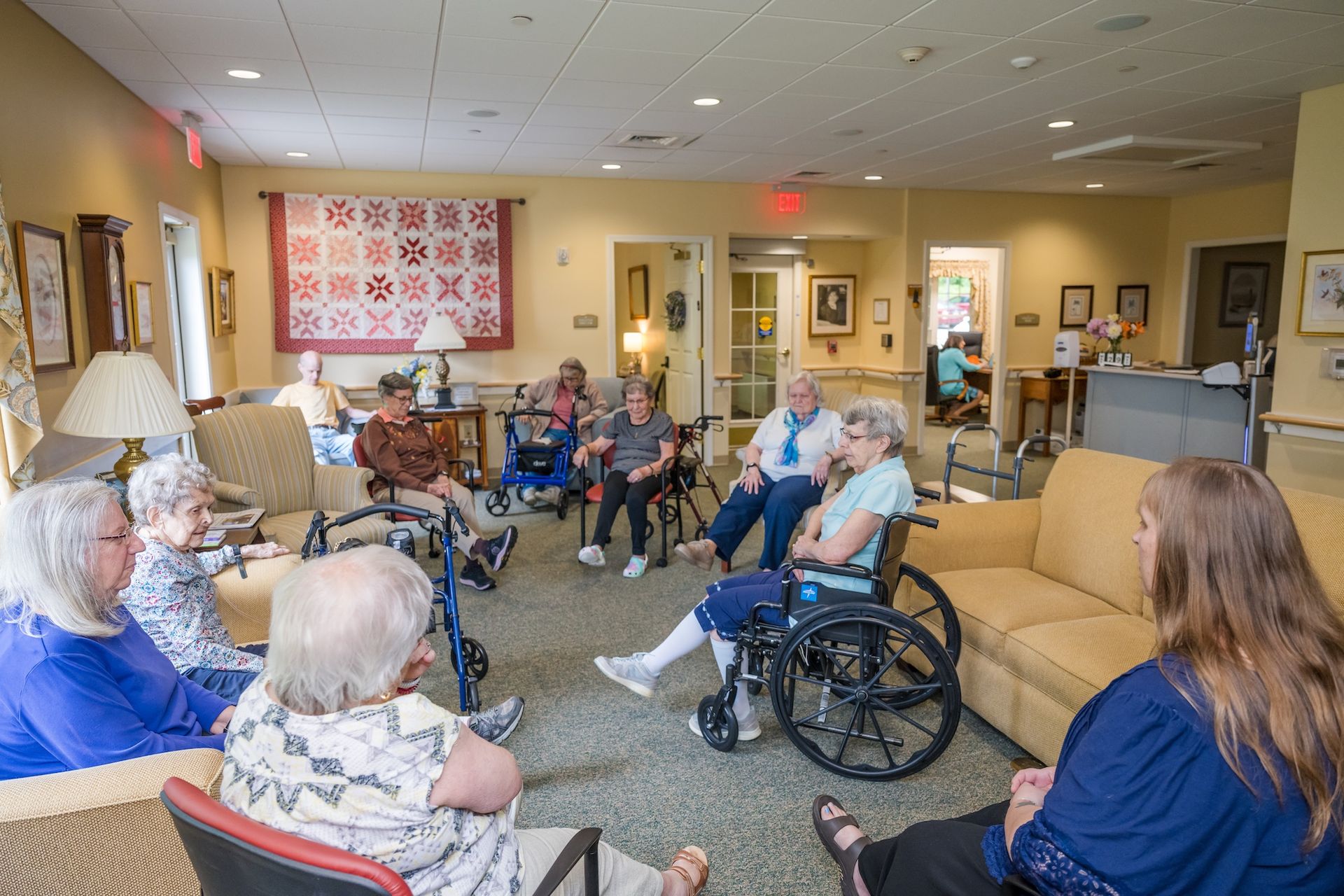
By reviewing the available assisted living activities, families can see how events are tailored to encourage participation. Small group sizes for discussions or reading clubs make it easier for individuals to hear and follow along. This thoughtful approach to programming ensures that sensory changes do not become a barrier to a vibrant, connected daily life.

Frequently Asked Questions
How do communities help individuals keep track of their hearing aids or glasses?
Managing personal sensory devices is a common part of daily support. Care teams assist individuals by establishing consistent routines for storing glasses and hearing aids. For example, staff may help place these items in a brightly colored, designated container on the nightstand every evening.
During daily hygiene routines, staff can also assist with cleaning glasses and checking hearing aid batteries. This regular maintenance ensures the devices are functioning optimally, which directly supports the individual's ability to engage with their surroundings.
Are there specific technologies used to support hearing loss in common areas?
Many modern communities incorporate assistive listening technologies into their larger common spaces. Hearing loop systems, or audio induction loops, are frequently installed in presentation rooms or theaters. These systems broadcast audio directly to a user's telecoil-equipped hearing aid, cutting out all background noise.
Additionally, staff can provide portable voice amplifiers for one-on-one conversations or assist residents in using closed captioning features on communal televisions. Reviewing FAQs about assisted living can provide more context on the general amenities available to support daily comfort.
What safety features are included in bathrooms for those with poor vision?
Bathrooms are designed with high-contrast elements to maximize safety. The toilet seat typically contrasts sharply with the floor, and grab bars are often installed in colors that stand out against the wall tile.
Lighting in the bathroom is kept exceptionally bright and shadow-free. Additionally, the transition into a walk-in shower is completely flush with the floor, eliminating the need to step over a curb, which is a significant tripping hazard for those with impaired depth perception.
How does the dining experience accommodate visual decline?
Culinary teams and dining room staff implement several strategies to support vision loss during meals. Tables are set with high contrast in mind; for example, white plates are placed on dark placemats so the edge of the dish is easily visible.
Staff members also use the "clock method" when serving food, describing the location of items on the plate by corresponding them to the numbers on a clock face. They will ensure beverages are placed in consistent, easy-to-reach locations to prevent accidental spills
Can an individual with significant sensory loss still live independently in a community?
Yes, supportive environments are specifically designed to extend independence for as long as possible. The combination of structural modifications, such as wide, clear walkways and contrasting colors, allows individuals to navigate their space safely.
When a person no longer has to worry about the unpredictable hazards of a private home, their confidence often increases. The availability of trained staff to assist only when necessary ensures that the individual maintains their autonomy and dignity while living in a secure setting.
Conclusion
Managing the natural progression of visual and auditory changes requires intentional environmental and behavioral adaptations. When a private home can no longer safely accommodate these shifts, transitioning to a supportive community provides a highly effective solution. Quality assisted living for seniors with vision loss and hearing decline focuses on robust lighting, acoustic management, and specialized communication strategies. By proactively addressing these physical challenges, communities remove the barriers that cause isolation, allowing older adults to maintain their dignity, safety, and social connections.
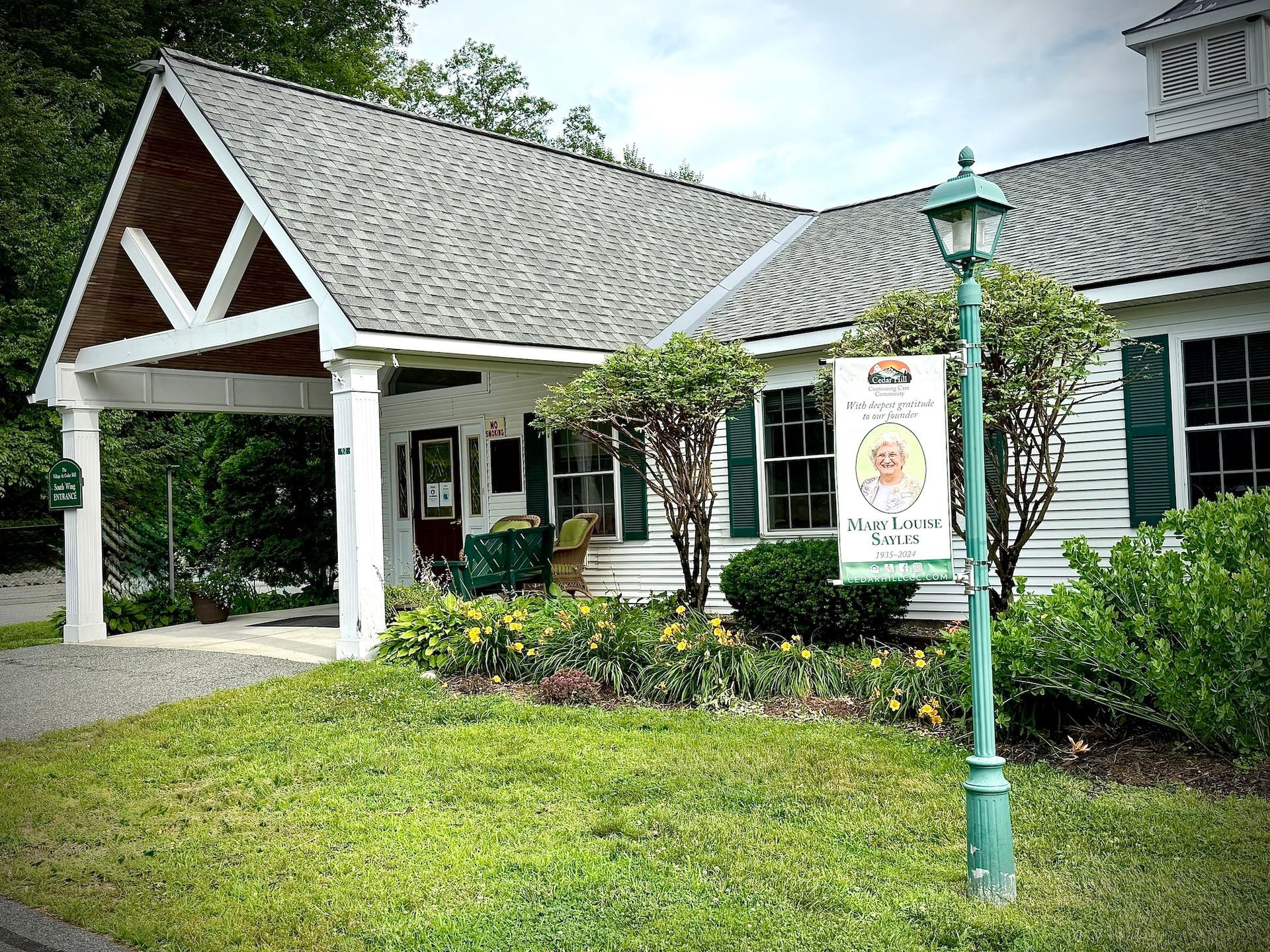
Cedar Hill Continuing Care Community provides a welcoming, respectful environment for older adults, offering comprehensive independent living, assisted living, memory care, and skilled nursing services. Located in Windsor, Vermont, the community focuses on personalized support, dignity, and creating a vibrant, safe neighborhood tailored to individual needs. Families looking for guidance on supportive living options can explore more resources at https://www.cedarhillccc.com/.