
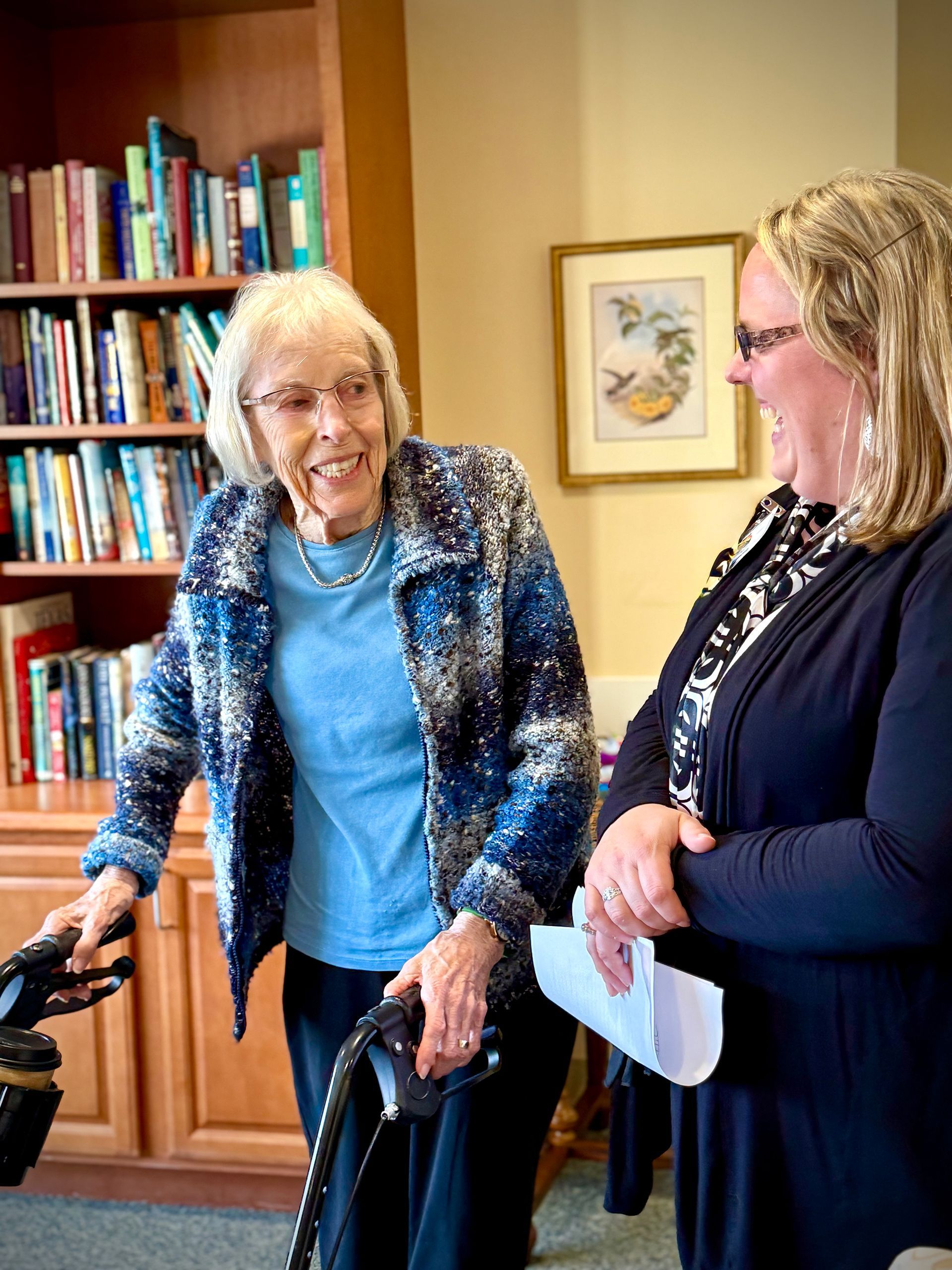
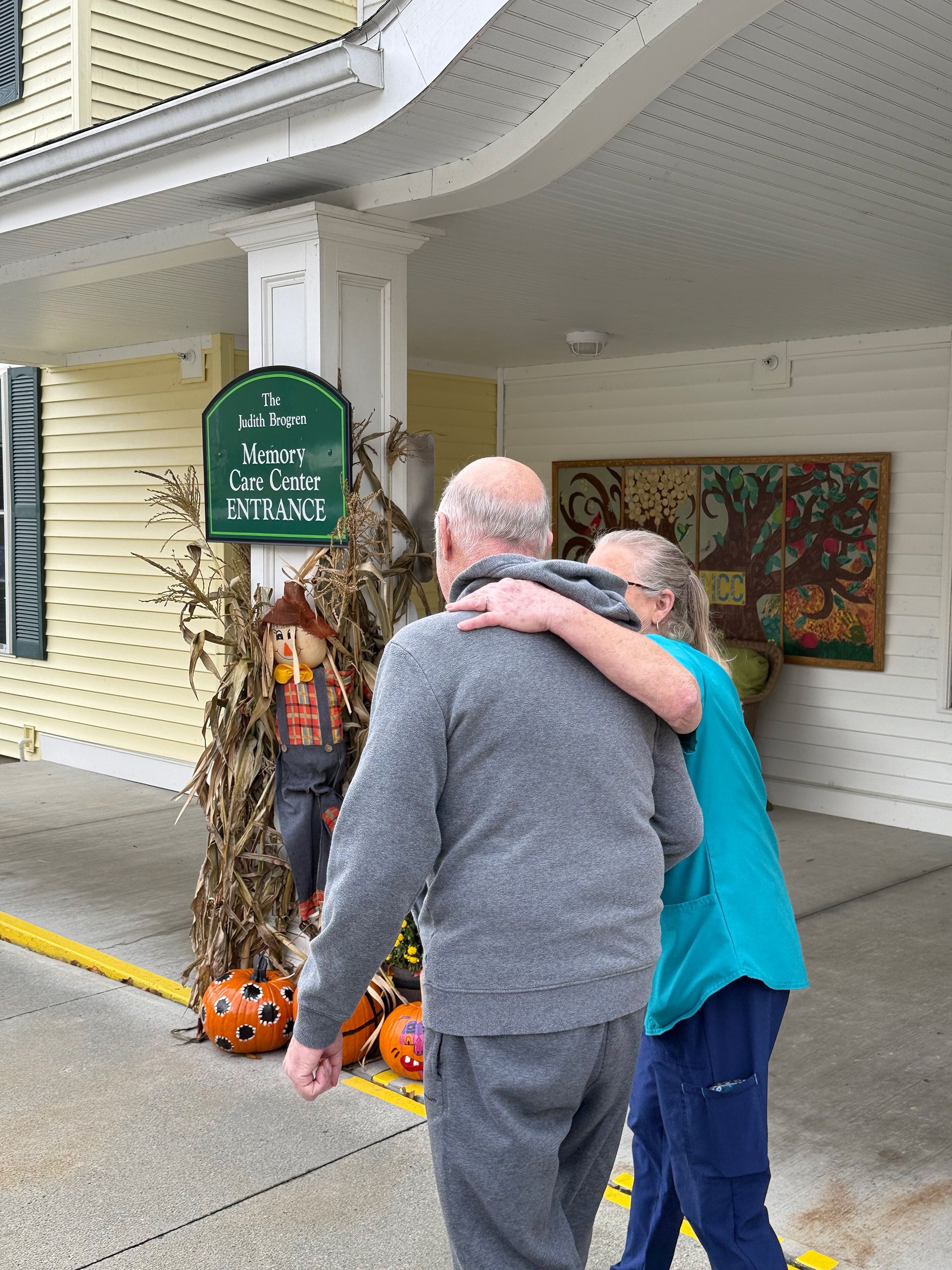
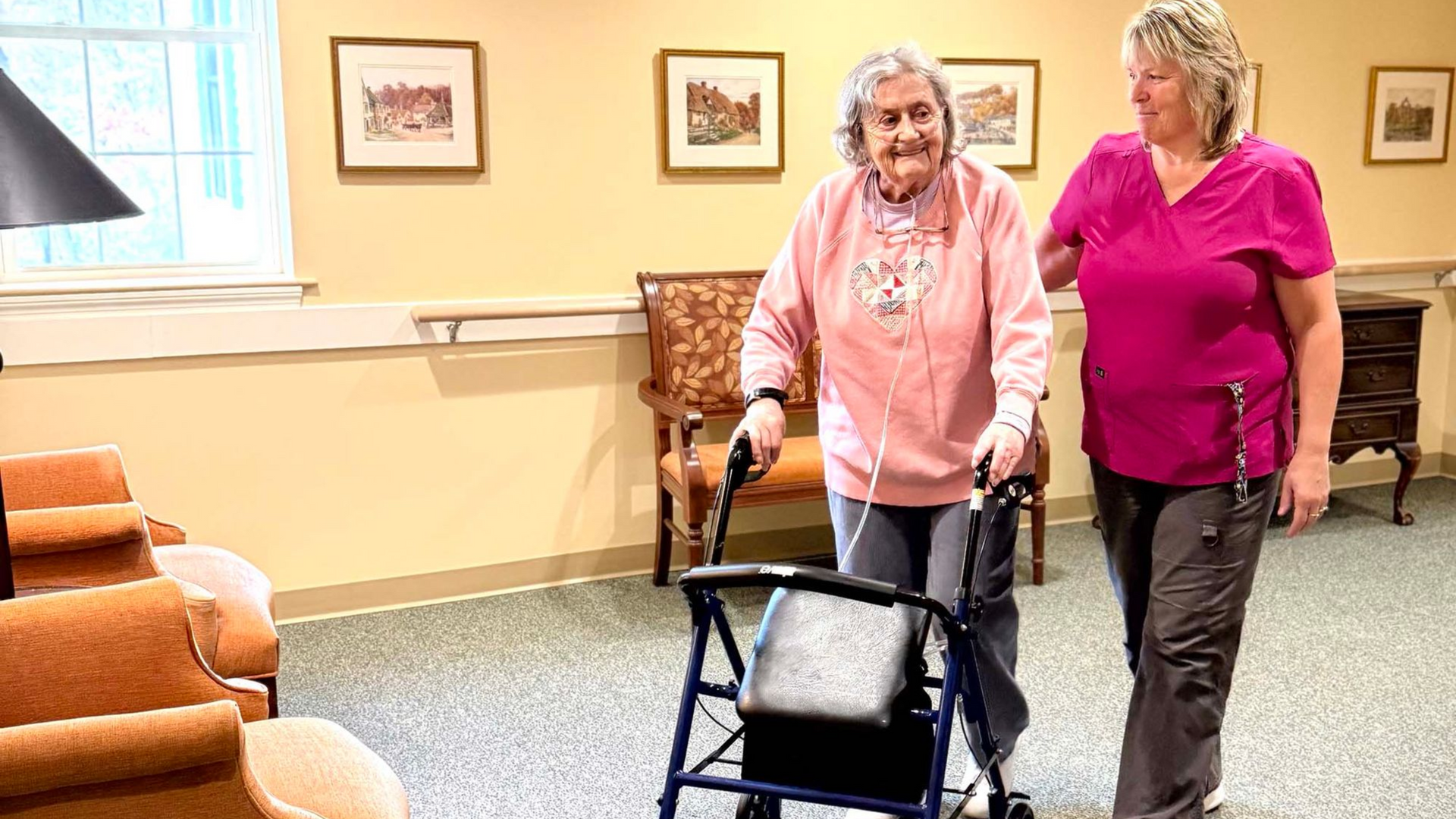
Visiting a family member who requires round-the-clock clinical support can be a deeply emotional experience. Stepping into a skilled nursing center often brings a sudden sense of uncertainty for adult children, spouses, and close friends. You want to provide comfort, reassurance, and connection, but it is incredibly common to sit by the bed and suddenly wonder what to do when visiting someone in skilled nursing. When conversational lulls occur or physical limitations prevent traditional activities, visitors sometimes feel awkward or leave the room feeling unfulfilled.
Understanding how to navigate these moments transforms a standard obligation into a highly meaningful shared experience. The goal is to move beyond small talk and find practical, comforting ways to connect that respect the individual's current capabilities. This guide offers actionable advice on spending quality time with a loved one receiving advanced care, focusing on sensory engagement, shared routines, and the profound power of simple presence.
Shifting Expectations: From Clinical Setting to Shared Living Space
Many visitors feel initially intimidated by the presence of medical equipment, mobility aids, or the highly structured routines of a health care environment. It helps to consciously reframe your perspective upon arrival. While licensed professionals manage the https://www.cedarhillccc.com/medical-care-skilled-nursing, your primary role is entirely different. You are there to provide emotional grounding and continuity. You do not need to act as a caregiver, a therapist, or a nurse during this time; you can simply be a daughter, a son, or a partner.
When you walk into the room, take a moment to personalize the physical space. Adjust the lighting to make the room feel softer, or ask the nursing staff if you can open the blinds to let in natural sunshine. Creating a calm, welcoming atmosphere immediately reduces the clinical feel of the environment and sets a relaxed tone for the visit.
It is equally important to adjust your personal expectations regarding communication. An older adult's energy levels may fluctuate wildly depending on their physical health, rehabilitation schedule, or specific medications. A successful visit is not defined by an hour of continuous, animated conversation. It is defined by the quality of the connection you share, regardless of how long it lasts or how active it happens to be.

Engaging the Senses: What to Do When Visiting Someone in Skilled Nursing
When an older adult experiences limited mobility, fatigue, or cognitive changes, traditional verbal conversation can quickly become tiring. Engaging the physical senses offers an alternative pathway to connection that requires significantly less physical and mental exertion. Touch, sound, and smell often bypass the need for complex verbal processing, evoking deep memories and providing immediate comfort.
Bringing specific, familiar items into the room can dramatically improve the quality of your time together. If you are exploring https://www.cedarhillccc.com/support-gift-ideas-for-skilled-nursing, consider items that specifically stimulate the senses. A soft, familiar fleece blanket from their own home offers physical warmth and a tactile reminder of personal comfort.
Scent is another tool strongly tied to emotional memory. Applying a familiar, lightly scented hand lotion while gently massaging their hands provides physical relief from dry skin while introducing a calming aroma to the room. This physical contact is incredibly reassuring for individuals who may otherwise only experience touch during clinical assessments.
Music is universally effective. Create a digital playlist of their favorite songs from their youth, classical pieces they enjoy, or music that holds specific family significance. Listening to music together provides a shared activity that fills the silence beautifully without requiring either person to speak or actively entertain the other.
Bringing the Outside World Indoors
Individuals receiving advanced medical support or rehabilitation often experience a significantly reduced daily radius. They rely entirely on visitors to act as a bridge to the broader world. Sharing news, updates, and visual media from outside the community is a wonderful way to keep them engaged with family life and prevent feelings of isolation.
Visual aids are highly effective communication tools. Instead of simply describing a recent family event or a change in the weather, bring a digital tablet or a physical photo album. Looking at printed pictures of grandchildren, family pets, or even a recently blooming garden provides clear visual stimulation. These images naturally prompt questions, stories, and joyful reactions without demanding heavy cognitive lifting.
Reading aloud is another excellent method for sharing the outside world. Bring a short story, an interesting article from a magazine they have always enjoyed, or chapters from a favorite book. The steady rhythm of a familiar voice reading a structured text is often incredibly soothing, allowing the individual to close their eyes and simply listen.
You can also bring small, safe elements of nature into the room. A small bouquet of fresh, fragrant flowers or seasonal items like colorful autumn leaves or a sprig of pine can spark conversations about past seasons, holidays, and preferred outdoor hobbies.

The Profound Value of Quiet Presence
Society often conditions people to believe that silence is inherently awkward and must constantly be filled with chatter. In a care setting, this assumption can cause unnecessary stress for both the visitor and the resident. The individual may feel pressured to perform or stay awake, while the visitor feels guilty if the conversation stalls. Sometimes, the most supportive and loving action is to simply share a quiet, peaceful space.
If your loved one is visibly fatigued or experiencing pain, give yourself complete permission to stop talking. You can sit comfortably in a chair beside them and read your own book, knit, or complete a crossword puzzle. Your physical presence in the room provides a deep sense of security and companionship, even if no words are exchanged.
Watching a television program, a nature documentary, or a classic movie together is also a highly valid way to spend a visit. It offers a shared focal point that requires absolutely no active participation.
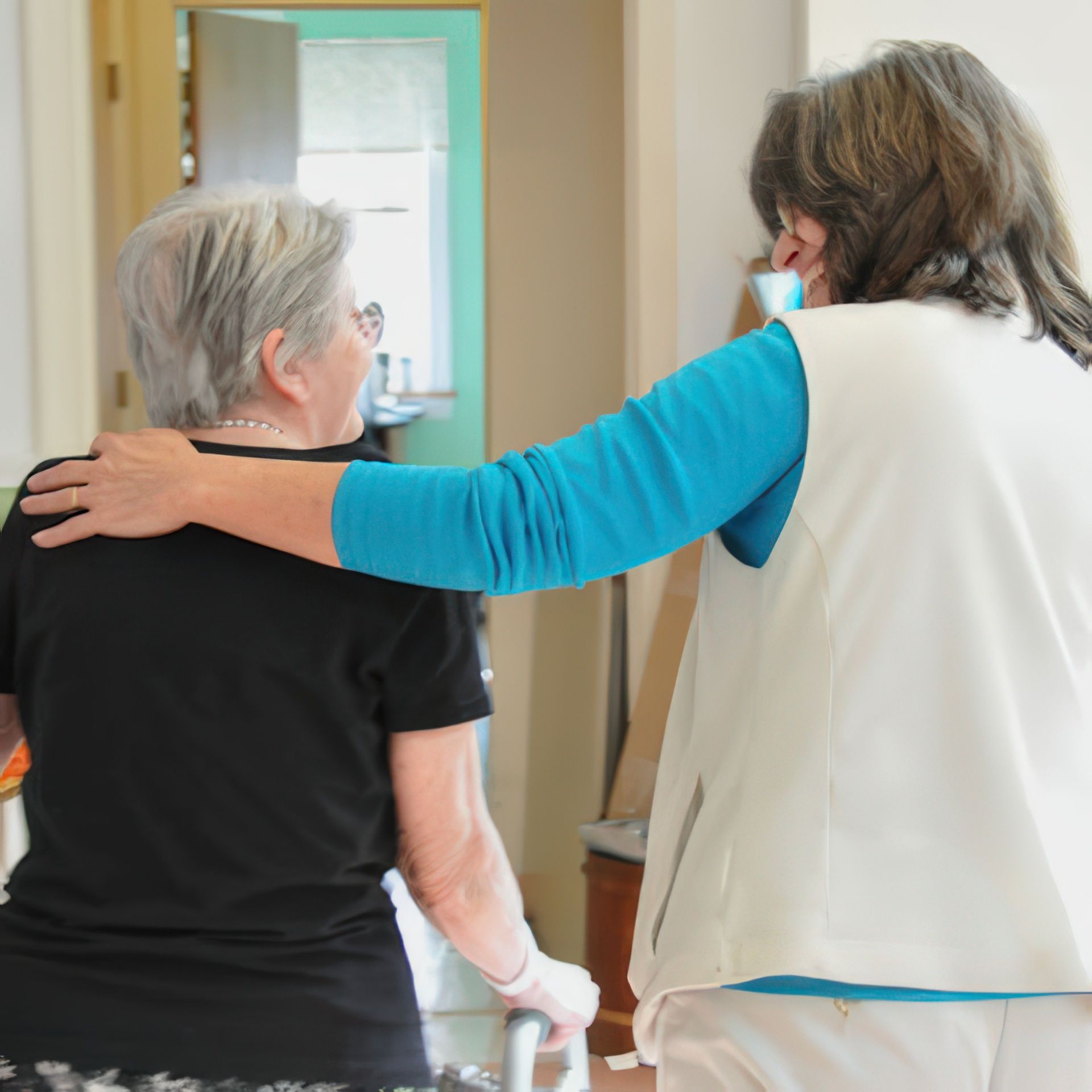
Holding hands, resting your hand on their arm, or sitting close enough to provide physical reassurance communicates love and safety far more effectively than forced conversation. Learning to be entirely comfortable with quiet companionship is a highly valuable skill for family members navigating long-term care scenarios.

Participating in the Daily Routine and Community Life
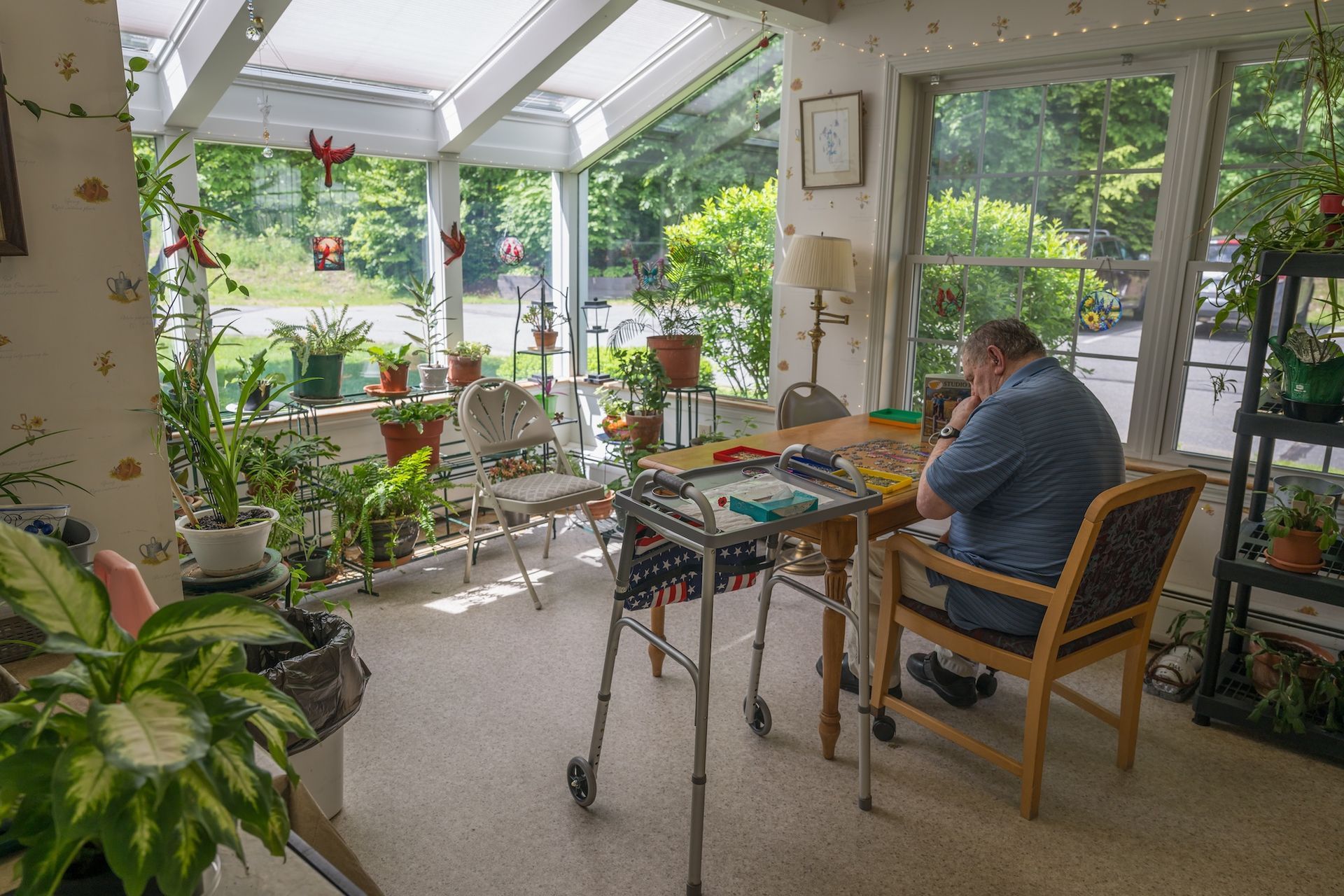
Visits do not always have to be confined to a private room. Getting out into the broader neighborhood, when medically and physically possible, completely changes the dynamic of the visit and provides a necessary change of scenery. Ask the care team if the individual is able to safely transition to a wheelchair to visit a common area, a sunroom, or a secure outdoor garden space.
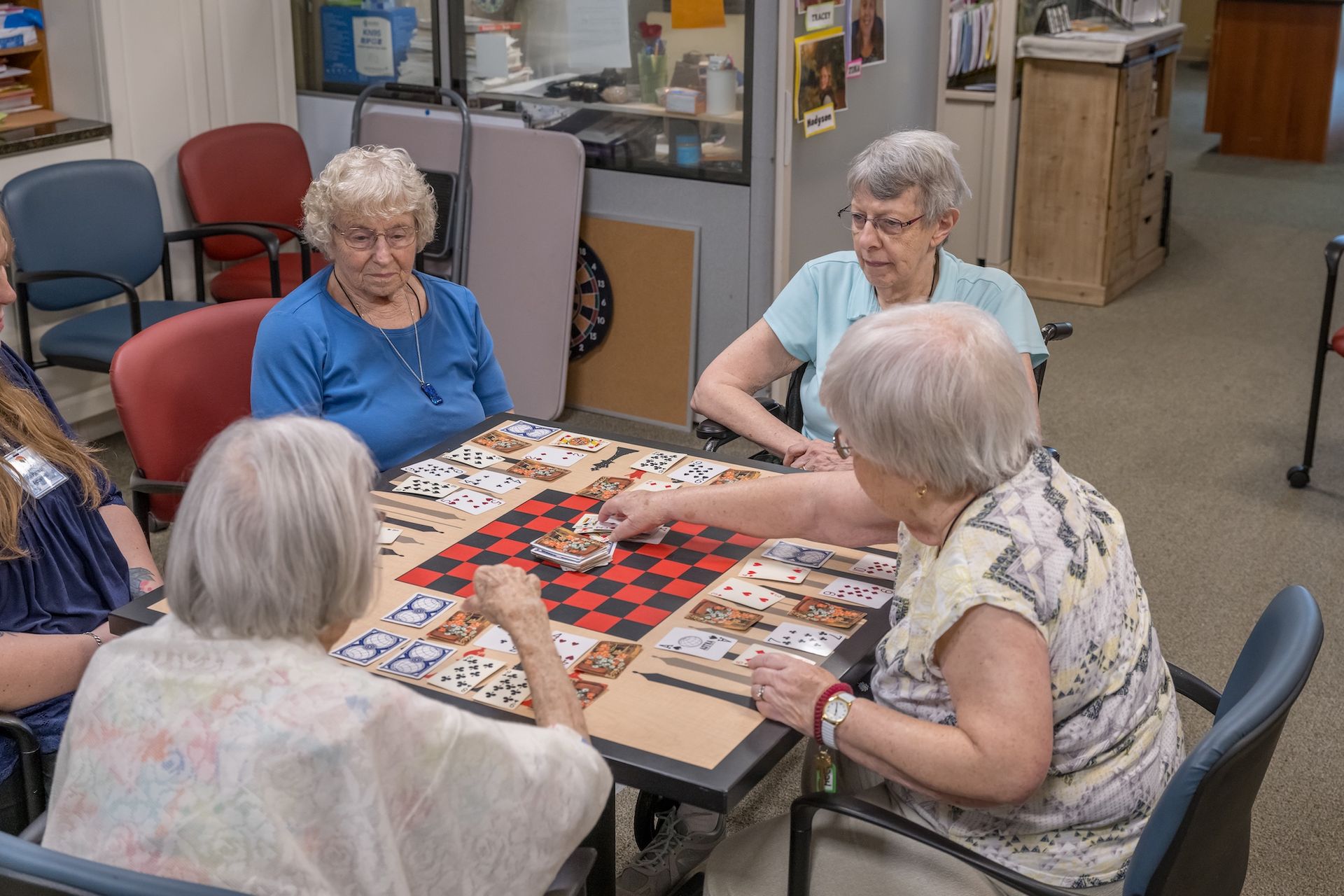
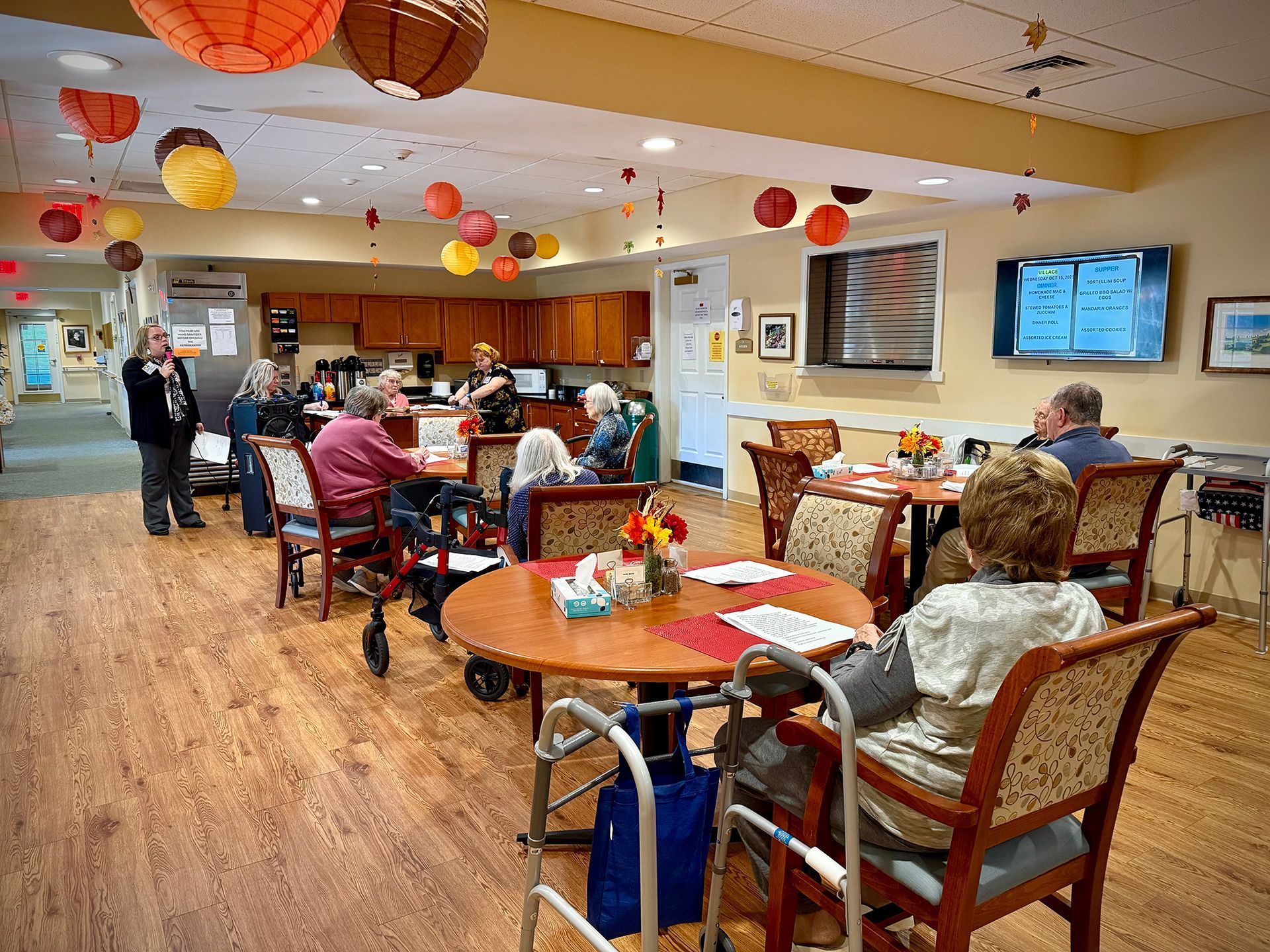
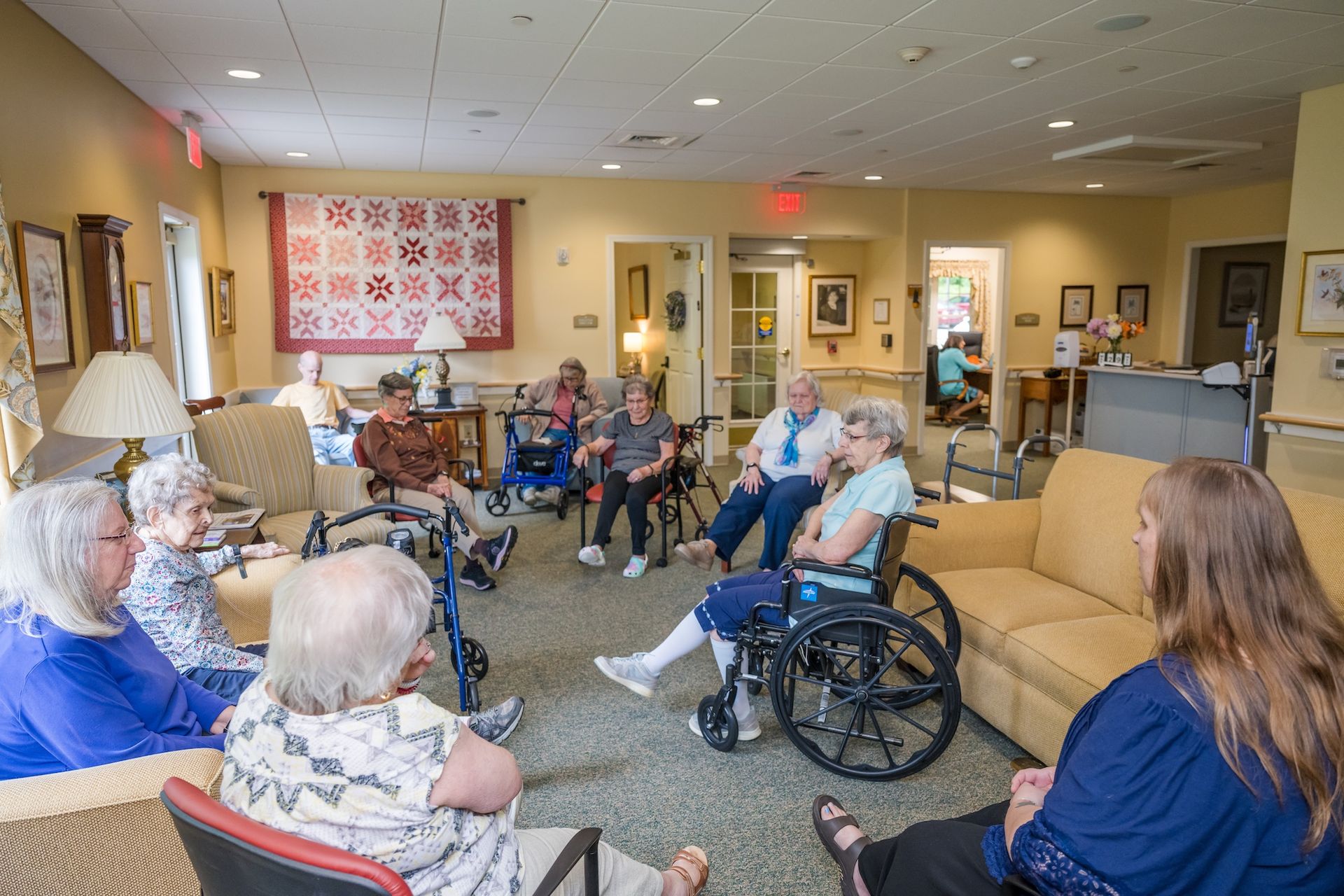
Review the community's schedule of daily events. Participating in structured https://www.cedarhillccc.com/activities together can relieve the pressure of having to entertain your loved one by yourself. Joining them for a visiting musical performance, a light craft session, or a seasonal holiday celebration allows you to experience their daily routine alongside them, creating new memories rather than just discussing old ones.
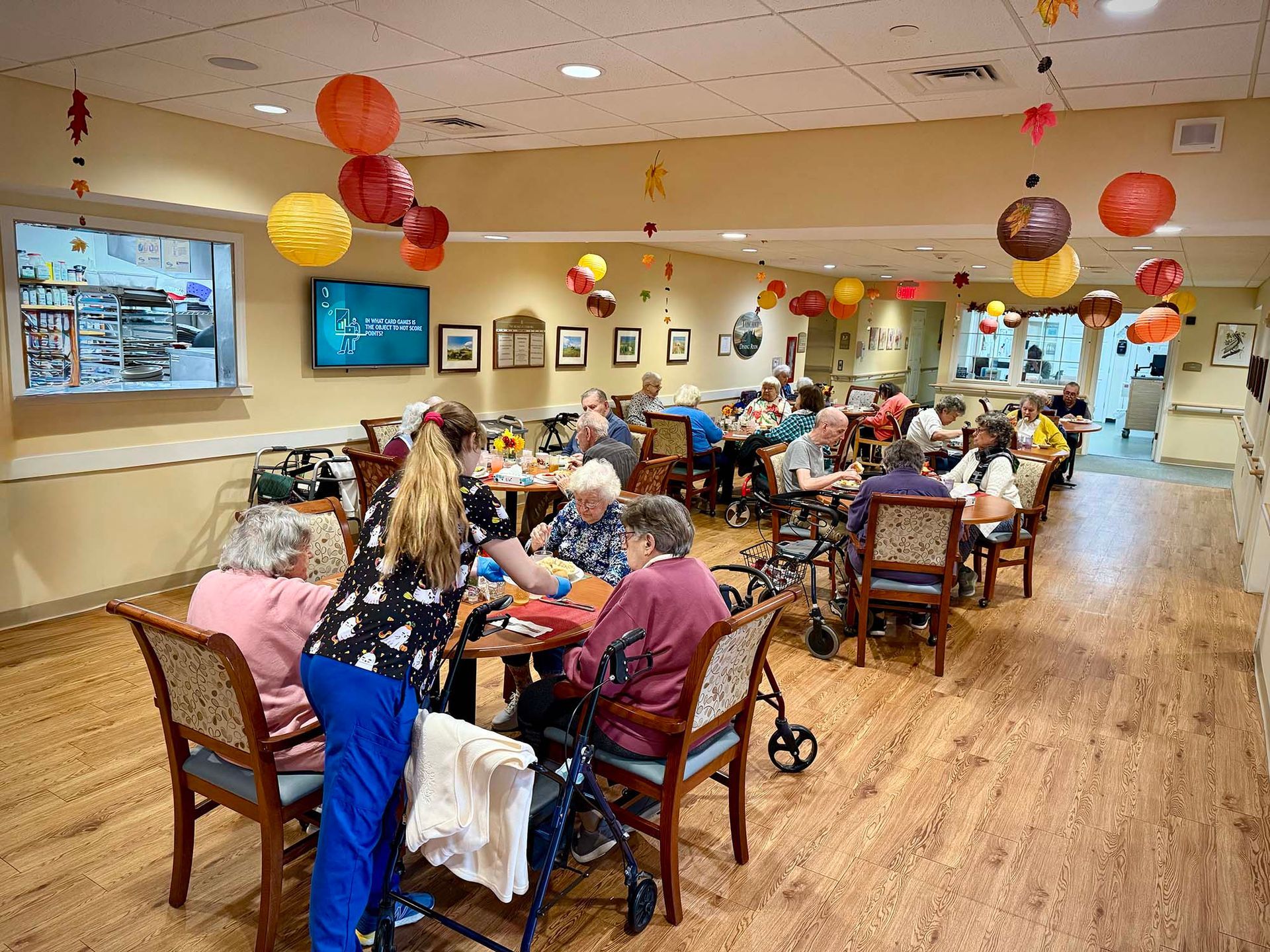
You can also align your visits with their established daily schedule. Arriving during a mealtime allows you to provide company while they eat, which often encourages better nutrition and hydration. Sharing a cup of coffee or tea in the main dining room normalizes the visit, making it feel much more like a traditional social call than a medical appointment.
Frequently Asked Questions
How long should a typical visit last?
The ideal length of a visit depends entirely on the individual's energy levels and current health status. Often, frequent, shorter visits of twenty to thirty minutes are much more beneficial than a single, exhausting two-hour session. Pay close attention to physical cues such as closed eyes, brief one-word responses, or general restlessness. These signs generally indicate that their energy is waning and it is time to wrap up the visit so they can rest properly.
Is it appropriate to bring children or pets to visit?
Yes, visits from younger family members or well-behaved pets are usually highly encouraged, as they bring immense joy and spontaneity to the environment. However, it is essential to prepare children beforehand by explaining the setting clearly and keeping the visit brief to avoid overwhelming anyone involved. Always check with the administrative or nursing staff regarding specific community policies and necessary vaccination records before bringing any animal inside the building.
What should I do if the person I am visiting falls asleep?
Fatigue is a very common reality for individuals receiving advanced medical support or participating in daily rehabilitation. If they fall asleep while you are there, do not feel obligated to wake them or to leave the room immediately. You can choose to sit quietly and read, providing the comfort of your presence when they eventually wake up, or you can leave a small, affectionate note indicating that you were there and will return another time.
How can I communicate effectively if my loved one has hearing loss?
When speaking with someone experiencing hearing loss, ensure you are sitting in a well-lit area so they can see your face clearly for visual cues and lip movements. Speak slowly and distinctly rather than simply raising the volume of your voice, which can distort the sound and cause frustration. Eliminate background noise by turning down the television or closing the door, and consider using a small whiteboard and dry-erase marker if verbal communication becomes too difficult.
Are there specific foods or snacks that are safe to bring?
Food is a wonderful comfort item, but it is absolutely critical to consult the nursing staff before bringing anything edible into the room. Many individuals in skilled nursing have strict, medically prescribed dietary requirements, such as pureed diets for swallowing difficulties or strictly regulated sugar intake for diabetes management. Once the care team approves specific items, bringing a favorite home-cooked dish or a preferred brand of tea can make the visit feel incredibly special.
Conclusion
Navigating the transition into a highly supportive clinical environment requires patience, empathy, and adaptability from the entire family. Learning exactly what to do when visiting someone in skilled nursing removes the anxiety of the unknown and replaces it with practical, loving action. By focusing on gentle sensory engagement, sharing elements of the outside world, and embracing the profound value of quiet presence, adult children and partners can ensure their time together remains dignified, comforting, and deeply meaningful for everyone involved.
Cedar Hill Continuing Care Community is an experienced informational resource and provider of comprehensive senior living options. Offering independent living, assisted living, memory care, and skilled nursing, the community is dedicated to providing personalized, dignified support in Windsor, Vermont. Families looking for further guidance on navigating care transitions can explore more resources at https://www.cedarhillccc.com/.