
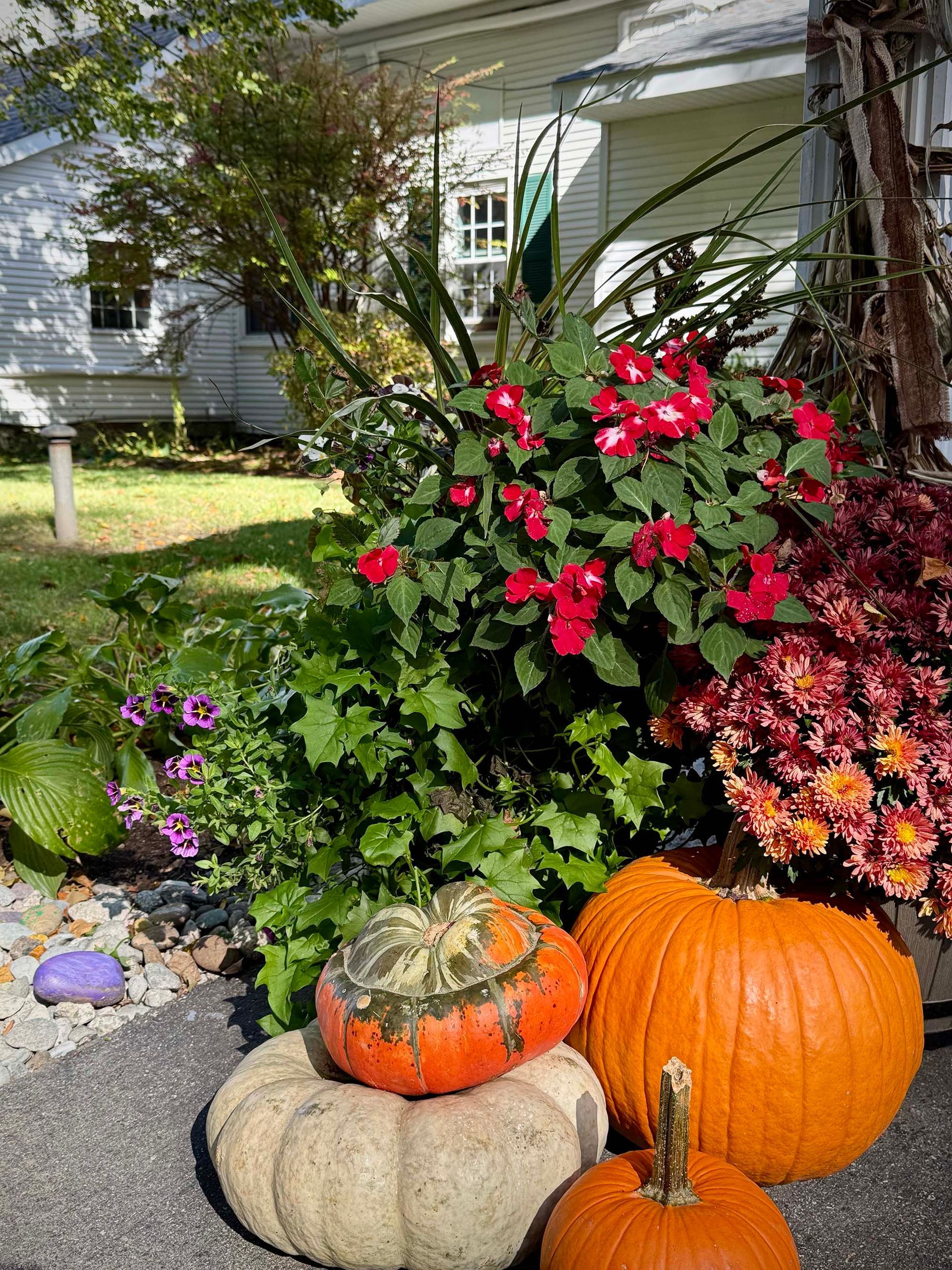
The Science of Gardening Therapy for Dementia: Nurturing Well-Being in Memory Care

Aging often presents physical and cognitive challenges, particularly for individuals experiencing progressive memory loss. When managing a diagnosis of Alzheimer’s disease or another form of dementia, families and caregivers search for supportive interventions that maintain their loved one’s dignity, safety, and quality of life. Among the most effective and scientifically validated approaches is horticultural therapy. Exploring the clinical value of gardening therapy for dementia provides a practical path for planning care, offering families peace of mind and concrete strategies to support cognitive health.


This guide explains how sensory engagement, safe physical activity, and structured outdoor spaces provide therapeutic benefits for those experiencing cognitive decline. By focusing on the biological and emotional science of nature contact, caregivers can better understand how to incorporate these practices into daily routines to reduce stress and foster deep emotional connections.

Defining Horticultural Therapy for Dementia Care

Horticultural therapy is a structured, goal-oriented practice utilizing plants and gardening to improve physical, mental, and social well-being. When adapted for individuals experiencing cognitive decline, tasks are tailored to match physical capabilities. Rather than focusing on heavy labor, the focus shifts to gentle sensory interaction, structured routines, and emotional comfort.

What is Gardening Therapy for Dementia?

Gardening therapy for dementia, also known as horticultural therapy, is a structured, therapist-guided practice that uses plants and gardening activities to promote physical, social, and psychological well-being. By engaging the senses, this therapeutic approach supports cognitive preservation, reduces anxiety, and enhances overall quality of life for individuals experiencing memory loss.


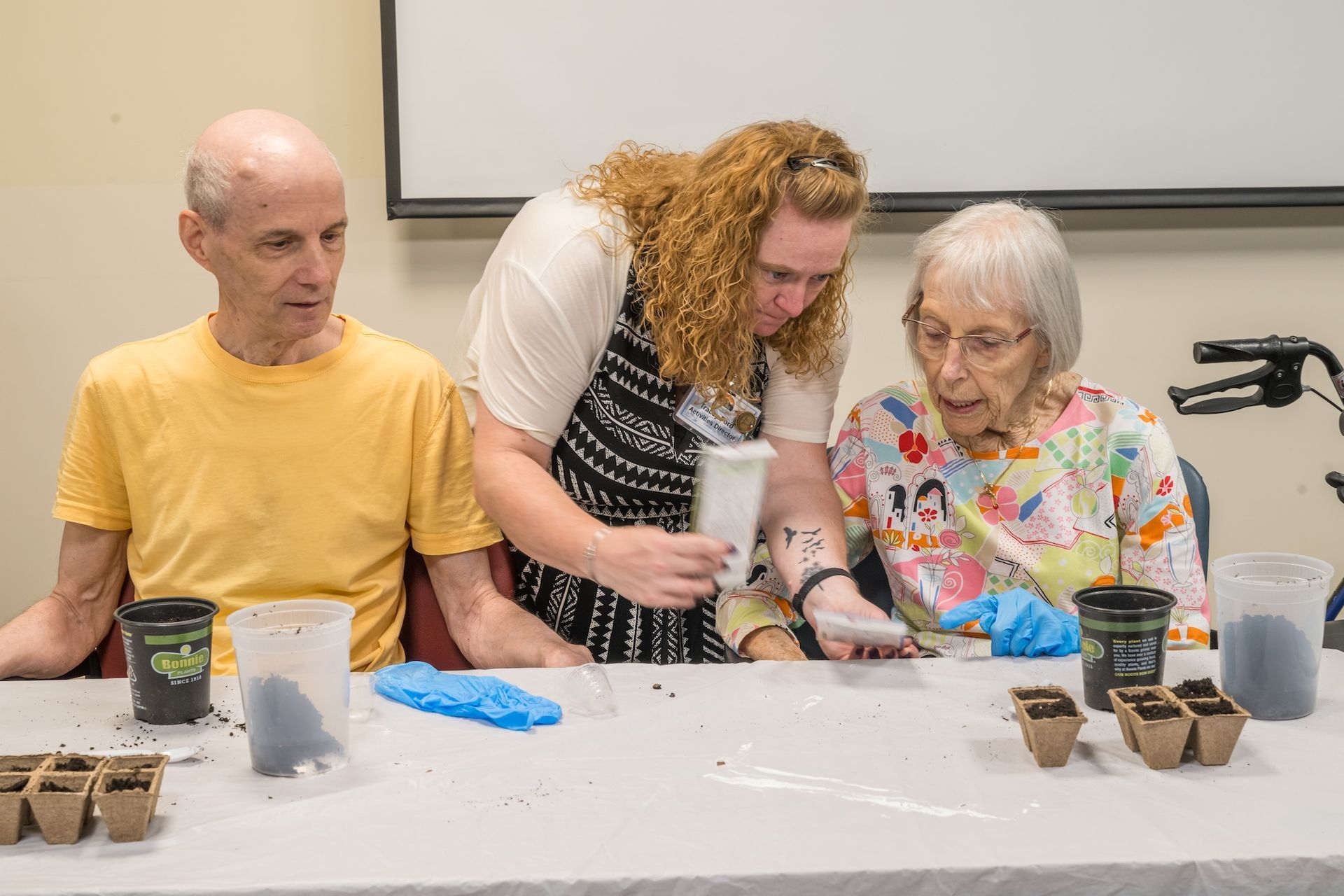
In a dedicated care neighborhood, this approach is integrated into daily schedules, providing residents with supervised, safe ways to interact with nature. By structuring tasks like planting and watering, professional care teams create opportunities for success.

The Neurological Impact of Sensory Stimulation and Memory Retrieval

The human brain stores emotional and sensory memories even when short-term memory fails. Olfactory stimulation is uniquely powerful because the olfactory pathway connects directly to the limbic system—the brain's emotional center. This explains why specific scents can instantly trigger vivid memories.


In a therapeutic garden, highly fragrant plants are strategically selected to stimulate recall. The smell of lavender, rosemary, or mint can transport an individual back to a childhood home. These olfactory triggers help bypass damaged cognitive pathways, allowing residents to access comforting, long-term memories without frustration.


Tactile stimulation is equally important for cognitive engagement. Touching different textures, such as fuzzy leaves or smooth petals, stimulates sensory receptors. This physical interaction keeps the mind oriented to the present moment, offering a soothing distraction from confusion and agitation.

Physiological Benefits: Reducing Stress and Regulating Sleep

Exposing the body to natural light and fresh air triggers beneficial physiological changes. For individuals living with dementia, these changes are critical for managing stress and regulating sleep-wake cycles. Sunlight exposure drives the body's circadian rhythms, controlling melatonin and cortisol production. Many individuals experiencing cognitive decline suffer from sleep disturbances or sundowning—a state of increased confusion in the late afternoon. Spending time in a sunlit garden during the morning helps regulate melatonin production, improving sleep patterns and reducing evening agitation.


Additionally, physical contact with soil has been shown to reduce stress levels. Soil contains a harmless bacterium, Mycobacterium vaccae, linked to increased serotonin when absorbed or inhaled. This natural interaction, combined with the sound of rustling leaves, helps lower heart rates and decrease anxiety.

Physical Strength, Coordination, and Fall Prevention

Maintaining physical strength and joint flexibility is vital for safe aging. A sedentary lifestyle accelerates muscle weakness and decreases balance, raising fall risks. Engaging in light, supervised gardening tasks provides a natural form of physical rehabilitation.


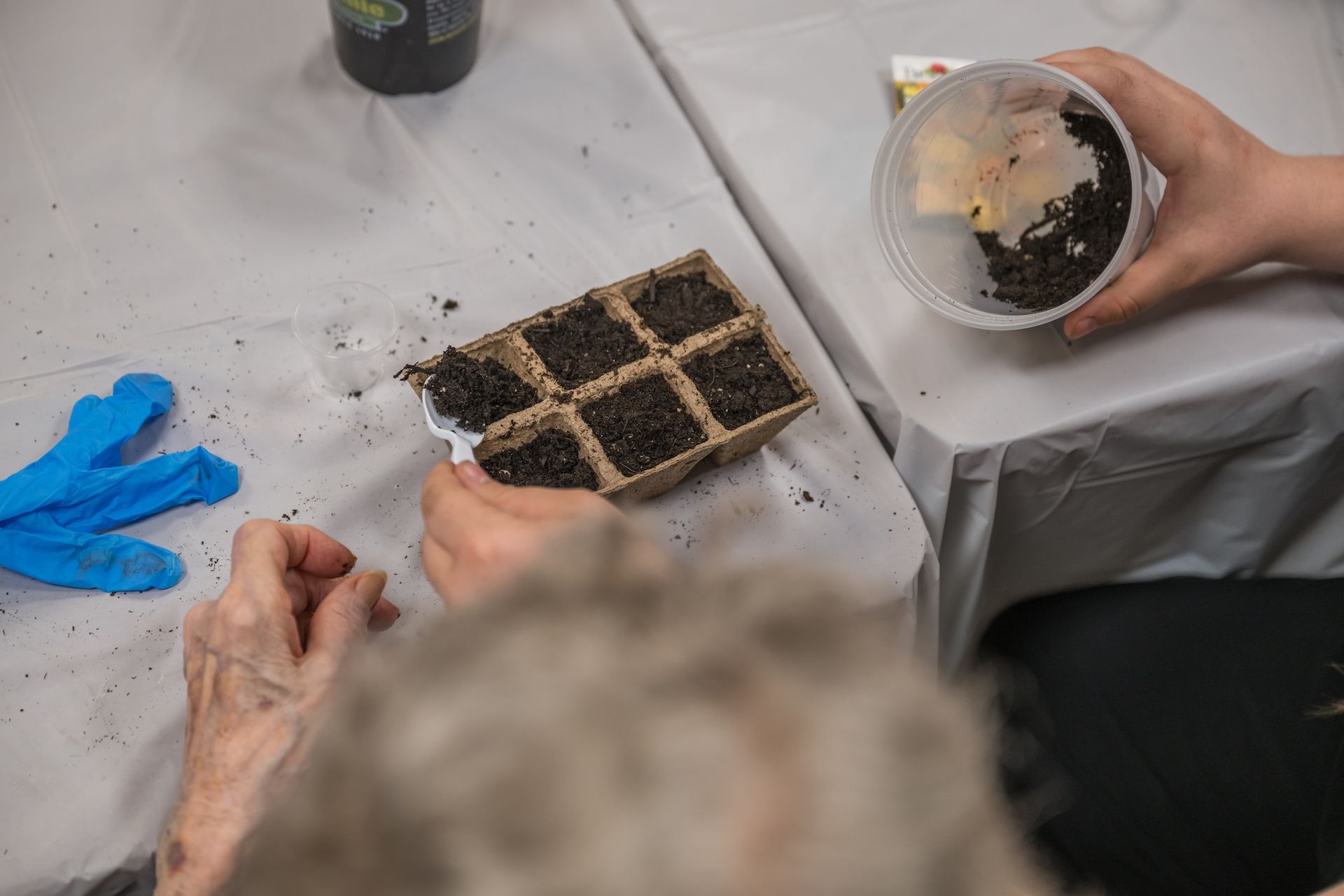
Fine motor skills are exercised through precise movements like sowing seeds, picking leaves, or misting herbs. These tasks require hand-eye coordination and finger dexterity, helping residents maintain daily independent abilities like dressing.


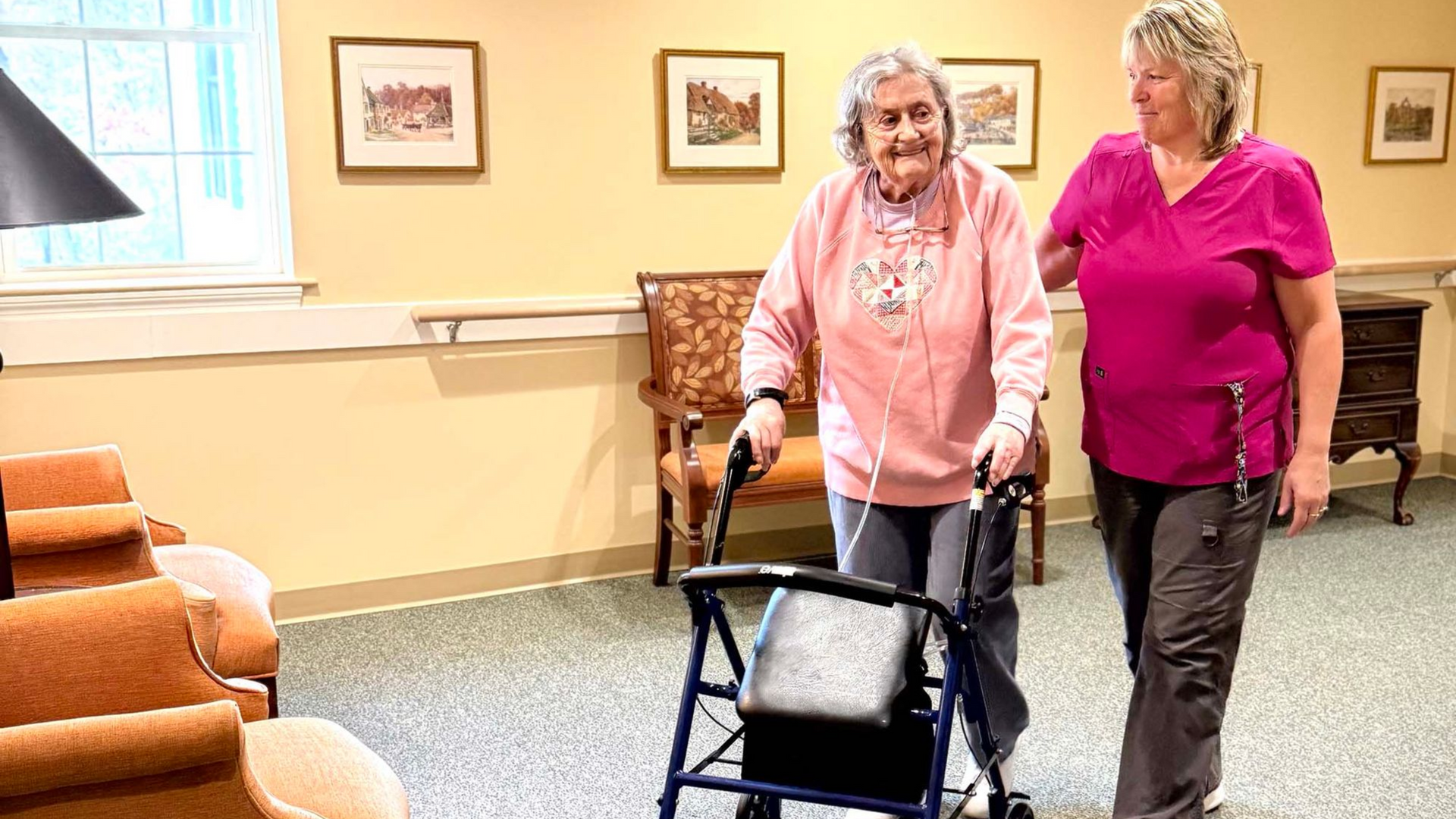
Gross motor skills are supported through larger movements like walking along garden paths or carrying small watering cans. This physical exertion increases circulation, strengthens core muscles, and improves balance. When physical activity is framed as an enjoyable hobby rather than a clinical exercise, residents participate more consistently.

Designing for Safety: Structural Guidelines in Specialized Memory Care

To be therapeutic, a garden must be designed with strict safety standards that prevent accidents and reduce disorientation. Standard backyards often contain hazards like uneven terrain or toxic plants that are unsafe for individuals with cognitive decline. Specialized neighborhoods, such as the Judith Brogren Memory Care Center, utilize secure outdoor courtyards designed for safety. These spaces feature flat, non-slip pathways that accommodate walkers and wheelchairs. The layout is typically circular, ensuring that residents can walk continuously without hitting confusing dead ends.


Safety extends to plant selection as well. Every plant must be non-toxic and free of thorns. Raised garden beds are another critical feature. Elevating planting areas to waist height allows residents to participate without the physical strain of bending down, significantly reducing the risk of falls.

Shifting the Care Dynamic: Restoring Autonomy and Purpose

Receiving daily care can sometimes cause individuals to feel a loss of control. Moving to a supportive community should not mean giving up personal agency. Engaging in enriching activities for memory care helps restore a sense of purpose and self-directed accomplishment.


Gardening shifts residents from being care recipients to caregivers. Taking responsibility for watering a seedling or weeding an herb box allows them to nurture another living thing. This active contribution is highly empowering, reinforcing self-worth.


By reviewing frequently asked questions about memory care, families gain a clearer understanding of how communities prioritize dignity-focused programs. The sense of achievement from harvesting basil or seeing flowers bloom provides deep emotional satisfaction.

Frequently Asked Questions

  • How do care teams involve individuals with advanced dementia in gardening?

    For individuals in the advanced stages of cognitive decline, the focus of horticultural activities shifts entirely to sensory comfort and passive enjoyment. Caregivers facilitate this by bringing the garden indoors if necessary, using small potting trays or placing highly textured plants nearby for the resident to touch. Staff can guide a resident's hand to feel the damp soil, smell a crushed mint leaf, or listen to water trickling in a fountain, allowing them to experience connection without the pressure of completing tasks.

  • Are there specific plants that are most beneficial for memory support?

    Plants stimulating multiple senses simultaneously offer the highest therapeutic value. Herbs like lavender, rosemary, mint, and basil are excellent because they are fragrant, safe to touch, and non-toxic. Brightly colored flowers like marigolds and petunias provide visual stimulation, while highly textured plants, such as lamb's ear or ornamental grasses, offer tactile interest to soothe agitation and focus attention.

  • How does outdoor gardening help manage behaviors like sundowning?

    Sundowning is characterized by increased anxiety and confusion in the late afternoon. Safe exposure to morning sunlight helps regulate natural circadian rhythms and melatonin levels, which directly improves nighttime sleep. Additionally, the physical exertion of walking or tending to plants releases built-up energy constructively. The calming sensory environment—soft sounds, gentle breezes, and natural colors—reduces sensory overload, lowering stress levels before evening.

  • What precautions are taken to protect residents from weather-related risks?

    Care teams monitor environmental conditions to ensure outdoor time remains safe and comfortable. During warm summer days, sessions are scheduled for cooler morning hours, and staff ensure residents wear hats and sunscreen and remain hydrated. Courtyards feature shade structures like pergolas and awnings to protect from direct sun. During colder winter months, activities adapt for indoor spaces like sunrooms and windowsill herb gardens.

  • Can families participate in gardening activities with their loved ones?

    Family involvement is highly encouraged and serves as a wonderful way to connect during visits. Working together on a simple task like planting a flower pot or harvesting herbs provides a natural focal point that removes the pressure of forced conversation. These shared activities allow families to build new, positive memories together, helping them stay connected to their loved loved one's journey and achievements.

Conclusion

The biological and emotional benefits of nature contact are clear, proving that natural environments support holistic health. Engaging in gardening therapy for dementia offers a gentle path to support cognitive health, improve physical coordination, and reduce chronic anxiety. By replacing passive routines with structured sensory activities, supportive communities provide care that honors personal dignity. Safe, guided access to secure gardens allows older adults to remain connected to the physical world, bringing peace of mind to their families.


Cedar Hill Continuing Care Community is a family-owned organization dedicated to providing a full spectrum of senior care services in Windsor, Vermont. Offering independent living, assisted living, specialized memory care, and skilled nursing, the community focuses on dignity, personalized support, and creating a warm, vibrant neighborhood. To learn more about available living options, educational resources, and supportive services, please visit https://www.cedarhillccc.com/.

Four people play checkers at a table in a community room.
August 10, 2026
Learn how social isolation affects older adults and how meaningful community activities can support physical health, cognitive well-being, connection, and independence.
Two women smiling and talking in a cozy room, one using a walker, with bookshelves and framed art behind them.
August 10, 2026
Learn about senior care staff roles, including RAs, LNAs, medication technicians, activities staff, and nurses, and how each supports your loved one.
White cottage-style storefront with green trim, porch, sign, and landscaped lawn under a cloudy sky
July 23, 2026
Discover why Windsor, VT is an ideal place for senior living, offering historic charm, natural beauty, a welcoming community, and exceptional retirement living.
Row of white houses with an American flag beside a green lawn and tree line
July 22, 2026
Learn how assisted living communities support seniors with vision loss and hearing decline through safer environments, personalized care, and adaptive communication
Seniors in a bright studio doing seated arm stretches during a group exercise class
June 17, 2026
Discover thoughtful ways to make visits more meaningful for loved ones in skilled nursing. Learn activities, conversation ideas, and tips to strengthen connections and enhance their well-being.
Young girl talking and smiling with an elderly woman in a bright living room by a window
June 17, 2026
Confused by senior living terminology? This family-friendly guide explains common senior care terms, helping you navigate housing, care options, and services with greater confidence and clarity.
People dining in a bright restaurant decorated with red and yellow balloons.
May 13, 2026
Learn why specialized fall prevention in assisted living is essential for senior safety, reducing risks, and improving quality of care and independence.

Two women talking indoors near a bookshelf, one using a walker and smiling
May 13, 2026
Learn the key differences between Medicare and Medicaid for senior care, including coverage, eligibility, long-term care, and costs.
A person gently holds the wrinkled hand of another person sitting in a wheelchair.
April 16, 2026
Discover how intergenerational programs in Vermont help seniors stay connected, engaged, and fulfilled through meaningful relationships.
A child and an older adult laugh while facing each other, seated together in a sunlit room.
April 15, 2026
Struggling with caregiver guilt? Learn how to find peace when moving a parent to assisted living with compassionate guidance and support.
Show More