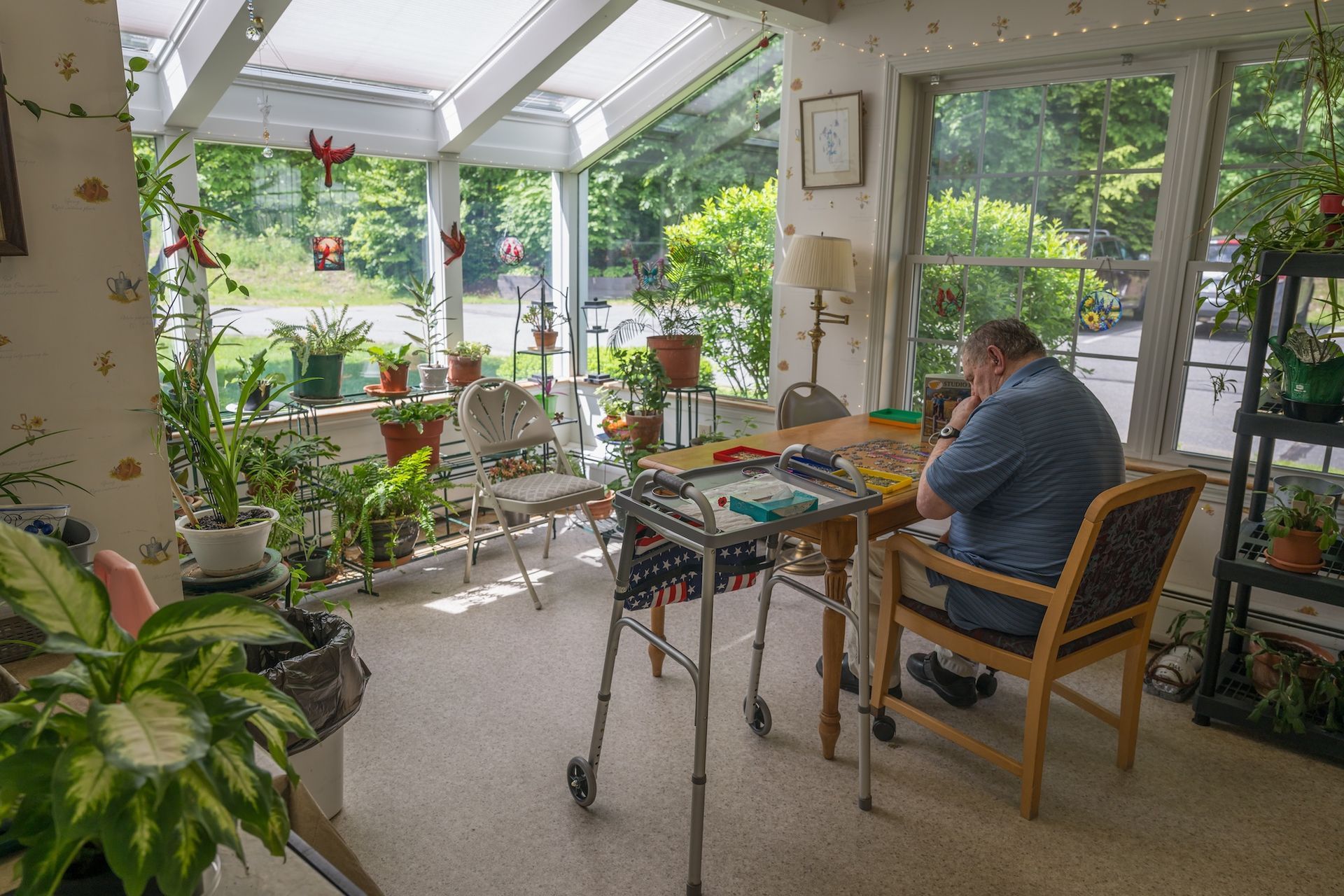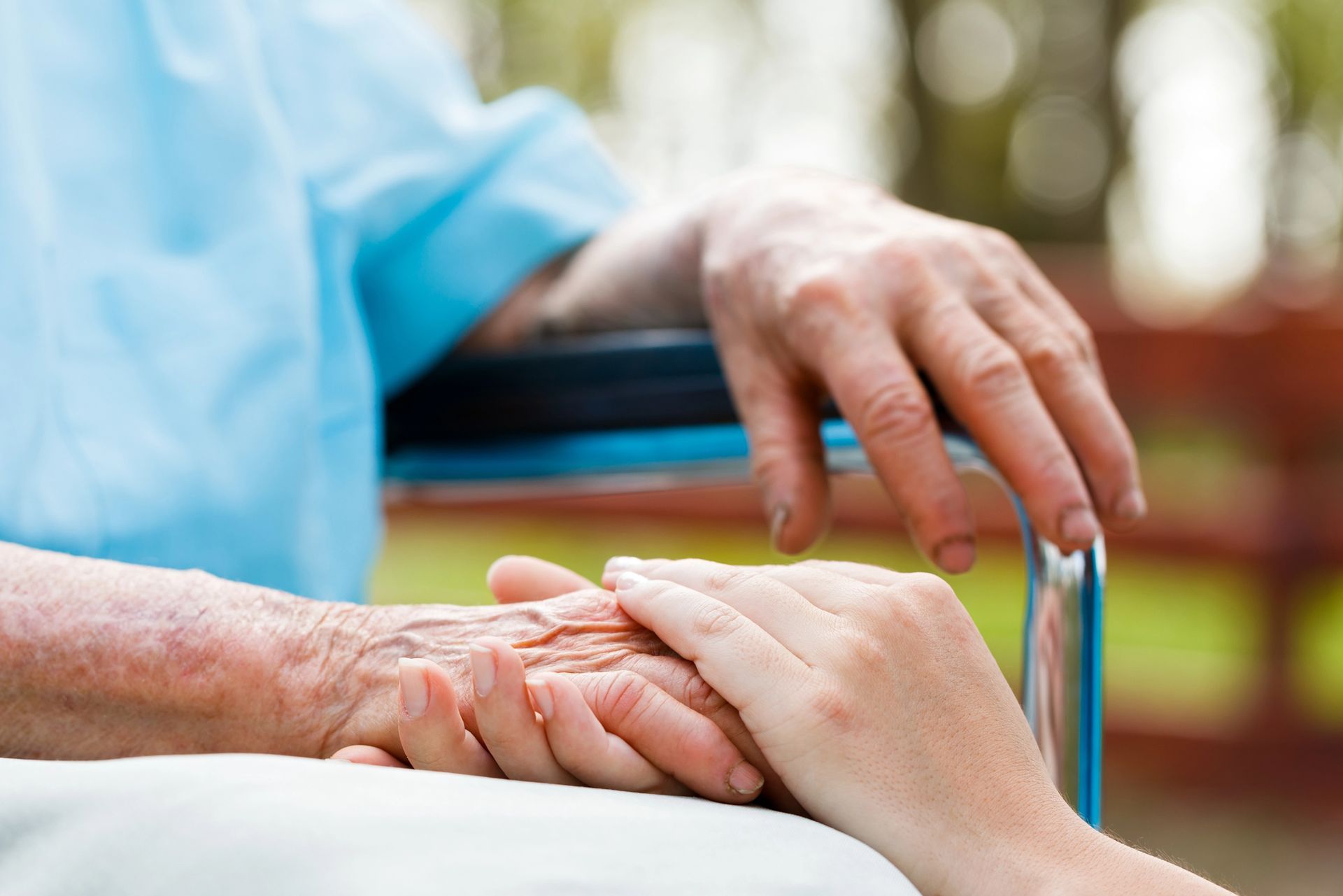

Caregivers often notice a troubling pattern when visiting an aging parent who lives alone in a private residence. The television remains on for the entire day, conversations become brief and infrequent, and the individual rarely leaves the house. While families frequently focus their concerns on physical safety and medication management, they often overlook a silent, equally dangerous health risk. The effects of social isolation on older adults are profound, acting as a direct catalyst for both physical and cognitive decline.
Loneliness is not merely an emotional challenge; it is a clinical vulnerability. Moving to a supportive neighborhood transforms a quiet, solitary routine into a vibrant, engaged lifestyle. Purposeful social calendars function as a necessary medical intervention rather than simple entertainment. This guide explains how structured community activities combat the negative impacts of isolation, preserving health, autonomy, and personal dignity.
Understanding the Effects of Social Isolation on Older Adults
The human brain requires consistent, varied stimulation to maintain its neural pathways. When individuals spend their days entirely alone, they lose the complex cognitive exercise required for dynamic conversation, problem-solving, and emotional regulation. Without regular social interaction, cognitive processing naturally slows down. The effects of social isolation on older adults include a documented acceleration of memory loss and a higher susceptibility to cognitive decline.
The physical toll is equally concerning. A lack of social motivation naturally leads to a sedentary lifestyle. Without a specific reason to get dressed, walk down a hallway, or join a group, individuals tend to remain seated for hours at a time. This prolonged inactivity causes muscle mass to decrease, joint flexibility to wane, and cardiovascular health to suffer.
Furthermore, chronic loneliness triggers a physiological stress response. The body increases its production of cortisol, which elevates blood pressure and weakens the immune system. Prolonged isolation often leads to clinical depression, which further diminishes an individual's desire to eat nutritious meals or maintain their personal hygiene. Addressing this isolation is a critical requirement for preserving long-term health.

The Difference Between Entertainment and Purposeful Connection
Passive entertainment, such as watching television or listening to the radio, does not replace active social engagement. Television provides a one-way transfer of information that requires no verbal response, no critical thinking, and no emotional reciprocation. While a television program might temporarily alleviate boredom, it does nothing to combat actual loneliness or stimulate the brain's communication centers.
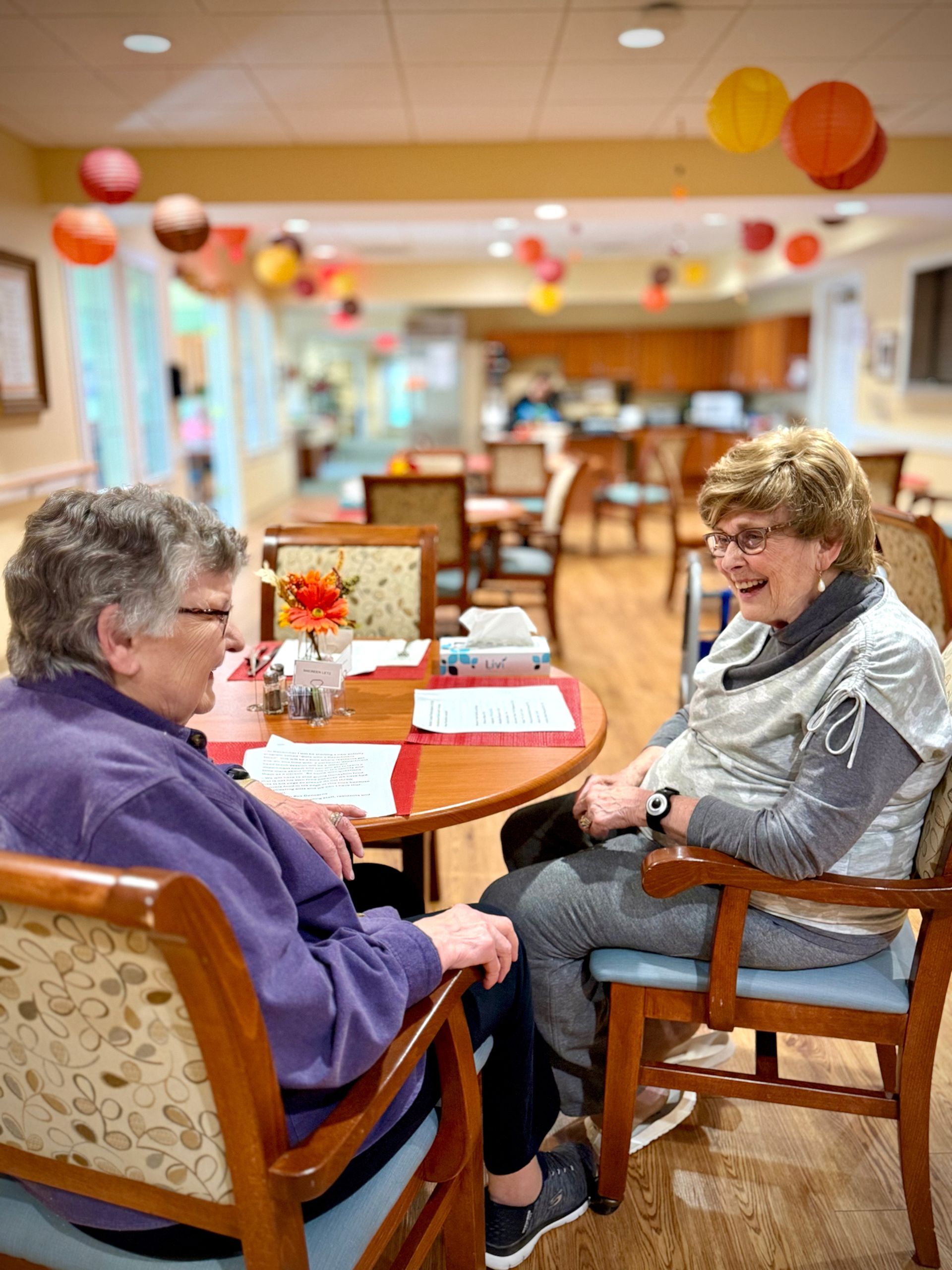
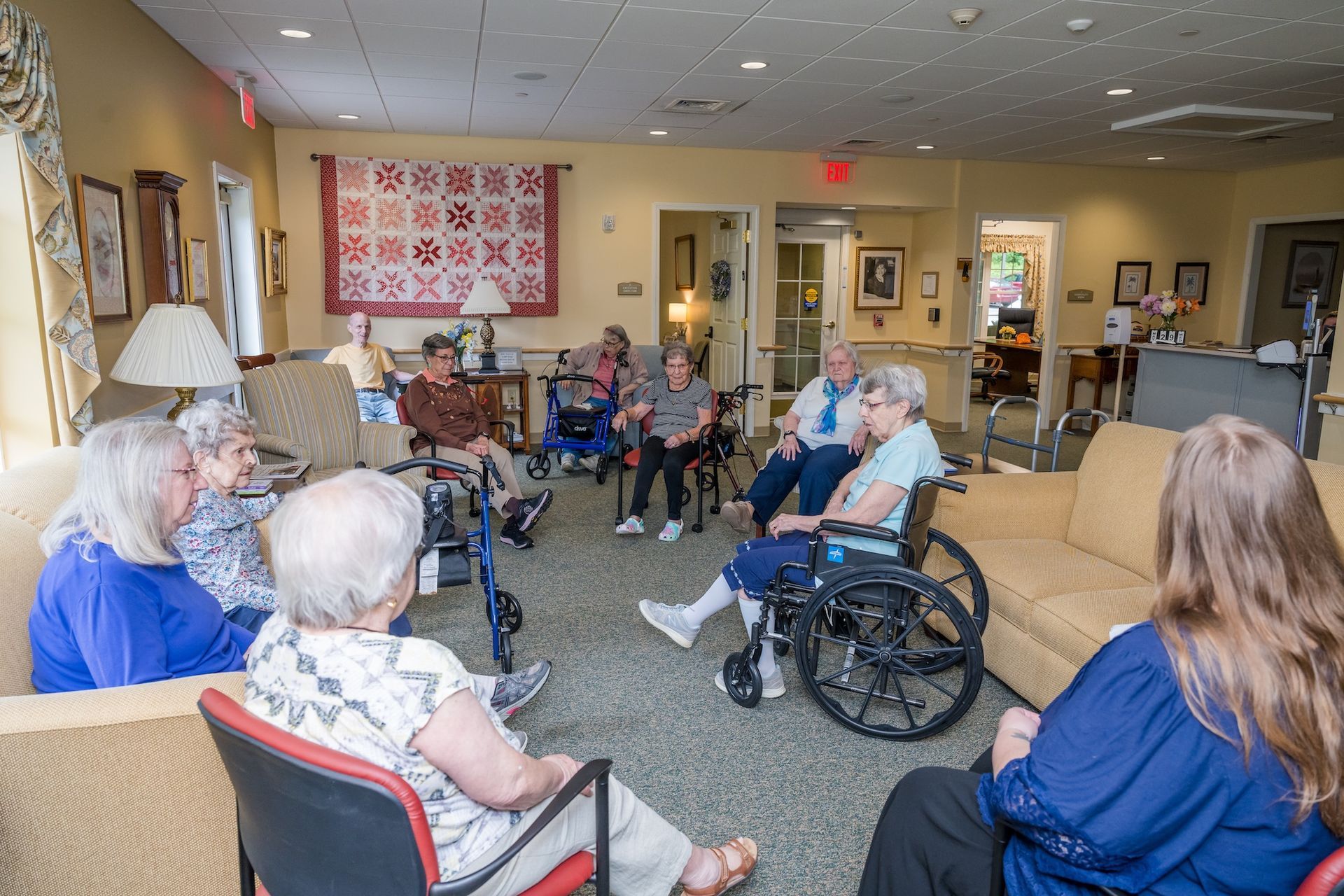
True connection requires active participation. It involves making eye contact, sharing personal opinions, listening to others, and collaborating on shared tasks. A supportive environment shifts the focus from simply passing the time to actively participating in daily life.
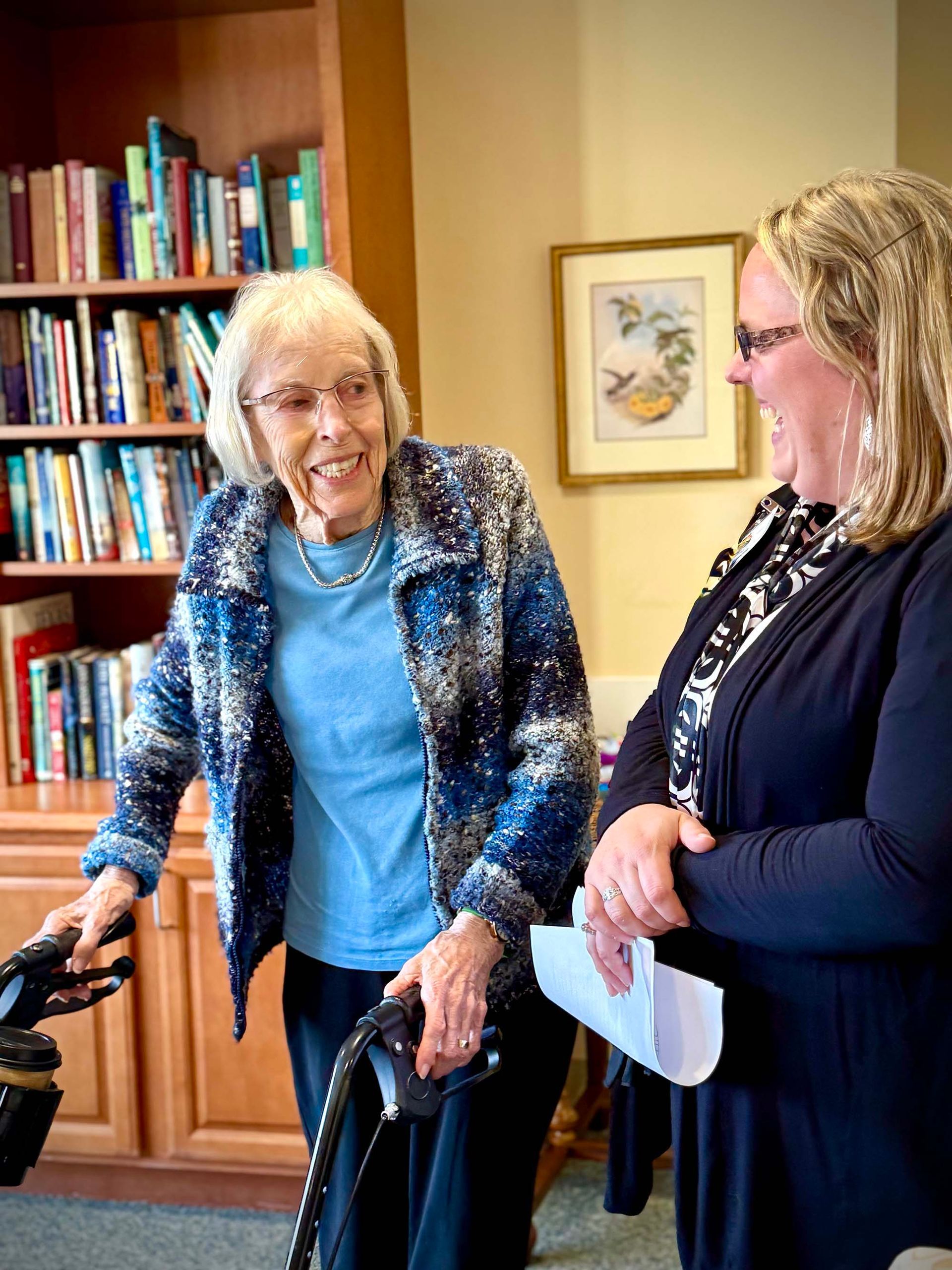
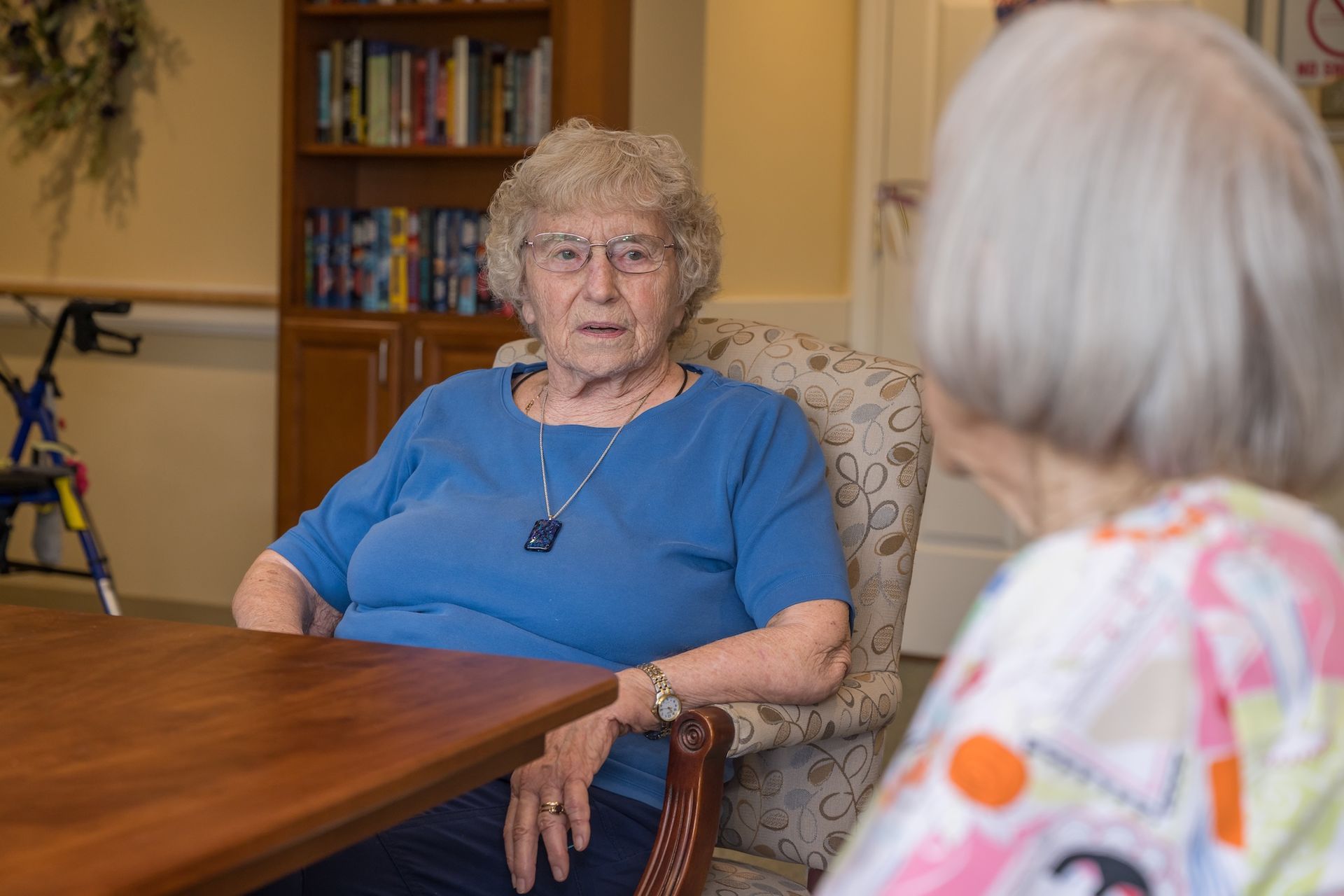
When an older adult engages in a conversation with a peer, they are practicing memory recall, emotional empathy, and verbal articulation. This active participation restores a sense of identity and purpose that often fades when living alone. Purposeful connection validates an individual's presence, reminding them that their thoughts and contributions.
How the Village Activities Director Designs for Wellness
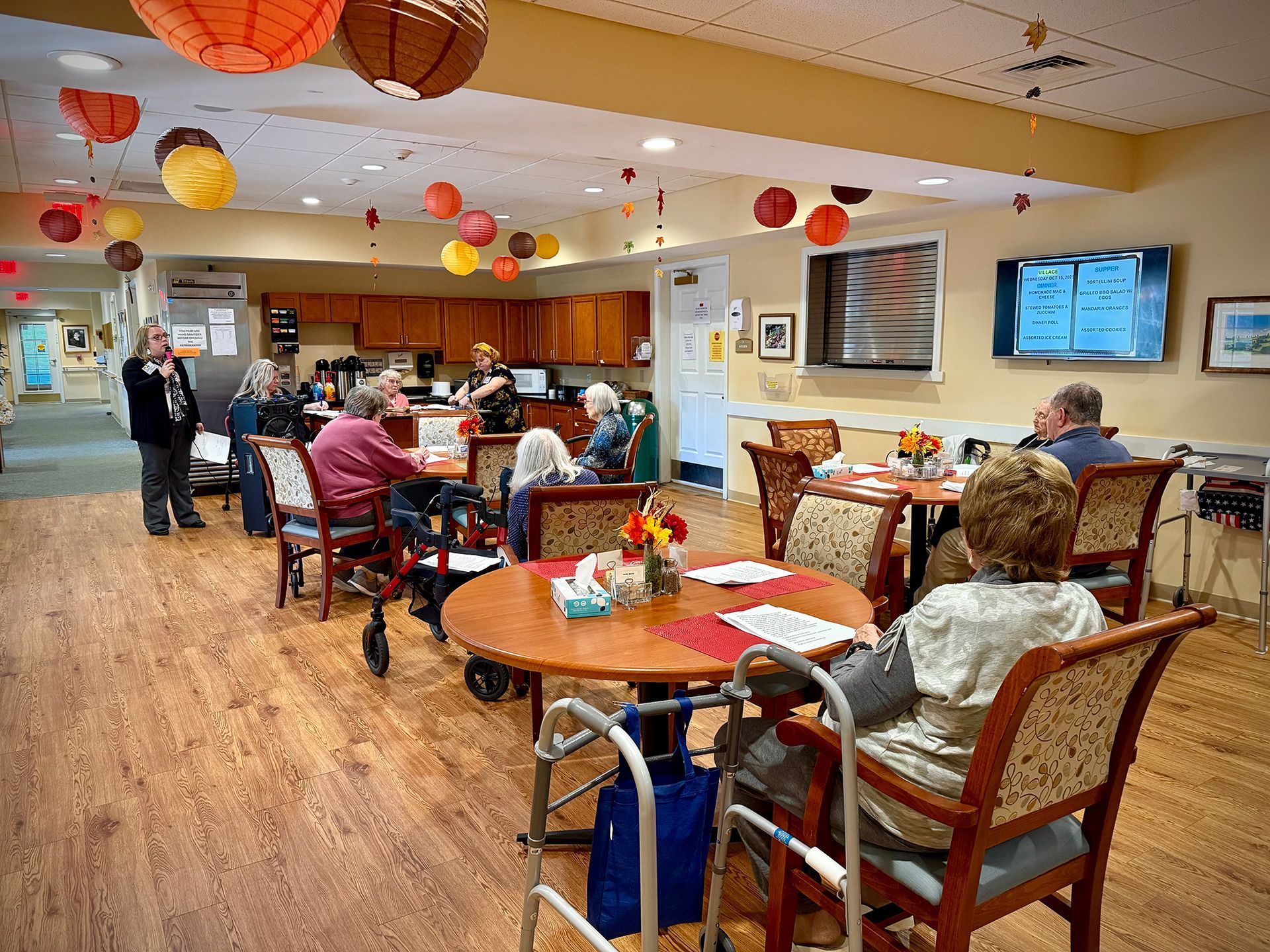
In a well-structured community, social events are never random. A dedicated Village Activities Director intentionally designs programming to target specific areas of physical and cognitive health. Rather than simply keeping people busy, these professionals evaluate the unique interests, histories, and physical capabilities of the residents to create a comprehensive wellness strategy.
Activity directors build calendars that offer a balanced mix of cardiovascular movement, fine motor skill exercises, and intellectual stimulation. They understand that a diverse schedule prevents monotony and encourages broader participation. Families researching activities at assisted living will find that professional social calendars act as a preventative health measure.
Every scheduled event serves a distinct clinical purpose disguised as a joyful social gathering. A morning baking class is designed to maintain hand-eye coordination and finger dexterity. A group discussion about historical events is structured to practice long-term memory retrieval. By embedding clinical benefits into enjoyable activities, the director ensures that residents receive continuous therapeutic support throughout their day.

Physical Health Benefits of a Structured Social Calendar
Movement is fundamentally tied to social motivation. An older adult who resists exercising alone in a private living room is far more likely to participate in a group setting surrounded by peers. Daily activities naturally encourage individuals to leave their private apartments, navigate the hallways, and engage their bodies in a safe, supervised environment.
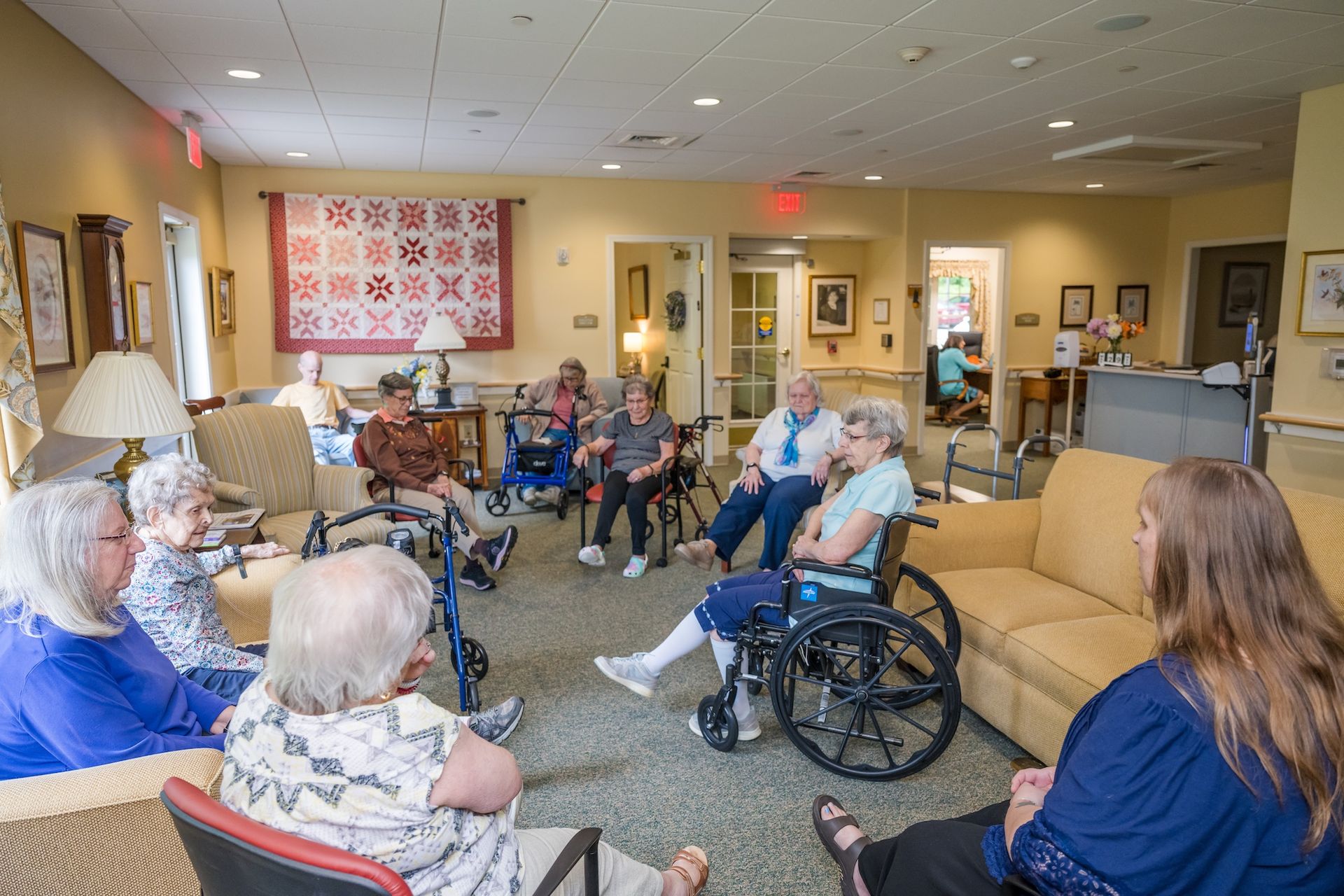
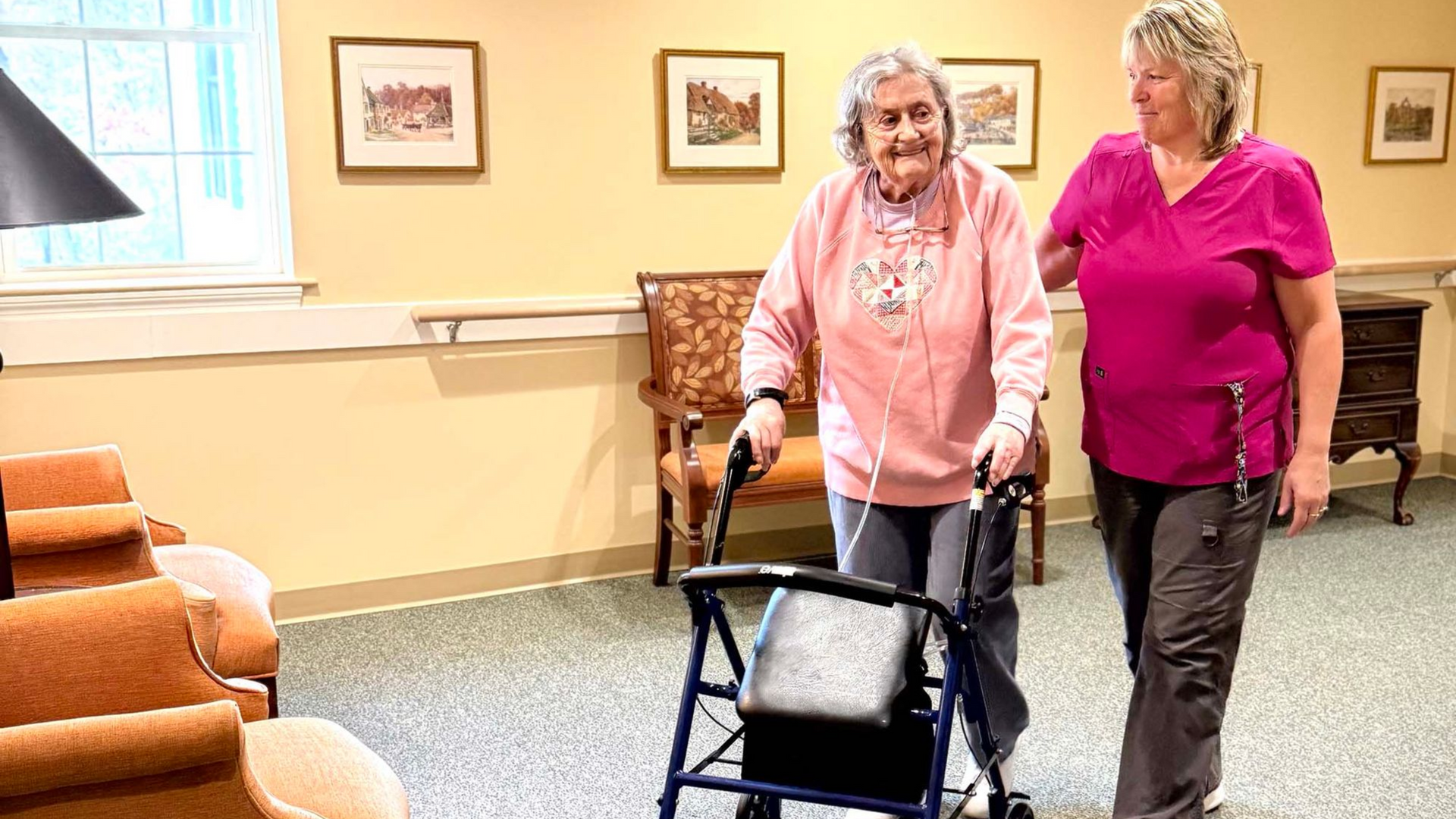
Structured exercise classes are a staple of community calendars. Seated yoga, balloon volleyball, or guided stretching routines help maintain joint flexibility and core strength without risking physical strain. This consistent, light physical activity is a direct countermeasure to the physical decline caused by prolonged isolation.
Maintaining physical strength through these enjoyable routines significantly reduces the risk of falls. It improves overall cardiovascular stamina, allowing individuals to navigate their daily hygiene and dressing routines with greater ease. When exercise is presented as a social event rather than a clinical requirement, participation rates rise, leading to vastly improved physical outcomes.
Cognitive Preservation Through Routine Engagement
Structured routines provide a reliable rhythm to the week, which is highly beneficial for cognitive retention. Anticipating a scheduled book club, a trivia afternoon, or a visiting musical performance keeps the mind oriented to time and place. This predictable structure provides comfort while demanding just enough mental focus to keep the brain actively engaged.
For individuals experiencing memory changes, this routine is especially critical. Exploring activities for memory care reveals how specific programs use sensory stimulation to unlock memories and reduce anxiety. Standard verbal communication can become frustrating for those with dementia, making sensory activities vital for connection.
Listening to familiar music from an individual's youth or participating in tactile art projects stimulates different, resilient areas of the brain. These activities offer a powerful defense against cognitive decline by engaging the senses of touch, sound, and sight. They provide a safe space for individuals to express themselves creatively and successfully, minimizing the agitation often associated with memory loss.
Fostering Independence Through Resident-Led Programs
A thriving community empowers individuals to shape their own daily experiences. Quality programming goes beyond staff-led entertainment to include resident-led committees, volunteer initiatives, and special interest clubs. When individuals are given the opportunity to contribute to their neighborhood, they reclaim their autonomy.
Older adults might organize a welcoming committee for new neighbors, lead a gardening group, or coordinate a charity knitting project. This level of participation builds profound confidence and directly combats the feelings of helplessness that often accompany aging. It shifts the dynamic from receiving care to actively providing value to others.
Reviewing the village at cedar hill calendar shows the sheer variety of opportunities available for individuals to lead, learn, and socialize. Choosing to participate in, or even direct, these events reinforces a person's capability and independence within a secure, supportive setting. It proves that moving to a community is not a loss of freedom, but an expansion of opportunity.

Frequently Asked Questions
How do communities encourage introverted individuals to participate in social events?
Staff members understand that entering a crowded room can feel overwhelming for naturally quiet individuals. They gently invite introverted people to smaller, low-pressure gatherings, such as a two-person puzzle session, a small reading group, or a quiet gardening activity. The goal is to build trust through one-on-one interactions first, allowing the person to acclimate to the broader social environment at their own pace without feeling pressured to perform.
Are daily activities adapted for those with limited physical mobility?
Yes, all scheduled events are highly adaptable to accommodate varying physical abilities. Exercise classes are typically conducted from a seated position to ensure safety and inclusion for those using wheelchairs or walkers. Activity directors modify the physical requirements of any game, craft, or project so that every person can participate fully and comfortably regardless of their mobility limitations.
What types of cognitive activities offer the most benefit?
Activities that require active recall, strategy, or sensory engagement provide the highest cognitive value. Trivia games, group discussions about historical events, and interactive music therapy challenge the brain to retrieve and process information. Tactile activities like painting, working with clay, or gardening stimulate multiple senses simultaneously and help maintain fine motor skills, offering comprehensive mental and physical exercise.
How often do structured social events occur within a community?
Supportive neighborhoods offer multiple scheduled events every single day, including weekends and holidays. The calendar is designed to provide varied options throughout the morning, afternoon, and evening. This continuous availability ensures that individuals always have a structured, engaging option available whenever they feel motivated to socialize, establishing a reliable daily rhythm.
Can family members participate in the community calendar?
Families are strongly encouraged to join in the daily life of the neighborhood. Attending a visiting musical performance, joining a holiday celebration, or simply sitting in on a craft session provides a wonderful opportunity for shared experiences. Participating in an activity together removes the pressure of forced conversation during a visit and allows families to build new, joyful memories in a relaxed setting.
Conclusion
The transition from a quiet, isolated house to a vibrant, supportive neighborhood fundamentally changes an individual's daily experience. The effects of social isolation on older adults are profound, negatively impacting both physical health and cognitive function. By replacing hours of passive television watching with a structured, purposeful calendar, supportive communities provide a vital medical intervention disguised as daily joy. Prioritizing social connection and routine engagement ensures that individuals maintain their dignity, preserve their cognitive health, and continue to experience a deeply fulfilling life surrounded by peers.
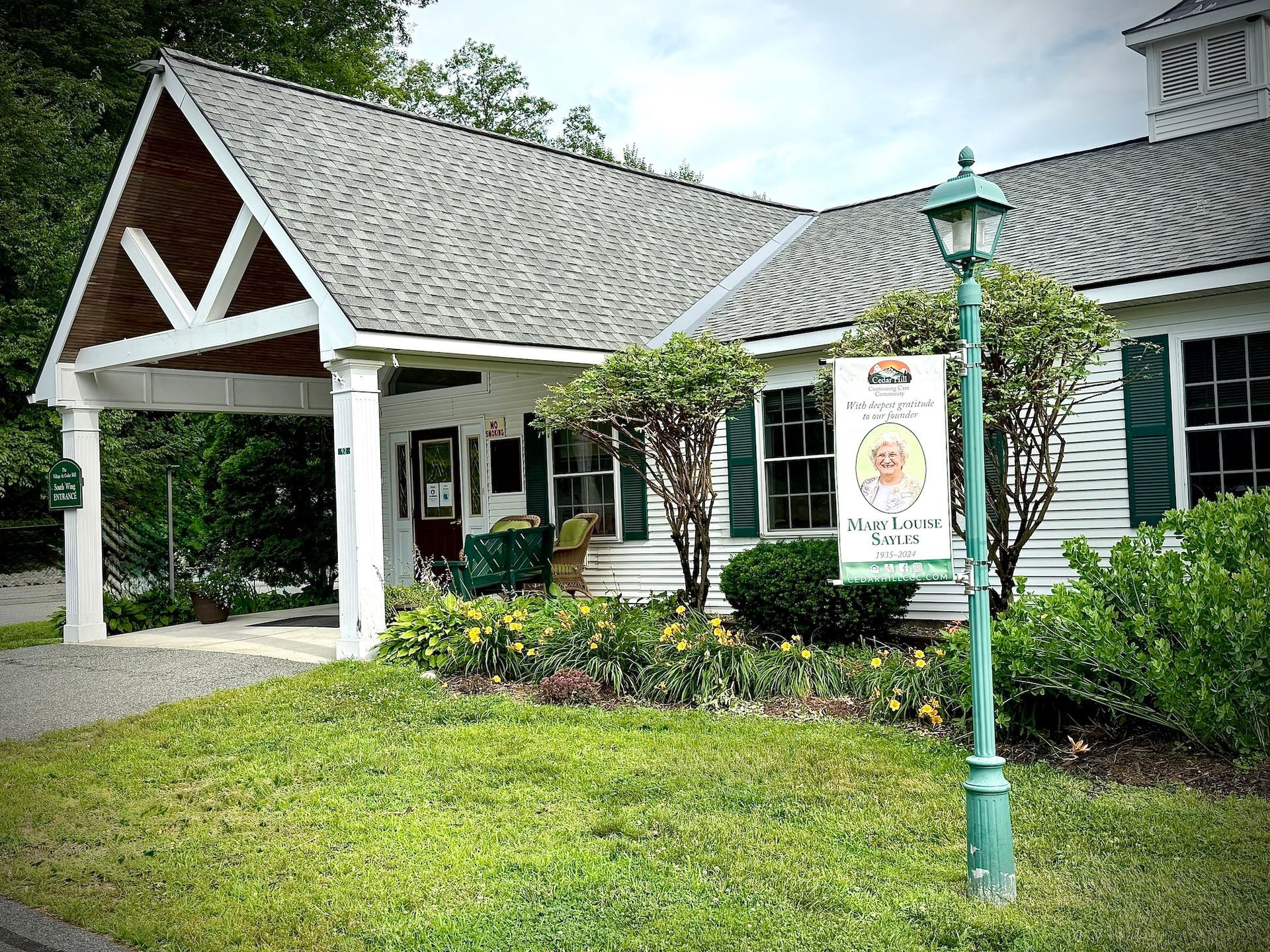
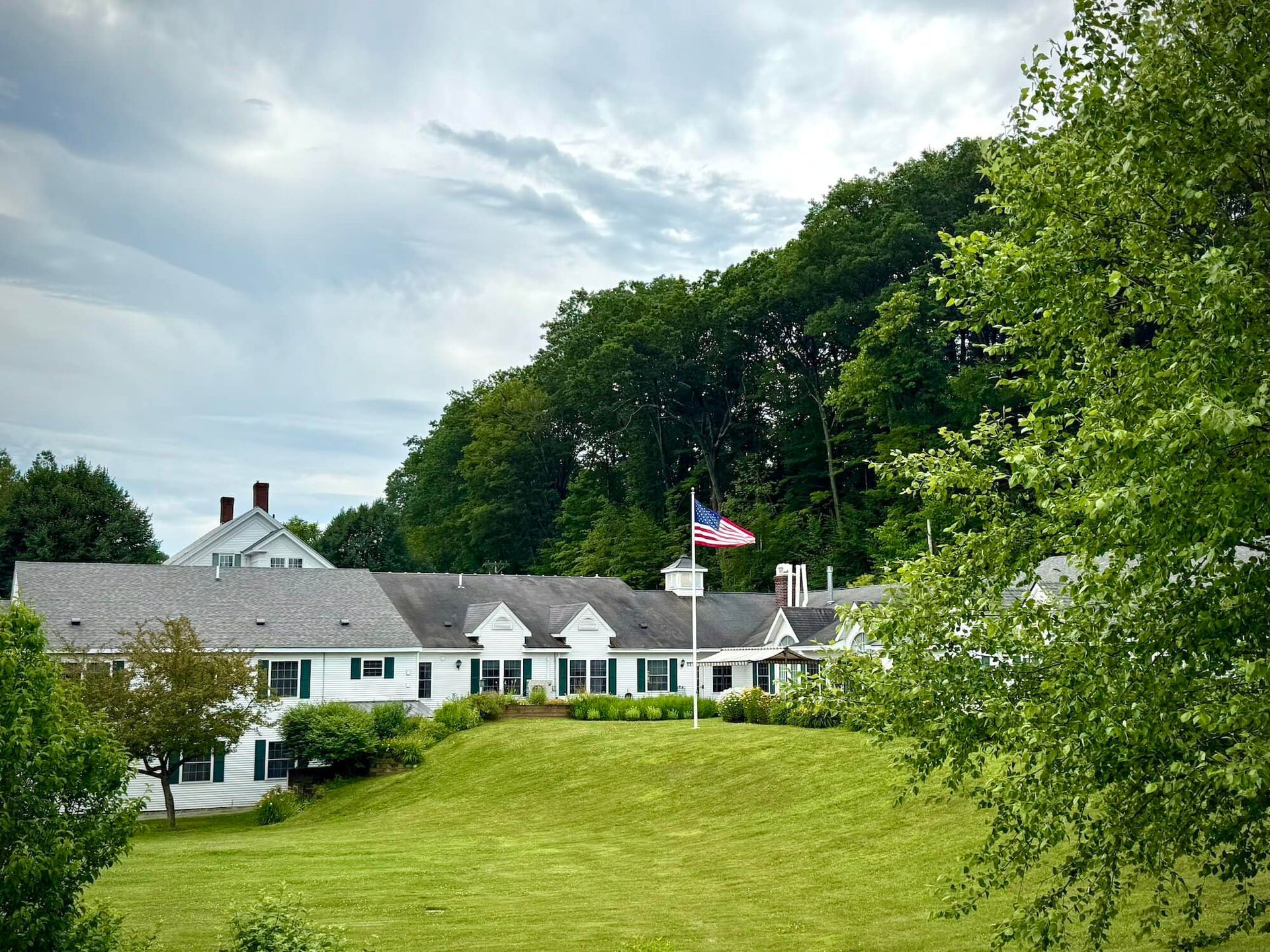
Cedar Hill Continuing Care Community serves as an educational resource and provider of comprehensive senior living options in Windsor, Vermont. Offering independent living, assisted living, specialized memory care, and skilled nursing, the community focuses on providing personalized, dignified support within a vibrant neighborhood setting. Families seeking further guidance on navigating care transitions and finding engaging residential options can explore more resources at https://www.cedarhillccc.com/