




When a hospital stay following a major surgery, sudden illness, or serious fall comes to an end, families in the Upper Valley often encounter an unexpected transition. A hospital discharge planner or case manager may inform you that your loved one is not quite ready to return home safely and requires immediate subacute care. Hearing that a relative needs a skilled nursing rehab discharge Upper Valley VT plan can trigger urgent confusion, anxiety, and a rush to make critical healthcare decisions within 24 to 48 hours.
Hospital stays are inherently stressful, and post-acute planning often occurs while families are still processing a diagnosis or recovering from an emergency. Understanding how the post-hospital discharge process works in Vermont and New Hampshire medical centers empowers families to navigate choices calmly. With the right information, adult children and caregivers can ensure their loved ones transition from acute hospital care to an environment focused on physical recovery, safety, and long-term well-being.
This practical guide breaks down the discharge timeline, clarifies individual rights, details financial coverage considerations, and provides a clear roadmap for selecting a short-term rehabilitation community in the Upper Valley.
Understanding the Hospital Discharge Process in Vermont and New Hampshire
The hospital discharge process begins well before a doctor signs the final release orders. In regional healthcare hubs such as Dartmouth-Hitchcock Medical Center in Lebanon, Cheshire Medical Center in Keene, or Mt. Ascutney Hospital and Health Center in Windsor, discharge planners evaluate individuals daily to determine when acute medical care is no longer required.
When hospital physicians confirm that an individual is medically stable but still needs daily professional nursing or intensive therapy, the case management team initiates a referral for subacute care. At this stage, the hospital social worker or nurse planner provides families with a list of regional short-term care communities. Families are asked to select their top choices so the hospital can transmit clinical records and check bed availability.
Understanding that discharge recommendations are based on functional needs helps demystify the process. Hospitals aim to transition individuals to lower-level care settings as soon as acute crisis management concludes, preventing hospital-acquired infections and clearing beds for emergency admissions. Recognizing that this recommendation is a standard, structured step toward physical recovery helps families focus on evaluating quality rehab options rather than feeling pushed out the door.
Knowing Individual Rights and the Choice of Rehabilitation Providers
During a fast-paced hospital discharge, families often feel intense pressure to accept the first available bed suggested by a case manager. However, federal healthcare regulations protect every individual's right to choose where they receive post-acute rehabilitation services.
Under Medicare regulations and hospital discharge planning guidelines, case managers must respect family preferences regarding location, quality ratings, and personal care goals. While a hospital planner may highlight communities with immediate openings, families maintain the legal right to request referrals to their preferred community.
If a hospital recommends a community that does not align with your family's preferences, you have the right to request transfers to another licensed care community once a bed becomes available. Furthermore, if a family believes a hospital discharge is premature because their relative remains unstable, they have the right to file an expedited appeal through the regional Quality Improvement Organization (QIO). Filing an appeal grants a formal review of the discharge order while Medicare coverage remains temporarily in place during the evaluation.
Families exploring post-acute care options can review detailed guidelines on medical care and rehabilitation options to understand standard clinical protocols, therapy access, and nursing supervision levels.
Decoding Medicare, Insurance, and Out-of-Pocket Rehabilitation Costs
Financial uncertainty is a major source of anxiety for Upper Valley families navigating a skilled nursing rehab discharge Upper Valley VT scenario. Understanding how Medicare Part A and private health insurance cover post-acute care helps prevent unexpected medical bills.

Medicare Part A provides coverage for short-term skilled care following a hospital stay, but strict eligibility criteria apply:
- Qualifying Hospital Stay: Medicare requires a prior three-consecutive-day inpatient hospital stay. Time spent under "observation status" does not count toward this three-day requirement, making it essential to verify admission status with the hospital billing department.
- Daily Skilled Care Requirement: The individual must require daily skilled nursing care or skilled therapy services (such as physical, occupational, or speech therapy) that can only be provided in a licensed nursing setting.
- Benefit Period Limits: Medicare covers up to 100 days of skilled care per benefit period. Days 1 through 20 are covered at 100 percent. Days 21 through 100 require a daily co-insurance payment, which is often covered by secondary or supplemental insurance policies.
- Progress Mandate: Skilled care coverage continues only as long as the individual shows documented functional progress or requires skilled management to maintain their current condition.
For individuals enrolled in Medicare Advantage plans or commercial insurance, pre-authorization is required before hospital discharge. Insurance case managers review clinical documentation every few days to approve ongoing coverage stays. Families planning for potential long-term care transitions beyond short-term rehabilitation can explore practical guides on paying for nursing care to evaluate insurance, private pay, and public assistance frameworks.
Key Questions for a Skilled Nursing Rehab Discharge Upper Valley VT Decision
When evaluating potential short-term rehabilitation choices in Vermont or New Hampshire, asking targeted questions ensures that a community can meet your relative's specific medical and recovery needs. Visiting a community or conducting a thorough phone consultation with admissions coordinators provides vital clarity.
Essential questions to ask during the evaluation include:
- Therapy Capabilities: How many days per week are physical, occupational, and speech therapies offered? Are therapies customized for post-surgical recovery, stroke rehabilitation, or fall recovery?
- Nursing Supervision: Is licensed nursing staff present on-site 24 hours a day, 7 days a week? What is the staff-to-resident ratio during day and night shifts?
- Physician and Medical Coverage: How often does the medical director or attending physician visit residents? Can our relative retain their primary care doctor if the physician has staff privileges?
- Discharge Planning Services: Does the rehabilitation team begin planning for home return upon admission? Do therapists perform home safety assessments before discharge to recommend ramp installations or adaptive equipment?
- Continuity of Support: If an individual requires additional recovery time or personal care support after short-term rehab, does the community offer options to transition into assisted living or long-term nursing care on the same campus?
Reviewing clinical benchmarks and functional indicators for when skilled nursing is necessary helps families assess whether a comprehensive, multi-disciplinary nursing environment is the safest setting for ongoing healing.
Frequently Asked Questions
What is the difference between acute hospital care and skilled nursing rehab?
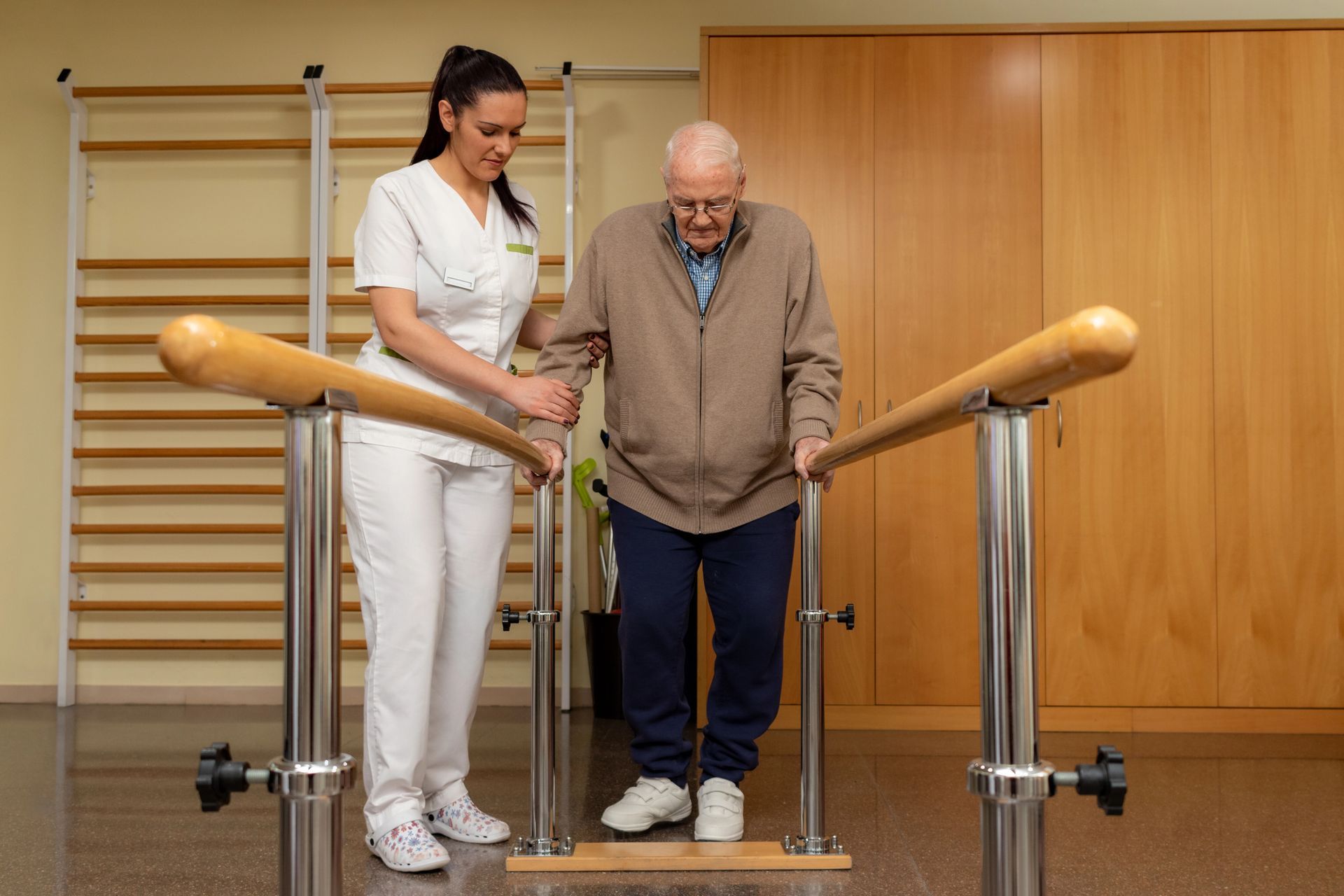
Acute hospital care focuses on stabilizing urgent medical crises, performing surgeries, and managing severe illnesses. Skilled nursing rehab provides follow-up medical care, professional wound management, medication stabilization, and daily physical or occupational therapy once an individual is medically stable but not yet strong enough to safely return home.
How quickly must a family select a skilled nursing rehab community after hospital notification?
Hospital discharge planning typically moves quickly, often requiring families to identify preferred rehabilitation communities within 24 to 48 hours after acute medical treatment ends. While discharge planners assist with referrals, families retain the right to select their preferred licensed care provider.
Does Medicare cover 100 percent of skilled nursing rehabilitation stays?
Medicare Part A covers 100 percent of allowable costs for the first 20 days of a qualified skilled nursing stay. For days 21 through 100, Medicare requires a daily co-payment, which secondary insurance policies often cover. Coverage ends if the individual no longer requires daily skilled care or reaches the 100-day limit.
What happens if an individual is discharged from the hospital on a weekend?
Hospitals operate discharge planning seven days a week, and many skilled nursing communities accept admissions on weekends. Case managers coordinate transportation, transfer medical records, and ensure prescription medications are ordered so that care transitions proceed smoothly regardless of the day.
Can an individual transition from short-term rehab directly to assisted living if returning home is unsafe?
Yes, many individuals who enter short-term rehab discover that living completely independently at home is no longer safe. Families can work with social workers and care planners during the rehab stay to evaluate residential care options, such as assisted living or memory care, ensuring a safe transition without returning home first.
Ensuring a Smooth Transition Home or to Continuing Support
Navigating a skilled nursing rehab discharge Upper Valley VT process requires balancing immediate medical needs with long-term safety and personal comfort. By understanding discharge rights, verifying insurance coverage details, and selecting a dedicated rehabilitation community, Upper Valley families can transform a stressful hospital departure into a structured, successful recovery journey. Active family involvement, clear communication with care teams, and proactive planning ensure that older adults receive the compassionate, professional support needed to rebuild strength and restore independence.
About Cedar Hill Continuing Care Community
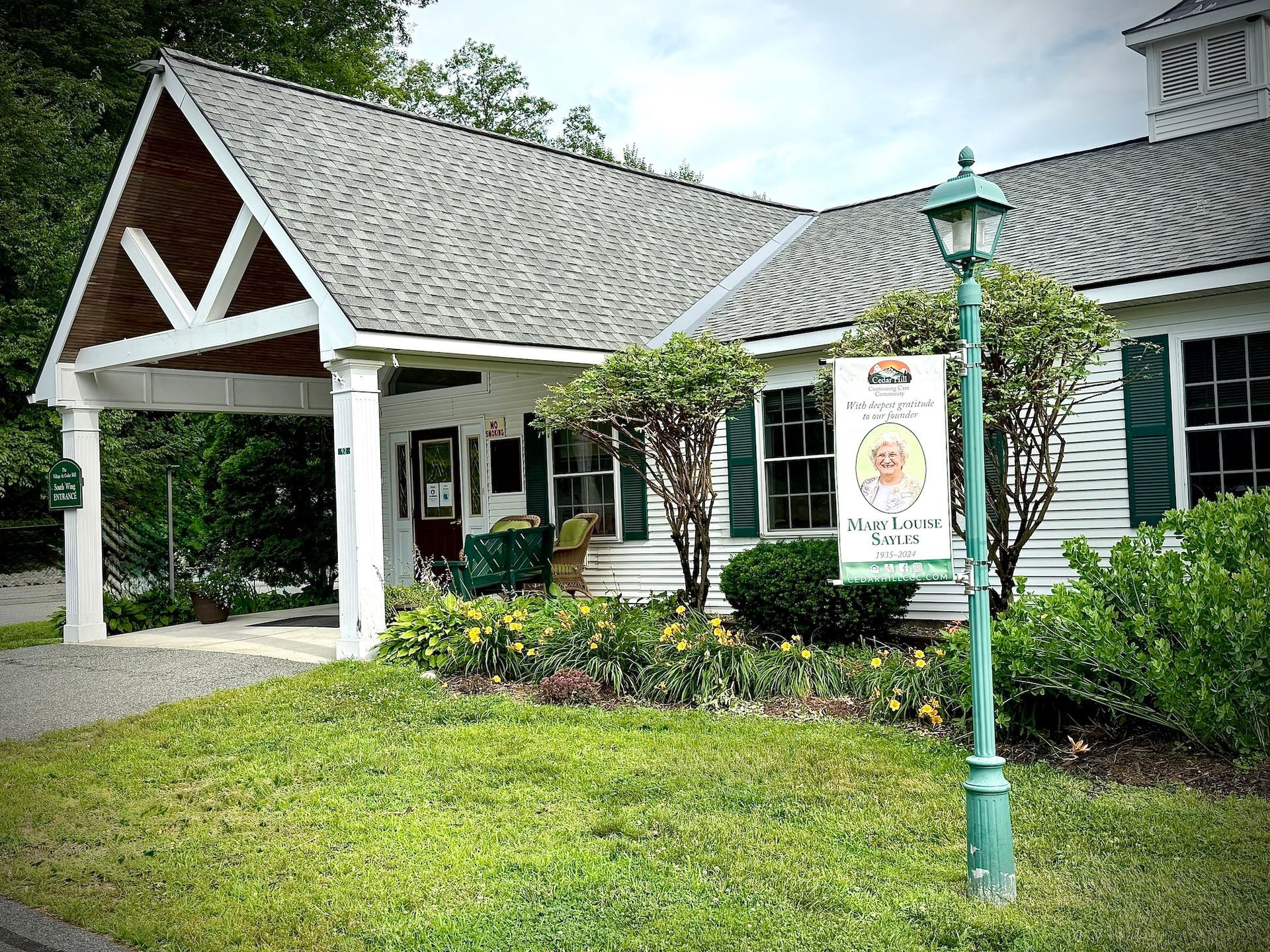
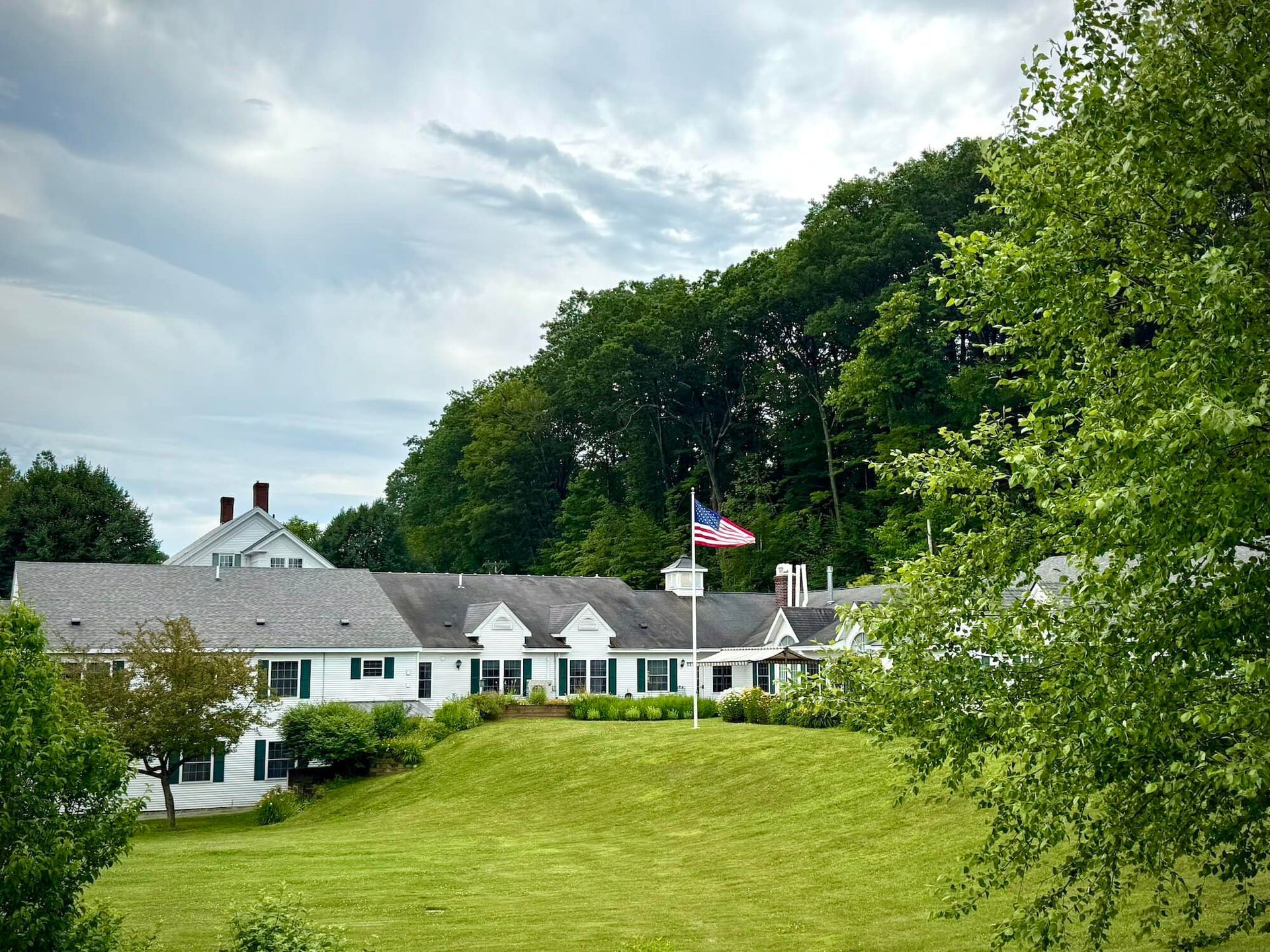
Cedar Hill Continuing Care Community in Windsor, Vermont, serves as a trusted educational and residential resource for families navigating post-acute care decisions in the Upper Valley. Situated on a peaceful campus, Cedar Hill Health Care Center offers comprehensive skilled nursing care and short-term post-hospital rehabilitation delivered by an experienced, multidisciplinary clinical team. To learn more about short-term recovery programs, review care guides, or arrange a campus tour, visit Cedar Hill Continuing Care Community.