

Navigating Long Distance Caregiving in Vermont: A Guide for Out-of-State Families

Caring for an aging parent is a deeply personal journey, but when hundreds of miles separate your home in Boston, New York, or beyond from their residence in Vermont, emotional and logistical challenges multiply. Out-of-state adult children often navigate persistent worry, asking whether a parent living alone in the Upper Valley is managing daily tasks safely, eating well, or staying connected with their community. Distances that feel manageable during weekend visits can quickly become overwhelming when routine health changes or unexpected weather events arise.

Managing long distance caregiving in Vermont requires a structured, proactive approach that combines clear family communication, local community connections, and an understanding of regional support networks. Whether a parent is currently living independently in Windsor County or another part of the Green Mountain State, establishing a coordinated care plan helps ensure their ongoing safety and well-being while providing family members with meaningful peace of mind.

This guide outlines practical strategies for organizing long-distance care, identifying early safety concerns, leveraging local resources, and evaluating long-term care options from afar.

Establishing a Communication Network Across State Lines

One of the most effective steps an out-of-state caregiver can take is building a reliable communication circle anchored in the parent's local community. Relying solely on direct phone calls with an aging parent may not always reveal the full picture of their day-to-day well-being. Individuals naturally want to protect their adult children from worry and may underreport physical difficulties, minor falls, or feelings of loneliness.

Creating an informal local check-in network offers consistent, objective insights into daily routines. This network can include trusted neighbors, close local friends, faith community members, and service professionals who visit the home regularly, such as mail carriers or home maintenance providers. Asking a trusted neighbor to call or drop by once or twice a week provides an extra layer of observational support.

In addition to informal connections, establishing direct lines of communication with local healthcare providers is essential. Out-of-state family members should ensure that all legal documentation, including healthcare proxies, Durable Power of Attorney (POA) forms, and HIPAA disclosure authorizations, is properly executed and filed with the parent's primary care physicians and regional medical centers. Having these authorizations in place allows medical teams in Vermont to speak openly with designated family members during routine appointments or emergency care situations.

Organizing a centralized digital binder or shared family folder is another practical way to keep essential information accessible. Important items to store securely include:

  • A current list of prescribed medications, dosages, and prescribing physicians
  • Contact information for primary care doctors, specialists, and preferred local pharmacies
  • Insurance policy numbers, Medicare details, and supplemental coverage information
  • Home maintenance contacts, including snowplowing services, fuel delivery providers, and electricians
  • Copies of advance directives and legal care designations

Maintaining organized records ensures that any family member can step in smoothly during a sudden health change without losing valuable time searching for paperwork.

Coordinating Local Medical Care and Support in the Upper Valley

Managing healthcare appointments and medical follow-ups from another state presents unique logistical hurdles. Rural geography and New England winter conditions can make transportation to medical offices difficult for older adults who no longer drive comfortably. Out-of-state adult children can play a vital role by organizing local logistics and participating remotely in healthcare decisions.

Many medical practices across Vermont now offer telehealth options and virtual family participation during routine office visits. Family members can request to join doctor appointments via speakerphone or video conference to hear medical updates directly, ask clarifying questions, and help summarize follow-up instructions. Before each appointment, family members can prepare a written list of questions or health observations to share with the physician.

When in-person accompaniment is necessary, hiring a local professional care coordinator or arranging dedicated non-medical transportation services can bridge the geographic gap. Professional care managers, often licensed nurses or social workers, act as local advocates. They can attend medical visits, monitor medication compliance, evaluate home safety, and provide detailed updates to out-of-state families.

Navigating care coordination also involves identifying centralized educational resources and regional health guidance. Families seeking broader insights into care structures, long-term support models, and planning tools can explore curated Vermont senior care resources to better understand the local landscape.

Recognizing When Aging in Place Alone Needs Reevaluation

For families practicing long-distance caregiving in Vermont, seasonal visits during holidays or summer vacations often serve as important observation windows. Because subtle physical or cognitive changes occur gradually, out-of-state family members who visit periodically may notice shifts that local contacts see as routine.

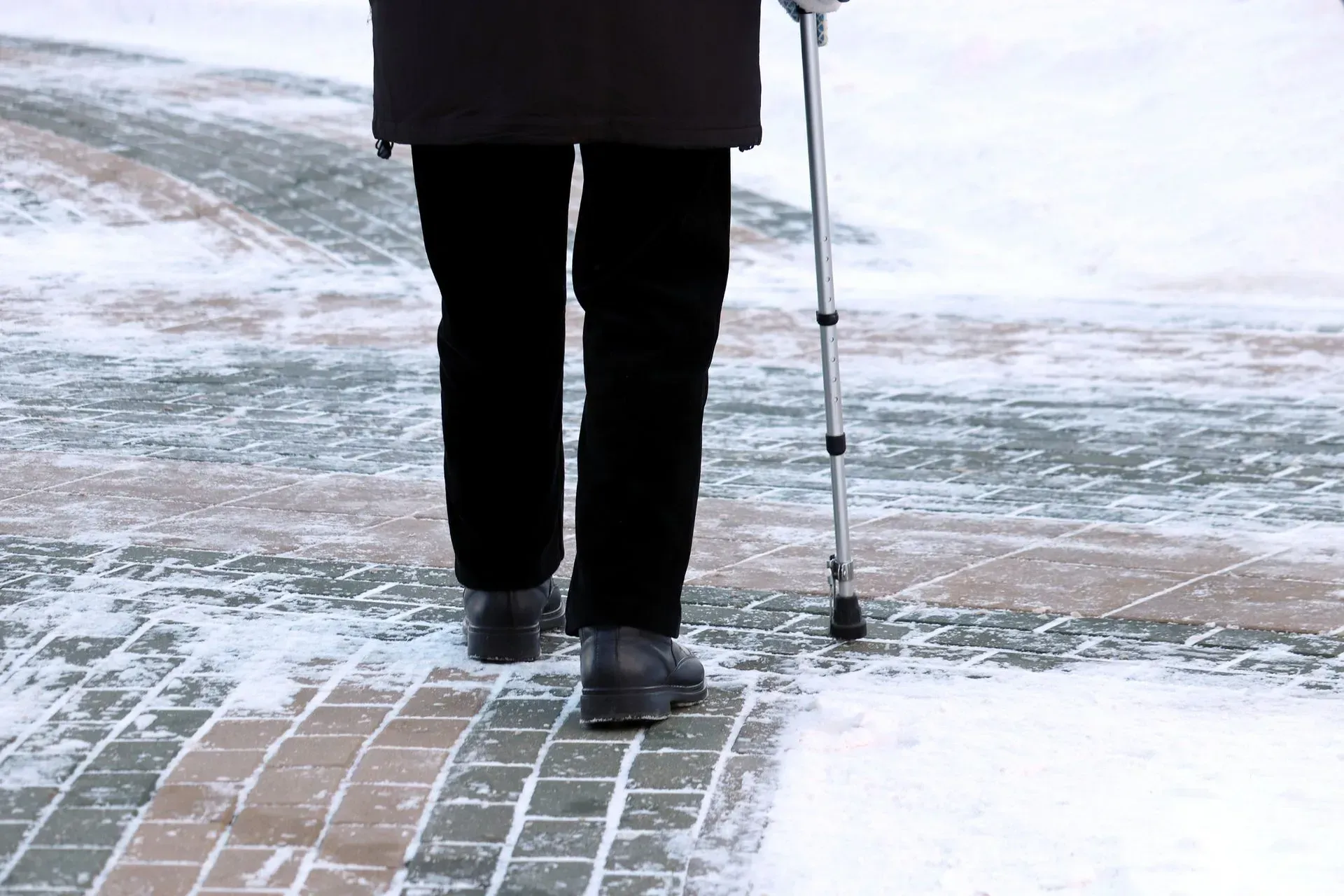
Person walking with a cane on a snowy sidewalk with a white cane tip near the ground

Recognizing early warning signs allows families to address safety risks before a crisis occurs. Key areas to evaluate during visits or through regular check-ins include:

  • Home Safety and Maintenance: Unopened mail piling up, unwashed dishes, noticeable household clutter, or neglected outdoor maintenance such as unsalted icy walkways.
  • Nutritional Health: Expired food in the refrigerator, unexpected weight loss, or a lack of fresh groceries in the home.
  • Personal Care Habits: Changes in personal hygiene, uncharacteristic dressing habits, or difficulty managing routine laundry.
  • Medication Management: Missed doses, incorrect pill counts in organizers, or expired prescription bottles left unrefilled.
  • Mobility and Physical Safety: Unexplained bruising, difficulty rising from a chair, holding onto walls or furniture while walking, or reluctance to navigate stairs.
  • Social Engagement: Withdrawal from social groups, hesitation to answer the phone, or signs of increasing isolation.

When several of these indicators appear together, it often signals that living entirely independently without daily structured support is becoming unsafe. Reviewing key signs that indicate a need for assisted living helps families objectively evaluate whether a residential care setting would better support their parent's safety, social connection, and overall health.

Navigating Vermont Senior Care Options and Local Community Resources

When home modifications, private home care, and long-distance coordination reach their practical limits, exploring residential senior living communities becomes a natural next step. Vermont offers a spectrum of residential care environments designed to balance personal independence with professional support.

Understanding the distinctions between care settings enables out-of-state families to make informed recommendations alongside their parents:

  1. Independent Living Communities: Designed for older adults who maintain full physical independence but wish to eliminate household maintenance, meal preparation, and winter home care.
  2. Assisted Living Communities: Ideal for individuals who require regular assistance with daily activities such as bathing, dressing, grooming, or medication administration while living in private apartments. Reviewing frequently asked questions about assisted living can clarify how daily support plans are customized for individual preferences.
  3. Memory Care Neighborhoods: Specialized, secure environments crafted specifically for individuals living with Alzheimer's disease or other forms of dementia. Care plans focus on cognitive engagement, structured daily routines, and gentle safety monitoring.
  4. Skilled Nursing and Rehabilitation: Short-term post-acute rehabilitation or long-term nursing care providing 24-hour medical supervision, licensed nursing, and physical or occupational therapy.

Exploring options on a shared campus where multiple levels of care coexist allows an individual to move smoothly between support settings as health requirements evolve over time, eliminating the stress of relocating to an entirely new community.

Frequently Asked Questions

  • How can out-of-state family members monitor an aging parent's safety remotely?

    Out-of-state family members can monitor safety remotely by creating a local contact network of neighbors and friends, setting up automated prescription delivery, and utilizing medical alert systems or motion-activated lighting. Establishing HIPAA permissions with local Vermont healthcare providers and scheduling regular phone or video calls also ensures consistent updates regarding physical and cognitive health.

  • What are the first signs that a parent living alone in Vermont may need professional support?

    Early indicators include difficulty managing household maintenance, missed medication doses, unexpected weight loss, uncharacteristic household clutter, and difficulty navigating stairs or icy walkways. Unexplained bruises from minor stumbles or social withdrawal from community activities also signal that living completely independently may pose ongoing safety risks.

  • How do long-distance caregivers manage emergency situations from afar?

    Managing emergencies requires prior preparation. Families should keep an updated digital folder containing medical histories, insurance information, medication lists, and legal authorizations. Establishing direct relationships with primary care doctors and keeping contacts for local Vermont emergency services, trusted neighbors, and home care agencies allows for rapid communication during an acute health event.


  • What local Vermont resources help adult children coordinate care from another state?

    Vermont offers Area Agencies on Aging, local Senior Solutions offices, professional geriatric care managers, and community-based transportation networks. Additionally, residential senior living communities provide family advisors who assist out-of-state relatives with care evaluations, virtual tours, and guidance on regional support services.

  • Can out-of-state families schedule virtual tours or care consultations in Vermont senior living communities?

    Yes, many senior living communities in Vermont offer virtual video consultations, digital floor plans, and interactive video tours for out-of-state family members. These options allow adult children living in other states to explore living arrangements, discuss personalized care plans, and review community amenities alongside their parents before planning an in-person visit.

Supporting Your Family's Journey

Navigating caregiving from a distance requires patience, organization, and a clear understanding of available support systems. By establishing strong communication networks, monitoring health changes proactively, and exploring local Vermont resources, out-of-state families can ensure their parents receive compassionate, dignified support. Taking thoughtful planning steps today protects an aging parent's safety while bringing lasting reassurance to loved ones near and far.

About Cedar Hill Continuing Care Community

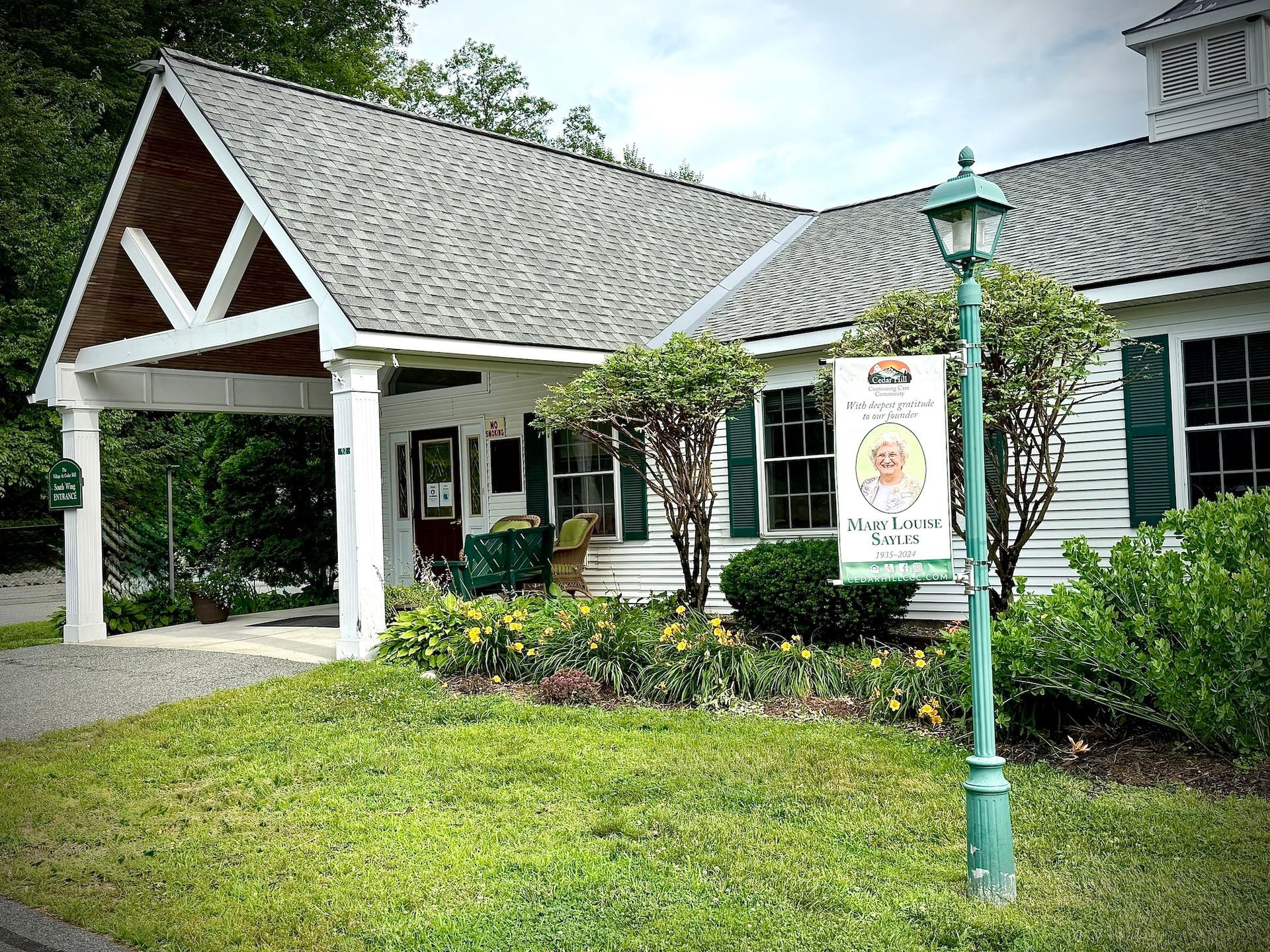
Cedar Hill Continuing Care Community in Windsor, Vermont, serves as a trusted educational and residential resource for families navigating senior care decisions. Located on a peaceful, scenic campus in the Upper Valley, Cedar Hill offers a complete range of senior living options, including independent and assisted living, specialized memory care at the Judith Brogren Memory Care Center, and skilled nursing and short-term rehabilitation. To learn more about care options, request educational guides, or schedule a virtual or in-person campus visit, explore Cedar Hill Continuing Care Community.

Covered entryway of a white house with a gabled roof, gravel driveway, and landscaped flower beds under a blue sky
By shawn • October 15, 2026
Facing a hospital discharge to skilled nursing rehab in the Upper Valley? Learn your rights, Medicare coverage rules, and key questions to ask before choosing.
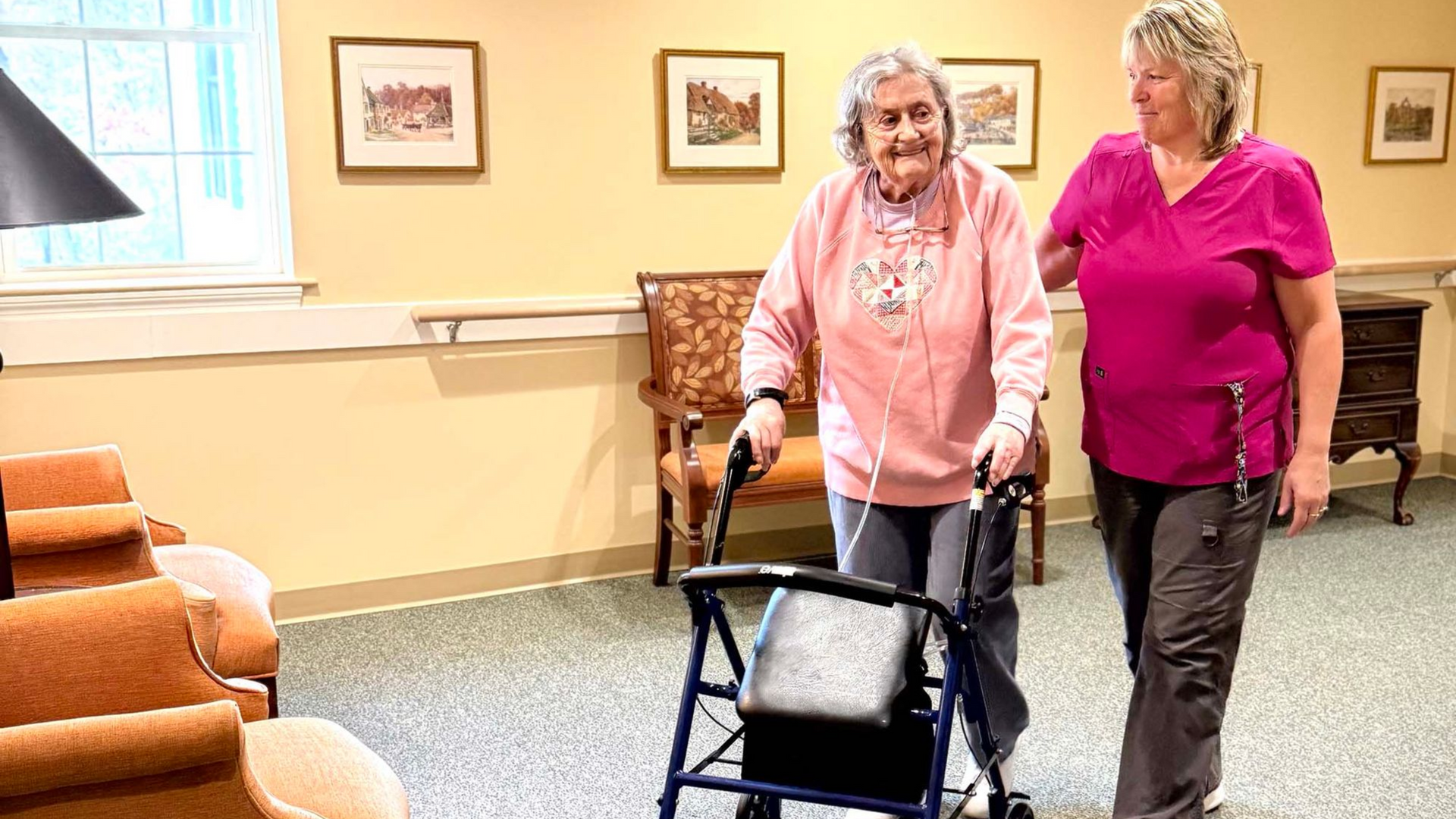
Two women walking with a rollator in a bright room with chairs and framed pictures.
September 4, 2026
Learn when to transition from assisted living to skilled nursing care. Recognize key health indicators for your loved one's needs.
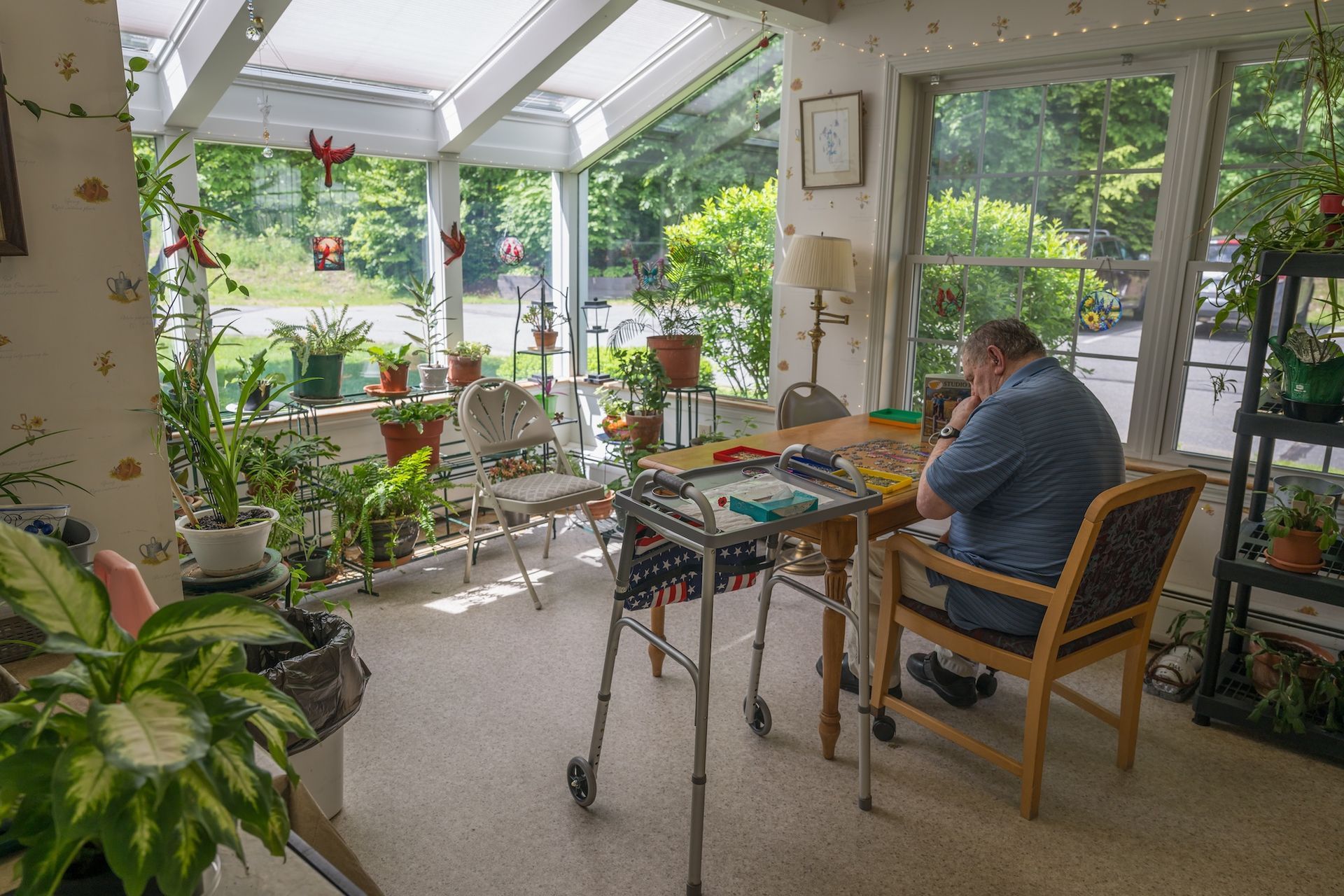
Person seated at a craft table in a bright sunroom surrounded by plants and garden views
September 3, 2026
Discover how gardening therapy for dementia supports memory, reduces stress, improves mobility, and promotes well-being in memory care.
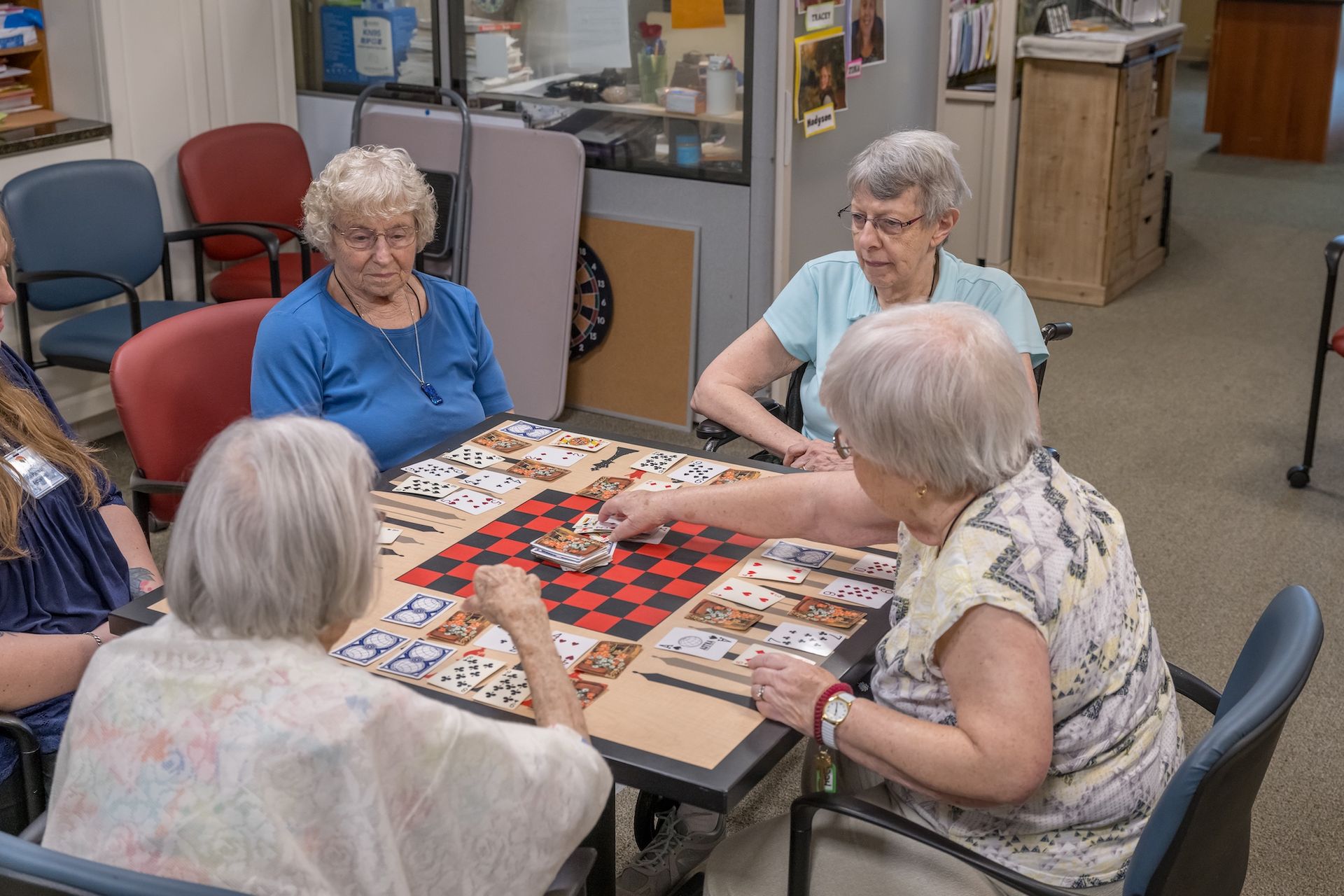
Four people play checkers at a table in a community room.
August 10, 2026
Learn how social isolation affects older adults and how meaningful community activities can support physical health, cognitive well-being, connection, and independence.
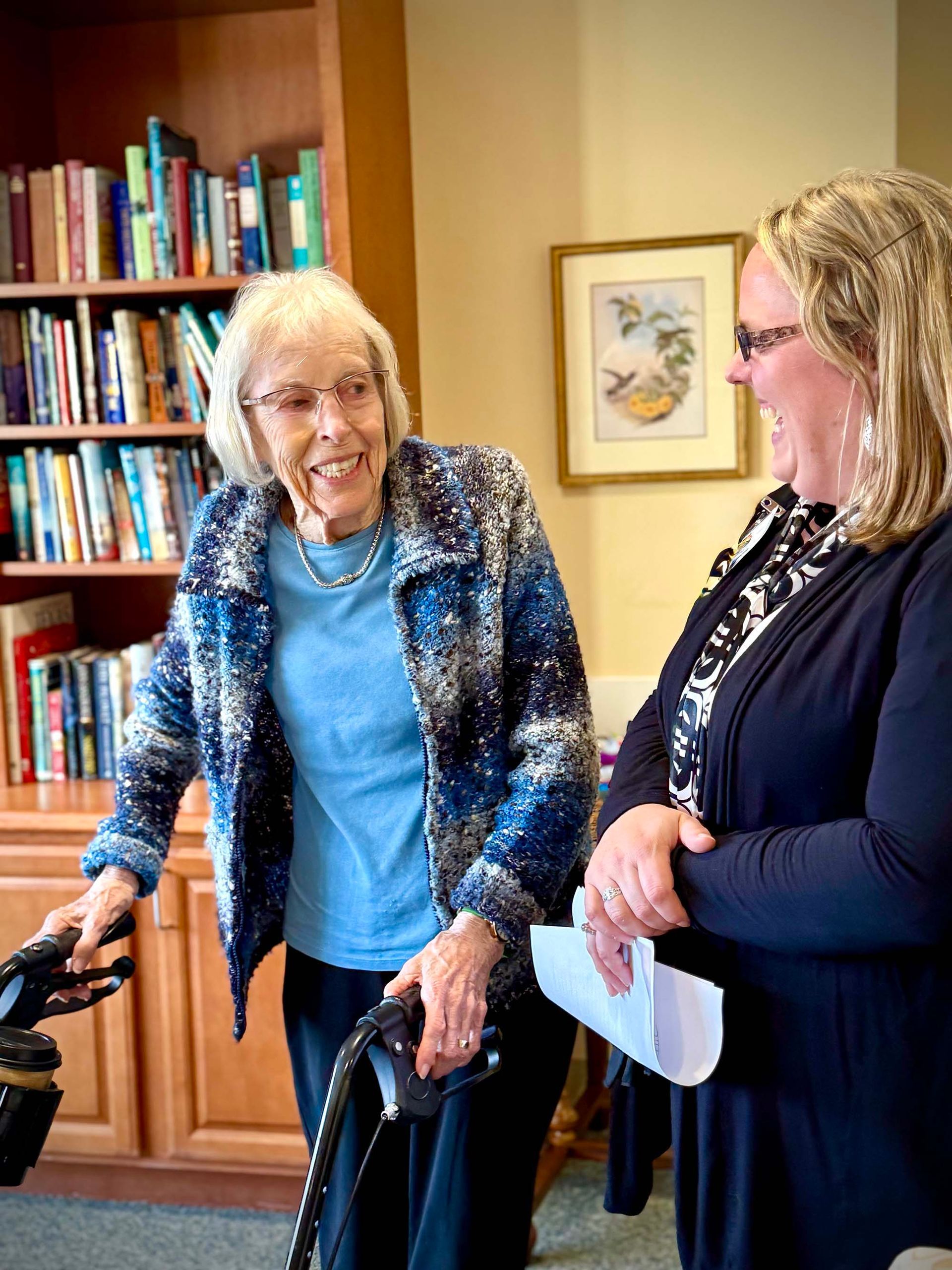
Two women smiling and talking in a cozy room, one using a walker, with bookshelves and framed art behind them.
August 10, 2026
Learn about senior care staff roles, including RAs, LNAs, medication technicians, activities staff, and nurses, and how each supports your loved one.
White cottage-style storefront with green trim, porch, sign, and landscaped lawn under a cloudy sky
July 23, 2026
Discover why Windsor, VT is an ideal place for senior living, offering historic charm, natural beauty, a welcoming community, and exceptional retirement living.
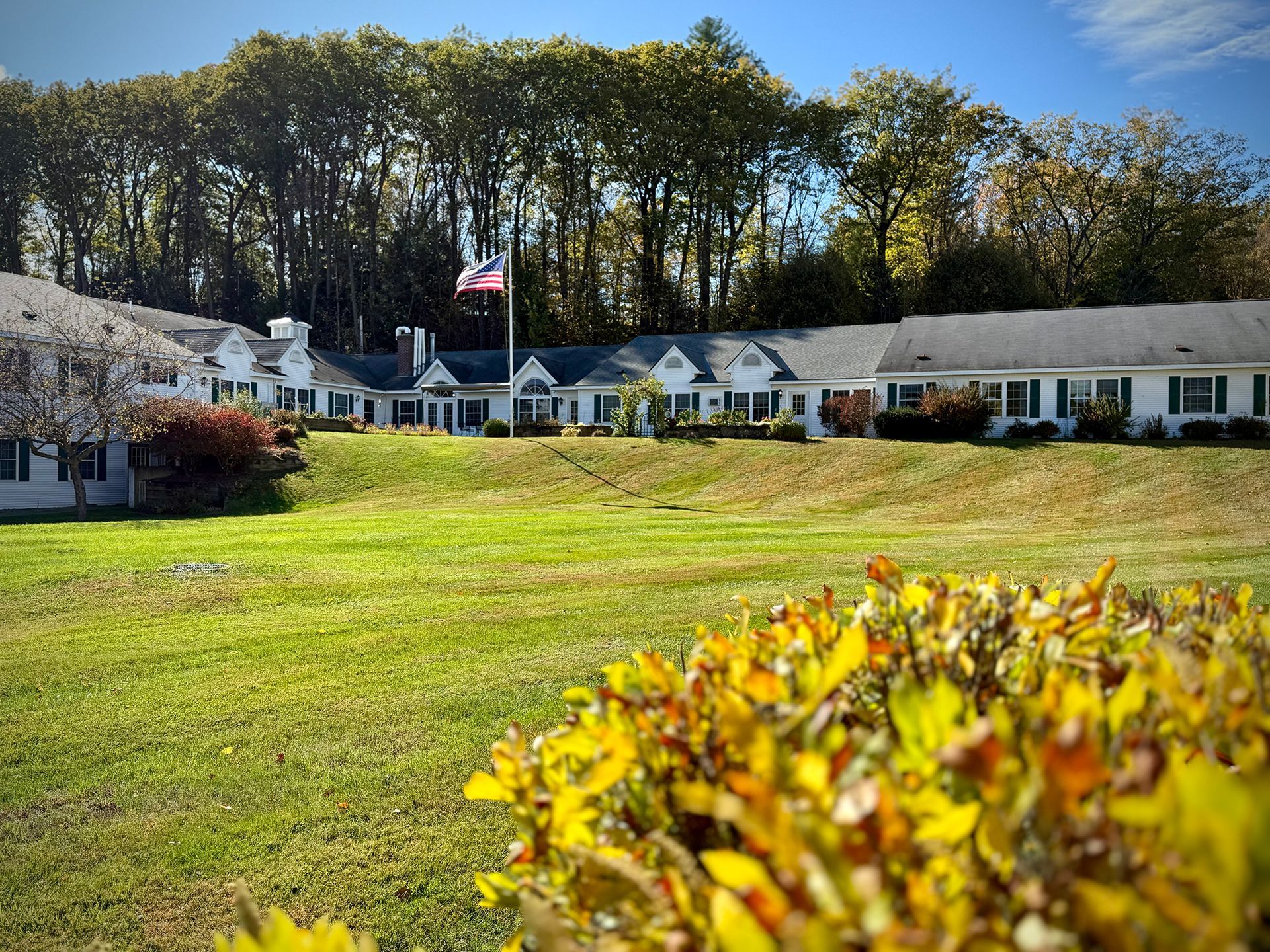
Row of white houses with an American flag beside a green lawn and tree line
July 22, 2026
Learn how assisted living communities support seniors with vision loss and hearing decline through safer environments, personalized care, and adaptive communication
Seniors in a bright studio doing seated arm stretches during a group exercise class
June 17, 2026
Discover thoughtful ways to make visits more meaningful for loved ones in skilled nursing. Learn activities, conversation ideas, and tips to strengthen connections and enhance their well-being.
Young girl talking and smiling with an elderly woman in a bright living room by a window
June 17, 2026
Confused by senior living terminology? This family-friendly guide explains common senior care terms, helping you navigate housing, care options, and services with greater confidence and clarity.
People dining in a bright restaurant decorated with red and yellow balloons.
May 13, 2026
Learn why specialized fall prevention in assisted living is essential for senior safety, reducing risks, and improving quality of care and independence.
Show More